
 22.10.2026
There is a particular kind of frustration in being exhausted at bedtime and then finding yourself wide awake at 3 a.m. Add a sudden hot flash, damp sleepwear, or a mind that has decided now is the perfect time to review tomorrow's entire to-do list, and a decent night's sleep can feel unnecessarily complicated.
I've learned to be cautious about elaborate sleep routines. When you're already tired, a twelve-step evening ritual can feel like another job. I'd rather start with a few changes that fit ordinary life and see what actually helps.
Menopause can affect sleep through hot flashes, night sweats, and changes in mood. Other conditions can also disrupt sleep, so I wouldn't automatically blame every restless night on hormones. The National Institute on Aging recommends practical sleep habits and speaking with a healthcare professional when problems continue.
What I would try first
- Keep wake-up times reasonably consistent.
- Make the bedroom cool, dark, and comfortable.
- Notice whether caffeine, alcohol, or late meals affect your nights.
- Get help when sleep disruption persists rather than endlessly adding new routines.
Maintain a Consistent Sleep Schedule

I would start with the time I get up, rather than trying to force myself into bed at an arbitrary hour. A reasonably consistent wake-up time helps support the body's sleep-wake rhythm, even when the previous night wasn't particularly successful.
The National Institute on Aging recommends going to sleep and waking up at similar times each day. I also try not to compensate for a poor night by making the following day completely unstructured. Keep the experiment simple: choose a realistic morning time and stick with it as consistently as your life allows. Consistency beats perfection; one difficult night doesn't require a complete reset.
The low-energy version
Choose a regular wake-up time for the coming week. Leave the bedtime flexible enough that you can go to bed when you're sleepy.Source: National Institute on Aging guidance on menopause and sleep.
Keep Your Bedroom Cool and Comfortable

If you wake feeling overheated, the temperature of your bedroom is a sensible place to investigate. Night sweats and hot flashes can interrupt sleep, and a room that feels perfectly pleasant at bedtime may become uncomfortable a few hours later.
I would try a fan, breathable cotton or linen sheets, and lightweight sleepwear before buying an expensive cooling mattress. Keep an extra top or nightdress within easy reach if changing during the night is sometimes necessary. The cooling setup that works for you may be modest, and it doesn't need to look like a hotel room to be useful.
The NHS recommends keeping the bedroom cool and wearing lightweight clothing to help manage menopause-related hot flashes. Start with temperature and bedding before investing in specialist products. Read the NHS self-care guidance.
Limit Caffeine in the Afternoon and Evening

My relationship with afternoon coffee is a matter of enjoyment versus consequences. Caffeine can make it harder to fall asleep, and its effects can linger for hours. If sleep has become unreliable, an afternoon coffee is worth examining before you start buying supplements.
Try moving your final caffeinated drink earlier for a week or two. Remember that tea, chocolate, energy drinks, and some soft drinks also contain caffeine. Change one variable at a time so you can tell whether the adjustment makes a difference.
Alcohol deserves attention here, too. It may make you feel sleepy initially but can contribute to lighter, more interrupted sleep. If you enjoy an evening drink, notice what happens on nights without it. There is no need to assume every person's response will be identical. The National Institute on Aging's sleep guidance recommends avoiding caffeine late in the day and notes that alcohol can interfere with sleep. Pay attention to your own pattern rather than relying on a universal cutoff time.
Exercise Regularly During the Day

Regular movement is worth keeping in the picture when sleep becomes difficult. Walking, cycling, swimming, strength training, and gentle yoga are all possible ways to be active. You do not need a punishing workout schedule to begin.
Evidence reviewed in menopause guidance suggests physical activity can support sleep and mood, although the benefits vary and exercise isn't a guaranteed fix for insomnia. I like the practicality of a daytime walk because it can provide movement and a clear break between work and the rest of the day. Choose an activity you can repeat, not one that requires a new wardrobe and a complicated booking system.
If vigorous exercise close to bedtime leaves you feeling alert, move it earlier. A ten-minute walk is a reasonable starting point on a busy day, while longer sessions can fit when you have the time. Regularity matters more than drama. See the NHS advice on managing menopause symptoms.
Manage Night Sweats and Hot Flashes
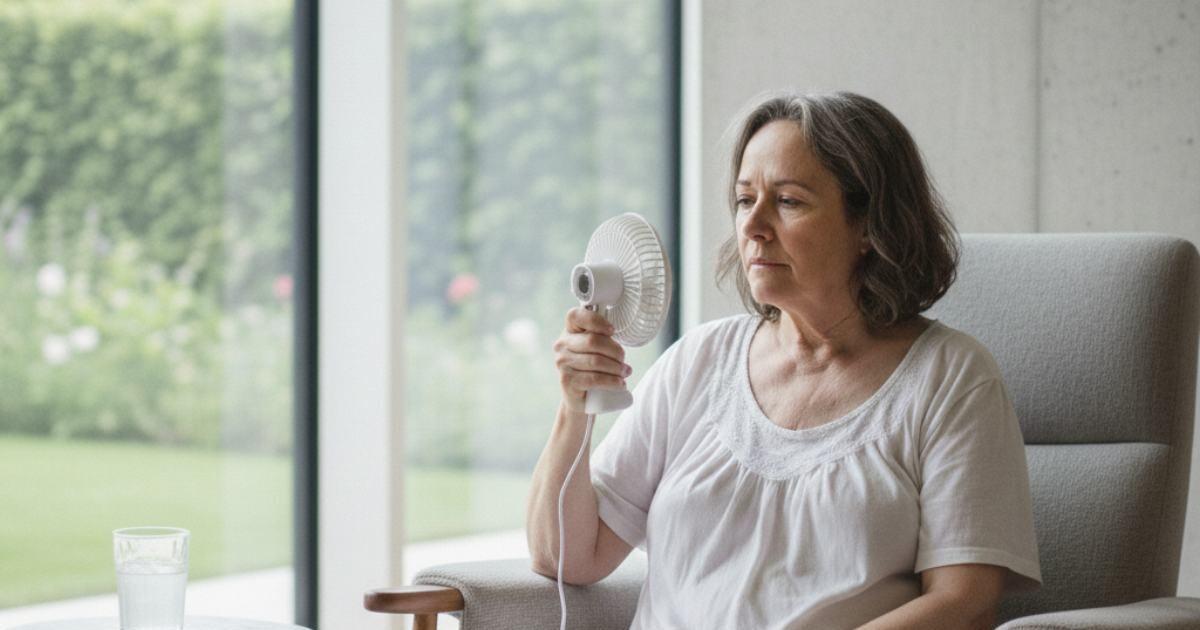
Hot flashes can arrive with remarkably poor timing, including just when you've finally become comfortable. If night sweats are part of your experience, I would make the night itself easier to manage instead of expecting one clever trick to prevent every episode.
Keep lightweight sleepwear nearby, use breathable bedding, and consider a fan or a cool drink. You might also record possible triggers such as alcohol, caffeine, spicy food, or a warm bedroom. These are clues to investigate, not a list of things every woman must give up. Look for your own triggers without turning evenings into a series of restrictions.
If hot flashes repeatedly interrupt your sleep, discuss the symptoms with a healthcare professional. Menopause-related treatments may be available, including hormonal and non-hormonal options. Lifestyle adjustments can improve comfort, but they may not adequately control persistent symptoms. You don't have to manage severe disruption alone. The NHS menopause guidance outlines practical measures and options for seeking help.
Establish a Relaxing Bedtime Routine

A bedtime routine should make the end of the day easier, not give you another checklist to fail. I would set aside a short transition between doing things and trying to sleep: perhaps a shower, a few pages of a book, or quiet music.
The American Heart Association recommends creating a regular wind-down routine and setting aside time to prepare for the next day. That last suggestion is particularly practical. Writing tomorrow's three most important tasks on paper can be more useful than lying in bed trying to remember all of them. Give your brain a stopping point, even if the entire household isn't perfectly organised.
Try the same small routine for several evenings before judging it. You don't need special products, scented candles, or an elaborate collection of sleep accessories. Three repeatable steps are enough to start. For more ideas, see the American Heart Association's bedtime routine advice.
Reduce Screen Time Before Bed
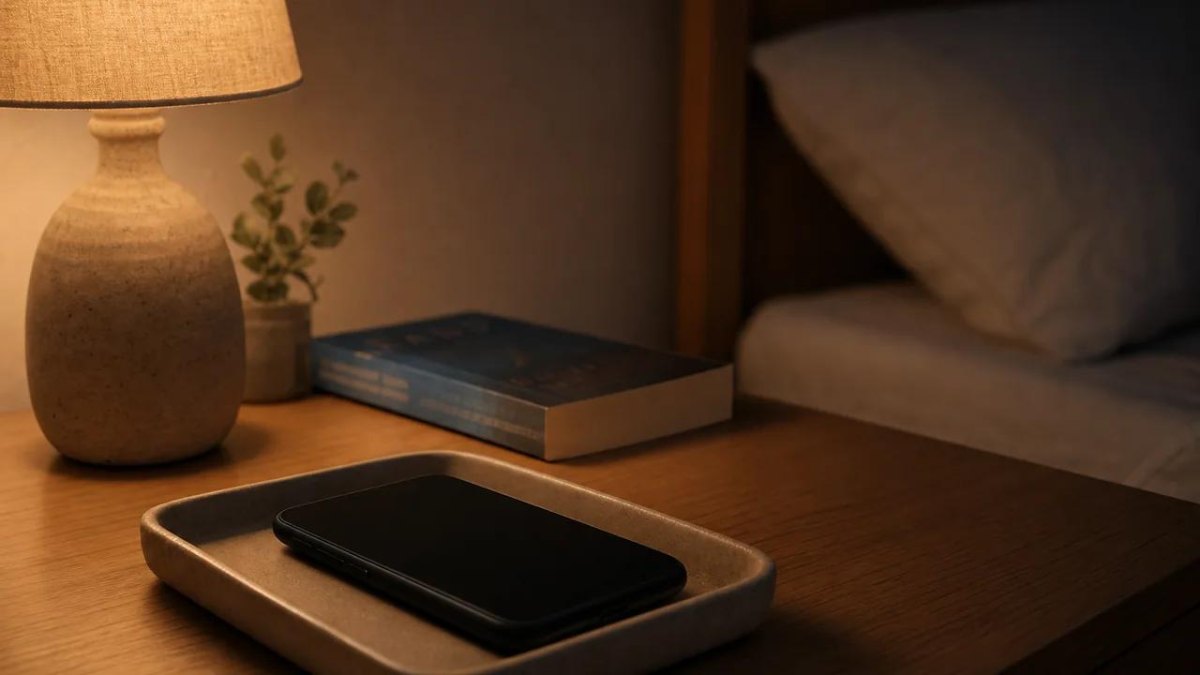
Phones have an unfortunate habit of turning a quick bedtime check into twenty minutes of news, messages, and videos I never intended to watch. Bright light and stimulating content can make winding down harder, while notifications encourage the mind to keep working.
Try charging your phone away from the bed and using a basic alarm clock if you rely on your phone to wake up. If a complete screen ban feels unrealistic, start by stopping work messages and scrolling before your intended bedtime. Reduce the temptation rather than relying on willpower.
The National Institute on Aging advises avoiding television and electronic devices in the bedroom as part of good sleep habits during menopause. Screen changes won't resolve every cause of nighttime waking, but they are inexpensive to test. Make the easy choice the default: put a book or magazine where your phone usually sits. Read the sleep recommendations.
Eat a Balanced, Sleep-Friendly Diet

I am wary of foods marketed as if they can solve every midlife complaint. A balanced eating pattern is useful for general health, but there is no single dinner, smoothie, or snack that guarantees a full night's sleep.
Build meals around a mix of vegetables, fruit, whole grains, protein sources, and fats you enjoy. If you're hungry before bed, a modest snack may be more comfortable than going to sleep distracted by hunger. Notice whether particular foods seem to aggravate reflux or make you feel overheated, rather than adopting a long list of unnecessary food rules. Eat consistently and comfortably, without expecting food to act as a treatment.
If you're considering major dietary changes or have nutritional concerns, a qualified clinician or registered dietitian can offer advice suited to your circumstances. Keep the food plan sustainable; the most useful approach is one you can maintain without turning every meal into research. The NHS menopause guidance discusses healthy habits alongside other ways to manage symptoms.
Make Your Bedroom Dark and Quiet

Light from the street, a glowing clock, or a television left on can make a bedroom less restful. Noise can be just as disruptive. Before replacing the mattress or redecorating, I would look for the small environmental irritations that are easy to overlook.
Blackout curtains may help if outdoor light reaches your bed. An eye mask or earplugs can be inexpensive alternatives, provided they are comfortable and suitable for your needs. Silence unnecessary phone alerts and make sure you can move safely around the room if you get up at night. Remove the obvious sleep disruptors first.
The CDC's National Institute for Occupational Safety and Health recommends a dark, quiet, cool, and comfortable sleeping environment. That doesn't mean spending a fortune on blackout systems or soundproofing. Try the cheapest reversible change and see whether you notice a difference. Read the CDC's guidance on creating a good sleep environment.
Discuss Hormone Therapy With Your Healthcare Provider

When menopause symptoms repeatedly disturb sleep, lifestyle adjustments are not the only option worth discussing. Menopausal hormone therapy, also called HRT in UK guidance, can help with symptoms such as hot flashes and night sweats that may contribute to disrupted sleep.
It isn't suitable for everyone, and the potential benefits and risks depend on factors such as your medical history, age, symptoms, and the type of treatment being considered. I would approach an appointment as a conversation rather than a decision that must be made immediately. Ask which options may be appropriate for you, what benefits to expect, and what risks or follow-up are relevant. Individual advice matters more than online certainty.
Hormone therapy is not the same as a universal sleep medication, and it may not address every reason you wake at night. Non-hormonal treatments and menopause-specific cognitive behavioural therapy may also be options. You can discuss alternatives without committing to treatment. See the NHS explanation of HRT benefits and risks and the NICE menopause recommendations.
Stay Hydrated Throughout the Day

Drinking enough fluids matters, but drinking a large glass of water immediately before bed may be inconvenient if you already wake frequently to use the bathroom. The aim is to meet your hydration needs while noticing whether the timing of drinks affects your nights.
Keep water accessible during the day and drink regularly, adjusting for your activity, climate, and individual health needs. If bathroom trips are disrupting sleep, you could try shifting more of your usual fluid intake earlier rather than restricting water throughout the day. Hydrate earlier when practical, without ignoring thirst.
Frequent nighttime urination can have causes beyond drinking habits, so persistent or newly troublesome symptoms deserve medical attention. If you have been advised to follow a particular fluid plan because of a health condition, follow your clinician's advice. Don't trade hydration for sleep. The broader sleep recommendations from the National Institute on Aging can help you consider other changes alongside your drinking habits.
Choose Comfortable Pillows and Bedding

When sleep becomes unreliable, it's tempting to blame the mattress and start browsing expensive replacements at midnight. Before doing that, I would check the simpler things: whether your pillow supports your usual sleeping position, whether the sheets feel too warm, and whether your bedding is comfortable against your skin.
A breathable pillowcase, lighter duvet, or an extra sheet that can be removed easily may solve a practical problem without creating a major expense. Pillow comfort is personal, so a product that works wonderfully for one person may feel entirely wrong to another. Test the smallest change first, especially if you're unsure what is bothering you.
Comfortable bedding is one part of a supportive sleep environment, not a treatment for persistent insomnia or severe night sweats. I would set a modest budget and avoid buying several products at once. Spend to solve a specific discomfort, not because a product promises perfect sleep. The National Heart, Lung, and Blood Institute also recommends a comfortable, quiet, and dark sleep environment.
Reduce Stress and Anxiety Before Bed

Some nights, the body is tired while the mind is still working through tomorrow's appointments, an unfinished email, and a conversation from three days ago. Stress can make it harder to settle, and poor sleep can make the following day feel more difficult. It is an unpleasant loop, not a personal failure.
Try moving planning time earlier in the evening. Write down the tasks that need attention, identify the first step for tomorrow, and then close the notebook. A few minutes of slow breathing or gentle stretching may also help you transition out of work mode. Give worries a place to land instead of trying to solve everything in bed.
If stress or anxiety remains persistent or significantly affects daily life, consider talking with a qualified healthcare or mental health professional. Lifestyle habits can be helpful, but they are not substitutes for care when you need it. Support is a practical option, not a last resort. The American Heart Association's sleep routine advice includes preparing for the next day and using calming activities.
Avoid Heavy Meals Close to Bedtime
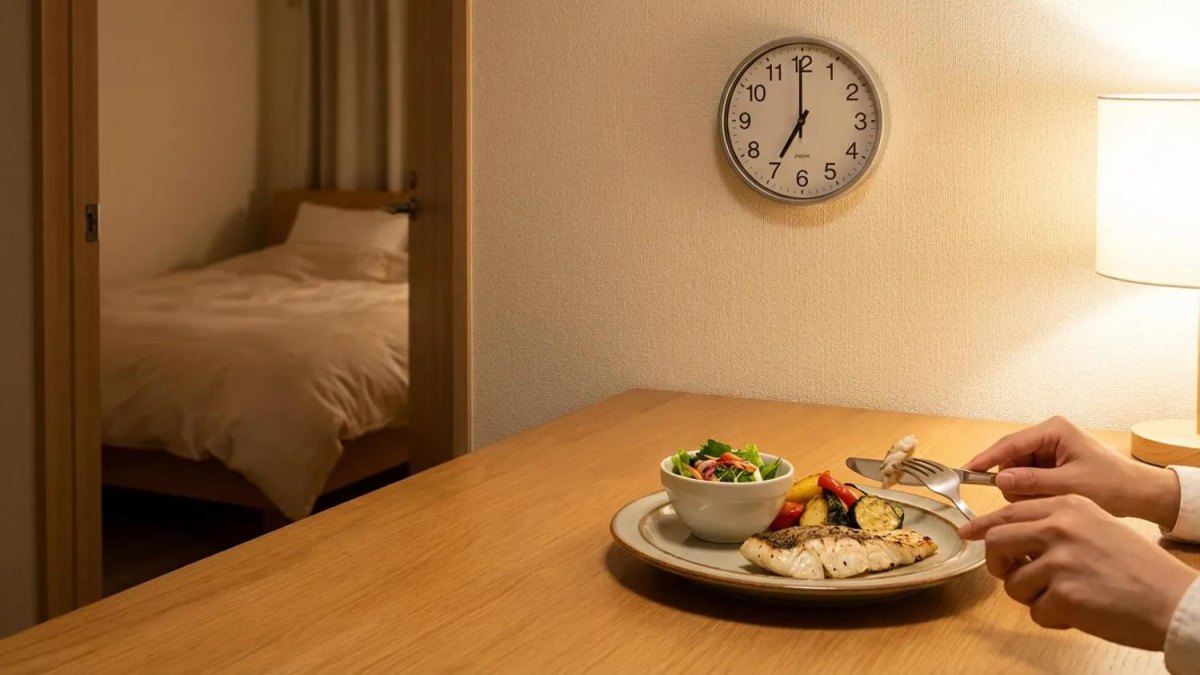
A large late dinner can leave you uncomfortable when you lie down, especially if you experience heartburn or acid reflux. If that sounds familiar, try moving dinner earlier or making the evening meal a little lighter before changing everything you eat.
For people with nighttime reflux symptoms, the US National Institute of Diabetes and Digestive and Kidney Diseases says eating at least three hours before lying down may help. That advice is particularly relevant if reflux is part of the problem; it doesn't mean everyone needs the same strict meal schedule. Give digestion some breathing room when your evenings allow it.
If work, caregiving, or family schedules mean dinner is late, focus on a manageable adjustment rather than guilt. Smaller portions or a less rich meal may feel more comfortable for some people. Notice symptoms instead of following rigid rules. Frequent or persistent reflux deserves medical advice. Read the NIDDK guidance on eating habits and reflux.
Get Natural Light in the Morning

Morning light is a relatively simple habit to test because it can fit into something you already do. Open the curtains after waking, have breakfast near a bright window, or take a short walk outside when practical.
Light helps regulate the body's circadian rhythm, the internal timing system that influences sleep and wakefulness. The timing and amount of light that work best can vary, but a regular morning routine is a sensible starting point. Pair daylight with an existing habit, such as walking the dog or making your first cup of tea, rather than adding a separate task to an already full morning.
You don't need a special lamp or an elaborate tracking device to begin. Try natural daylight consistently and observe whether your sleep timing changes over time. Keep the experiment simple and avoid assuming that morning light alone will fix persistent insomnia. The National Heart, Lung, and Blood Institute's insomnia guidance provides additional advice on maintaining healthy sleep habits.
Practice Mindfulness or Meditation

Meditation can sound like one more thing to become good at, which rather defeats the purpose when you're already tired. I would approach it as a short pause, not a test of whether you can empty your mind completely.
Try sitting comfortably for five minutes and paying attention to your breathing. When thoughts wander, gently return your attention to the next breath. Guided relaxation or progressive muscle relaxation may suit you better. Choose a method that feels manageable, and stop if it makes you more uncomfortable or alert.
Mindfulness may support relaxation and sleep for some people, but it is not a guaranteed treatment for insomnia. If sleep problems persist, ask a healthcare professional about evidence-based options, including cognitive behavioural therapy for insomnia. Meditation can be an addition, not an obligation. The American Heart Association discusses mindfulness and meditation among possible bedtime relaxation practices.
Keep a Sleep Journal to Identify Patterns

When several nights blur together, it can be difficult to remember whether you woke because of a hot flash, noise, stress, or an uncomfortable room. A simple sleep journal can help you spot patterns without relying on memory alone.
Each morning, record your approximate bedtime, wake-up time, nighttime awakenings, and how rested you feel. Add a brief note about night sweats, caffeine, alcohol, late meals, or unusual stress when relevant. You don't need exact minute-by-minute records. A few useful observations are enough to begin identifying possible connections.
After a week or two, look for patterns rather than judging each night individually. Take your notes to a healthcare appointment if sleep disruption continues; they can help you describe what is happening and how often. If tracking makes you anxious or preoccupied with sleep, simplify it or stop. The journal should serve you, not supervise you. The National Heart, Lung, and Blood Institute's insomnia treatment guidance explains why persistent sleep problems may need more than lifestyle adjustments.
When it's time to ask for help
If poor sleep persists, significantly affects your daytime functioning, or comes with loud snoring, gasping during sleep, or unexplained fatigue, speak with a qualified healthcare professional. Menopause may be part of the picture, but it isn't the only possible explanation. Ask about menopause-specific cognitive behavioural therapy for insomnia and other appropriate options if simple changes haven't helped. You do not need to exhaust every sleep tip before seeking advice. See the NICE menopause recommendations.



 Sleep & Insomnia Solutions13 Natural Ways to Get More Deep Sleep and Wake Up Feeling Rested
 Health & Wellness6 Simple Healthy Habits After 40 That Make Everyday Life Better
 Energy, Hormones & Stress ManagementMenopause und Nachtschweiß – 16 praktische Lösungen für ruhigere Nächte
 Energy, Hormones & Stress Management18 Natural Energy Boosters Without Caffeine That Fit Real Life