

Weight changes in midlife can feel surprisingly complicated. I have found that chasing a smaller body is usually less useful than building a stronger one. Strength training after 50 is not about punishing yourself in a gym; it is about supporting the body you have now with habits you can actually maintain.
In this guide, I look at strength training for midlife through a practical lens: what helps, what takes too much effort, and which small changes are worth keeping.
How Strength Training Boosts Weight Loss After 50

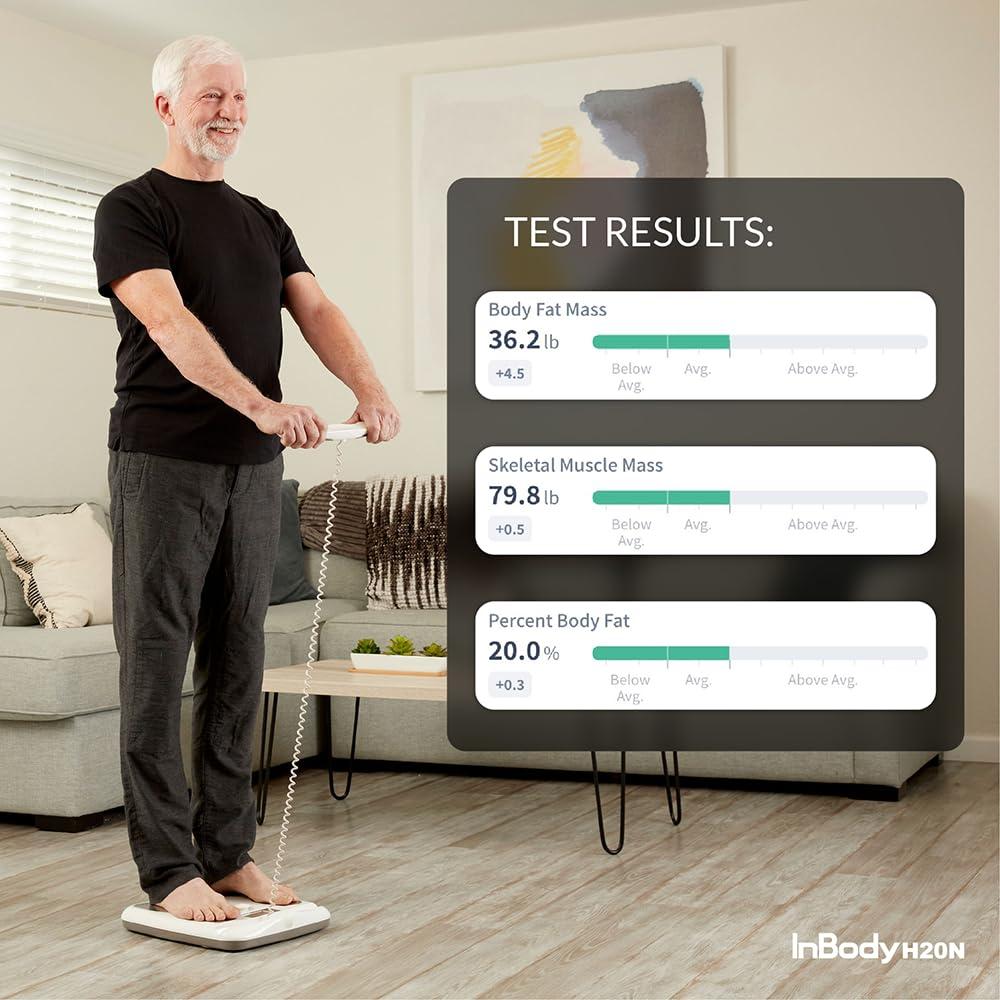
Strength training can support weight management after 50 by helping maintain muscle, strength, and everyday function. Research on older adults shows resistance training is an important tool for addressing age-related declines in muscle mass and physical ability.
I like thinking about it as a body maintenance project, not a quick fix. The goal is not to recreate a younger version of yourself but to make daily life feel more capable.
What I keep in mind
- Muscle matters for strength, mobility, and independence.
- Consistency usually beats complicated workout plans.
- Weight changes are personal and worth discussing with a healthcare professional when they are unexpected or concerning.
Building Muscle to Increase Metabolism After 50

Muscle tissue plays an important role in how our bodies use energy, and preserving muscle becomes increasingly relevant as we age. Resistance training helps counter muscle loss associated with aging.
I am careful with the phrase “boost your metabolism” because it is often used as a magic promise. A better goal is protecting muscle strength so your body can keep doing the things you enjoy.
A practical tip
Start with movements you can repeat comfortably. The perfect routine you abandon is less useful than a simple one you continue.
Best Strength Exercises for Fat Loss Over 50
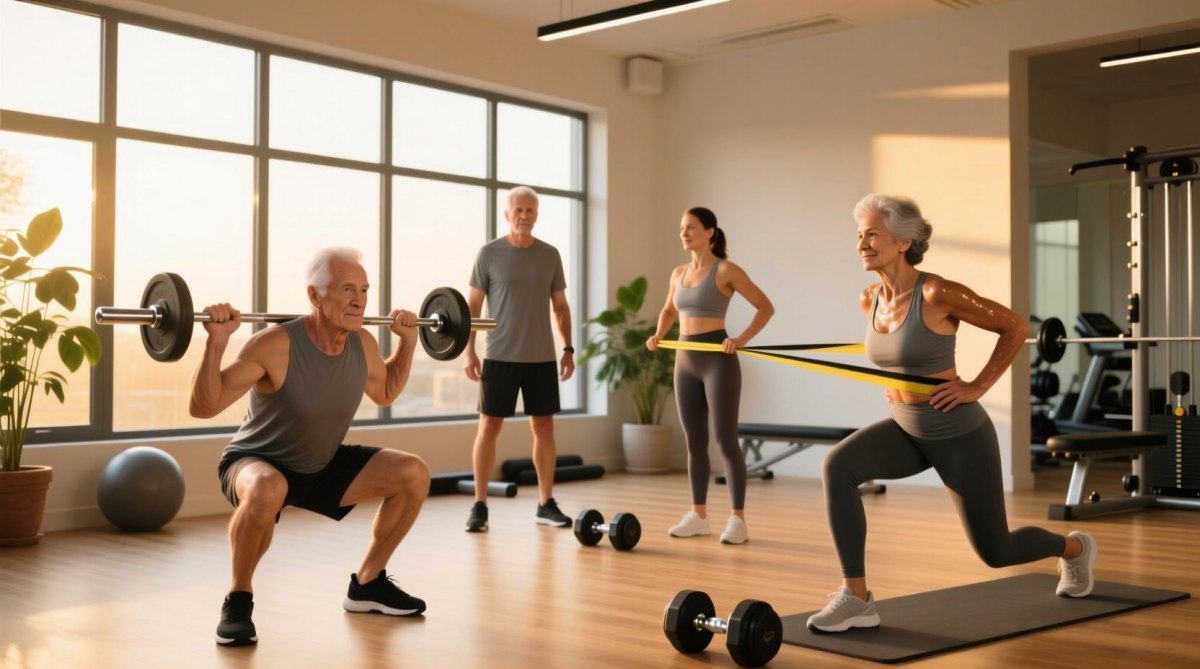
The best exercises are usually the ones that train everyday movements. Beginner-friendly options often include squats, rows, presses, hinges, and carries because they build functional strength rather than just chasing numbers.
I prefer a short list of reliable movements over a giant exercise menu. Fitness advice sometimes arrives with a shopping cart full of equipment, and most of us already have enough things to manage. Some expert recommendations for people starting in their 50s emphasize learning movements first and increasing resistance gradually.
- Begin. Choose manageable resistance and focus on form.
- Practice. Repeat movements consistently before adding complexity.
- Progress. Increase challenge slowly as your confidence grows.
Creating a Safe Strength Training Routine After 50
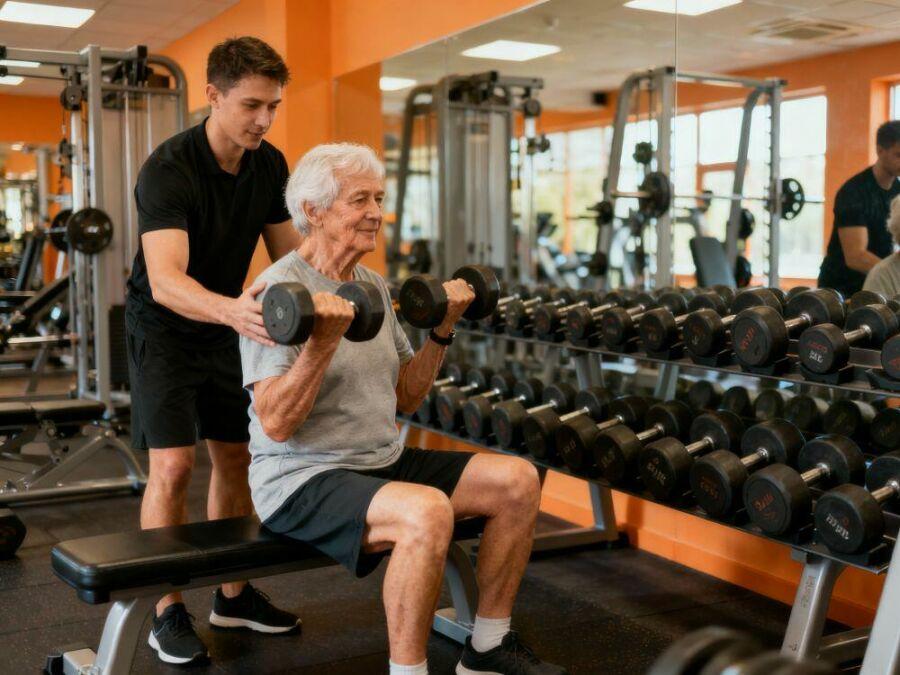
A safe routine does not need to look impressive on paper. It needs to fit your schedule, energy, and current abilities. I have learned that the low-friction version of a habit is often the one that survives busy weeks.
If you have health concerns, injuries, or new symptoms, it makes sense to ask a qualified healthcare professional about what type of exercise is appropriate for you.
- Choose realistic workout times.
- Warm up and learn proper technique.
- Allow recovery between challenging sessions.
- Adjust the plan when life gets busy.
Combining Protein and Strength Training for Weight Management

Strength training works alongside nutrition habits, and protein is often discussed because it supports muscle maintenance. Studies examining older adults suggest combining resistance training with adequate protein can support improvements in muscle-related outcomes.
I do not see this as a reason to buy a shelf full of powders. A balanced eating pattern that includes protein-rich foods may be a simpler place to start, with personal guidance from a qualified professional when needed.
| Focus | Practical approach |
|---|---|
| Training | Regular resistance exercise |
| Food | Include nourishing protein sources |
| Routine | Choose habits you can maintain |
How Progressive Overload Supports Long-Term Results
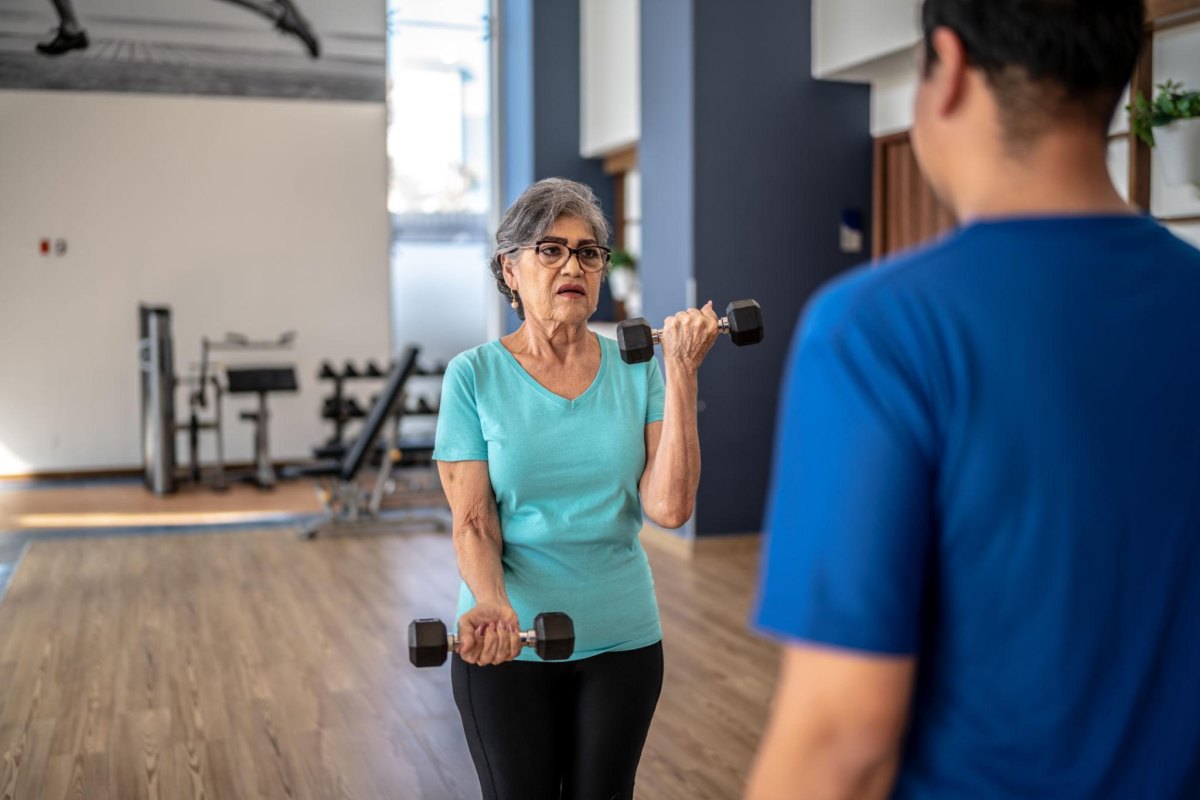
Progressive overload simply means gradually asking your muscles to do a little more over time. That might mean slightly more weight, more repetitions, or better control of a movement. Research supports progressive resistance training as a way to improve strength in older adults.
I appreciate this approach because it removes the pressure to transform overnight. Small improvements are easier to notice and easier to keep.
My favorite mindset shift
Instead of asking, “Am I doing enough?” I ask, “Am I building from where I am today?”
Avoiding Common Strength Training Mistakes After 50
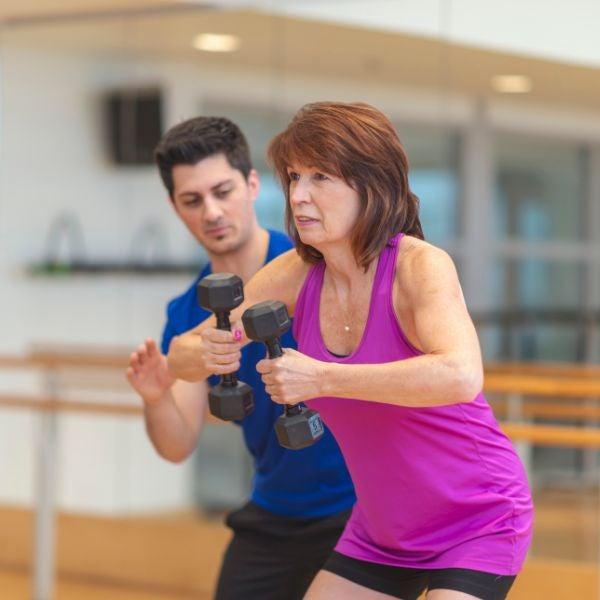
The biggest mistakes I see are not about age; they are about making a routine harder than necessary. Too much intensity too soon can make exercise feel like another obligation instead of something that supports your life.
Avoiding all-or-nothing thinking is often more valuable than finding the perfect program.
Helpful habits
- Learning proper form
- Progressing gradually
- Choosing sustainable workouts
Common pitfalls
- Starting too aggressively
- Copying routines that do not fit your body
- Ignoring recovery
Maintaining Strength and Weight Loss Progress Long Term

The long-term win is not a dramatic before-and-after photo. It is being able to carry groceries, climb stairs, travel, garden, or get up from the floor with more confidence. Strength training can contribute to healthier aging by supporting physical function and independence.
My own rule is simple: keep the parts that make life easier. The best routine is the one that leaves you feeling more capable, not the one that creates another job.
A useful reminder
Your fitness routine should support your life, not take it over.




 Sleep & Insomnia Solutions13 Natural Ways to Get More Deep Sleep and Wake Up Feeling Rested
 Health & Wellness6 Simple Healthy Habits After 40 That Make Everyday Life Better
 Energy, Hormones & Stress ManagementMenopause und Nachtschweiß – 16 praktische Lösungen für ruhigere Nächte
 Energy, Hormones & Stress Management18 Natural Energy Boosters Without Caffeine That Fit Real Life