Changing careers after 50 can feel exciting and oddly unsettling at the same time. I know the temptation to think you need a dramatic reinvention, a completely new identity, and a five-year plan written in a beautiful notebook. Usually, you need something much more practical: a direction that fits your skills, your energy, and the life you actually have now.
I have learned that a good second career is not always the most impressive one on paper. It is often the one that uses what you already know while giving you more control over your days. These options are worth exploring if you are looking for a career change after 50 that feels realistic rather than overwhelming.
Second career ideas to consider
- Use your existing experience instead of starting completely over.
- Test a smaller version of a new career before making a major commitment.
- Choose work that matches your current priorities, not your younger self’s schedule.
Entrepreneurship: Starting a Business After 50

Starting a business after 50 is not as unusual as it once seemed. Many older workers turn experience, professional networks, and problem-solving skills into small businesses or independent work. Recent research has highlighted the role of older self-employed workers and how experience can become an advantage.
I like this option because it does not require pretending you are 25 and building a startup in your garage at midnight. A second-career business can be smaller: consulting, a service business, a creative shop, or a specialised offering based on what people already ask you for.
- List. Write down skills people have paid you for or regularly requested.
- Test. Try one small paid project before making a full leap.
- Review. Notice whether the work gives you energy or simply creates another job.
A practical starting point
Before investing heavily, test the smallest version of your idea. A simple experiment can tell you more than months of planning.
Career Coaching and Mentoring Roles

After decades of working, many women underestimate how valuable their experience has become. Mentoring and coaching roles can be a way to turn professional knowledge into guidance for others.
I am careful with this category because coaching is a real profession, not just giving advice over coffee. Some roles require training or credentials, and it is worth understanding expectations before investing time or money.
- Good fit: Women who enjoy listening, asking questions, and helping others make decisions.
- Possible paths: Workplace mentoring, career programs, leadership development, or peer support roles.
- First step: Volunteer, shadow, or take an introductory course before committing.
Freelance Writing, Editing, and Content Creation

Writing was my own bridge from corporate communications into a more flexible working life. It was not an overnight transformation. There were invoices to send, clients to find, and plenty of moments where I wondered whether my old job title had been doing more confidence-building than I realised.
Freelance writing, editing, and content work can suit women who enjoy research, communication, and independent projects. The market is changing, though, and writers need to keep developing skills as digital tools evolve. The U.S. Bureau of Labor Statistics continues to track writing careers as a field with ongoing opportunities, including replacement openings.
Pros
- Flexible scheduling.
- Uses communication skills from many industries.
- Can begin as a side project.
Cons
- Income may be inconsistent at first.
- Finding clients requires ongoing effort.
- Self-employment requires organisation.
Consulting Based on Professional Experience

Consulting is one of the clearest examples of turning years of work into a second career. Instead of asking, “What can I start from zero?” I would ask, “What problems do people already trust me to solve?”
A consultant might help with communications, operations, training, organisation, customer experience, or industry-specific knowledge. The important part is narrowing the offer. A vague “I can help with anything” is exhausting to explain and difficult to sell.
- Identify a problem you understand well.
- Create a simple description of your service.
- Speak with potential clients before building a complicated business plan.
Teaching, Training, and Online Education

Teaching does not always mean returning to a traditional classroom. Many second-career options involve adult education, workplace training, workshops, or online courses. Adult learning continues to be an important focus as workers adapt to changing skills and technology.
I appreciate this path because experience matters. A person who has actually managed projects, solved workplace problems, or learned a skill over decades often brings something a textbook cannot provide: context.
| Option | Possible format |
|---|---|
| Workplace trainer | Company workshops and employee learning |
| Online instructor | Courses, tutorials, and webinars |
| Community educator | Local classes and group sessions |
Healthcare, Wellness, and Support Careers
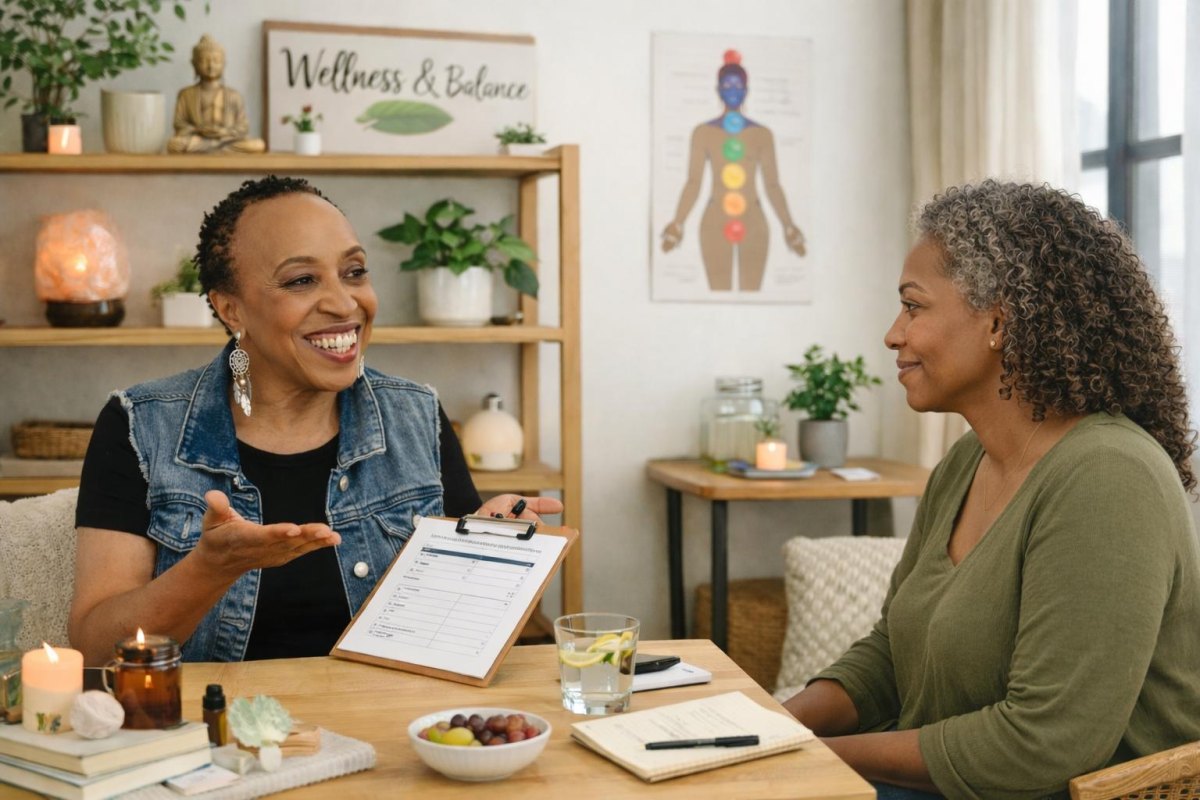
Healthcare and support roles appeal to many women looking for meaningful work later in life. The field includes many different paths, from administrative positions to support careers and community-focused roles. Healthcare occupations are projected to have strong demand in coming years.
This is also a category where I would slow down and check the practical details. Training requirements, physical demands, emotional load, and schedule expectations vary widely.
Worth checking first
Before committing to a healthcare career, look carefully at education requirements, daily responsibilities, and whether the work environment suits your energy and lifestyle.
Creative Careers in Arts, Crafts, and Design

Creative work can be a wonderful second career because it often combines skill, curiosity, and personal expression. Some women build businesses around crafts, design, photography, art, or handmade products.
I love the idea of making something tangible, but creativity still needs practical support. The beautiful handmade product is only part of the job. There is also pricing, marketing, customer communication, and deciding how much time you actually want the business to take.
The question I would ask
Do I want this to become my income source, or do I want to protect it as a creative part of my life? Both answers are perfectly valid.
Real Estate and Property-Related Careers

Real estate attracts many career changers because communication skills, local knowledge, patience, and relationship-building all matter. It can also offer flexibility, although it is not the effortless schedule some people imagine.
Recent industry data shows many real estate agents are experienced professionals, with survey respondents often over age 50 and a significant share of women in the field. That does not mean it is automatically the right choice, but it does show that starting later is common.
50+
is a common age range among many experienced real estate professionals.
The low-energy version of exploring this career is simple: talk with a few agents, learn what their weeks actually look like, and decide whether the daily reality appeals to you.





 Sleep & Insomnia Solutions13 Natural Ways to Get More Deep Sleep and Wake Up Feeling Rested
 Health & Wellness6 Simple Healthy Habits After 40 That Make Everyday Life Better
 Energy, Hormones & Stress ManagementMenopause und Nachtschweiß – 16 praktische Lösungen für ruhigere Nächte
 Energy, Hormones & Stress Management18 Natural Energy Boosters Without Caffeine That Fit Real Life