

There is a particular kind of tiredness that comes from work feeling heavier than it used to. I am not talking about a difficult week or a project that refuses to end. I mean the slow feeling that your job no longer fits the person you have become.
I learned that a career change does not always begin with a dramatic resignation letter and a perfectly organised five-year plan. Sometimes it begins with noticing patterns: lost motivation, constant frustration, curiosity about another path, or the quiet thought that you cannot keep doing the same thing forever.
Career changes are increasingly common, and many workers are reassessing what they want from work. Recent surveys show a significant number of professionals are considering new directions, while research continues to highlight the importance of growth, values, and fit in career satisfaction.
You Feel Constantly Unmotivated or Drained at Work

One of the first signs I would pay attention to is waking up already tired at the thought of work. Everyone has boring Mondays, but there is a difference between normal resistance and a job that has become a steady source of emotional exhaustion.
When I was in a demanding office role, I noticed that the hardest part was not the workload itself. It was the feeling that I was spending my energy maintaining something that no longer gave much back. Stress levels remain a major workplace concern globally, with many employees reporting frequent daily stress.
A small first step
Before changing everything, track your energy for two weeks. Notice which tasks drain you and which ones still create interest.
Your Current Role No Longer Matches Your Goals or Values

Sometimes the problem is not the job itself. It is that the job belongs to an earlier version of you. Your priorities may have shifted, and the role you once worked hard to build may no longer match your personal values.
Research on work values and career outcomes suggests that alignment between what people value and what their work provides can influence satisfaction and career decisions.
I do not think every mismatch means you need a dramatic career leap. Sometimes a conversation, a new responsibility, or a small experiment reveals what is actually missing.
You Stop Learning and Growing in Your Position

A career can become comfortable and still feel strangely empty. I have found that comfort is not always the same thing as satisfaction. Sometimes the missing piece is simply the feeling that you are still developing.
Employees often connect advancement opportunities and skill development with engagement and retention. Gallup research has highlighted that access to career growth opportunities is uneven, and development opportunities matter for workplace satisfaction.
| Question to ask | What it may reveal |
|---|---|
| Am I learning anything new? | Whether your role still stretches you |
| Do I see a future here? | Whether there is room to grow |
| Would I choose this path again? | Whether your goals have changed |
You Regularly Imagine Doing Something Completely Different
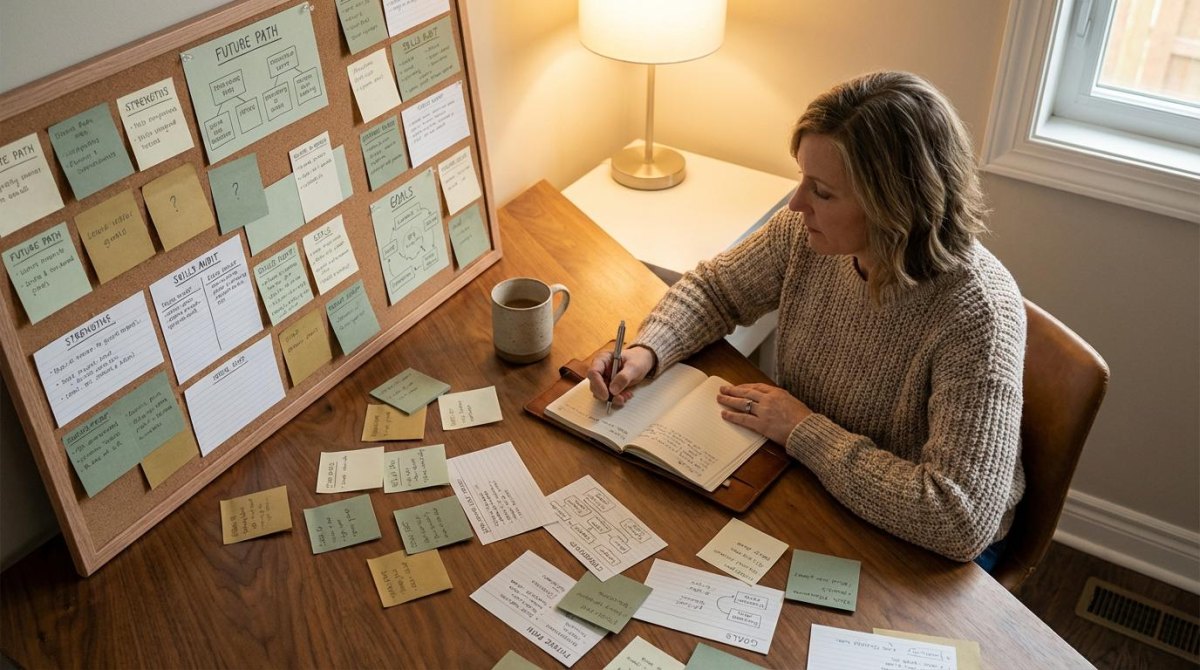
There is a difference between enjoying a daydream and repeatedly returning to the same idea. If you keep researching another field, imagining another schedule, or wondering what else you could do, I would not dismiss that curiosity.
When I changed direction professionally, I did not wake up with a perfect replacement career waiting. I started by exploring possibilities and testing what felt realistic. Career change research suggests many people successfully move into new paths, even when the transition feels intimidating at first.
Your Work Is Negatively Affecting Your Health and Well-Being

Work takes up too much of our lives to ignore what it does to our overall well-being. A stressful role can affect your evenings, relationships, sleep, and ability to enjoy ordinary parts of your day.
I am careful here because feeling stressed does not automatically mean you need to quit. It may mean you need boundaries, support, a workplace change, or a conversation with a qualified professional. The important thing is noticing the pattern of work-related strain.
Pay attention when
Your concerns feel persistent, severe, or increasingly difficult to manage. Lifestyle adjustments have limits, and some situations deserve support beyond personal problem-solving.
Signs of a healthier direction
- More sustainable energy
- Clearer boundaries
- A better fit with your life
Things to consider first
- Financial impact
- Training needs
- Transition timing
You Feel Excited About the Possibility of a New Career

Not every career change begins with escaping something. Sometimes the strongest sign is that another direction keeps making you feel more alive. That spark of interest matters, especially when it comes with a willingness to learn.
I like to separate excitement from impulse. A new career does not need to be a complete reinvention of yourself. Often, the most practical move is carrying your existing skills into a different environment.
Before making a major move
- Identify skills you already have
- Research the realities of the new field
- Consider the cost and time of training
- Try a small step before a big leap
Changing careers in midlife is not about proving you can become someone entirely new. For me, it has been about creating work that fits the life I actually have now, with all its responsibilities, preferences, and limits.





 Sleep & Insomnia Solutions13 Natural Ways to Get More Deep Sleep and Wake Up Feeling Rested
 Health & Wellness6 Simple Healthy Habits After 40 That Make Everyday Life Better
 Energy, Hormones & Stress ManagementMenopause und Nachtschweiß – 16 praktische Lösungen für ruhigere Nächte
 Energy, Hormones & Stress Management18 Natural Energy Boosters Without Caffeine That Fit Real Life