

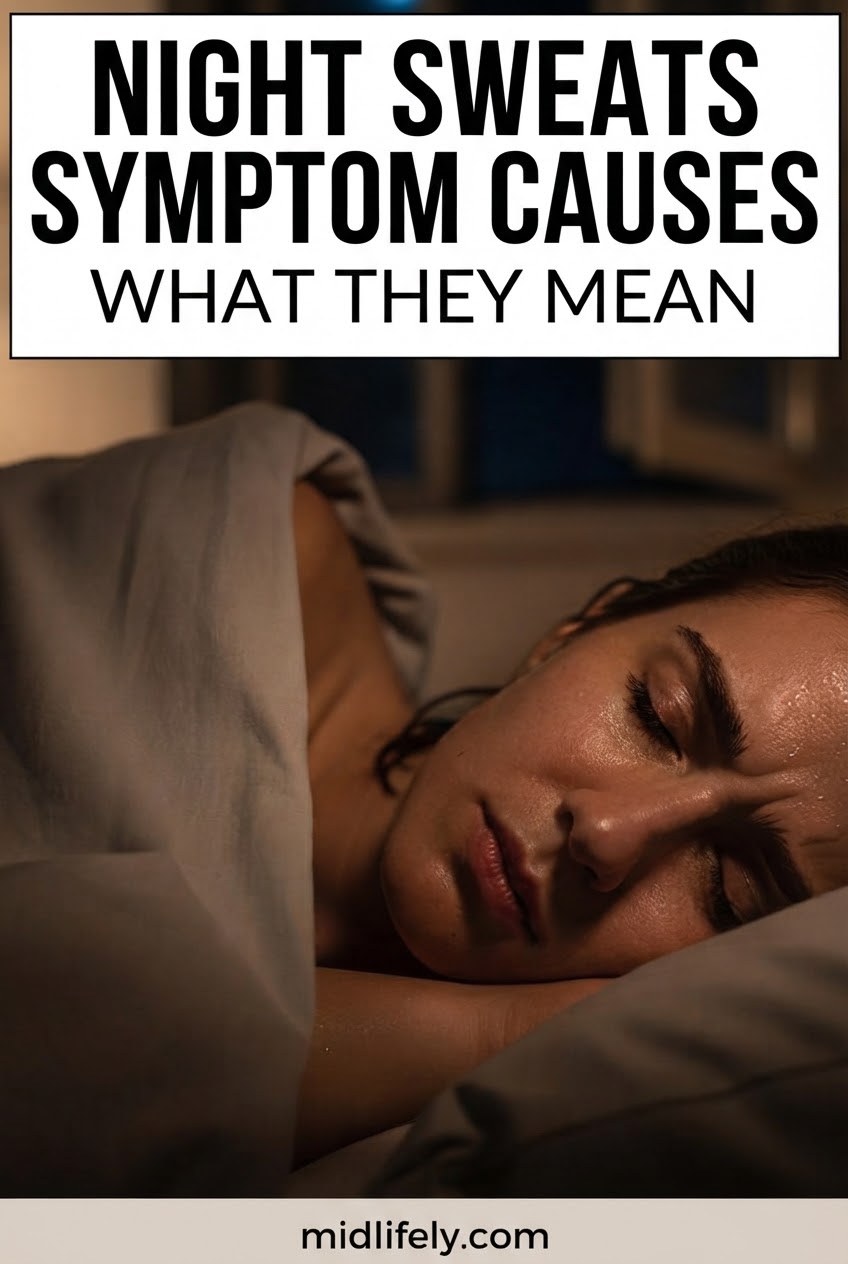
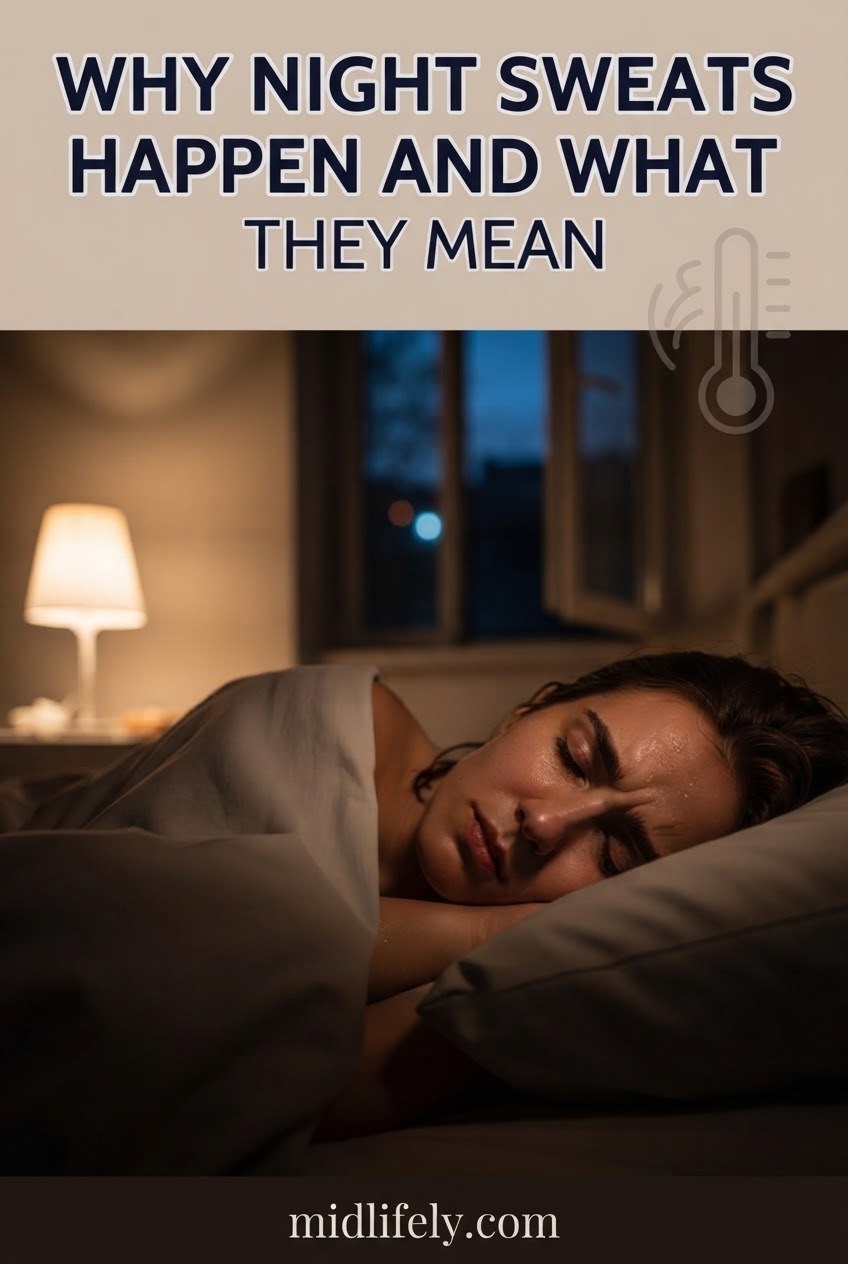
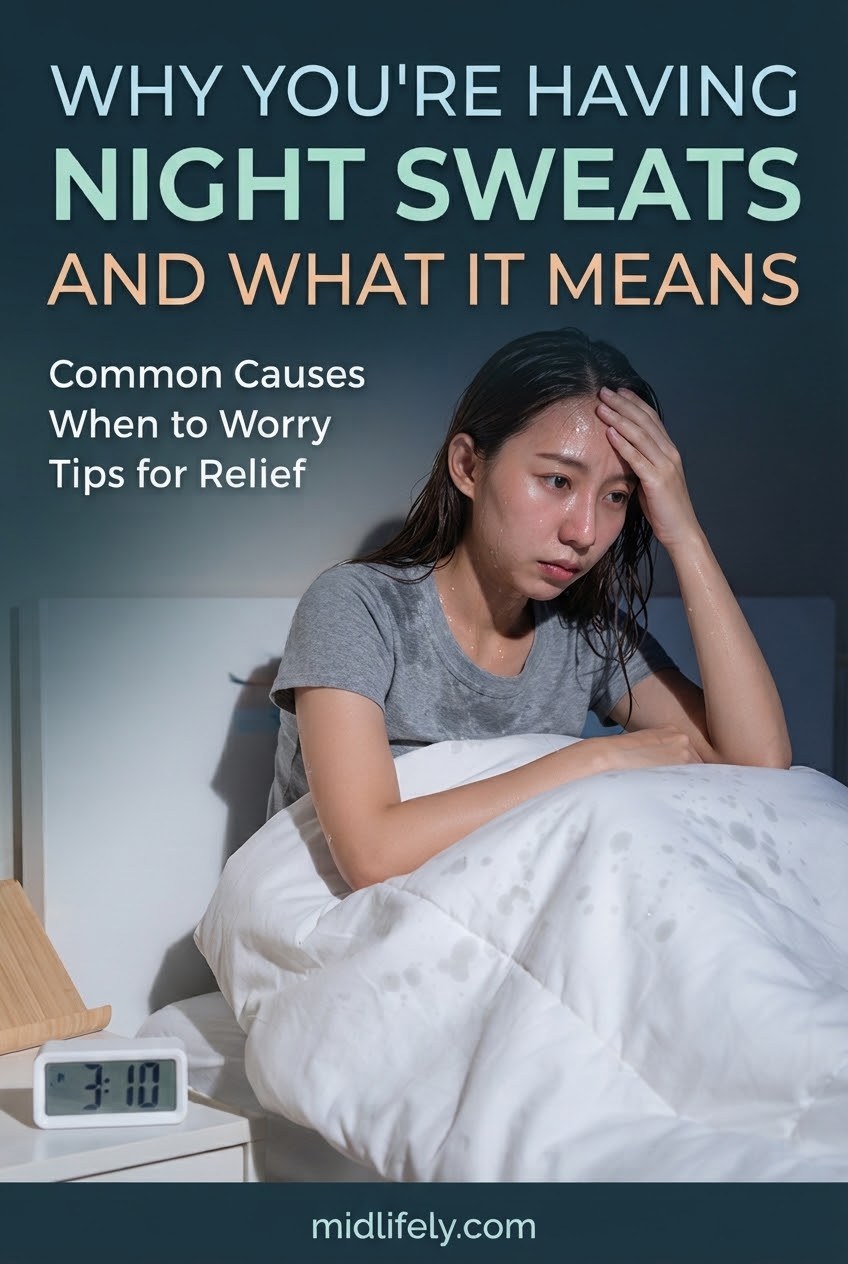
Waking up with damp sheets or feeling overheated in the middle of the night is one of those body changes that can make you wonder, “Is this just an annoying phase, or should I pay attention?” I have learned that midlife comes with plenty of unexpected signals, and night sweats can be one of them.
This article looks at possible causes of night sweats, including common lifestyle factors and health-related reasons. My own rule is simple: notice patterns, avoid panic searches at 2 a.m., and talk with a qualified healthcare professional when something feels persistent, severe, or unusual.
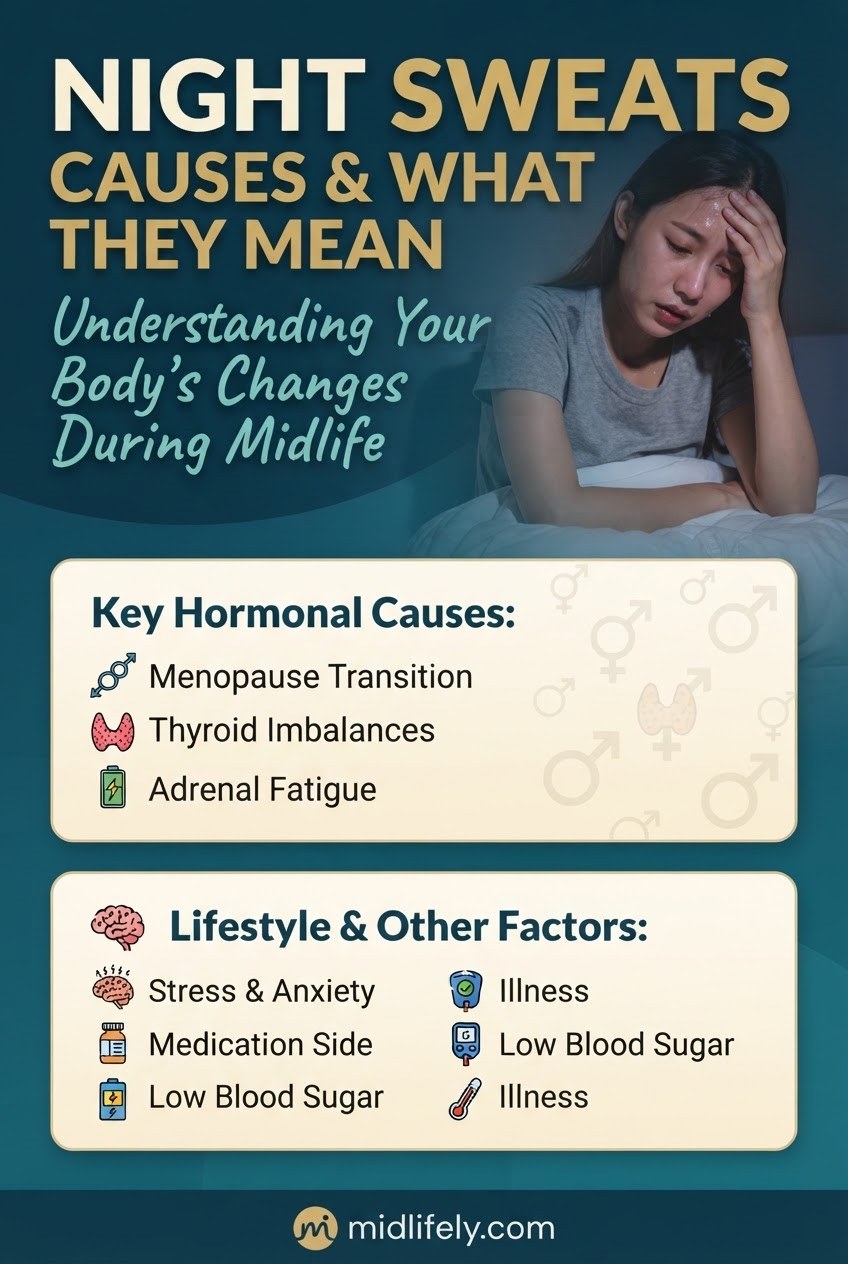
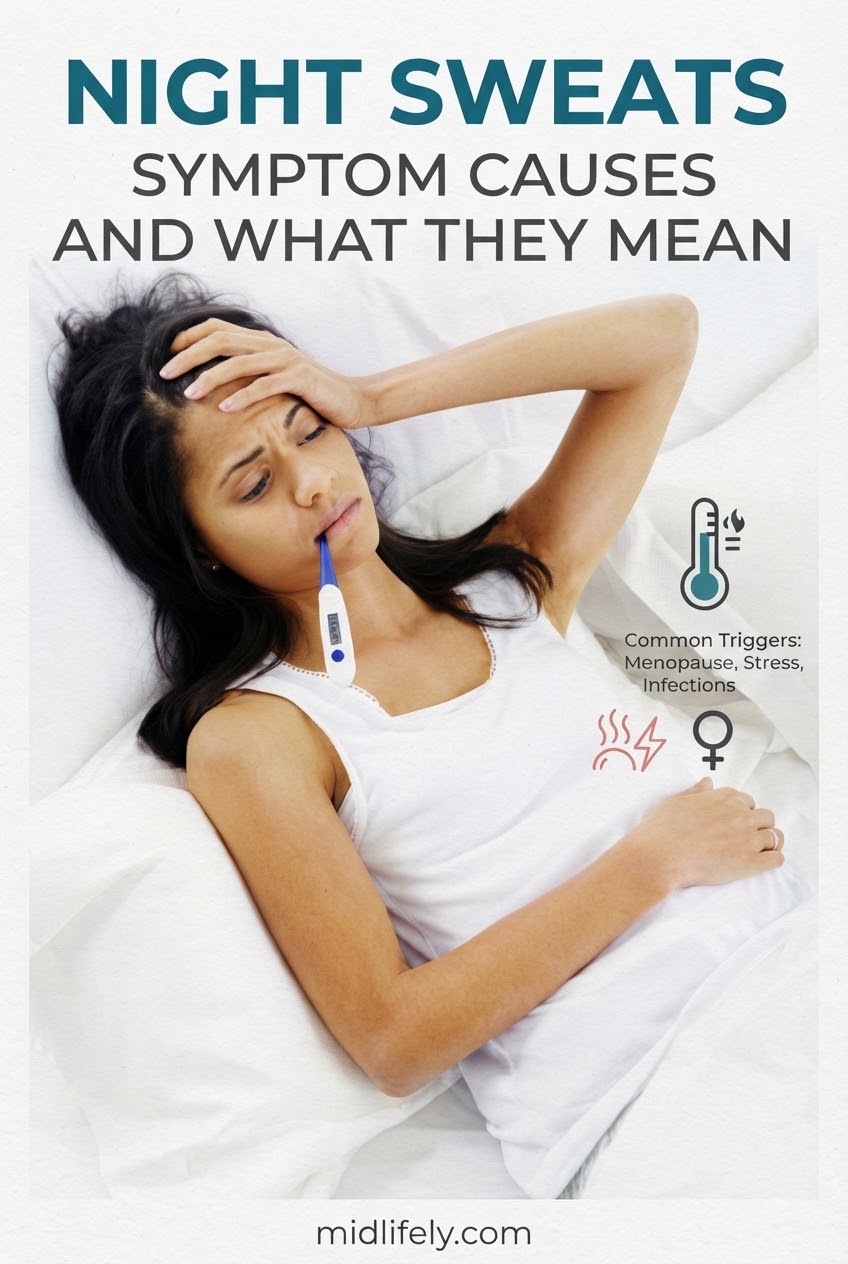
Common reasons night sweats can happen
- Hormonal changes can affect temperature regulation and sleep comfort.
- Infections, medications, stress, and sleep issues may also play a role.
- New or ongoing symptoms are worth discussing with a clinician.
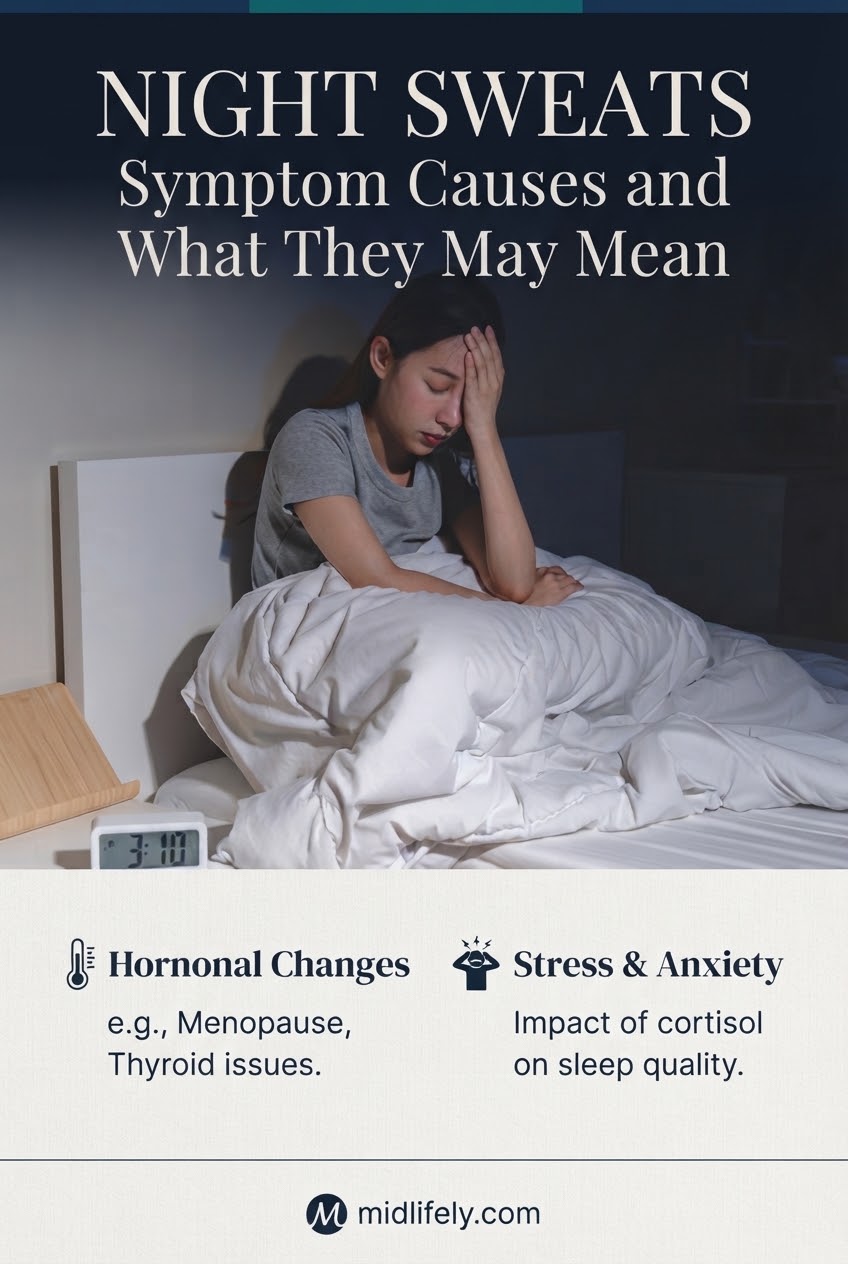
Hormonal Changes and Night Sweats
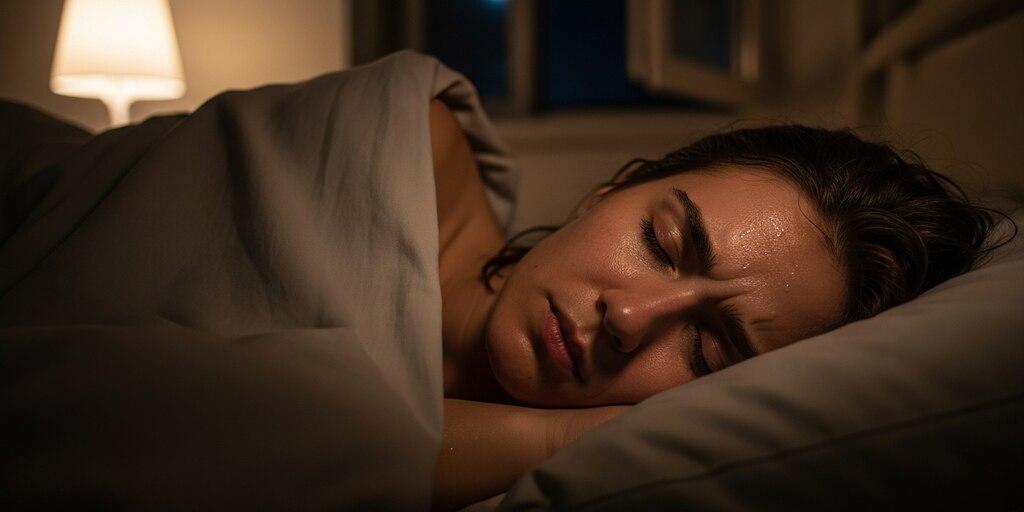
Hormonal shifts are one reason many women notice changes in sleep comfort during midlife. I have found that the hardest part is not always the symptom itself; it is the uncertainty of not knowing whether it deserves attention.
Changes related to hormones can affect temperature regulation, but a symptom like night sweats does not automatically point to one specific cause. Bodies are more complicated than a single checklist.
A practical step
Keep a simple note of when night sweats happen, what your evenings looked like, and any other changes you notice. A pattern can be more useful than a worried guess.
Infections That Can Cause Night Sweats
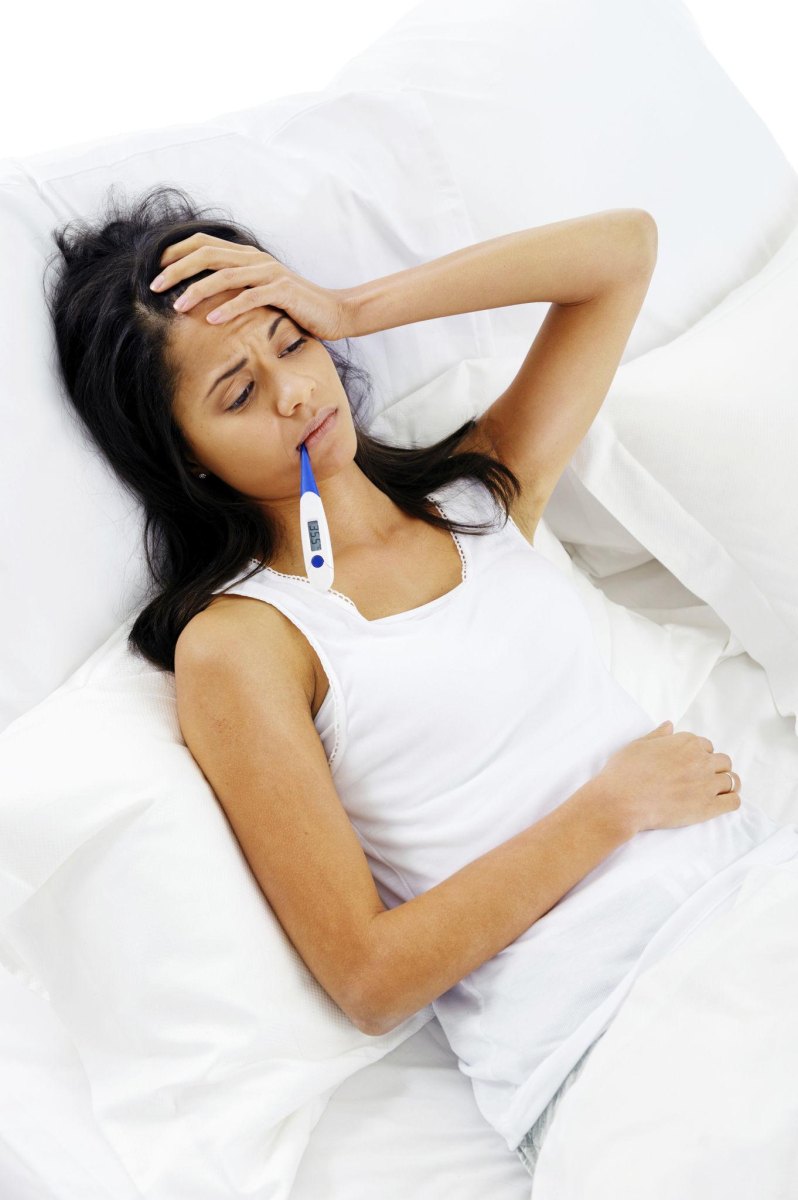
Night sweats can sometimes happen when the body is responding to an infection. Usually, there are other clues too, such as fever, feeling unwell, or changes that are difficult to ignore.
I try not to treat every warm night as a medical mystery, but I also do not believe in brushing off symptoms that continue or come with other concerning signs.
When to check in
If night sweats are new, severe, persistent, or happening alongside other symptoms that concern you, it is worth speaking with a healthcare professional.
Medications Linked to Night Sweating
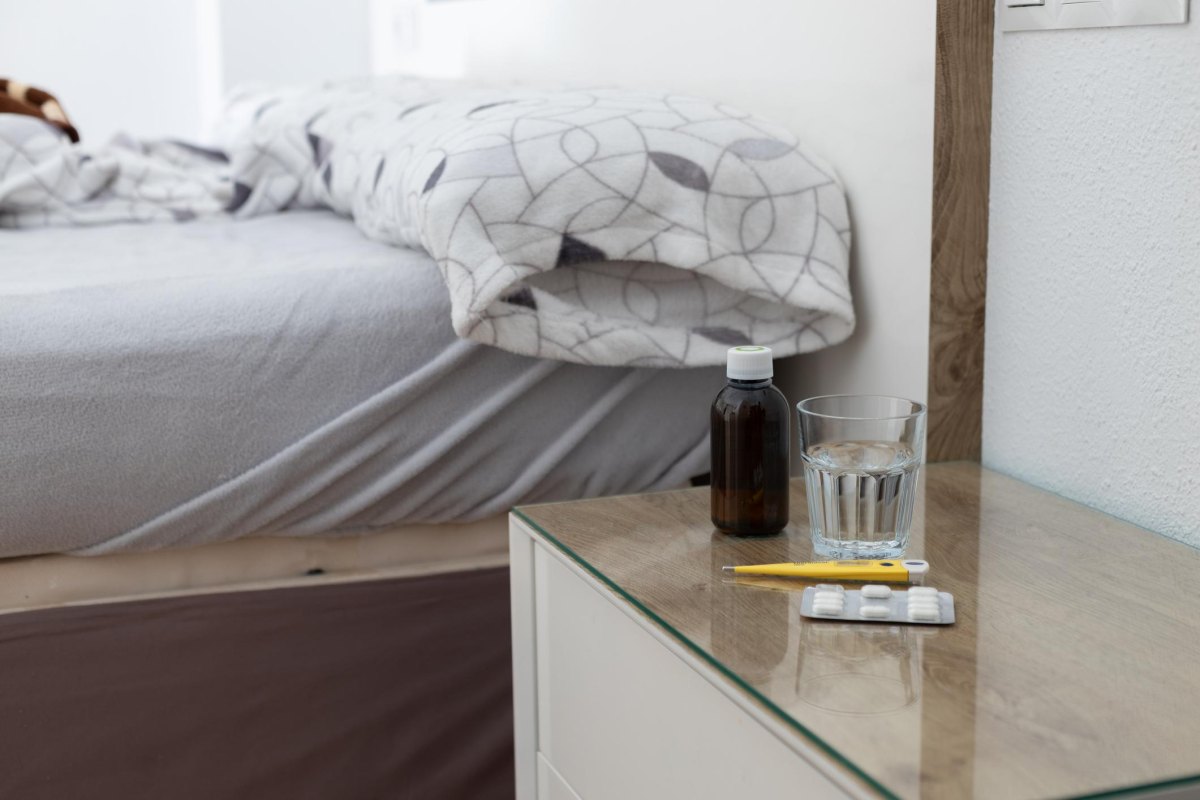
Medication changes are another possible piece of the puzzle. Sometimes a new prescription, a dose adjustment, or a combination of medications can affect how your body feels at night.
I am careful with this category because it is tempting to read a side-effect list and make changes on your own. That is exactly the sort of situation where a conversation with the person who prescribed the medication matters.
- Notice: Write down when symptoms started compared with any medication changes.
- Discuss: Ask a qualified healthcare professional whether your medication could be involved.
Stress, Anxiety, and Night Sweats
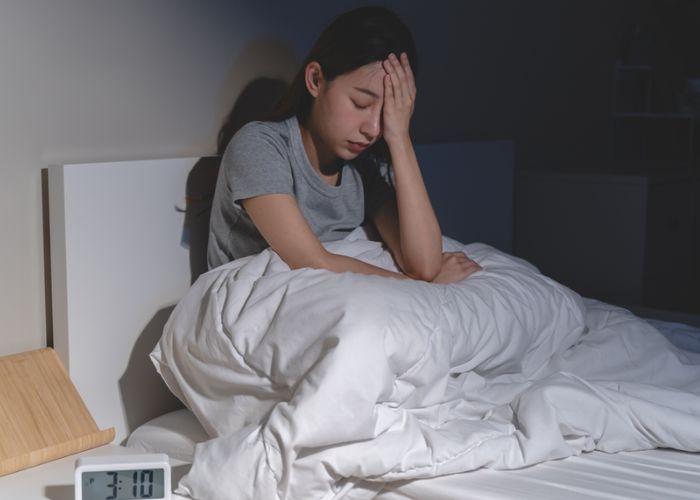
Stress has a way of showing up in inconvenient places. For me, it has never been a neat little appointment on the calendar. It tends to arrive when my brain decides midnight is the perfect time to review every unfinished task.
Stress and anxiety can affect sleep quality and may be connected with sweating episodes for some people. That does not mean every night sweat is “just stress.” It means the whole picture matters.
The low-energy version
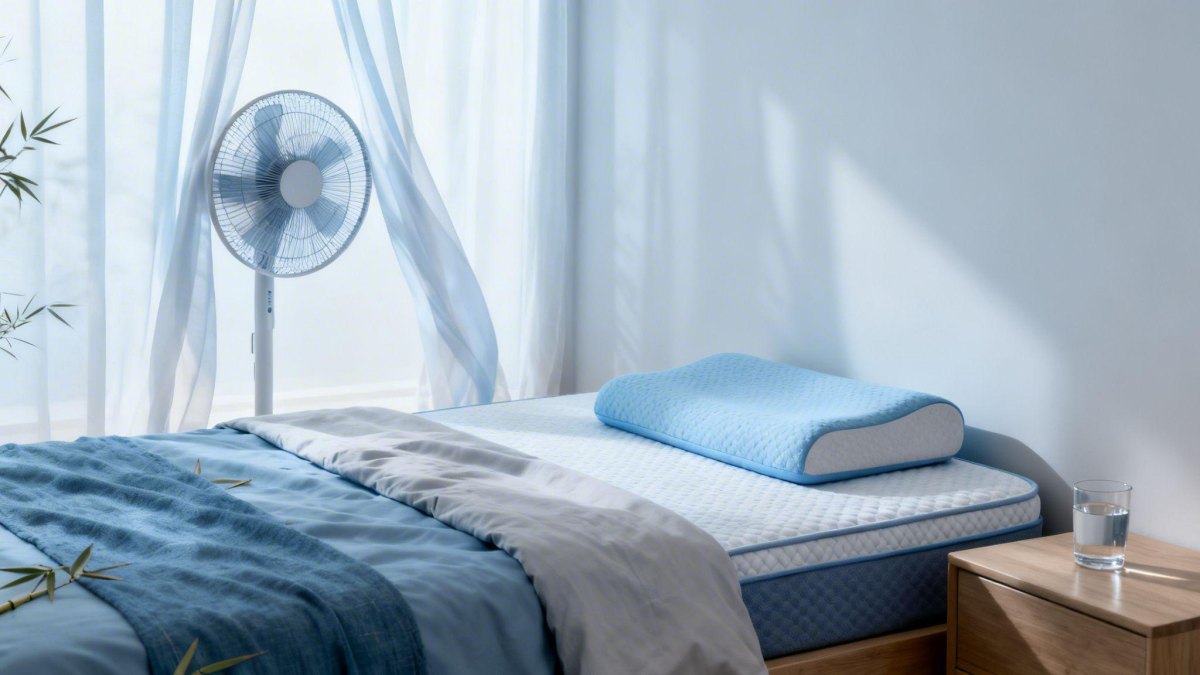
Before adding a complicated bedtime routine, try one small change: a cooler bedroom, a calmer final hour, or writing down tomorrow’s worries before bed.
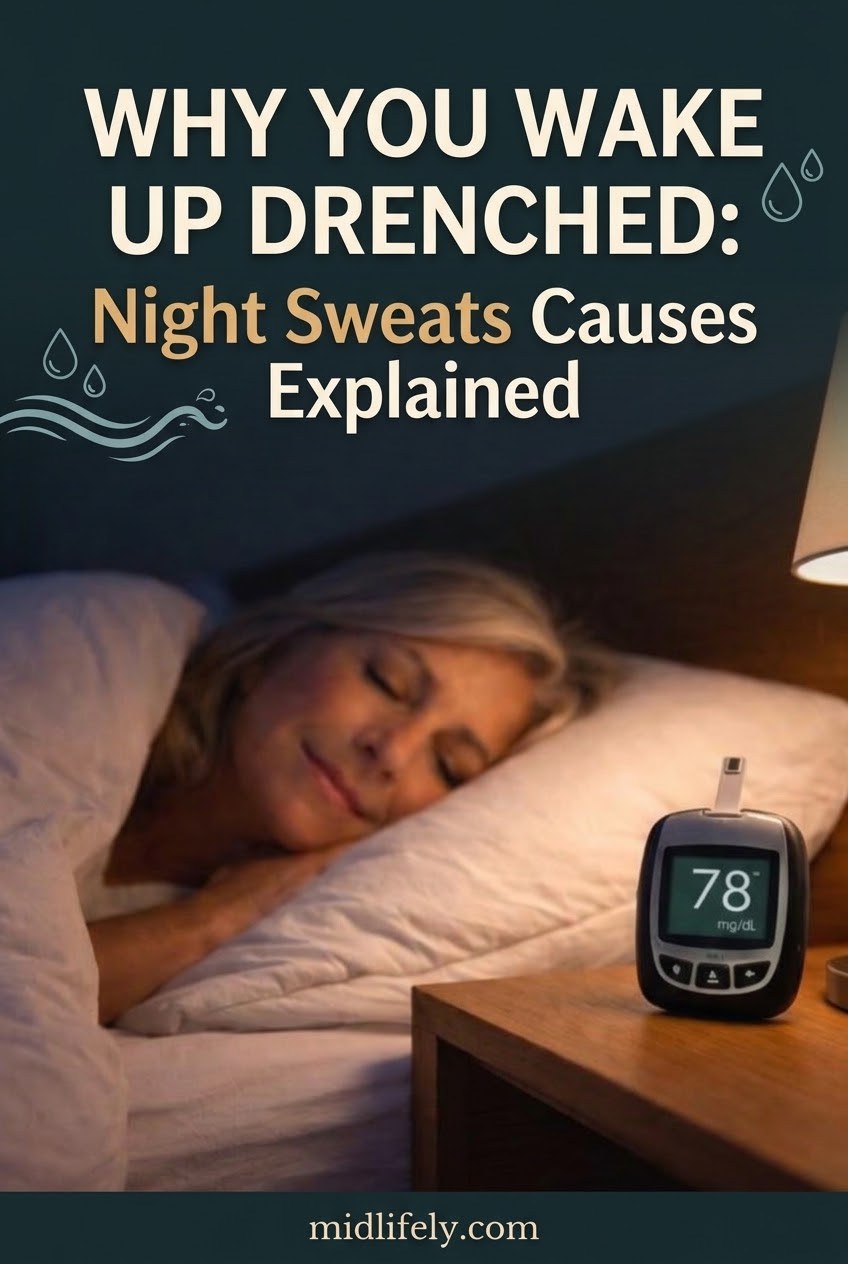
Low Blood Sugar and Night Sweating Episodes
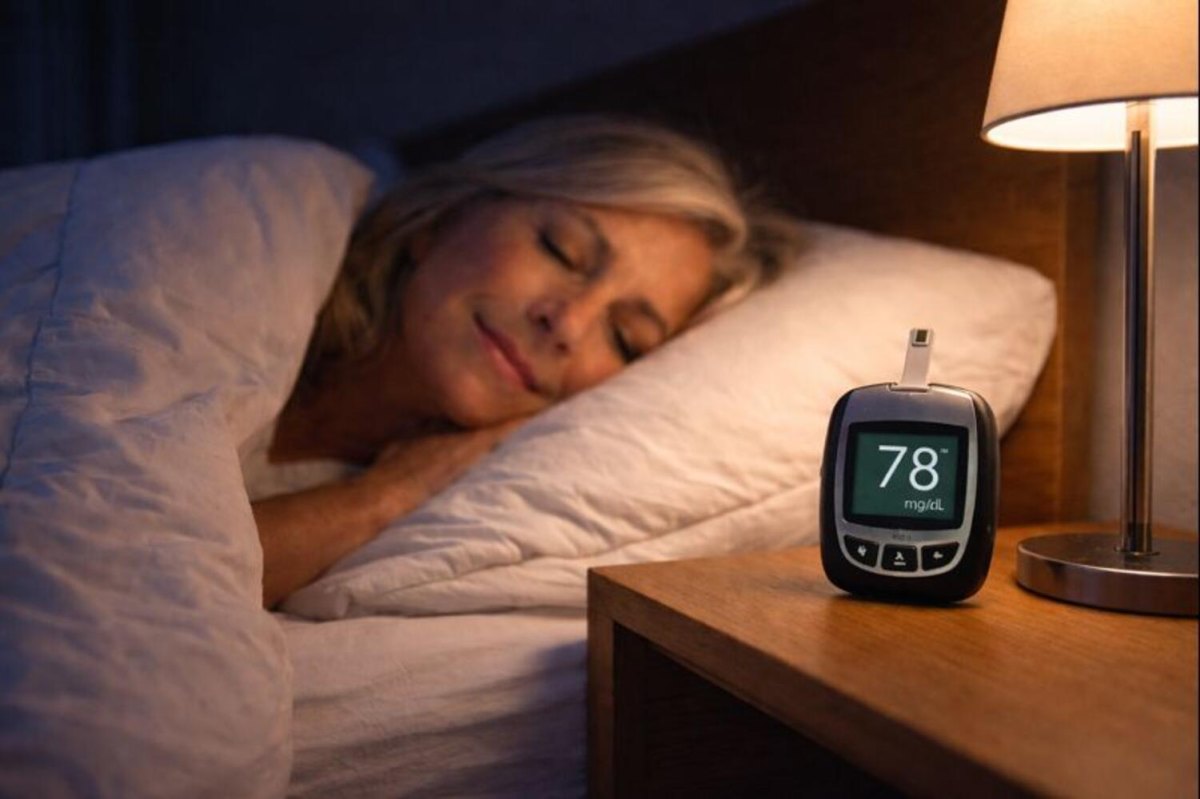
Night sweating can sometimes be connected with blood sugar changes, especially for people managing conditions that affect glucose levels. This is not something I would try to diagnose from a symptom alone.
If sweating episodes happen repeatedly, especially with other noticeable symptoms, keeping track of what is happening can give you better information to bring to a healthcare appointment.
A useful reminder
Your symptoms are information, not a diagnosis. The goal is to collect helpful details rather than jump to conclusions.
Sleep Disorders Associated With Night Sweats
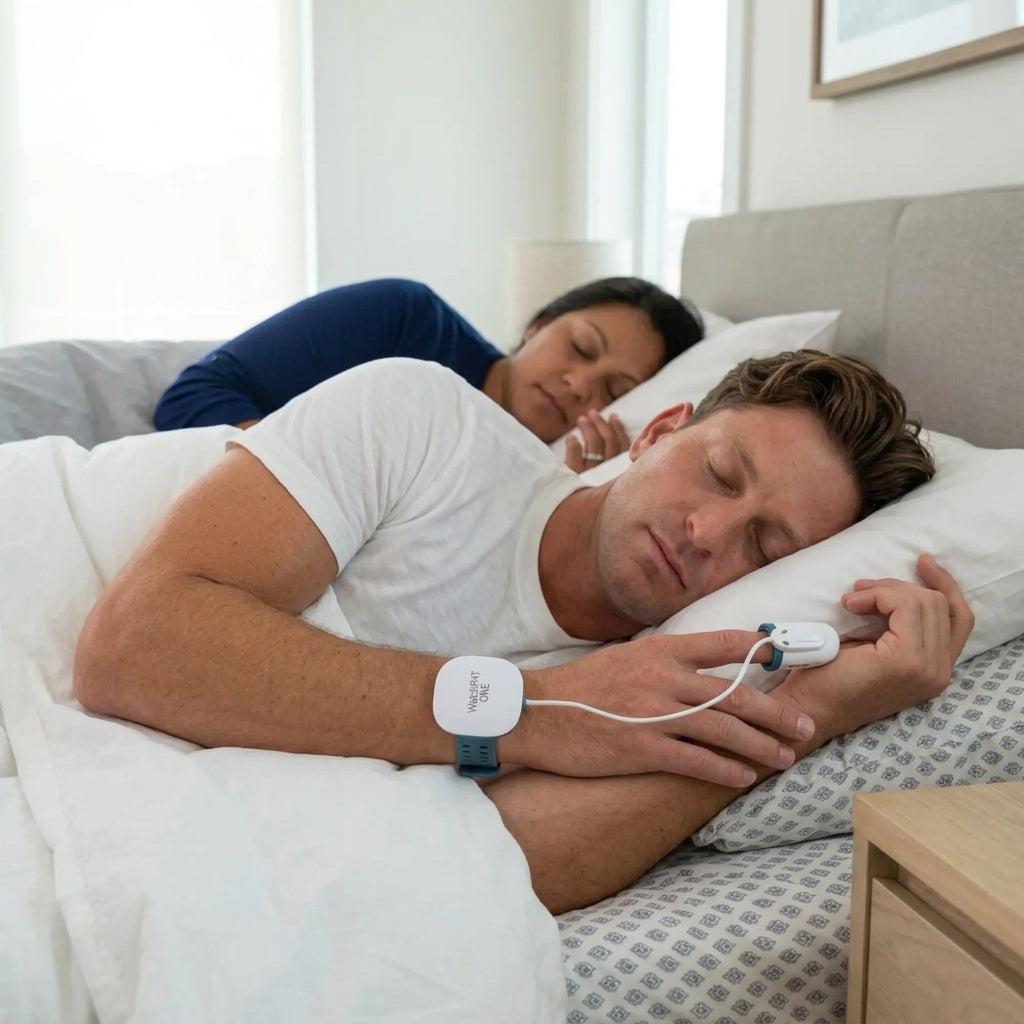
Sometimes the issue is not only sweating but what is happening during sleep. Disrupted sleep patterns, breathing-related sleep problems, or frequent waking can leave you noticing temperature changes more than before.
I spent years blaming my mattress for every bad night, which was a very convenient explanation because it meant I could shop instead of investigating my habits. Eventually, I learned that sleep is usually a bigger picture.
- Notice whether you wake up often or struggle to return to sleep.
- Pay attention to changes in your sleep quality, not only the sweating.
- Discuss ongoing sleep disruption with a qualified professional.
Cancer-Related Causes of Night Sweats

Night sweats are sometimes mentioned in connection with certain cancers, but a symptom by itself does not tell you what is happening. This is where internet searches can become less helpful than a proper conversation with a clinician.
I think the most useful approach is neither ignoring a persistent symptom nor assuming the worst. Context matters: how long it has been happening, what else is going on, and your overall health picture.
Are night sweats always a sign of a serious problem?
No. Night sweats can happen for many reasons, including everyday factors and temporary changes. Persistent or concerning symptoms should be discussed with a healthcare professional.
Should I track my night sweats?
A simple record of timing, frequency, and related symptoms can help you notice patterns and prepare for a medical conversation.
What is the first thing to do about recurring night sweats?
Start by noticing patterns and consider speaking with a qualified clinician if the symptom continues or worries you.
More Pinterest Visuals



 Sleep & Insomnia Solutions13 Natural Ways to Get More Deep Sleep and Wake Up Feeling Rested
 Health & Wellness6 Simple Healthy Habits After 40 That Make Everyday Life Better
 Energy, Hormones & Stress ManagementMenopause und Nachtschweiß – 16 praktische Lösungen für ruhigere Nächte
 Energy, Hormones & Stress Management18 Natural Energy Boosters Without Caffeine That Fit Real Life