

Making friends in your 50s can feel strangely similar to dating, except nobody tells you what to wear and everyone has a calendar full of appointments. I have found that the best friendships usually grow from small repeated moments, not one impressive social leap.
Social connection matters at every age. Research from public health organizations links meaningful relationships with better overall well-being, while loneliness and isolation can affect health. My goal is not to create a packed social calendar, but to help you find friendships worth your energy.
Join Local Clubs and Interest Groups
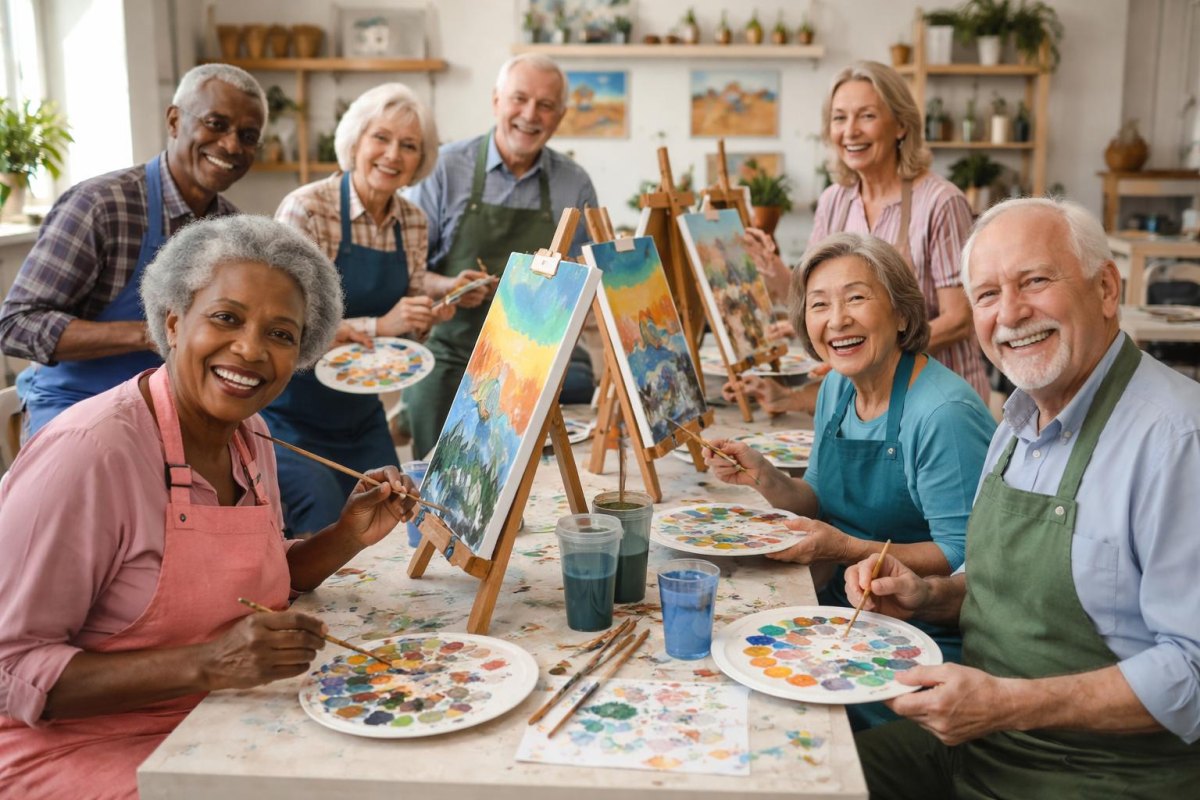
I have always liked the idea of joining a club more than actually walking into the first meeting. The trick is choosing something you genuinely enjoy, because shared interests create easier conversations.
A simple starting point
- Choose one activity you would attend even if friendship was not guaranteed.
- Give it a few visits before deciding whether it fits.
Book clubs, gardening groups, walking clubs, and community organizations can create natural opportunities to meet people.
Take Classes That Spark Conversation

A class works well because nobody has to invent a reason to talk. You already have a built-in conversation topic, whether you are learning pottery, cooking, painting, or technology.
I prefer classes with a little interaction over those where everyone quietly disappears afterward. The goal is not mastery; it is finding regular friendly faces.
Reconnect With Old Friends and Acquaintances
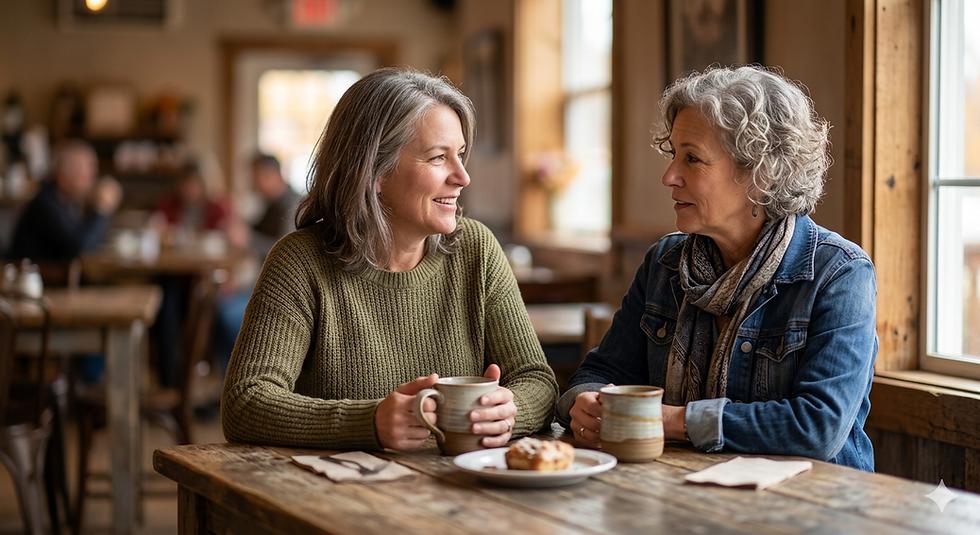
Sometimes making friends in your 50s starts with people you already know. I once spent far too long rewriting a simple coffee invitation when the message only needed to say, “Would you like to catch up?”
A low-pressure idea
Send one message this week to someone you have always liked but lost touch with.
Friendship does not always need a dramatic restart. Sometimes it needs a small opening.
Volunteer for Causes You Care About
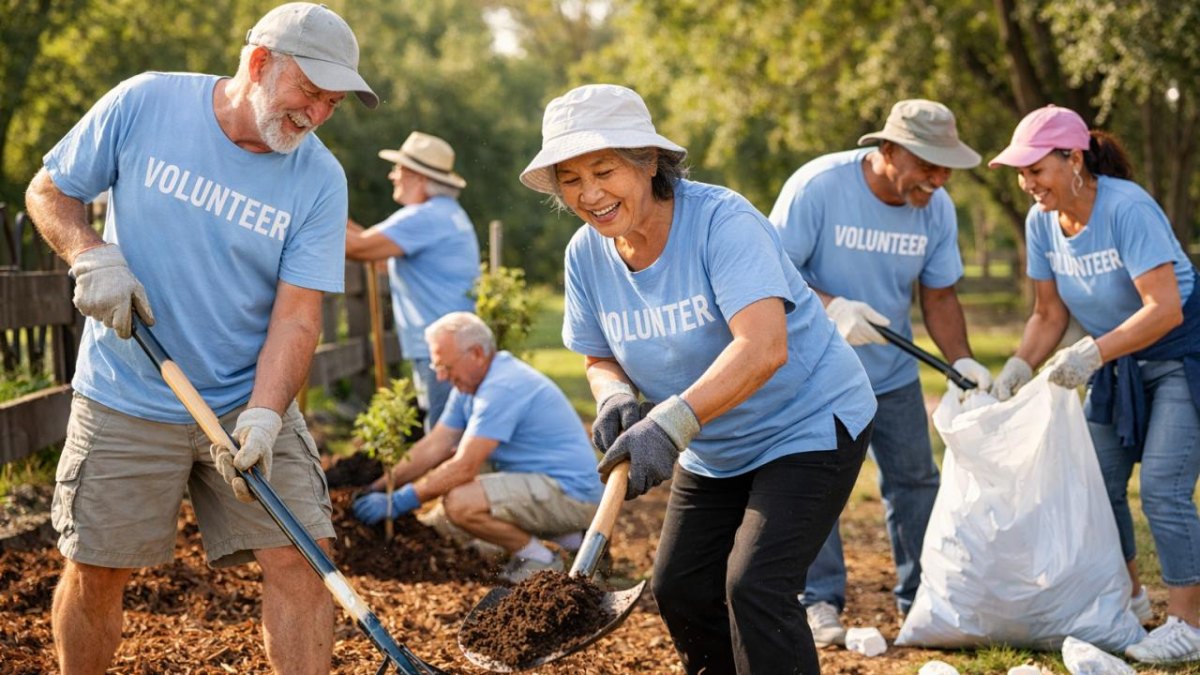
Volunteering appeals to me because the friendship part is often a pleasant side effect. You meet people while doing something that already matters to you.
Why it works
Shared purpose removes some of the awkwardness of meeting strangers and gives you a reason to return.
Community involvement and volunteering are often suggested as ways to build meaningful social ties.
Use Social Activities to Meet New People

Social activities are useful because friendship usually grows through repetition. One dinner rarely creates a close bond, but seeing the same people often can.
I look for activities that fit my real life rather than adding another exhausting obligation. A good friendship should add warmth, not another task list.
Explore Fitness Groups and Outdoor Activities

You do not need to become a marathon person to meet people through movement. A walking group, gentle exercise class, or outdoor club can create easy regular contact.
The best option is usually the one you will keep doing. A ten-minute walk with friendly company can be more valuable than a perfect fitness plan you abandon.
Attend Community Events and Neighborhood Gatherings
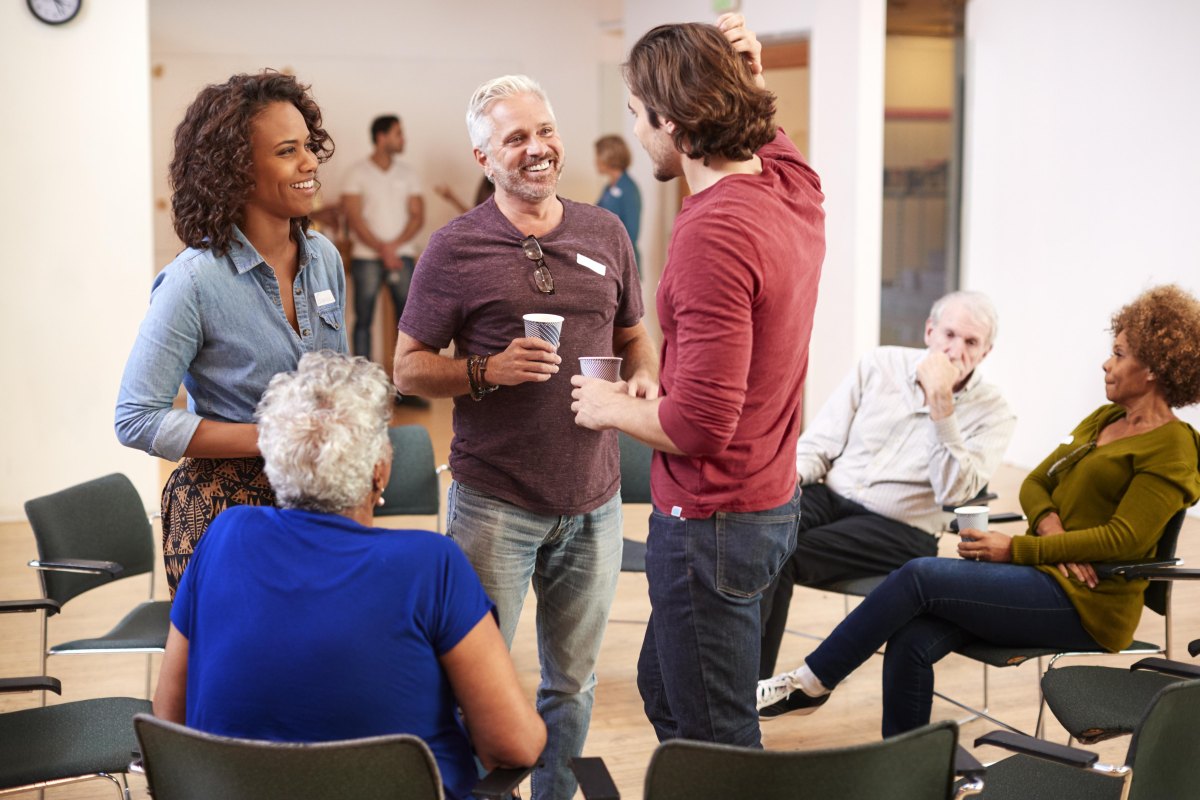
Neighborhood events can feel awkward at first, especially if you have spent years moving between work, errands, and home. Still, familiar places can become friendship starting points.
| Event | Conversation opener |
|---|---|
| Farmers market | Ask about a local favorite |
| Community fair | Comment on an activity |
You do not need to collect dozens of contacts. One comfortable conversation is enough.
Try Online Communities and Friendship Apps

Online friendships are not a replacement for every in-person connection, but they can help when schedules, moves, or circumstances make meeting difficult. Digital groups can create new possibilities for connection.
I recommend treating online communities like a first conversation, not an instant friendship. Give trust and closeness time to develop.
Host Small Gatherings at Home

Hosting does not need to mean a spotless house and a complicated menu. I have learned that people remember the conversation, not whether the snacks looked like a magazine photo.
A common mistake
Waiting until everything is perfect can keep you from inviting people at all.
A simple coffee or casual meal can create a comfortable friendship space.
Travel With Groups That Share Your Interests
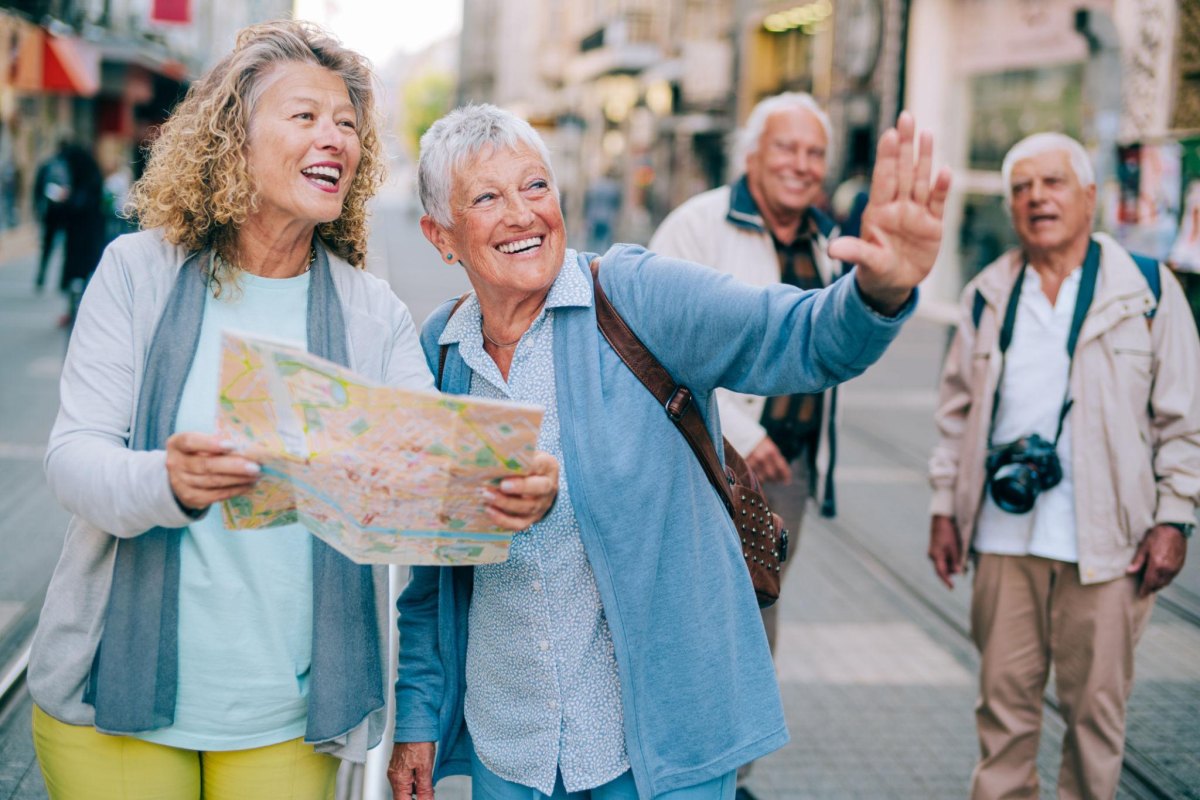
Group travel works best when the trip itself interests you. Otherwise you may return with beautiful photos and very little connection.
I like the idea of shared experiences because they give people stories to discuss later. Look for interest-based travel groups rather than simply choosing any tour.
Build Friendships Through Shared Hobbies
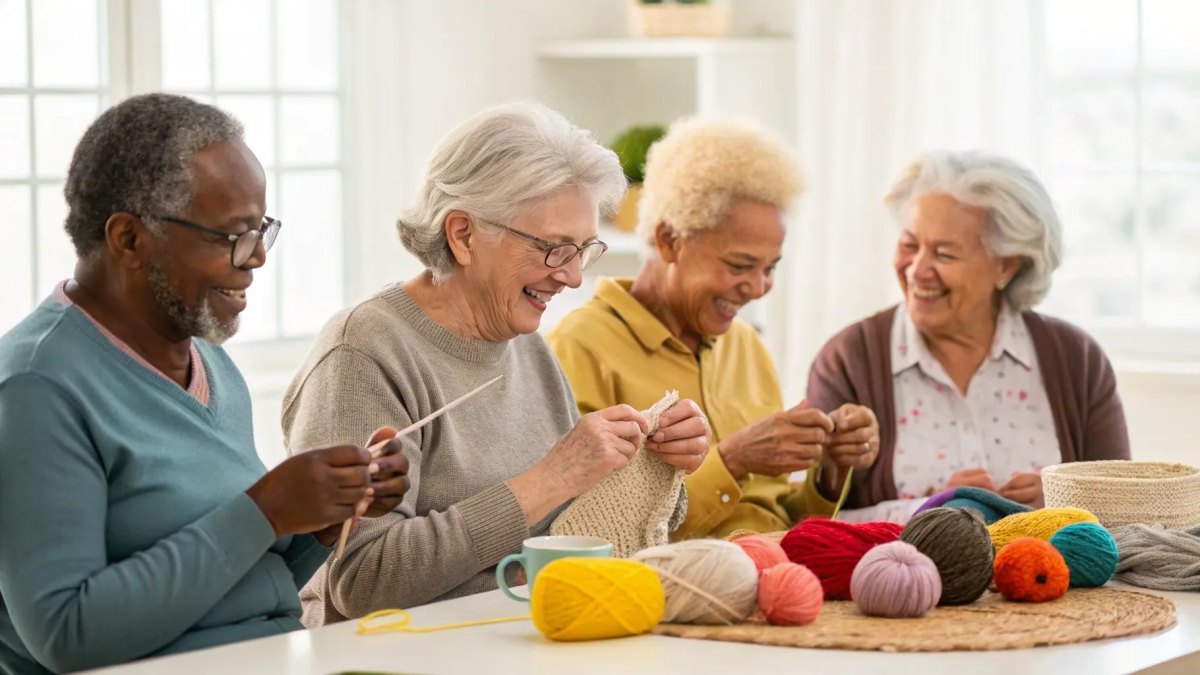
Hobbies create friendship because they remove the pressure of constant conversation. You can talk about knitting, books, plants, music, or cooking while slowly learning about each other.
The best hobby is the one that feels enjoyable on an ordinary Tuesday, not just the one that sounds impressive. Choose something you will return to.
Be Open to Different Types of Friendships

One thing I appreciate now is that friendships do not all need the same shape. Some people become coffee friends, walking friends, creative friends, or the person you call when life gets complicated.
Flexible friendships offer
- Less pressure
- More room for different personalities
Watch for
- Relationships that feel one-sided
- Constant exhaustion
Practice Starting Meaningful Conversations

The first conversation is usually the hardest part. I have found that simple questions work better than trying to be fascinating. Ask about something real and listen.
Friendship often begins with ordinary moments.
Maintain New Friendships With Regular Contact

New friendships usually need a little care. I do not mean constant texting or elaborate plans. A recurring walk or monthly coffee can be enough to create a reliable connection.
The hardest part is often accepting that adult friendship requires someone to make the first move more than once.
Embrace New Experiences With Confidence

Starting over socially in your 50s can feel uncomfortable because we are often used to already knowing our people. But discomfort is not always a sign that something is wrong; sometimes it is simply the beginning stage.
Small, meaningful connections can grow when we give them time and attention.
Dana’s friendship reminderYou do not need a complete social reinvention. Start with one place, one invitation, or one conversation that feels manageable.



 Sleep & Insomnia Solutions13 Natural Ways to Get More Deep Sleep and Wake Up Feeling Rested
 Health & Wellness6 Simple Healthy Habits After 40 That Make Everyday Life Better
 Energy, Hormones & Stress ManagementMenopause und Nachtschweiß – 16 praktische Lösungen für ruhigere Nächte
 Energy, Hormones & Stress Management18 Natural Energy Boosters Without Caffeine That Fit Real Life