

Somewhere in midlife, I think many of us start noticing that the routines we once managed without much thought need a little adjusting. Energy can feel less predictable, sleep may become more complicated, and squeezing healthy habits into an already full day can seem like another job nobody asked us to do.
I've become much more interested in small, sustainable habits than dramatic health overhauls. I don't want a morning routine that takes an hour or a kitchen full of expensive wellness products. I want habits that fit into an ordinary Tuesday and still make sense six months later.
The good news is that looking after yourself after 40 doesn't require changing everything at once. A few consistent choices around food, movement, hydration, sleep, strength, and stress can support your overall well-being. Here are six practical places I'd start, with a simpler version for days when motivation is nowhere to be found.
Start Your Day with a Nutritious Breakfast
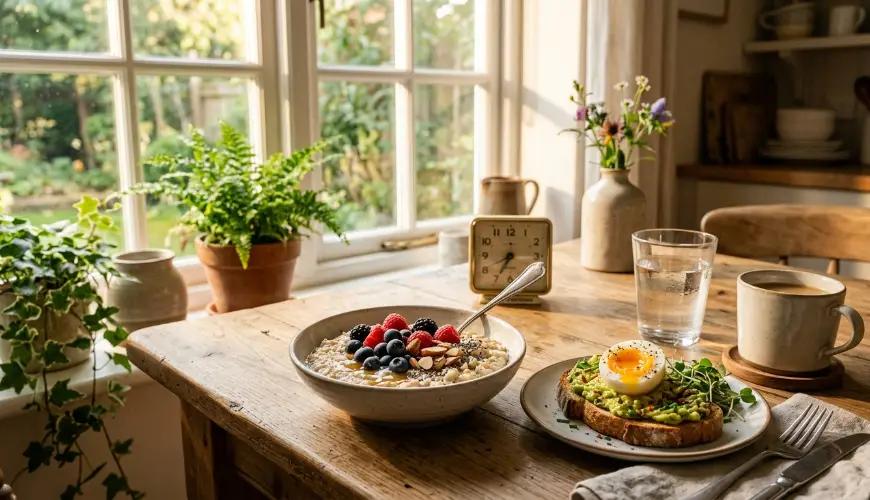
I'm not particularly interested in turning breakfast into a complicated production. Some mornings I have time to prepare something properly, and others I'm simply trying to find my glasses before the coffee gets cold. What matters more is making breakfast nutritious and satisfying rather than relying on whatever happens to be easiest.
Current dietary guidance from the CDC encourages a varied eating pattern that includes protein foods, fruits, vegetables, whole grains, and healthy fats. These foods can provide a useful foundation for everyday meals. You can read more in the CDC's healthy eating guidance.
I like breakfast combinations that don't require much planning. Eggs on whole-grain toast, oatmeal with berries and nuts, or plain yogurt with fruit are all straightforward options. Adding a source of protein and some fiber can make breakfast more substantial without requiring a special recipe.
Another useful change is preparing one or two things the evening before. I might wash some berries, portion out oats, or make sure there's bread in the freezer. These tiny preparations remove a surprising amount of morning decision-making.
My low-effort breakfast is plain yogurt with fruit and a handful of nuts. It takes very little time, involves almost no washing up, and doesn't require me to become a different person before 8 a.m.
- Include a protein source such as eggs, yogurt, or beans.
- Add fruit for variety and fiber.
- Choose whole grains when they suit your preferences.
- Keep a few convenient breakfast ingredients available.
There is no need to force breakfast if your appetite or schedule is different. Find an eating pattern that works with your day and any individual nutritional needs.
Make Daily Movement a Priority

I've found that movement is much easier to maintain when I stop thinking of it as a separate fitness project. A walk, a few errands on foot, taking the stairs, or getting outside between work sessions can all become part of an ordinary day. The aim is to make regular movement part of daily life, not another appointment to feel guilty about missing.
The CDC's adult physical activity guidance recommends at least 150 minutes of moderate-intensity aerobic activity each week, alongside muscle-strengthening activities on two days. That might sound like a lot if you're starting from very little, but the minutes can be divided into manageable sessions. The CDC also emphasizes that some activity is better than none. See its guide to adding physical activity as an adult.
Brisk walking is one of my favorite starting points because it requires very little equipment. Comfortable shoes, a safe route, and a little time are generally enough. I also like that walking can serve more than one purpose. It gets me outside, gives me a break from a screen, and creates a natural transition between work and the rest of the day.
Try attaching movement to something you already do. Walk after lunch, take a short stroll after dinner, or get off the bus one stop earlier if that works for your circumstances. A routine becomes easier when it doesn't require rebuilding your entire schedule.
On low-energy days, start with ten minutes at a comfortable pace. You don't need to turn every walk into a workout, and you can gradually increase your activity as your fitness and confidence allow.
A practical reminder
Consistency matters more than an impressive first week. Choose movement you enjoy enough to repeat, and adapt it to your abilities and health needs.
Stay Hydrated Throughout the Day

Drinking enough water is one of those habits that sounds almost too obvious to mention. Yet it's surprisingly easy to spend several hours working, running errands, or looking after everyone else before realizing you've barely had a drink. I find that making water easy to reach works much better than relying on reminders and good intentions.
Water supports normal body functions, helps regulate temperature, and helps prevent dehydration. According to the CDC, dehydration can contribute to unclear thinking, mood changes, overheating, and constipation. The amount of fluid someone needs varies with factors such as age, activity, climate, and individual circumstances. Its water and healthier drinks guidance explains the basics.
I keep a reusable water bottle where I work and another glass near the kitchen sink. It's not an elaborate hydration system. It's simply a way of making the convenient choice the obvious one.
Plain water is a perfectly good option, but you can also get fluids from other beverages and foods. If you prefer a little flavor, add lemon, cucumber, or mint. Foods such as watermelon, oranges, and cucumber also contribute to fluid intake.
One thing I wouldn't do is turn hydration into a competition. You don't need to force yourself to drink enormous quantities or follow a rigid internet water challenge. Your individual fluid needs matter, and some medical conditions require specific fluid guidance.
- At breakfast: Have a glass of water alongside your usual morning drink.
- During work: Keep a refillable bottle within easy reach.
- At lunch: Make water the usual drink at the table.
- During exercise: Pay attention to fluid needs, especially in hot weather.
The simplest version is to put a glass of water somewhere you'll see it. Sometimes a habit needs better placement, not more discipline.
Prioritize Quality Sleep Every Night

Sleep is one area where I have learned not to assume that trying harder will automatically solve the problem. You can have a tidy bedroom, a sensible bedtime, and a very strong opinion about your pillows and still have an unexpectedly restless night. Midlife sleep can be frustrating, particularly when you have responsibilities waiting for you the next morning.
According to the CDC, adults aged 18 to 60 should generally aim for at least seven hours of sleep each night. Sleep quality matters too. The CDC recommends maintaining a consistent sleep schedule and speaking with a healthcare professional when sleep problems persist. Its sleep guidance provides further information.
Rather than creating a lengthy evening ritual, I would begin with a few manageable adjustments. Try keeping your bedtime and wake-up time reasonably consistent, making your bedroom comfortable and quiet, and allowing yourself some time to wind down before bed.
It can also help to notice how caffeine, alcohol, late meals, evening screen use, and daytime activity affect your own sleep. You don't have to change everything simultaneously. Experiment with one adjustment at a time so you can tell whether it makes a difference.
A simpler evening routine might involve putting your phone aside, preparing tomorrow's essentials, dimming the lights, and reading a few pages of a book. Nothing expensive, and no elaborate collection of sleep accessories required.
When a routine isn't enough
Persistent sleep difficulties, significant daytime tiredness, or worsening sleep problems deserve a conversation with a qualified healthcare professional. Don't assume every sleep change is simply part of getting older or something you must tolerate.
My biggest takeaway is to stop treating sleep as another performance target. Create supportive conditions, give yourself a reasonable opportunity to rest, and seek help when the problem needs more than lifestyle adjustments.
Build Strength with Regular Exercise
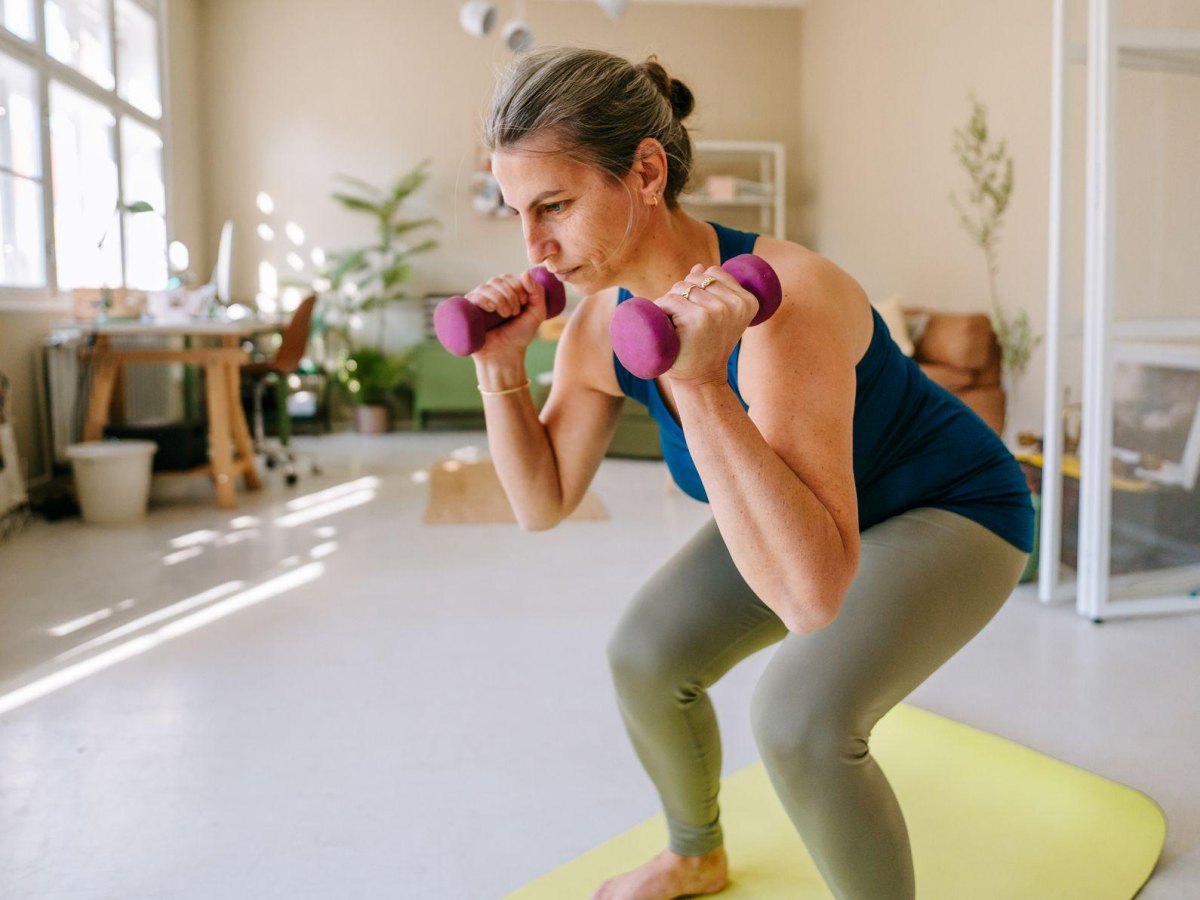
Walking is wonderful, but I wouldn't rely on walking alone as my entire approach to exercise. Strength training deserves a place in a balanced routine, particularly because everyday life asks quite a lot of our muscles. Carrying groceries, lifting luggage, moving furniture, and getting up from the floor are all ordinary tasks that benefit from physical strength.
The World Health Organization recommends that adults aged 18 to 64 undertake muscle-strengthening activities involving the major muscle groups on at least two days each week. Its physical activity recommendations also include regular aerobic activity. These are general guidelines, not a requirement to start with an ambitious gym schedule.
You can begin with simple exercises such as chair squats, wall push-ups, resistance-band movements, and appropriately selected dumbbell exercises. The important thing is to use movements that suit your current fitness level and can be performed with good technique.
I would rather see someone establish a manageable strength routine than buy an expensive collection of equipment that eventually becomes part of the spare-room furniture. A few suitable resistance bands or a pair of manageable weights may be enough to get started. Body-weight exercises can also be useful.
Start with a realistic schedule. Two short sessions each week can be a reasonable starting point, with exercises covering different major muscle groups. Increase the challenge gradually rather than attempting to make up for years of inactivity in a single weekend.
- Choose your starting point. Begin with comfortable body-weight movements or light resistance.
- Learn the technique. Use reliable instruction or work with a qualified fitness professional if you need guidance.
- Schedule two sessions. Choose days that fit your existing routine.
- Progress gradually. Increase resistance or repetitions as your ability improves.
- Allow recovery. Give working muscles time to recover between challenging sessions.
If you have an existing injury, health condition, significant pain, or concerns about exercising safely, ask a qualified healthcare professional for appropriate guidance before starting.
The goal isn't to lift the heaviest weights in the room. It's to develop useful everyday strength that supports the activities you want to keep doing.
Manage Stress and Make Time for Yourself

One thing I've noticed about busy midlife routines is how easily personal time becomes the item that gets pushed to tomorrow. Work needs attention, family arrangements need sorting, the house needs something, and there is always another message to answer. Before long, an entire week can pass without much time that genuinely belongs to you.
Managing stress doesn't mean eliminating every difficult situation. That's not realistic. The CDC explains that occasional stress is part of life, while long-term stress can contribute to worsening health problems. Its stress management guidance suggests practical approaches such as spending time outdoors, keeping a journal, doing enjoyable relaxing activities, and connecting with people you trust.
I particularly like the idea of building small pauses into an existing day. A quiet cup of tea without checking email, a walk around the neighborhood, or ten minutes reading in a comfortable chair can provide a little breathing room. These moments don't solve every problem, but they can make a busy day feel less relentless.
I'd also give friendships some attention. A short conversation with someone you trust can be a welcome change from the usual cycle of work and household responsibilities. Sometimes a recurring walk or coffee date is easier to maintain than trying to organize a complicated evening out.
Protecting a little personal time may also mean saying no to something that doesn't genuinely need your attention. You don't have to be available to everyone every minute. A reasonable boundary around work messages or household responsibilities can create space for rest and activities you enjoy.
Here are a few low-maintenance ideas worth trying:
- Spend ten minutes outdoors without multitasking.
- Read something enjoyable instead of scrolling automatically.
- Make one regular plan with a friend.
- Write down the tasks occupying your mind before bedtime.
- Choose one evening activity you can comfortably decline.
- Keep a small amount of time in your weekly calendar for yourself.
I also think it's important to recognize when ordinary stress-management habits aren't enough. If emotional distress becomes persistent or significantly affects daily life, speaking with a qualified mental-health professional or healthcare provider is a sensible step. Relaxation routines are not a replacement for professional support.
You don't need to fill every spare moment with self-improvement. Sometimes the healthiest choice is to leave an hour unplanned, enjoy your own company, and let the day be finished.

 Sleep & Insomnia Solutions13 Natural Ways to Get More Deep Sleep and Wake Up Feeling Rested
 Energy, Hormones & Stress ManagementMenopause und Nachtschweiß – 16 praktische Lösungen für ruhigere Nächte
 Energy, Hormones & Stress Management18 Natural Energy Boosters Without Caffeine That Fit Real Life
 Sleep & Insomnia Solutions17 Practical Menopause Sleep Improvement Tips for Better Nights