
 23.10.2026
Some mornings, I wake up ready to get on with the day. On others, even the thought of making a sensible breakfast feels like an ambitious undertaking. Midlife energy can be unpredictable, and reaching for another caffeinated drink is not always what I want to do.
The good news is that natural ways to support energy do not have to involve a complete lifestyle overhaul. Hydration, sleep, regular meals, movement, and a few small changes to your surroundings can all play a useful part in helping you feel more alert.
What I would try first
- Drink water and eat a balanced meal or snack.
- Get outside for a little daylight and gentle movement.
- Protect your sleep rather than trying to compensate for every tired morning.
- Keep changes simple enough to repeat on an ordinary weekday.
These ideas are about supporting everyday wellbeing, not promising instant energy or treating unexplained fatigue. I have included the research behind each suggestion, along with practical ways to make it fit into real life.
Stay Hydrated
When I feel sluggish, I start with the simplest question: have I had anything to drink lately? Dehydration can contribute to tiredness, headaches, dizziness, and difficulty thinking clearly. Water will not solve every energy dip, but drinking enough fluids helps your body function normally.
I keep water somewhere I can see it rather than relying on remembering to fetch a glass when I am already busy. Drink regularly throughout the day, adjusting for heat, exercise, illness, and your individual needs. The CDC's water and health guidance explains why adequate hydration matters. My low-effort version is a glass of water with breakfast and another when I sit down to work.
Get Quality Sleep
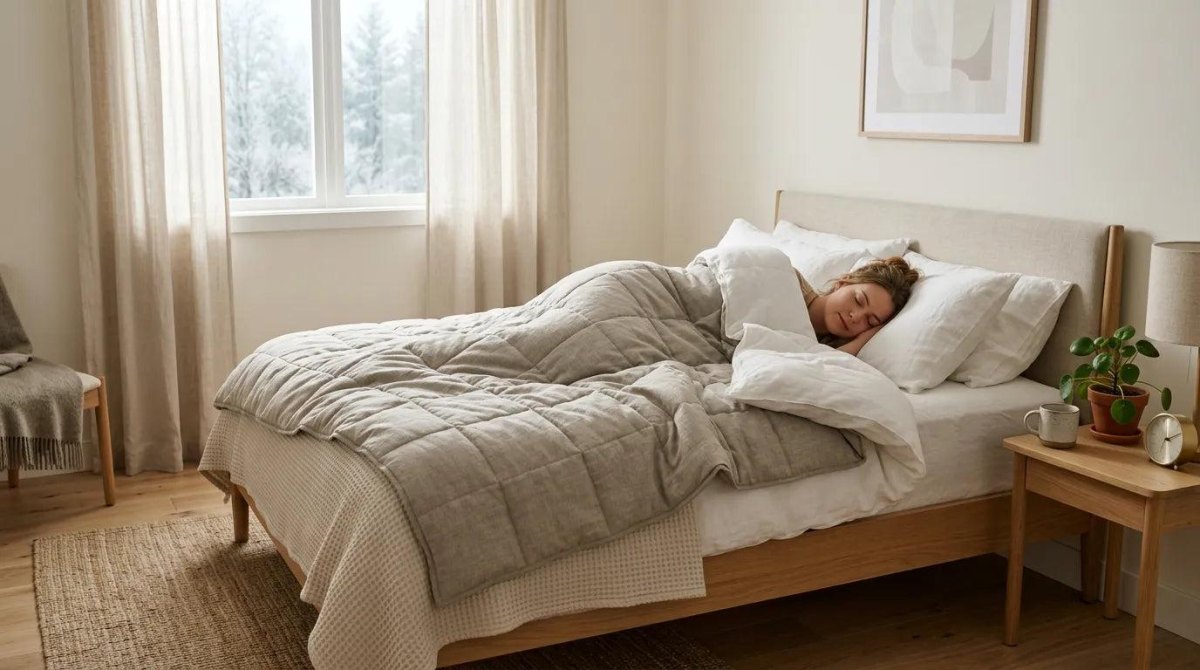
There is a limit to what I expect from a morning routine after a poor night's sleep. A bright room, a decent breakfast, and a brisk walk may help me feel more awake, but they cannot replace adequate rest. The CDC says most adults need at least seven hours of sleep each night, although individual needs vary. Consistent sleep habits are a more sensible starting point than searching for a miracle morning drink.
I would begin by keeping wake-up times reasonably consistent and allowing enough time for sleep. Getting natural light early in the day and making evenings less stimulating may also help support your sleep-wake rhythm. The CDC's sleep guidance covers these basics. If sleep disruption persists or affects daily life, discuss it with a qualified healthcare professional rather than endlessly changing pillows and bedtime routines.
Exercise Regularly

Exercise does not need to mean an early alarm, expensive gym membership, and a matching outfit that somehow requires its own laundry schedule. Regular physical activity supports health, sleep, and wellbeing, and even a single session can provide immediate benefits. Movement that fits your life is more useful than a demanding plan you abandon after four days.
Try a few minutes of stretching, dancing while dinner cooks, gentle cycling, or a short home workout. Build up gradually according to your fitness and any physical limitations. The CDC's adult physical activity guidance explains the wider benefits. On low-energy days, I would choose a manageable amount of movement instead of treating exercise as another test of character.
Eat Balanced Meals
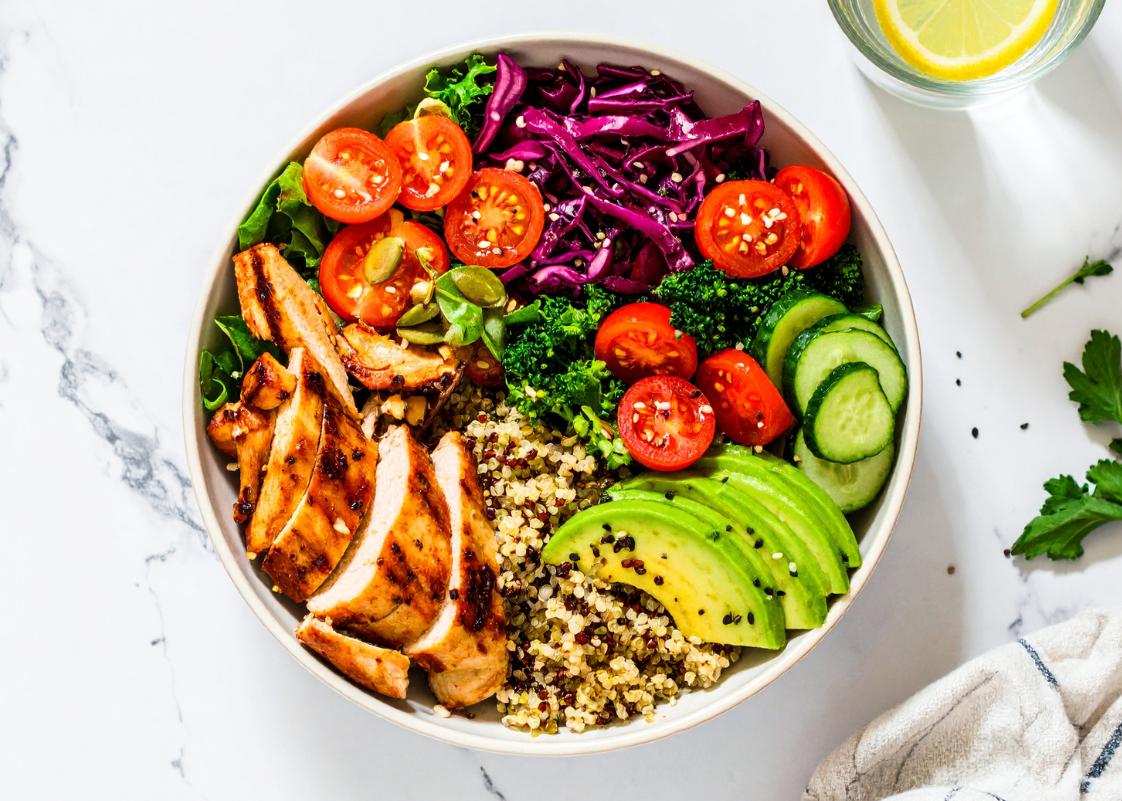
Lunch made up of whatever biscuits happen to be within reach can leave me wondering why I am hungry again before the afternoon has properly started. Balanced meals provide a useful mix of nutrients, and combining vegetables, whole grains, protein, and healthy fats is a practical way to improve the overall quality of what you eat. Balanced everyday meals matter more than chasing a supposedly perfect energy food.
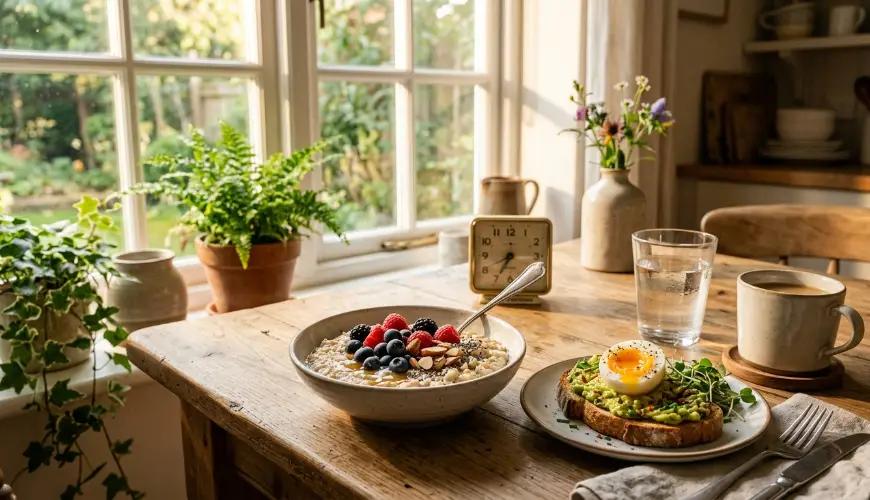
I like a flexible approach: eggs and whole-grain toast, a bowl with beans and vegetables, or leftovers with some extra greens. You do not need to cook a separate wellness menu. Harvard's Healthy Eating Plate offers a straightforward visual guide to putting meals together. Adjust portions and ingredients to your appetite, preferences, budget, and dietary needs.
Get Natural Sunlight

Opening the curtains is not a dramatic intervention, but it is a remarkably easy place to start the day. Light helps regulate the body's circadian rhythm, the internal timing system that influences when we feel awake and when we become sleepy. Daytime light exposure can support alertness and help reinforce a regular sleep-wake pattern.
Try sitting near a bright window at breakfast or taking a short walk outside in the morning. You do not need to stare at the sun or deliberately tan. Protect your skin from excessive ultraviolet exposure, and use shade, clothing, and sunscreen as appropriate. The CDC's guidance on light and circadian rhythms explains how the timing of light exposure can affect alertness and sleep.
Manage Stress Through Relaxation
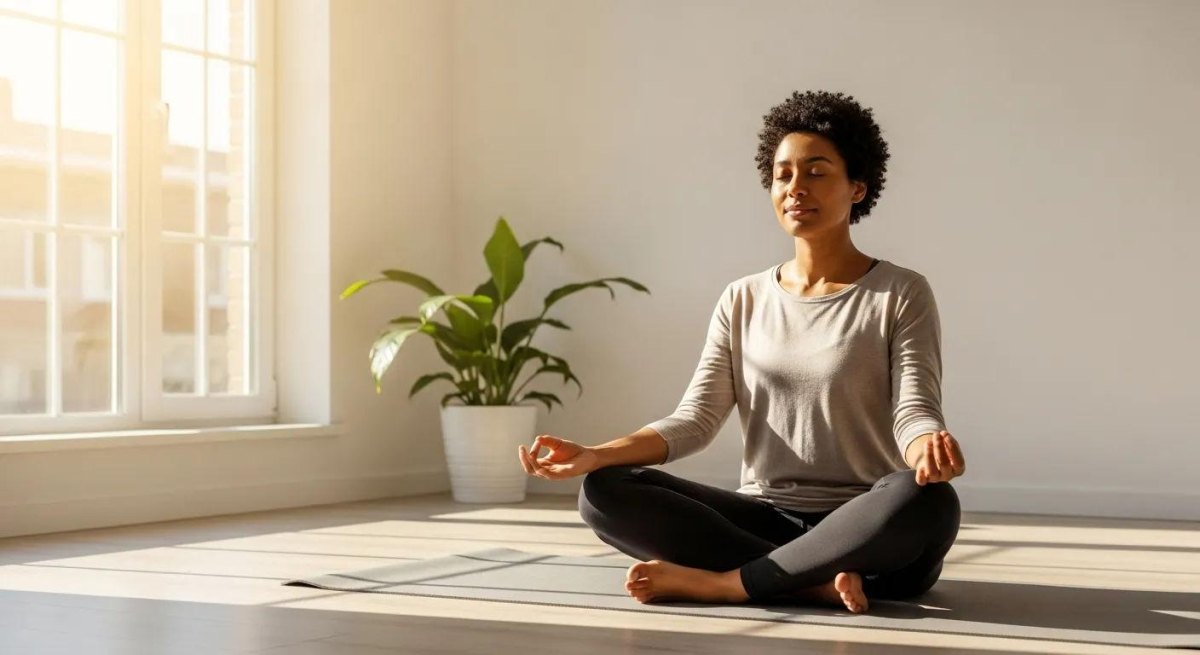
Sometimes what feels like low energy is tangled up with a day spent switching between messages, deadlines, errands, and other people's needs. Stress can be draining, even when you have not done anything that looks particularly strenuous. Small periods of genuine rest can give you a little breathing room without turning relaxation into another project.
Choose something that asks very little of you: sit quietly for five minutes, listen to something soothing, or step away from your screen. The NHS stress guidance recommends manageable steps such as exercise, talking with someone, and breathing exercises. Relaxation is a useful everyday tool, not a substitute for professional support when stress or distress becomes persistent or significantly affects your life.
Take Short Walks

A short walk is one of my favourite low-maintenance options because it requires very little planning. You can leave the house, move your body, change what you are looking at, and return without needing to reorganise your entire afternoon. A brisk ten-minute walk counts towards recommended physical activity and can be a realistic starting point for someone who has been sitting for hours.
Walk around the block, take a longer route to the shops, or use part of your lunch break to get outside. Comfortable shoes are far more important than specialist equipment for an ordinary stroll. The NHS guide to walking for health explains how to build walking into everyday life. Start gently if you are new to exercise or have mobility concerns, and increase the distance at a pace that feels appropriate.
Practice Deep Breathing

When my thoughts are racing ahead of the task in front of me, a brief pause can be more useful than another attempt to push through. Gentle breathing exercises may help reduce tension and give you a moment to settle your attention. They are not a stimulant, and they will not fix every cause of tiredness, but a few minutes of slow breathing is an accessible way to pause.
Sit somewhere comfortable, relax your shoulders, and breathe gently through your nose and out through your mouth if that feels comfortable. There is no need to force a particularly deep breath or hold it for as long as possible. The NHS breathing exercise guide describes a simple technique that can be practised almost anywhere. Stop if you feel dizzy or uncomfortable and return to normal breathing.
Listen to Upbeat Music

Music can change the atmosphere of an otherwise dreary afternoon with very little effort. A favourite lively song may make tidying, cooking, or getting ready to leave the house feel less like a negotiation. I would treat music as a mood and motivation tool, rather than a guaranteed way to improve concentration or physical energy.
Make a short playlist of songs you genuinely enjoy and use it when starting a task you have been putting off. Research on music and attention is mixed, and the effect depends on the person, activity, and listening environment. A 2024 systematic review of music and auditory stimulation found that evidence linking music-related arousal to cognitive performance remained mixed or insufficient. If you need to concentrate on complex work, compare listening with silence and keep whichever helps you most.
Eat Iron-Rich Foods

Iron deserves attention because it helps the body make haemoglobin, the protein in red blood cells that carries oxygen. When iron deficiency leads to anaemia, symptoms can include weakness, tiredness, and difficulty concentrating. Iron-rich foods are useful parts of a varied diet, but feeling tired does not automatically mean you need more iron.
Food sources include lean meat, seafood, poultry, lentils, beans, spinach, nuts, and iron-fortified cereals. Vitamin C-rich foods such as tomatoes, citrus fruit, and peppers can help your body absorb iron from plant sources. The NIH Office of Dietary Supplements iron fact sheet provides more detail about sources and deficiency. Do not start iron supplements just to see whether they improve your energy; excess iron can be harmful. Ask a healthcare professional whether assessment or testing is appropriate if fatigue persists.
Choose Complex Carbohydrates
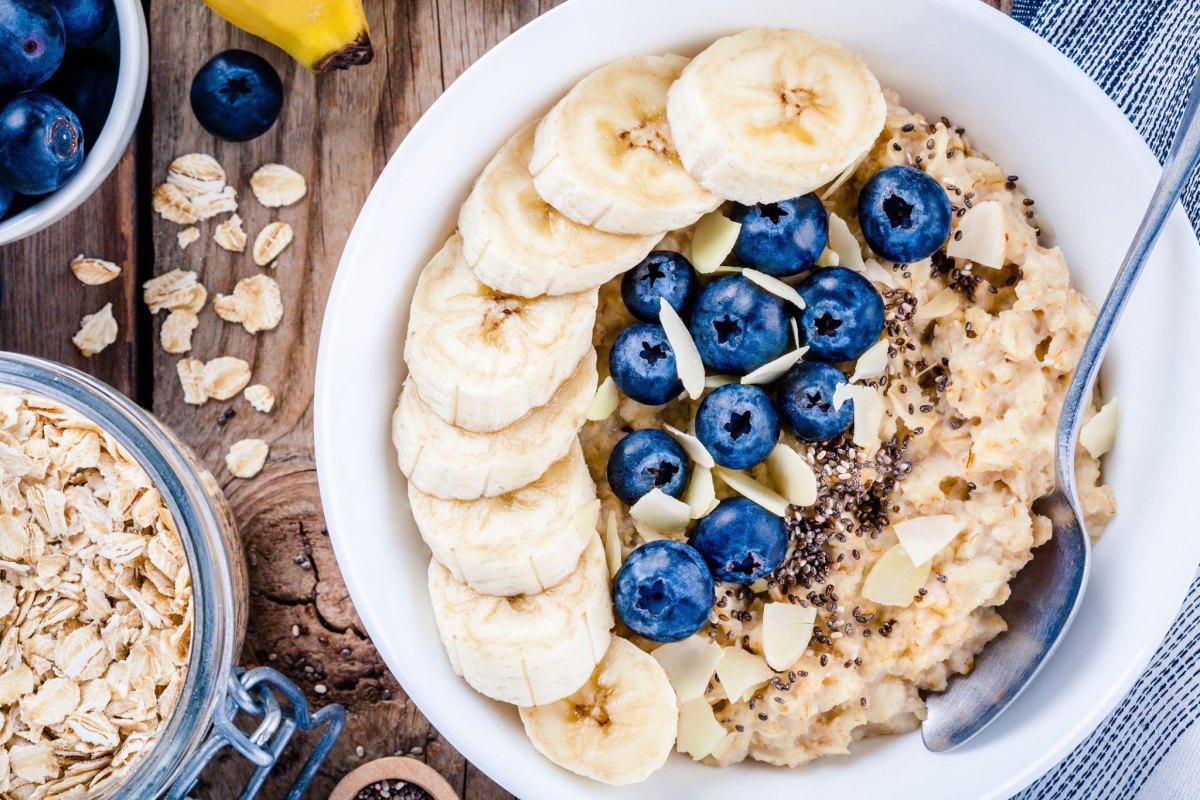
Carbohydrates are not the enemy of steady energy. Whole grains, beans, fruit, and vegetables provide carbohydrates alongside varying amounts of fibre and other nutrients. Choosing these foods more often can support a balanced eating pattern without requiring you to eliminate foods you enjoy. Fibre-rich carbohydrate choices are a practical addition to meals, not a promise that you will never experience an afternoon slump.
Try oats at breakfast, brown rice with dinner, or whole-grain bread with eggs or hummus. Combining carbohydrate-rich foods with protein and healthy fats can make a meal more satisfying. Harvard's Healthy Eating Plate recommendations favour whole grains over refined grains as part of an overall balanced diet. You do not need specialty products; familiar supermarket staples will do nicely.
Include Protein-Rich Foods

Protein helps build and maintain muscles and is an important part of a balanced diet. Including a protein source in meals can also make them more satisfying, which is useful when a hurried breakfast leaves you rummaging through the kitchen an hour later. Protein at regular meals is a sensible habit, although eating extra protein will not automatically make you feel more energetic if you already get enough.
Easy choices include eggs, yoghurt, fish, poultry, tofu, beans, lentils, nuts, and seeds. Add beans to soup, keep yoghurt in the fridge, or prepare a few boiled eggs for quick meals. Harvard's healthy plate guide includes fish, poultry, beans, and nuts among its recommended protein sources. Choose foods that suit your dietary preferences, budget, and health needs rather than buying expensive protein products by default.
Get Enough B Vitamins

B vitamins help the body carry out essential functions, including processes involved in metabolism and red blood cell production. Vitamin B12 is particularly important for healthy blood and nerve cells. A deficiency can cause tiredness and weakness, but more vitamins do not mean more energy when you already get what your body needs.
Vitamin B12 occurs naturally in foods such as fish, meat, eggs, milk, and other dairy products; some cereals and other foods are fortified. People who eat little or no animal food may need to pay particular attention to reliable B12 sources. The NIH vitamin B12 fact sheet explains food sources and deficiency symptoms. If fatigue is persistent or unexplained, discuss possible causes with a clinician rather than self-prescribing a collection of B-vitamin supplements.
Spend Time With Friends

Adult friendships can be surprisingly difficult to maintain when everyone's calendar is full. I have found that a simple walk or a quick catch-up can feel much more manageable than trying to arrange an elaborate evening that requires three weeks of scheduling. Regular social connection supports wellbeing and can make ordinary days feel less isolating.
You do not need to expand your social circle or become the person who organises every gathering. Send one message, arrange a short phone call, or suggest meeting for a walk. The CDC's social connection guidance describes links between supportive relationships, wellbeing, stress management, and sleep. Connection is not an instant energy cure, and it should not become another obligation. Start with a person whose company usually leaves you feeling comfortable.
Keep Your Workspace Bright
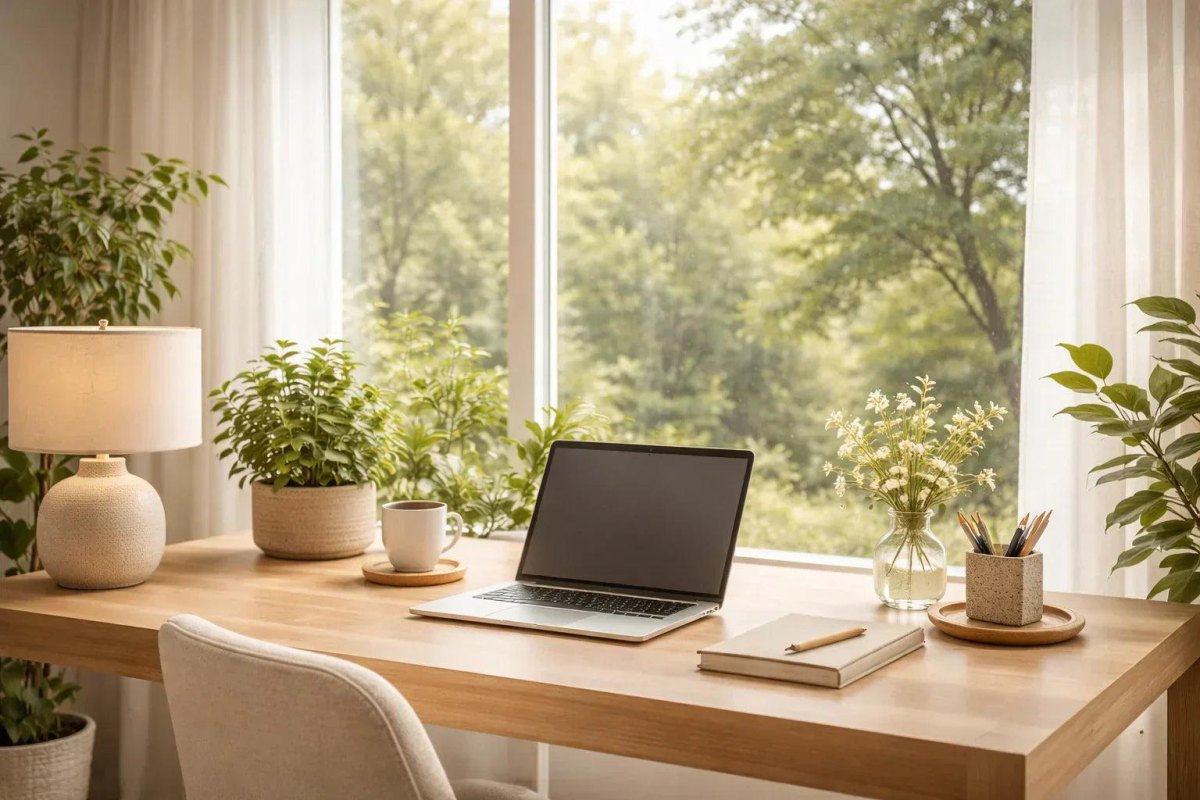
A gloomy workspace can make an already long afternoon feel longer. Good lighting helps you see what you are doing comfortably, while poorly positioned or glaring light can contribute to eye strain and headaches. A comfortable, well-lit workspace is a useful adjustment if you spend much of your day reading, writing, or looking at a screen.
Open the curtains if daylight is available, position your screen to reduce reflections, and use a desk lamp when the room is too dim. You do not need a designer office or a collection of productivity gadgets. The US Occupational Safety and Health Administration's computer workstation guidance explains how lighting and glare affect visual comfort. Adjust the light to suit your room and eyesight, and remember to take breaks from prolonged screen work.
Explore Adaptogenic Herbs Carefully

Herbal products marketed as adaptogens often promise help with stress, stamina, or resilience. I approach these claims cautiously, particularly when a product costs more than an ordinary grocery shop and comes with a long list of impressive-sounding promises. Herbal supplements are not automatically safe simply because their ingredients come from plants, and evidence for one preparation does not necessarily apply to another.
Ashwagandha is one example frequently marketed for stress and sleep. The US National Center for Complementary and Integrative Health says some preparations may help with certain stress or insomnia outcomes, but evidence is limited for other uses. It also notes possible side effects, rare reports of liver injury, and interactions with medications. Read the NCCIH ashwagandha safety information before considering it. Ask a qualified healthcare professional or pharmacist about potential interactions, particularly if you have a medical condition or take medication. For a caffeine-free energy goal, I would try simpler lifestyle changes first.
Take Short Power Naps

There are afternoons when another attempt at productivity is less useful than admitting I am tired. A brief nap can improve alertness for some adults, especially after insufficient sleep, although it cannot replace a regular night's rest. A short early-afternoon nap is worth considering if your schedule allows it and daytime sleep does not interfere with your bedtime.
Try setting an alarm for around 20 minutes and resting somewhere quiet and comfortable. Longer naps can leave some people groggy, and late naps may make it harder to sleep at night. The Mayo Clinic's guide to healthy napping discusses the benefits and drawbacks. If you need naps frequently just to get through normal activities, or daytime sleepiness is significant, seek medical advice rather than treating naps as the whole solution.
Maintain Consistent Daily Habits
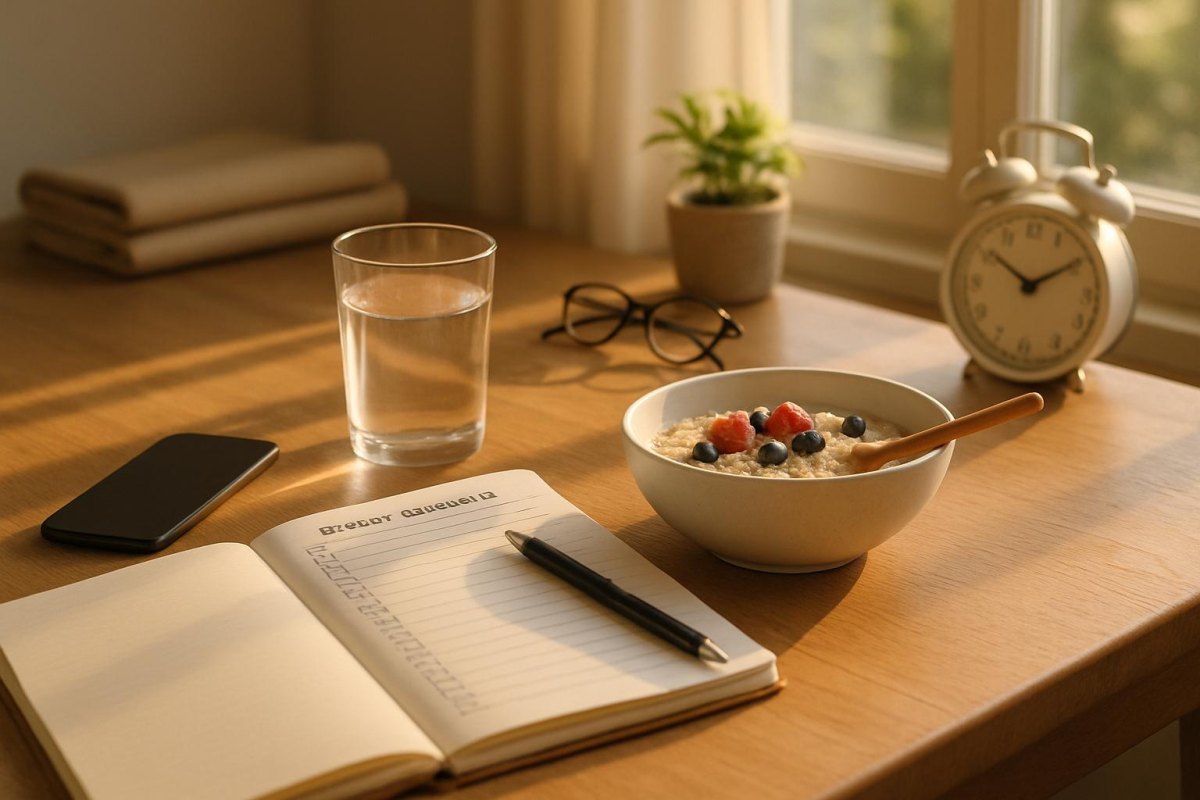
I am much more interested in habits that survive a busy week than routines that look impressive on paper. Eating reasonably balanced meals, drinking fluids, moving regularly, getting daylight, and protecting sleep can support everyday wellbeing when practised consistently. Small repeatable habits are often easier to maintain than a complicated schedule with a separate rule for every hour.
Pick one or two changes to begin with, such as drinking water with breakfast and walking for ten minutes at lunchtime. Once those feel manageable, decide whether anything else would genuinely help. The CDC's physical activity guidance and its sleep recommendations offer useful foundations. If you experience persistent, worsening, unexplained, or severe fatigue, arrange a conversation with a qualified healthcare professional. Lifestyle habits can support health, but they should not become a reason to ignore a problem that needs assessment.



 Sleep & Insomnia Solutions13 Natural Ways to Get More Deep Sleep and Wake Up Feeling Rested
 Health & Wellness6 Simple Healthy Habits After 40 That Make Everyday Life Better
 Energy, Hormones & Stress ManagementMenopause und Nachtschweiß – 16 praktische Lösungen für ruhigere Nächte
 Sleep & Insomnia Solutions17 Practical Menopause Sleep Improvement Tips for Better Nights