

Waking up tired can feel especially frustrating because you technically did the thing everyone tells you to do: you went to bed. I know that feeling of lying there thinking, “Why am I already exhausted before the day has even started?”
The tricky part is that morning tiredness has many possible causes. Sometimes it is a sleep habit that needs adjusting. Sometimes it is stress, a changing routine, or something worth discussing with a healthcare professional if it continues.
Quick summary
- Poor-quality sleep can leave you tired even after enough hours in bed.
- Stress, changing routines, nutrition, and health factors can all affect how refreshed you feel.
- Small experiments are often a better first step than a complete life overhaul.
Poor Sleep Quality and Sleep Disorders
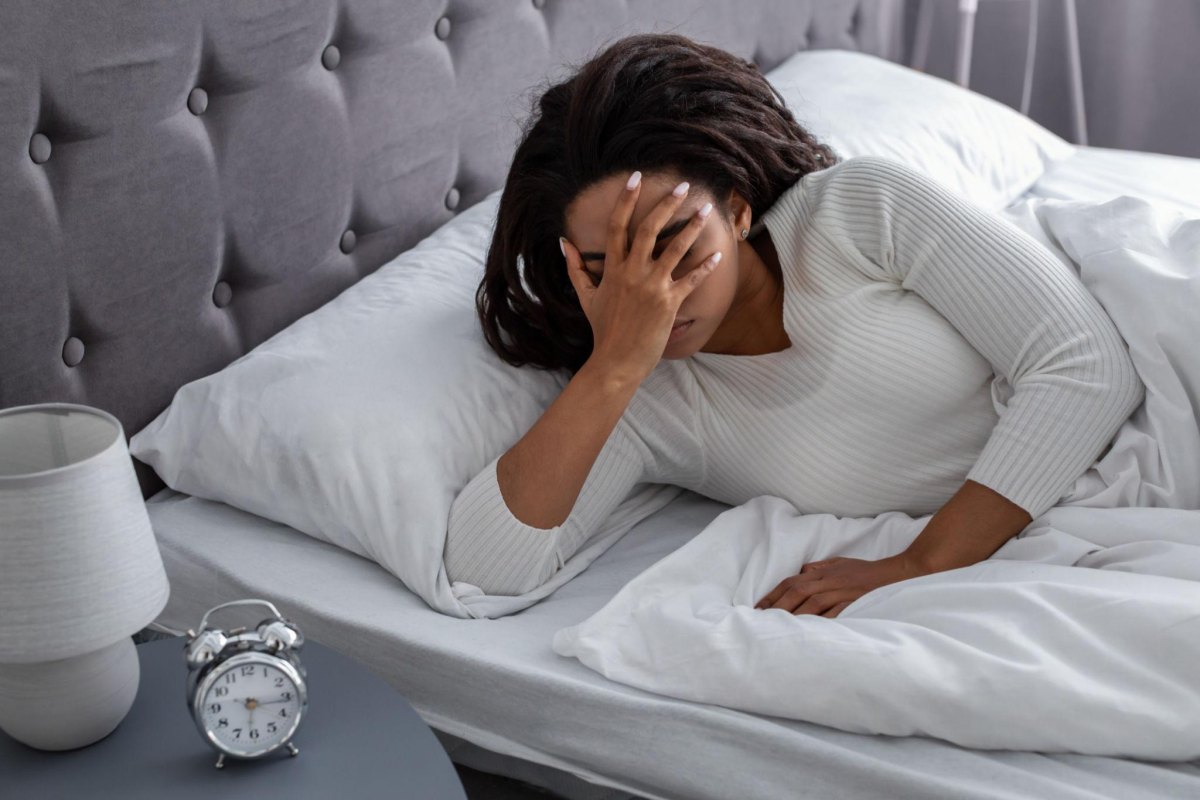
One of the first places I look when someone says they wake up tired is not the alarm clock. It is the quality of the sleep that happened before it. Broken or shallow sleep can leave you feeling like your night never really counted.
Sleep disorders such as insomnia or sleep apnea can interfere with restorative sleep. The CDC notes that feeling tired even after enough sleep can be a sign of poor sleep quality, and sleep disorders may require a conversation with a healthcare provider.
A small thing to notice
Before buying a new pillow, mattress, or complicated sleep gadget, pay attention for a week. Are you waking repeatedly? Are you lying awake for long stretches? Patterns are more useful than guesses.
Stress, Anxiety, and Racing Thoughts

There are nights when the body is in bed but the brain is still answering imaginary emails from three years ago. I have had evenings where my mind suddenly decides bedtime is the perfect moment to review every unfinished task.
Stress and mental overactivity can make falling asleep harder or interrupt sleep during the night. Insomnia can be linked with stress, schedule changes, and other factors that affect sleep patterns.
I am not trying to turn a bedtime routine into another project to manage. The goal is simply making evenings a little quieter when life feels loud.
Irregular Sleep Schedule and Sleep Habits
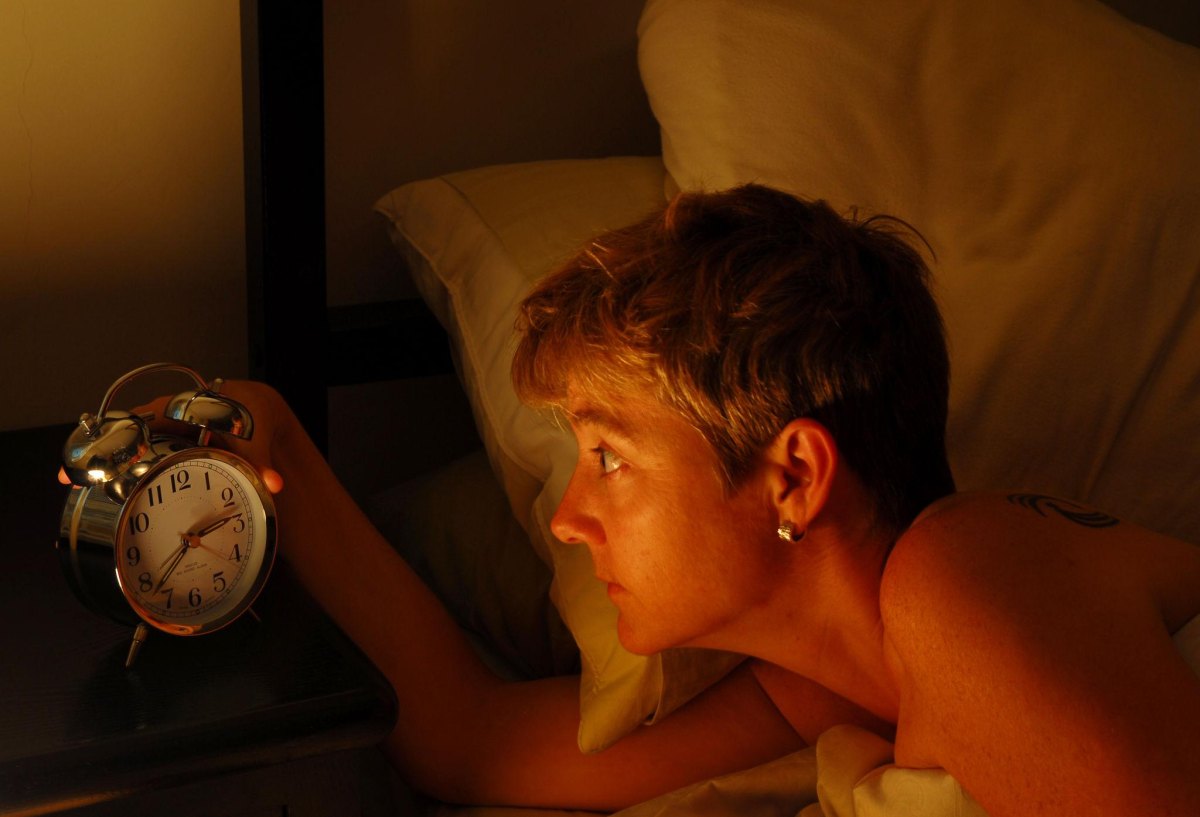
Our bodies like consistency more than we sometimes admit. A weekend bedtime that drifts several hours later, changing wake times, or an unpredictable evening routine can make mornings feel harder.
A regular sleep schedule is one simple habit often recommended for improving sleep. The National Institute on Aging suggests keeping consistent sleep and wake times during the menopausal transition and beyond.
| Habit | Possible effect |
|---|---|
| Different wake times every day | Can make your sleep rhythm less predictable |
| Late evening stimulation | May make winding down harder |
The low-energy version is simple: pick one anchor, usually your wake time, and keep that steadier before changing everything else.
Dehydration and Poor Nutrition

Sometimes the reason I wake up feeling flat is less mysterious than I want it to be. A day of not drinking enough water, skipping balanced meals, or relying on convenience foods can leave me feeling like my battery never charged properly.
Daily nourishment habits influence energy levels, although tiredness is not always explained by food or hydration alone. I prefer looking at patterns rather than blaming one breakfast or one imperfect day.
This is where I remind myself that the answer usually does not require a pantry full of powders and supplements. Sometimes it requires a glass of water and a more realistic grocery list.
Medical Conditions and Hormonal Changes

Midlife is full of changes, and sleep can become less predictable for many women. I am careful here because a symptom list is not a diagnosis. A restless night does not automatically explain what is happening in your body.
Hormonal changes and health conditions can affect sleep and energy. During the menopausal transition, some women experience symptoms such as night sweats, mood changes, and trouble sleeping.
When to get extra support
If tiredness is new, severe, worsening, unexplained, or affecting daily life, it is worth discussing with a qualified healthcare professional rather than endlessly adjusting your bedtime routine.
My rule is simple: small lifestyle changes are useful experiments, but they should not become a way of ignoring persistent symptoms.
Lack of Physical Activity and Daily Routine Issues
When energy is low, exercise is often the last thing I want to hear about. I understand why. Some mornings the idea of a workout feels like adding another appointment to a calendar that is already full.
The useful middle ground is gentle, regular movement. The CDC reports that physical activity can improve sleep quality and provide other health benefits.
I have learned that the best routine is usually the one I can still do on an ordinary Wednesday. The goal is not to become a different person overnight. It is to make daily life feel a little easier.


More Pinterest Visuals






 Sleep & Insomnia Solutions13 Natural Ways to Get More Deep Sleep and Wake Up Feeling Rested
 Health & Wellness6 Simple Healthy Habits After 40 That Make Everyday Life Better
 Energy, Hormones & Stress ManagementMenopause und Nachtschweiß – 16 praktische Lösungen für ruhigere Nächte
 Energy, Hormones & Stress Management18 Natural Energy Boosters Without Caffeine That Fit Real Life