
 01.11.2026
Getting a good night's sleep can become surprisingly unpredictable in midlife. You might fall asleep without much trouble, only to find yourself wide awake at 3 a.m., mentally reviewing tomorrow's appointments or wondering why the bedroom suddenly feels too warm. And the frustrating part is that you can do everything right during the day and still have a restless night.
I've become less interested in elaborate sleep routines and more interested in the small habits that make a genuine difference. Deep sleep and better sleep quality are influenced by several things, including your daily schedule, light exposure, physical activity, food choices, and sleeping environment. There isn't one natural trick that guarantees a perfect night, but there are sensible changes worth trying.
Below, I've gathered 13 practical ways to support more restful sleep. You don't need to introduce all of them at once. I'd start with one or two that fit your existing routine and see what happens over a couple of weeks.
Maintain a Consistent Sleep Schedule
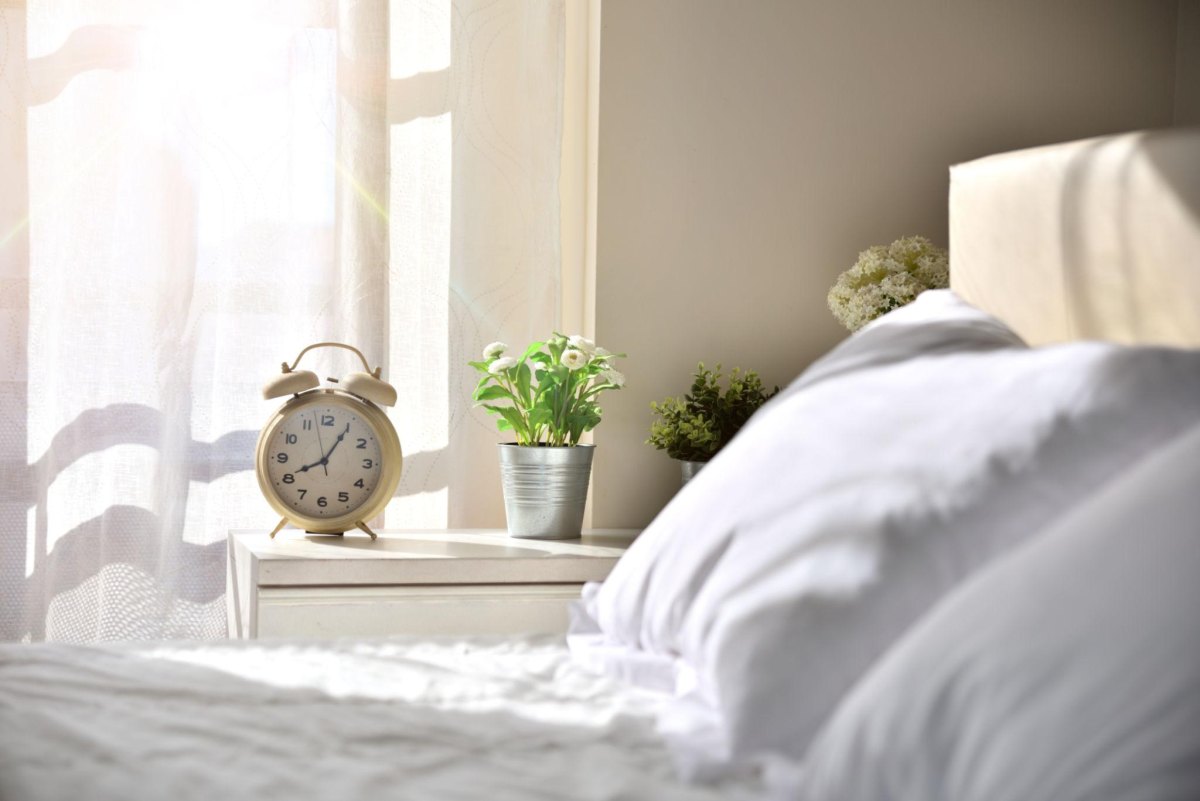
One of the simplest ways I would start improving sleep is by making bedtime and wake-up time more predictable. Our bodies have an internal timing system, often called the circadian rhythm, which helps coordinate sleep and wakefulness. Going to bed and getting up at roughly the same times each day gives that system a more consistent routine.
Research published in 2025 reviewing sleep regularity found that unstable sleep timing was associated with several poorer health outcomes. The evidence does not mean every bedtime must be identical, but it does support paying attention to consistency. I would begin by choosing a realistic wake-up time and keeping it reasonably steady, including weekends. Allow enough time for the recommended seven or more hours of sleep for most adults.
My practical suggestion: Don't suddenly move your bedtime by two hours. Shift it gradually if necessary, and avoid turning your sleep schedule into another rigid rule that makes evenings stressful.
Get Natural Morning Sunlight

Morning sunlight is one of those helpful habits that doesn't require buying anything or downloading another app. Exposure to natural light after waking helps synchronize the body's internal clock. It also supports daytime alertness and helps establish a clearer distinction between daytime and nighttime.
The CDC's National Institute for Occupational Safety and Health explains that bright morning light can help shift the circadian clock earlier, making it easier to feel sleepy earlier in the evening. Spending around 30 minutes outdoors during the day is a practical starting point, with morning exposure particularly useful. Even a cloudy morning can provide more natural light than sitting in a dim room.
I like the idea of combining this with something already happening. Have breakfast near a bright window, take a short walk, or enjoy your morning coffee outside. If you're busy, even a brief outdoor break is a manageable place to begin.
A simple morning habit
Try getting outside shortly after waking, rather than spending the entire morning under indoor lighting. You don't need to stare at the sun or spend time in direct sunlight.
Create a Relaxing Bedtime Routine
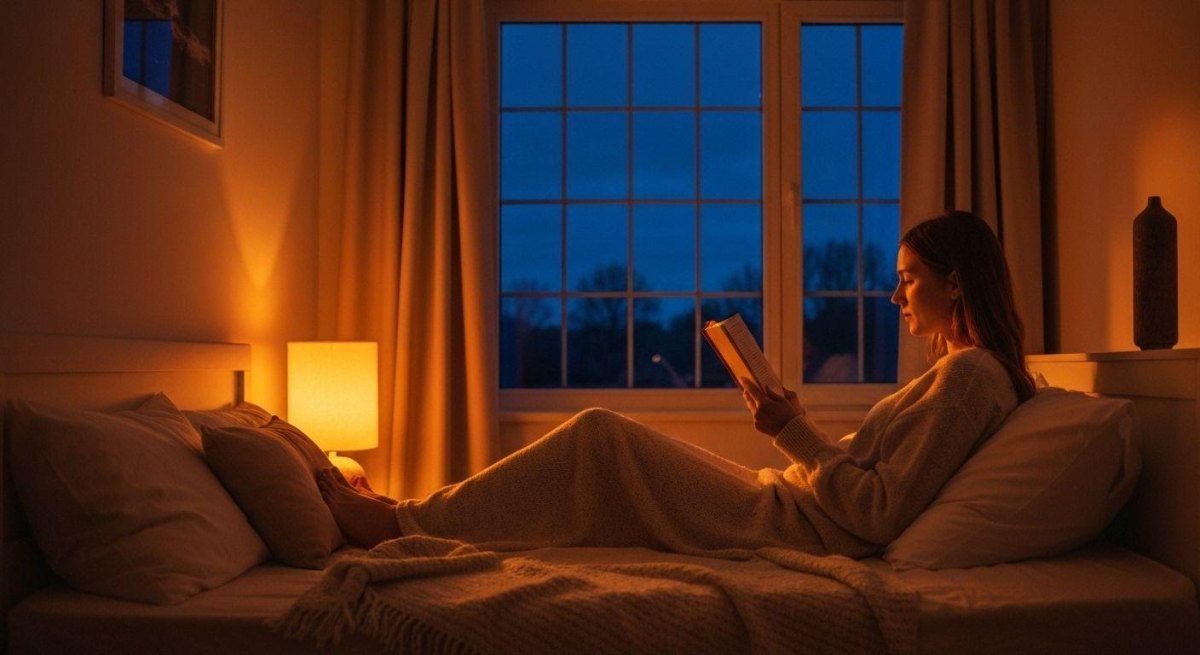
I used to think a bedtime routine needed several carefully planned steps to be effective. In reality, a few predictable activities can be enough to help separate the busy part of the day from the quieter part. A relaxing bedtime routine is less about achieving a perfect evening and more about giving yourself permission to slow down.
Try choosing two or three simple activities that you enjoy. You might wash your face, put on comfortable nightwear, read a few pages of a book, or listen to something soothing. Lowering the lights before bed can also help reduce exposure to bright artificial light. The CDC recommends following relaxing activities as part of preparing for sleep.
I'd keep the routine short enough that you can manage it on an ordinary Wednesday. A ten-minute wind-down is much more realistic than a complicated evening schedule that becomes another obligation.
- Dim the bedroom and living room lights.
- Finish your usual washing and skincare routine.
- Put tomorrow's essential items somewhere convenient.
- Choose a quiet activity that doesn't demand much attention.
Eat Foods That Support Deep Sleep

Food is another area where sleep advice can become unnecessarily complicated. You may have seen lists of supposedly magical sleep foods, but I would be cautious about expecting a banana, a handful of almonds, or a particular smoothie to produce deeper sleep on its own. Overall dietary quality matters more than finding one special ingredient.
A 2024 systematic review and meta-analysis examined 37 studies involving more than 591,000 people. It found associations between healthier dietary patterns, including Mediterranean-style eating, and fewer insomnia symptoms. However, much of the evidence was observational, and the researchers rated the overall certainty as very low. This is an interesting association, not proof that particular foods treat insomnia.
For everyday meals, I would focus on variety rather than a strict sleep diet. Include vegetables, fruit, whole grains, nuts, seeds, and satisfying sources of protein in meals that suit your preferences. Foods such as oats, bananas, almonds, pumpkin seeds, and kiwi can fit comfortably into a balanced eating pattern.
What I wouldn't do: Buy an expensive collection of sleep powders or supplements because a social media post promises deeper sleep. Start with ordinary food and a consistent eating routine instead.
Avoid Caffeine in the Afternoon and Evening

That afternoon coffee can feel like a small necessity, particularly after a demanding morning. But caffeine can stay active in your system for considerably longer than the pleasant lift you notice after drinking it. It may affect how quickly you fall asleep and how comfortably you sleep through the night.
The National Institutes of Health notes that caffeine's stimulating effects can take eight hours or more to wear off fully. The exact timing varies between people, so an afternoon coffee that doesn't bother one person might interfere with another person's sleep. Experimenting with an earlier caffeine cut-off is a straightforward way to find out whether it makes a difference.
If you usually have coffee at 4 p.m. and go to bed at 10 p.m., try moving that final cup earlier. You could replace it with water or a caffeine-free drink. If you regularly consume a lot of caffeine, reducing it gradually may be more comfortable than stopping suddenly.
Try this small experiment
For seven days, record when you have your last caffeinated drink and make a brief note about your sleep. An earlier cut-off may be worth keeping if you notice a consistent improvement.
Exercise Regularly to Improve Sleep Quality

Regular movement is useful for many reasons, and supporting better sleep is one of them. You don't need an exhausting workout or an ambitious fitness programme to get started. Walking, swimming, cycling, dancing, and gentle strength exercises can all be ways to build more movement into an ordinary week.
The NIH recommends regular physical activity while advising against exercising too close to bedtime if it makes falling asleep difficult. A 2025 study examining evening exercise also found that later, more strenuous activity was associated with less favourable sleep outcomes, while exercise ending at least four hours before sleep was not associated with those changes.
Personally, I would begin with a comfortable daily walk rather than buying a gym membership or creating a demanding workout schedule. A walk after lunch or an early-evening stroll can be easier to maintain than another appointment on your calendar.
If evening is your only available exercise time, pay attention to how you respond. Gentle movement may suit you perfectly well, while a vigorous session immediately before bed might leave you feeling too alert.
Keep Your Bedroom Cool, Dark, and Quiet
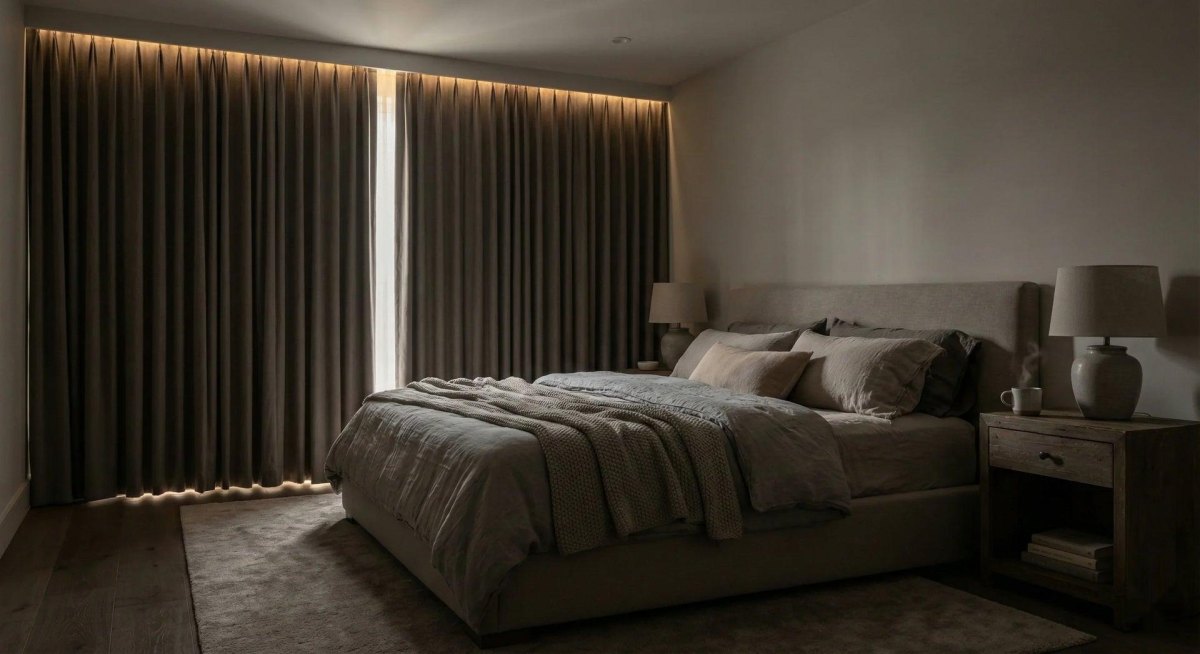
Your bedroom doesn't need to look like a luxury hotel to be a good place to sleep. It does, however, need to feel comfortable. Temperature, noise, and unwanted light can all interfere with restful sleep, particularly if you're already experiencing occasional night waking.
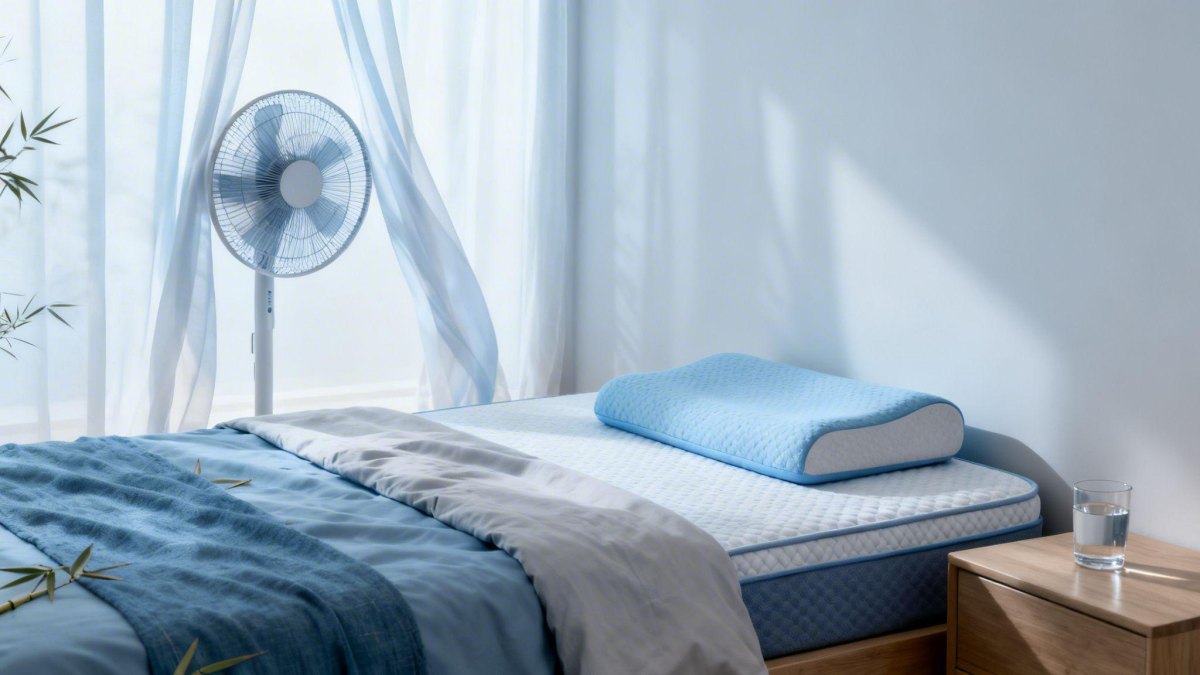
The CDC recommends a sleeping environment that is cool, dark, and quiet. Its sleep guidance also suggests using room-darkening curtains, an eye mask, or earplugs when necessary. A comfortably cool temperature is more useful than following an exact number that leaves you feeling cold.
I'd start with the inexpensive adjustments. Check whether streetlights shine through the curtains, whether a bright clock is facing the bed, and whether your phone notifications disturb you. If the room feels warm, adjust the bedding or ventilation before deciding that you need a new mattress or an expensive cooling system.
- Temperature: Keep the room comfortably cool and adjust your covers.
- Light: Use blackout curtains or an eye mask if needed.
- Noise: Try earplugs or gentle background noise if household sounds disturb you.
- Comfort: Choose bedding and pillows that suit your sleeping position.
Practice Deep Breathing and Meditation Before Bed
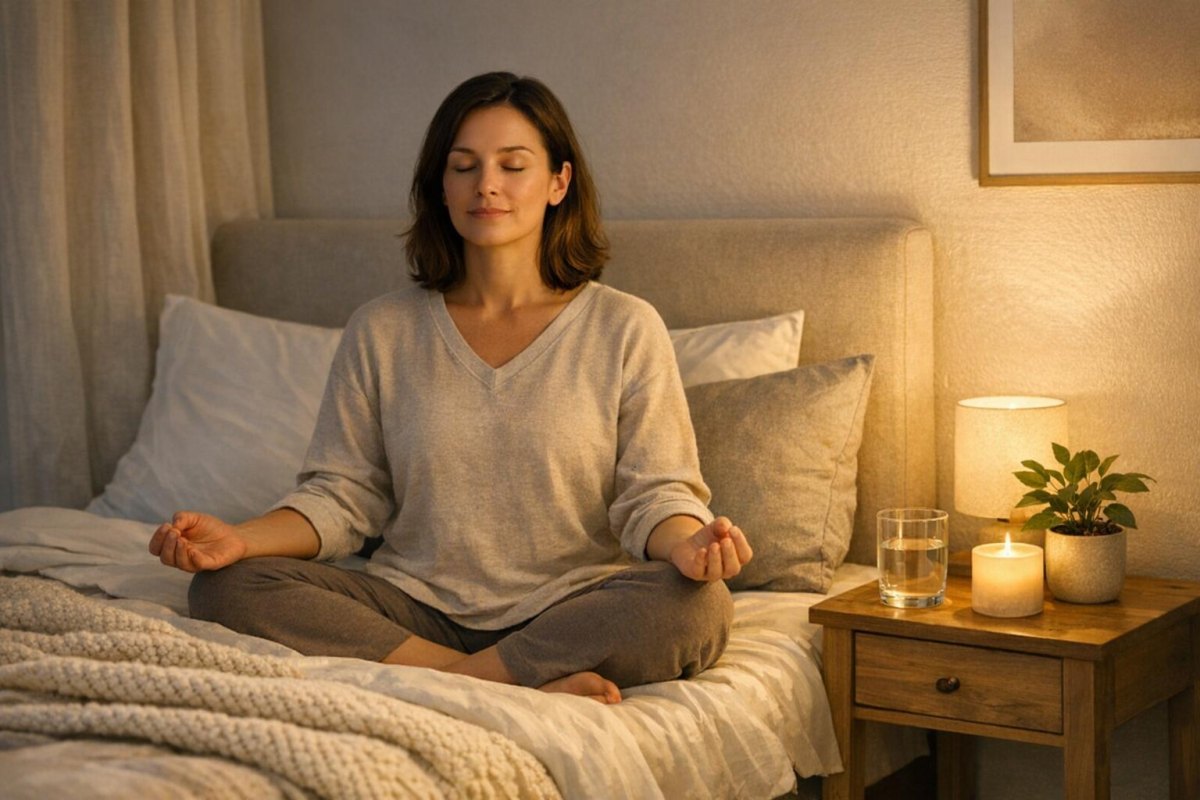
Sometimes the difficulty isn't getting physically comfortable. It's getting your thoughts to stop moving at full speed. Work concerns, family responsibilities, and tomorrow's to-do list can all seem unusually important when the house finally becomes quiet. A few minutes of slow breathing may help create a calmer transition into bedtime.
A 2026 systematic review of slow breathing before bedtime examined nine studies involving 457 participants. Several studies reported improvements in self-reported sleep quality, although objective sleep measurements produced inconclusive findings. That distinction matters. Slow breathing may be a useful relaxation practice, but it isn't a guaranteed treatment for insomnia.
One simple approach is to sit or lie comfortably, relax your shoulders, and breathe slowly without forcing your breath. Allow your exhale to feel gentle and unhurried. You could also try a short guided meditation or progressive muscle relaxation, which involves gently tensing and releasing different muscle groups.
If meditation makes you feel more restless rather than calmer, don't force it. Reading quietly or listening to familiar music may suit you better. The point is to find something that reduces mental activity rather than giving you another technique to master.
Reduce Screen Time Before Going to Sleep
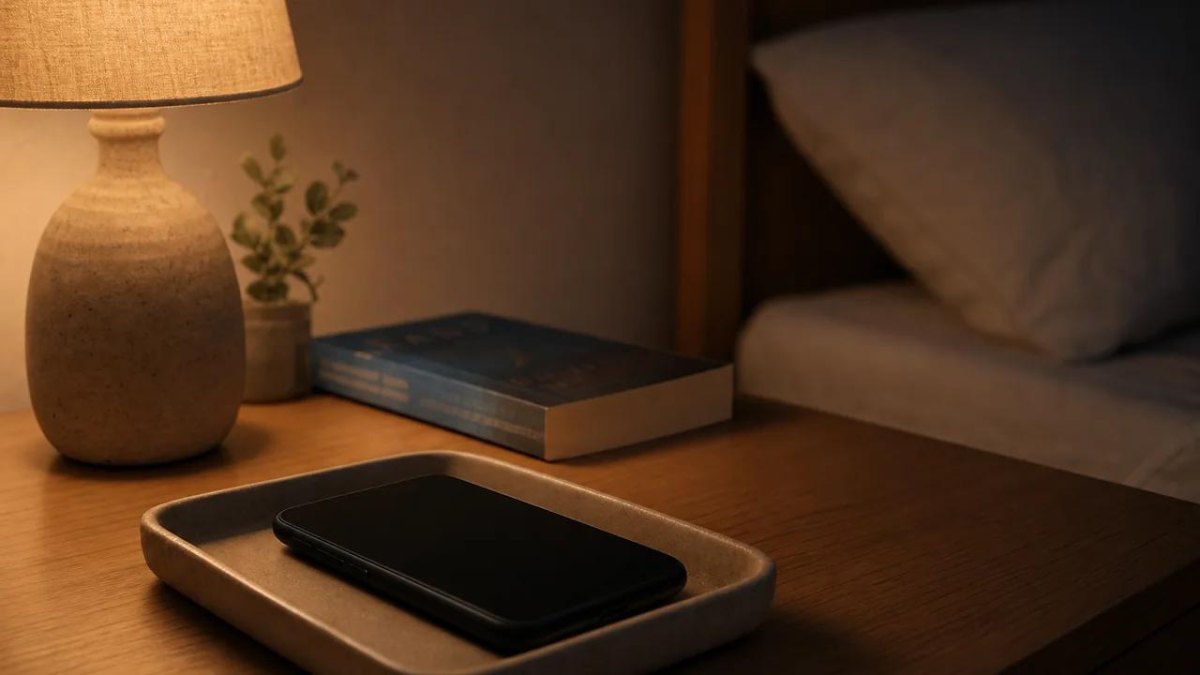
Phones have a way of turning a quick bedtime check into twenty minutes of messages, headlines, and things you didn't particularly need to know. I find that the bigger issue is often not just the screen itself but the mental activity that comes with it. A stressful email or an upsetting news story is not exactly a relaxing final thought.
Research published in JAMA Network Open in March 2025 examined electronic screen use in relation to sleep duration and timing among adults. Screen exposure is worth considering as part of your evening habits, particularly when it delays bedtime or keeps you mentally engaged. Creating some distance between screens and bedtime is a reasonable experiment.
Try putting your phone aside for the final 30 to 60 minutes before bed. Charge it away from the bedside if practical, switch off nonessential notifications, and use an ordinary alarm clock if you need one. If you rely on your phone for emergencies, adjust your settings so important calls can still get through.
The low-effort version
If an hour without your phone feels unrealistic, begin with 15 minutes. Replace scrolling with a few pages of a book or another quiet activity, then extend the break if it feels helpful.
Try Natural Relaxing Herbal Teas

A warm drink can be a pleasant way to signal that the day is winding down. Chamomile and lavender are popular choices, and I understand their appeal. There's something comforting about sitting quietly with a cup of tea rather than continuing to rush through household tasks until bedtime.
However, I would separate the comfort of the ritual from claims about its medical effects. A 2024 systematic review of chamomile studies reported some improvements in subjective sleep quality, but the studies had limitations. The National Center for Complementary and Integrative Health also notes that conclusive evidence for chamomile as an insomnia remedy is lacking. Herbal tea is best treated as a relaxing beverage, not a proven sleep treatment.
If you enjoy herbal tea, try a caffeine-free cup of chamomile in the early evening. Lavender is another familiar scent, although evidence for lavender products improving insomnia is also uncertain. Avoid drinking a large amount immediately before bed if nighttime bathroom visits interrupt your sleep.
One important caution: chamomile can cause allergic reactions, particularly in people sensitive to related plants such as ragweed. Herbal products can also interact with medicines. Check with a qualified healthcare professional or pharmacist before using herbal products medicinally, especially if you take regular medication.
Manage Daily Stress and Anxiety Naturally

It's difficult to settle into sleep when your mind is still working through the day's unfinished business. Sometimes the thoughts are important, but sometimes they're simply a collection of small responsibilities that have been waiting for a quiet moment to make themselves heard.
I find that writing things down can be a useful practical step. Keep a notebook nearby in the evening and spend five minutes listing anything you need to remember tomorrow. You might also write down one thing that can wait. Getting recurring thoughts out of your head and onto paper won't solve every problem, but it can make the evening feel less mentally crowded.
Other options include gentle stretching, a quiet walk earlier in the evening, or listening to calming music. Research reviewed by the NCCIH suggests that relaxation approaches may help some people, although the evidence for relaxation techniques alone is limited. For persistent insomnia, cognitive behavioral therapy for insomnia, known as CBT-I, has much stronger support.
When stress needs more support
Relaxation habits are not substitutes for professional care. If ongoing worry, emotional distress, or sleep problems are significantly affecting your everyday life, consider speaking with a qualified healthcare or mental-health professional.
Avoid Heavy Meals and Alcohol Before Bedtime

Late dinners happen. Sometimes work runs over, family plans change, or you simply don't feel hungry until later. There's no need to feel guilty about an occasional late meal, but regularly eating a very heavy dinner just before bed may make it harder to feel comfortable when you lie down.
The NIH recommends avoiding large meals and alcohol close to bedtime. Alcohol can make you feel sleepy initially, but it may lead to lighter, more interrupted sleep later in the night. Feeling sleepy after a drink is not the same as getting restorative sleep.
Try giving yourself some time between dinner and bedtime when your schedule allows. Choose a satisfying evening meal that doesn't leave you uncomfortably full, and notice whether rich or spicy foods cause problems for you. If you're genuinely hungry later, a small snack may be more comfortable than going to bed hungry.
I'd also experiment with reducing evening alcohol rather than assuming a glass of wine helps with sleep. If you enjoy an occasional drink, pay attention to whether your sleep is more fragmented on those nights. The pattern may tell you more than general advice ever could.
Make Your Sleep Environment Comfortable and Clutter-Free
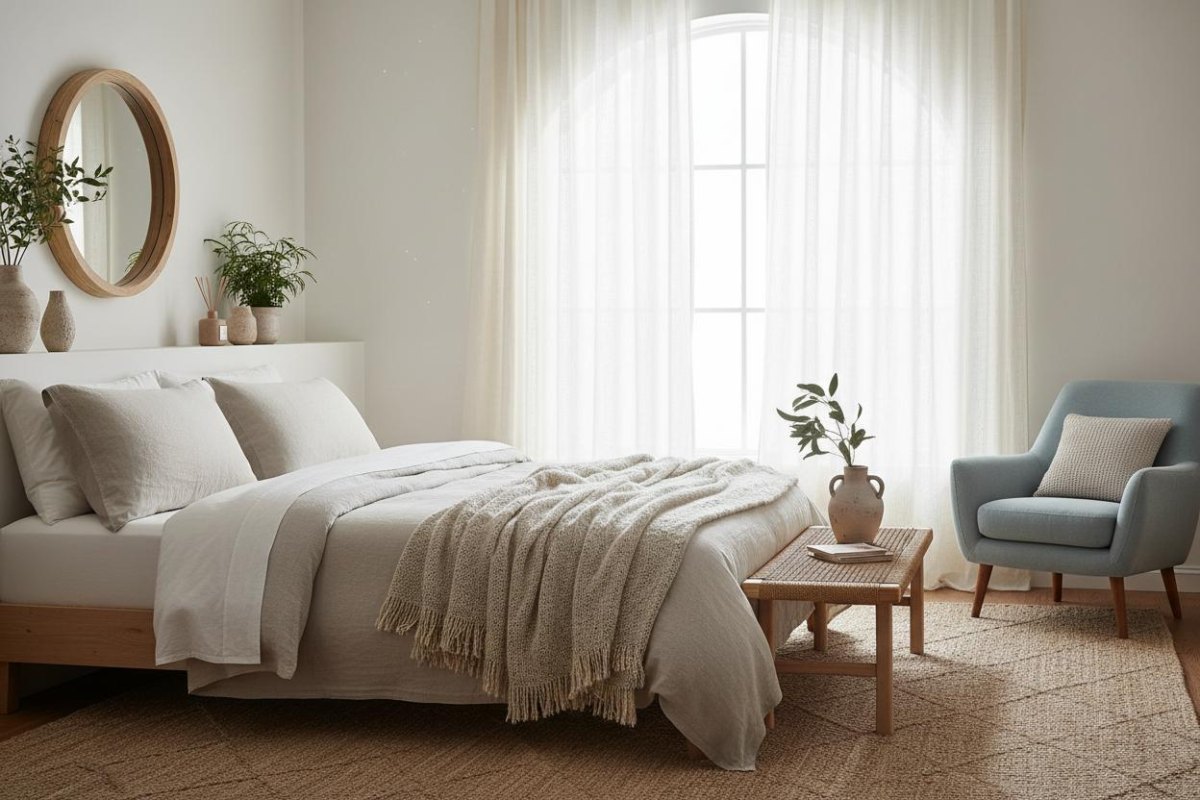
A bedroom can be technically tidy and still not feel particularly restful. Perhaps there are piles of laundry on a chair, paperwork waiting to be sorted, or several things on the bedside table that have no reason to be there. None of this means you have failed at housekeeping. But a room that feels easier to use can make the end of the day more pleasant.
Research on sleep environments consistently emphasizes physical comfort, darkness, quiet, and suitable temperature. The CDC also recommends a comfortable mattress and pillows, as well as reducing distractions in the bedroom. There is less direct evidence that decluttering itself improves deep sleep, so I wouldn't present a spotless room as a medical requirement. Comfort and fewer bedtime distractions are the more useful goals.
Start with the area immediately around your bed. Clear the bedside table, put away clothes that have accumulated on a chair, and make sure you can move comfortably around the room. Check whether your pillow still supports you properly and whether your mattress has become uncomfortable.
Before buying new furniture or replacing an entire bedroom set, make a few small changes first. A clearer bedside surface, softer lighting, comfortable bedding, and a place for your phone can be enough to make the room feel more inviting.
- Clear unnecessary items from the bedside table.
- Put laundry and work-related items away from the sleeping area.
- Check that your pillow and mattress remain comfortable.
- Keep the route to the bathroom clear, especially at night.
- Remove unnecessary light and noise sources.
My favourite approach is to spend five minutes resetting the room before bed. It is a small job, it costs nothing, and it leaves you with one less thing to think about when you're ready to switch off.


 Health & Wellness6 Simple Healthy Habits After 40 That Make Everyday Life Better
 Energy, Hormones & Stress ManagementMenopause und Nachtschweiß – 16 praktische Lösungen für ruhigere Nächte
 Energy, Hormones & Stress Management18 Natural Energy Boosters Without Caffeine That Fit Real Life
 Sleep & Insomnia Solutions17 Practical Menopause Sleep Improvement Tips for Better Nights