

Sleep can become surprisingly complicated around menopause. A room that felt perfectly comfortable last year can suddenly feel tropical at 2 a.m., and a bedtime routine that once worked may stop being useful. Night sweats and sleep disruption are common during the menopause transition, but that does not mean you have to accept every miserable night as your new normal.
I prefer a bedtime routine that is deliberately boring. Fewer decisions, fewer purchases, and nothing that requires me to become a completely different person after dinner. These menopause sleep habits are simple experiments you can try one at a time and keep only if they genuinely make your evenings easier.
Keep Your Bedroom Cool and Comfortable
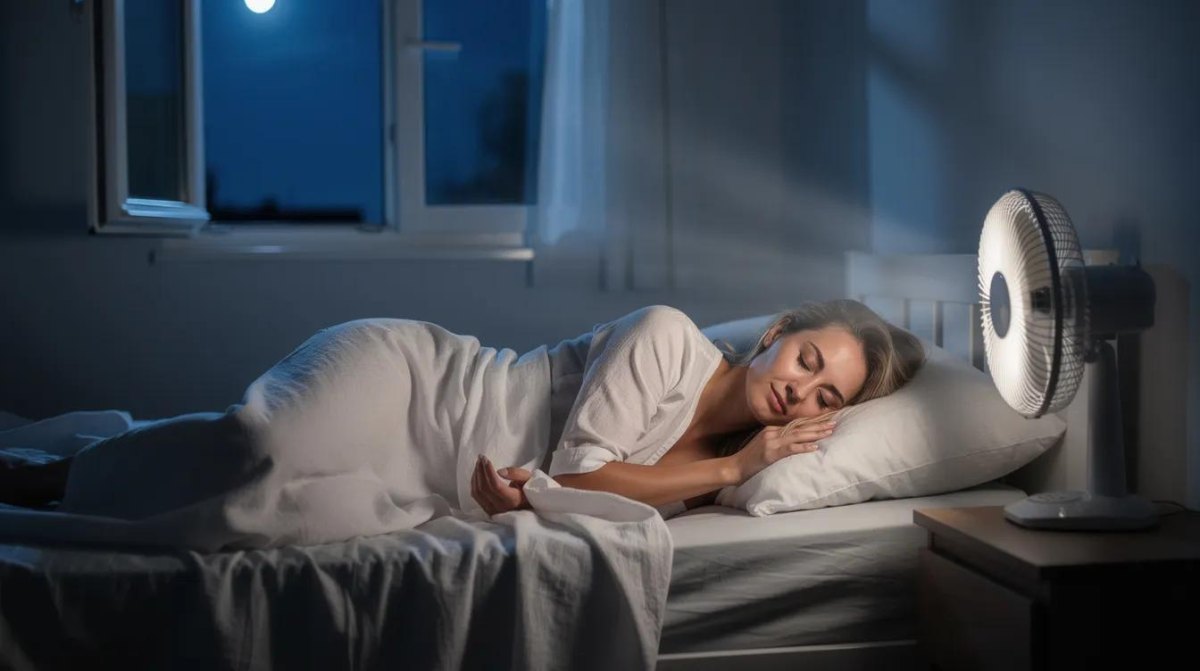
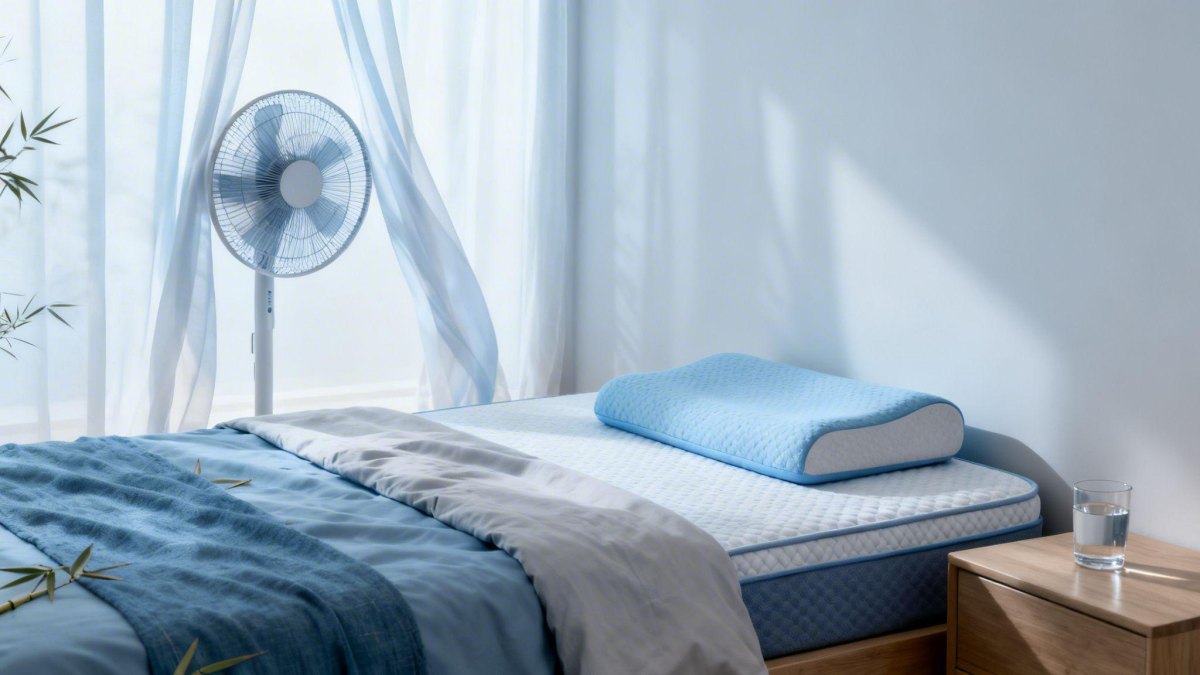
I would start with the room before buying anything marketed as a menopause sleep solution. A cooler bedroom, lighter layers, and some ventilation can make nighttime more comfortable when heat and sweating are interrupting sleep. The Menopause Society notes that cooler temperatures and lighter sleepwear or bedding may help with nighttime hot flashes.
My low-effort version
Try changing the room temperature or bedding first. A fan, an open window when practical, or several removable layers may be more useful than replacing the entire bed. Test before you spend is a very good menopause rule.
Take a Warm Shower Before Bed

A shower can be a useful dividing line between “still doing things” and “the day is finished.” Research-based sleep guidance suggests that a warm bath or shower before bed can support relaxation and the body's normal transition toward sleep.
There is one menopause-specific wrinkle, though. If heat tends to trigger your flushing, I would not turn the shower into a steaming sauna and hope for the best. Some menopause guidance specifically suggests lukewarm rather than hot showers for people dealing with flushes.
Choose Breathable Sleepwear and Bedding
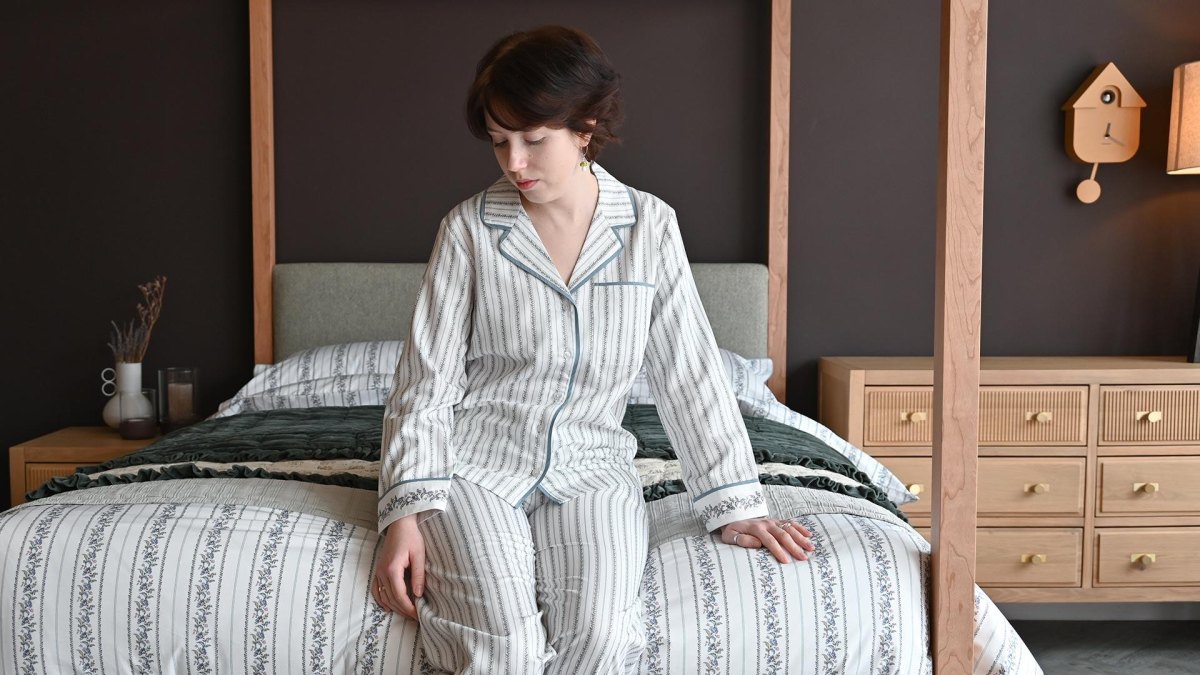
My goal here is not finding the perfect menopause pajama. It is simply avoiding anything that makes a warm night more uncomfortable. Lightweight clothing and breathable bedding are commonly suggested for managing night sweats, and cotton sheets and lighter pajamas are specifically recommended by NHS menopause guidance.
| Try first | Why I like it |
|---|---|
| Lightweight pajamas | Less fabric to trap heat |
| Cotton sheets | A simple, familiar option |
| Layered bedding | Easier to remove a layer during the night |
Specialist fabrics can be worth experimenting with, but the evidence for particular menopause bedding products is limited. Comfort beats clever marketing, especially when the simpler option already works.
Swap Evening Caffeine for a Calming Drink

I am not interested in declaring coffee the enemy. I am interested in noticing whether evening caffeine is making an already unreliable night harder. Caffeine can contribute to sleep difficulties, and NHS menopause guidance recommends cutting down, particularly later in the day.
- Easy swap: Try decaf coffee, caffeine-free tea, or simply water if that is what you actually enjoy.
- Useful experiment: Change the timing before changing everything about your diet.
- Keep expectations modest: A calming drink is part of a routine, not a treatment for menopause symptoms.
Dim the Lights and Reduce Screen Time
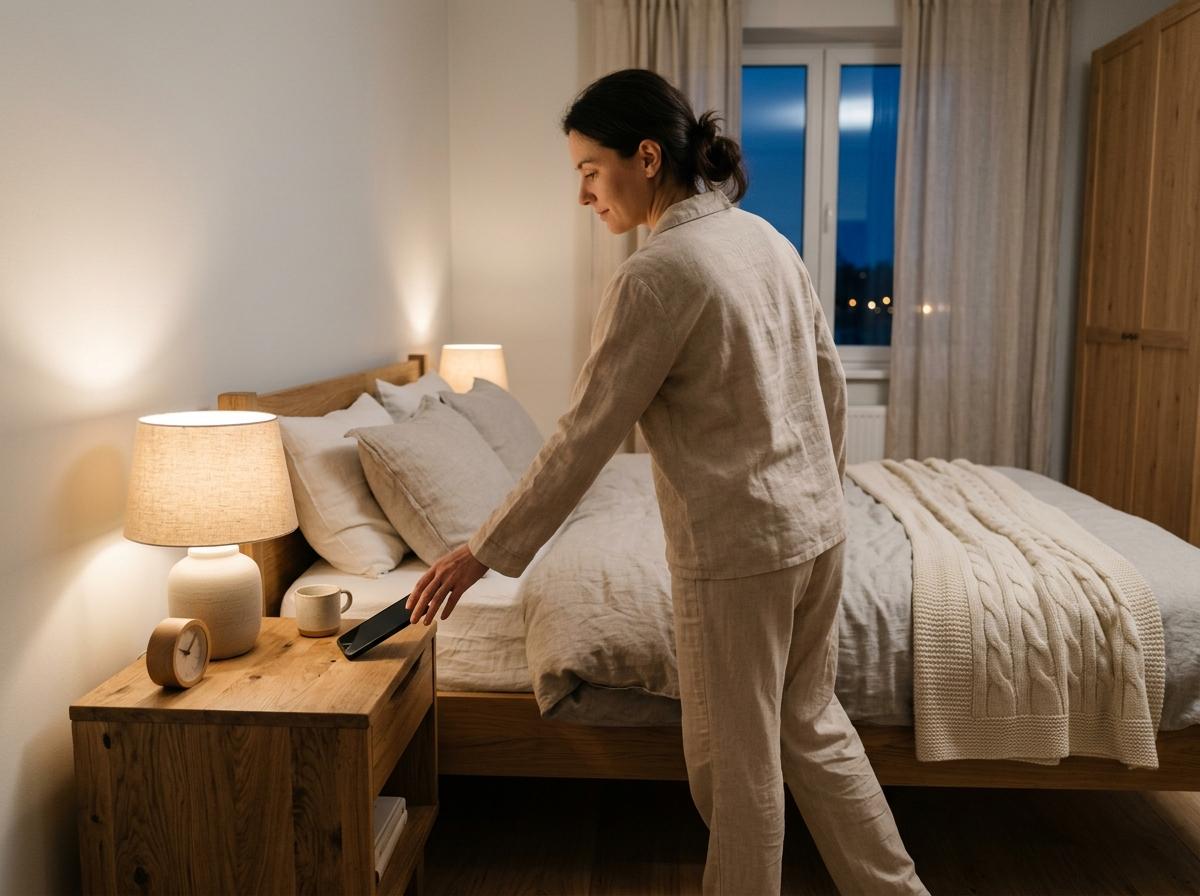
My phone has an unfortunate talent for turning “five minutes before bed” into a tour of other people's lives, weather forecasts, shopping carts, and one extremely unnecessary review of patio furniture. A quieter transition makes more sense. Sleep guidance recommends dim lighting before bed and reducing exposure to phones and computers as part of a relaxing pre-sleep routine.
- Dim. Switch off bright overhead lights and use softer lighting.
- Park. Put the phone somewhere that makes checking it slightly inconvenient.
- Replace. Read, wash your face, stretch, or simply sit quietly for a few minutes.
You do not need a dramatic digital detox. Making bedtime less stimulating is enough of a goal.
Try Gentle Stretching or Deep Breathing

Some nights my body feels tired while my brain is still running a staff meeting nobody scheduled. Gentle stretching or slow breathing can give me something simple to focus on without turning bedtime into another performance. Relaxation techniques are included in established sleep guidance, and menopause self-care guidance also recommends relaxing activities.
- Keep stretches gentle rather than turning them into a workout.
- Try a few slow, comfortable breaths.
- Stop if an exercise causes pain, dizziness, or discomfort.
- Choose the version you can actually repeat on a tired Tuesday.
The point is lowering the evening pace, not achieving some perfect state of relaxation.
Keep a Consistent Bedtime and Wake Time
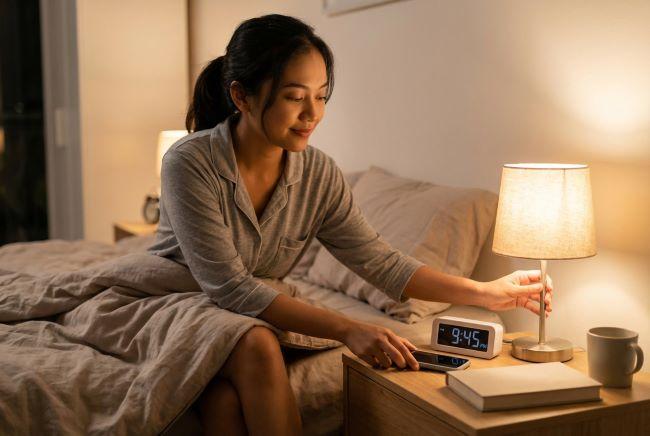
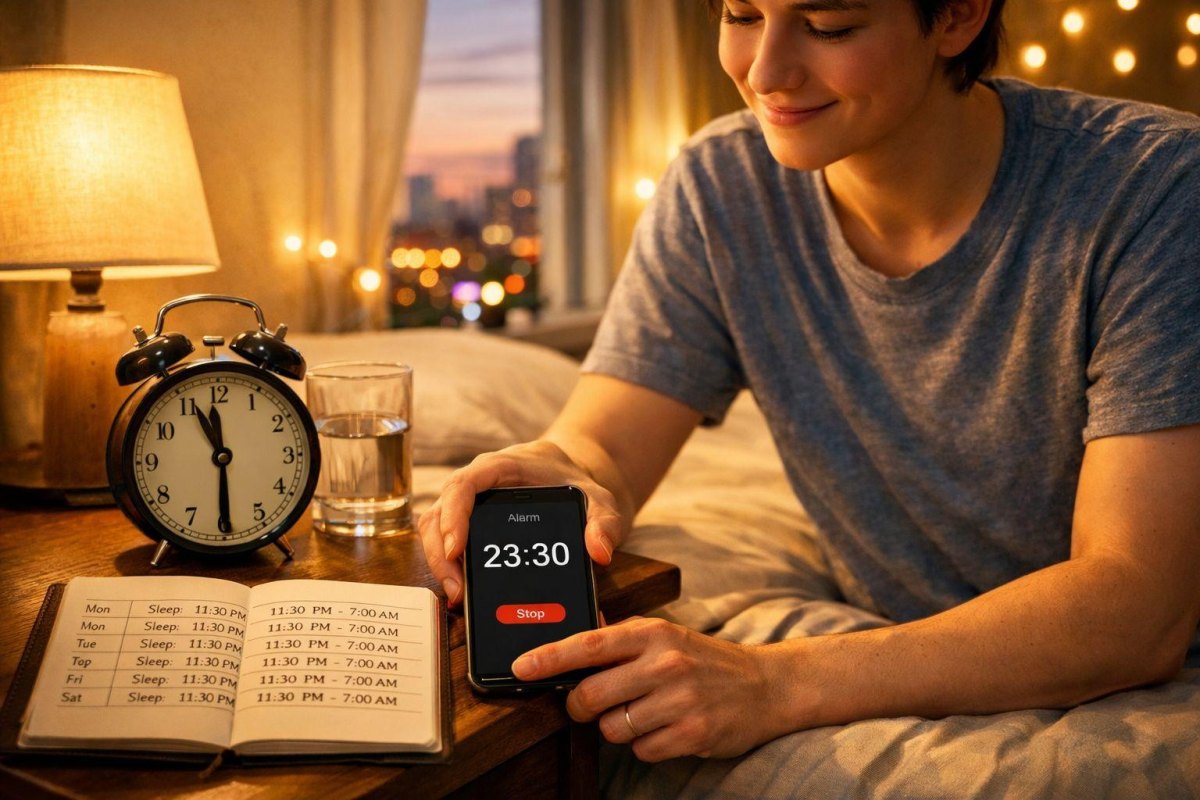
A regular schedule is one of the least glamorous sleep suggestions, which may be exactly why it survives. Menopause guidance recommends going to bed at roughly the same time each night, while broader sleep guidance also supports a consistent sleep schedule and relaxing bedtime routine.
Make it flexible, not fussy
You do not need to hit the mattress at exactly 10:17 p.m. every night. Aim for a predictable sleep window that works with your actual life, then keep the sequence around it fairly familiar.
If sleep disruption is persistent or significantly affecting your daytime life, I would stop endlessly tweaking the bedtime routine and talk with a qualified healthcare professional. Lifestyle experiments have limits, and ongoing insomnia deserves proper attention.
Create a Relaxing Wind-Down Ritual

The best wind-down ritual is the one that does not become another project. Mine would be something as ordinary as washing my face, changing into comfortable sleepwear, putting the phone away, lowering the lights, and reading for a little while. A repeatable sequence gives the evening a clear stopping point without requiring a shelf full of products or a 47-step wellness protocol.
Keep
- Things that feel calming
- Steps you can repeat easily
- Habits that make the bedroom feel ready for sleep
Skip
- Routines that take an hour to maintain
- Expensive products you bought out of desperation
- Anything that makes you feel you have failed if you miss a night
And if night sweats regularly soak your clothes or bedding, wake you repeatedly, or come with other concerning symptoms, that is a good reason to speak with a clinician rather than simply adding another bedtime hack. Better sleep is worth pursuing, but you should not have to troubleshoot everything alone.



 Sleep & Insomnia Solutions13 Natural Ways to Get More Deep Sleep and Wake Up Feeling Rested
 Health & Wellness6 Simple Healthy Habits After 40 That Make Everyday Life Better
 Energy, Hormones & Stress ManagementMenopause und Nachtschweiß – 16 praktische Lösungen für ruhigere Nächte
 Energy, Hormones & Stress Management18 Natural Energy Boosters Without Caffeine That Fit Real Life