

Changing careers in midlife can feel exciting and unsettling at the same time. I know the strange feeling of wondering whether you are making a thoughtful change or simply reacting to a long stretch of being tired. The good news is that many roles value the skills people build over decades: communication, patience, organization, judgment, and problem-solving.
I prefer looking at a career change as a series of small experiments rather than a dramatic escape plan. A new job should fit your actual life, including your energy, finances, and the amount of learning you realistically want to take on.
What I look for in a midlife career change
- Transferable skills that do not require starting from zero
- Training paths that match available time and budget
- Work that feels sustainable after the first burst of enthusiasm
Career Coach

A career coach can be a useful option for someone who enjoys helping others untangle decisions. The work often relies on listening skills and structured conversations rather than having all the answers.
I would approach this carefully because a coaching business requires more than taking a short course and printing business cards. The practical side includes finding clients, building trust, and creating a steady schedule.
Healthcare Administrator

Healthcare administration can suit people who like organization but want their work connected to something meaningful. Roles range from managing operations to coordinating services, and healthcare remains a major growth area.
The transition may be easier for someone bringing office experience, communication skills, or project coordination rather than starting with no related background.
Project Manager

Project management is one of the career changes I often think makes sense for midlife professionals because many people already do pieces of it without the title. Planning timelines, solving problems, and keeping people moving are valuable skills.
The challenge is that project work can become meeting-heavy, so I would test whether the pace matches your preferred daily rhythm.
Digital Marketing Specialist

Digital marketing can appeal to people who enjoy writing, creativity, research, and learning new tools. The field changes quickly, which means curiosity matters as much as previous experience.
I like this option because you can experiment with small projects before making a full career jump.
Data Analyst

Data analysis is not only for people who loved math at school. Many analysts spend time turning messy information into useful decisions, which rewards patience and attention to detail.
The learning curve is real, but building skills gradually in spreadsheets, databases, and visualization can create a practical career pathway.
Teacher or Corporate Trainer
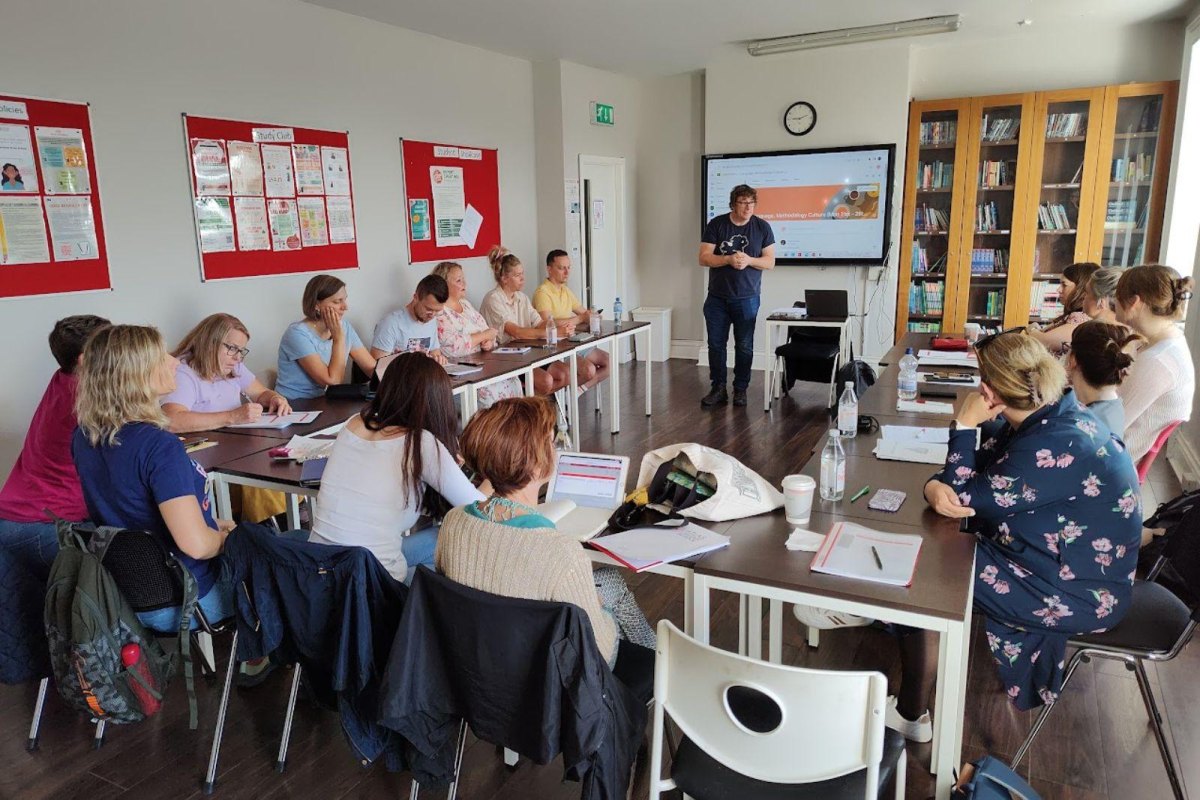
Teaching and training can be a natural fit for people who enjoy explaining ideas. Corporate training especially allows experienced professionals to use knowledge gained from previous industries.
The best version of this change is usually not becoming a completely different person, but sharing experience and expertise in a new setting.
Human Resources Specialist

Human resources can suit someone who understands workplace dynamics and enjoys helping people navigate processes. Recruiting, employee support, and training all require strong interpersonal judgment.
I would consider whether you enjoy the human side of work enough to handle difficult conversations, not just the people-focused moments.
Financial Advisor

Financial advising may appeal to people who like planning and long-term relationships. It can also require significant training, licensing, and responsibility, so this is a change to research carefully.
Before committing, I would explore whether the combination of numbers and client conversations fits your natural strengths.
Software Developer

Software development is a popular career-change idea because technology skills remain valuable. Current projections continue to show strong demand for software developers and related roles.
Still, learning to code takes patience. The low-pressure version is trying a small course or project before investing heavily in a complete career switch.
Real Estate Consultant

Real estate can attract people who enjoy homes, negotiation, and meeting new clients. It offers independence, but income may not arrive as predictably as it does in traditional employment.
I would look honestly at the sales side because relationships are important, but so is the ability to handle financial uncertainty.
Freelance Writer or Editor

Writing and editing are familiar territory for many midlife career changers because professional experience often creates useful subject knowledge. This was part of what made my own work transition feel possible.
The freedom is appealing, but freelancing also means managing clients, invoices, and your own schedule. The business side matters as much as the writing.
UX Designer

UX design combines creativity, research, and problem-solving. It can work well for people who naturally notice where everyday systems become frustrating.
The strongest candidates often bring curiosity about people and technology, along with a willingness to build a portfolio of practical work.
Small Business Owner

Starting a small business can be appealing when you want more control over your work. It can also quietly turn into every job at once: marketing, bookkeeping, customer service, and planning.
I like the idea of testing a business slowly first. A small experiment can reveal whether you enjoy the daily reality, not just the idea.
Nonprofit Manager

Nonprofit management can be rewarding for people who want their work connected to community goals. It often values leadership, organization, and relationship-building.
The meaningful mission is a plus, but I would also consider workload and resources because passion does not automatically create sustainable work.
Sales Consultant

Sales consulting can be a good match for experienced professionals who enjoy conversations and solving customer problems. Many people underestimate how much sales depends on listening rather than pushing.
The important question is whether you like building relationships enough to handle rejection and keep developing client confidence.
Cybersecurity Specialist

Cybersecurity is another technology path attracting career changers because organizations continue investing in protecting systems and information.
It is not a quick fix career, but someone who enjoys investigation and careful problem-solving may find a good match through focused training.
Wellness Coach

Wellness coaching may appeal to people who enjoy encouraging healthier routines and supporting personal goals. It is important to be clear about boundaries and not present coaching as medical advice.
For me, the appeal is the human connection, but the practical question remains: does this career create enough stable structure for your life?
A practical starting point
Before changing everything, spend a few weeks talking with people in roles you are considering. Real conversations often reveal details that job descriptions leave out.





 Sleep & Insomnia Solutions13 Natural Ways to Get More Deep Sleep and Wake Up Feeling Rested
 Health & Wellness6 Simple Healthy Habits After 40 That Make Everyday Life Better
 Energy, Hormones & Stress ManagementMenopause und Nachtschweiß – 16 praktische Lösungen für ruhigere Nächte
 Energy, Hormones & Stress Management18 Natural Energy Boosters Without Caffeine That Fit Real Life