

I used to think better sleep required a perfect evening routine with all the right steps, products, and rules. After enough nights of trying to “fix” my sleep, I realised the routines that lasted were usually the simpler ones.
A good sleep routine is not about creating another job at the end of the day. It is about making your evenings a little quieter and giving your body a consistent signal that the day is winding down. These are the habits I find most practical when the goal is deeper, more settled sleep.
A realistic deep sleep routine focuses on
- A steady sleep schedule that works with real life
- A calming transition between busy days and bedtime
- A bedroom setup that reduces unnecessary friction
- Small habits that support better sleep without becoming overwhelming
Set a Consistent Sleep and Wake Schedule

The first change I made was also the least exciting: I stopped treating bedtime as something that happened whenever I finally finished everything else.
Keeping a fairly consistent sleep and wake schedule helped my evenings feel less scattered. It does not mean every night needs to run like a hotel timetable. Life happens. Dinner runs late, friends visit, and sometimes the dog decides the evening needs an unexpected walk.
The useful part is having a general rhythm. Going to bed and getting up around similar times gives your body a clearer pattern to follow.
A simpler starting point
Try adjusting your bedtime by small amounts instead of attempting a dramatic overnight reset. A routine you can repeat is more valuable than a perfect one you abandon.
Create a Relaxing Pre-Sleep Wind-Down Routine

I used to imagine a bedtime routine needed candles, complicated skincare, and a long list of relaxing activities. My actual successful version is much less glamorous: softer lighting, a few quiet minutes, and fewer things competing for my attention.
A wind-down routine works because it creates a transition. After a full day of emails, errands, conversations, and decisions, my brain does not always understand that “the day is over” just because I turned off the kitchen light.
Simple habits that can help create that transition include:
- Putting away tomorrow’s small decisions before bed
- Reading something enjoyable instead of scrolling endlessly
- Keeping the last part of the evening calmer and less task-focused
The low-energy version counts too. On tired nights, my routine might simply be washing my face, setting out clothes for tomorrow, and getting into bed without adding extra steps.
Optimize Your Bedroom for Deep Sleep
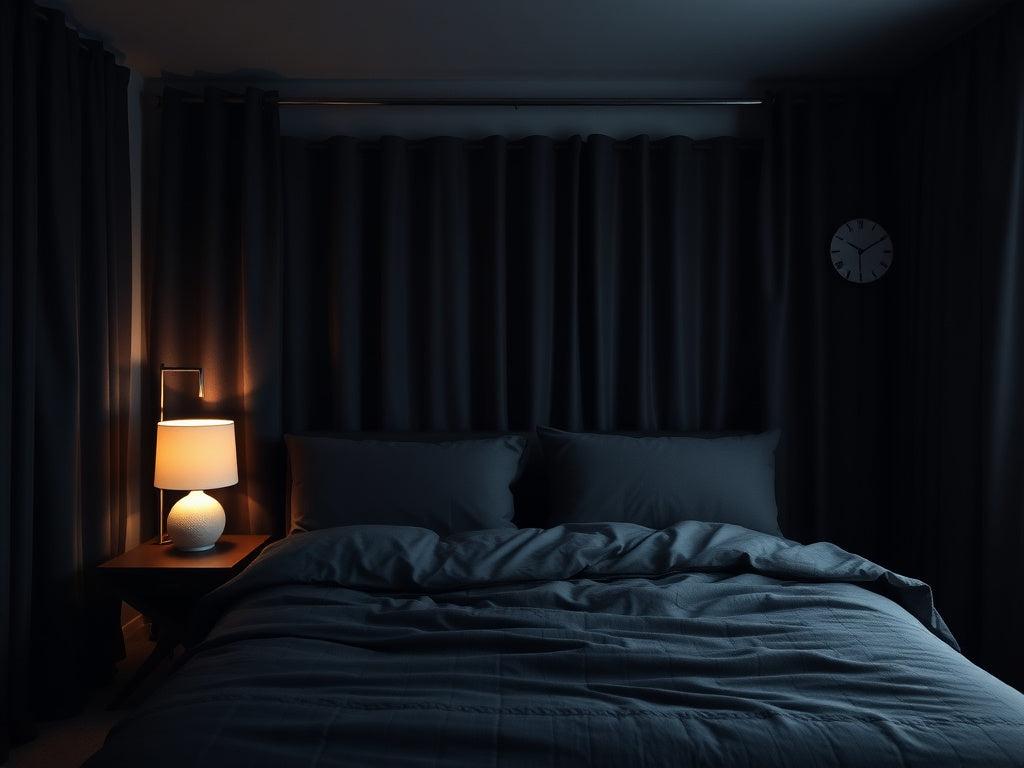
I spent years blaming my mattress for every poor night of sleep. Sometimes the mattress probably deserved some criticism, but eventually I noticed there were many smaller details affecting how my bedroom felt.
A sleep-friendly bedroom does not need to look like a luxury hotel. The changes that made the biggest difference for me were practical ones: reducing clutter near the bed, making the room comfortable, and keeping the environment calm.
- Light: A darker, calmer space can make bedtime feel more natural.
- Temperature: A comfortable room temperature matters more than creating a picture-perfect bedroom.
- Convenience: Keep the things you need nearby so bedtime requires fewer decisions.
Before buying anything expensive, I like testing the free changes first. Sometimes moving a lamp or clearing a surface does more than another purchase promising to transform your sleep.
Practice Breathing and Relaxation Techniques Before Bed

Some nights my body is tired but my thoughts are still making a list. I suspect many women know that strange feeling of being ready for sleep while your brain is reviewing tomorrow’s schedule.
Relaxation techniques can be a useful way to slow down before bed. I think of them as a gentle signal rather than a magic switch.
- Settle. Find a comfortable position and let your shoulders relax.
- Breathe. Try slow, comfortable breathing without worrying about doing it perfectly.
- Notice. Bring attention back to the present moment when your thoughts wander.
A realistic expectation
Relaxation practices may feel helpful, but they are not a replacement for discussing ongoing or significant sleep problems with a qualified healthcare professional.
Choose Evening Habits That Support Better Sleep

The evening habits that helped me most were not dramatic. They were the ones that removed little points of friction.
I pay attention to anything that makes bedtime harder: a late burst of work, a room that needs attention, or the temptation to keep scrolling because I finally have quiet time.
Helpful habits might include:
- Finishing mentally demanding tasks earlier when possible
- Creating a predictable cue that the day is ending
- Choosing relaxing activities instead of adding more obligations
- Keeping caffeine and alcohol choices in mind if they affect your sleep
The goal is not to become a person who has a flawless evening routine. That sounds exhausting. The goal is to make your usual evening a little kinder to tomorrow’s version of you.
Maintain a Morning Routine That Improves Sleep Quality
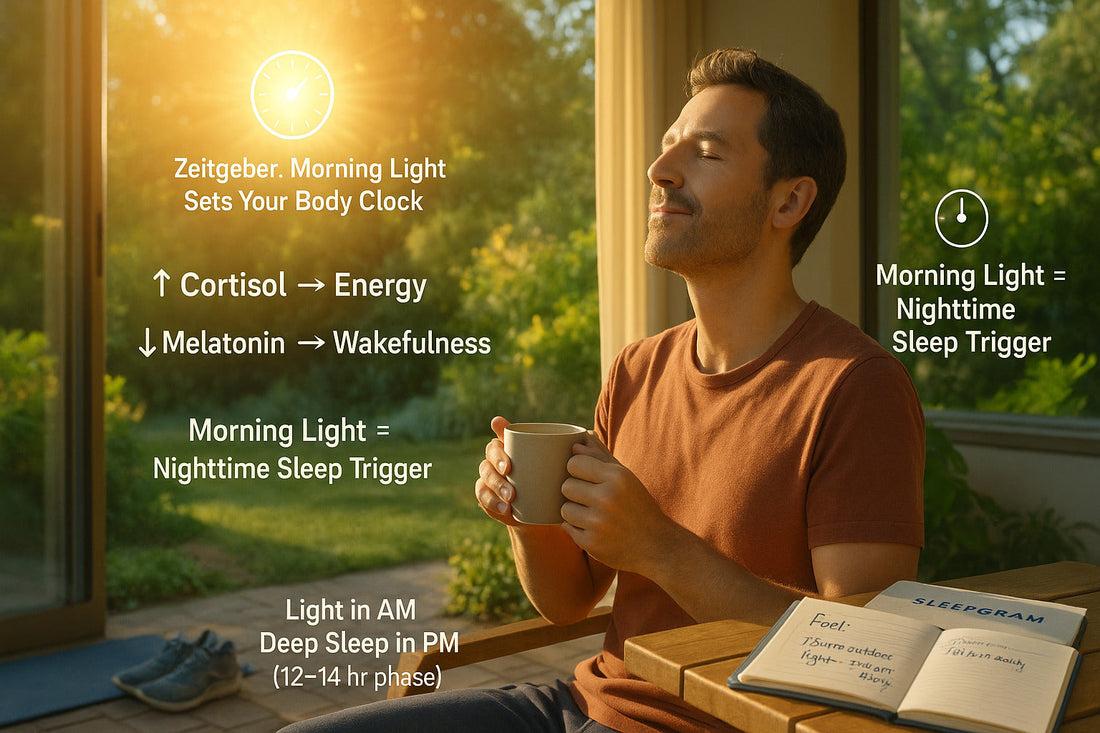
One thing I did not expect when working on my sleep routine was how much my mornings mattered. I was focused on bedtime, but the start of the day also shaped how my evenings unfolded.
A calm morning routine does not need to be another productivity project. For me, it is about simple anchors: getting daylight, moving through the morning at a reasonable pace, and starting the day without immediately feeling behind.
Small morning habits can support a more predictable sleep pattern:
- Open curtains and get natural light when possible
- Keep wake time reasonably consistent
- Create a morning rhythm that feels manageable
If your sleep has become consistently difficult, disruptive, or concerning, it is worth bringing those concerns to a qualified healthcare professional rather than endlessly adding new bedtime tricks.
How long does it take to build a sleep routine?
It varies from person to person. I find it more useful to focus on repeating a few realistic habits than expecting an immediate change.
Do I need an elaborate bedtime routine for deeper sleep?
No. The routines that last are often the simple ones you can continue on ordinary busy evenings.



More Pinterest Visuals



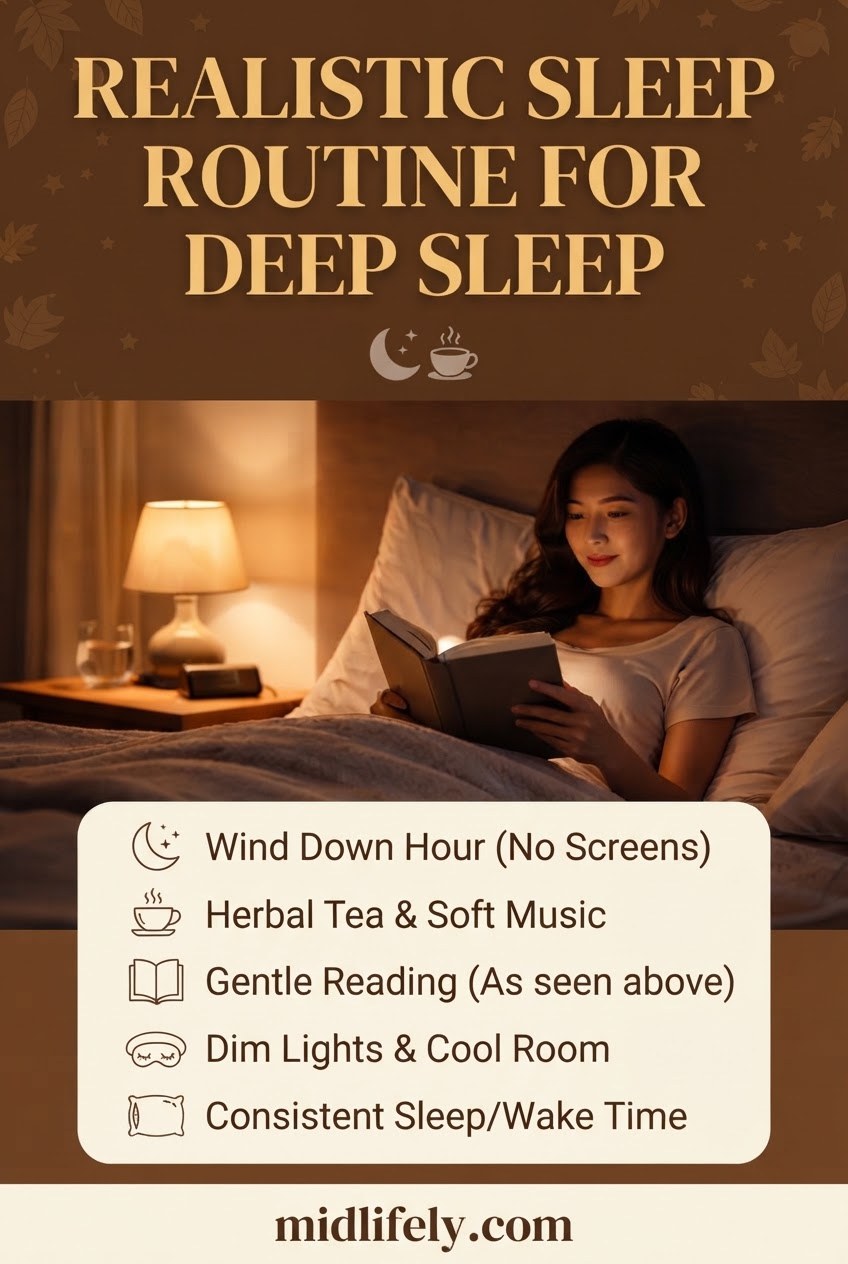








 Sleep & Insomnia Solutions13 Natural Ways to Get More Deep Sleep and Wake Up Feeling Rested
 Health & Wellness6 Simple Healthy Habits After 40 That Make Everyday Life Better
 Energy, Hormones & Stress ManagementMenopause und Nachtschweiß – 16 praktische Lösungen für ruhigere Nächte
 Energy, Hormones & Stress Management18 Natural Energy Boosters Without Caffeine That Fit Real Life