

A luxury living room is easy to imagine and surprisingly difficult to make comfortable. I have seen plenty of beautiful rooms that look like nobody is allowed to sit down. The best spaces balance visual drama and daily comfort, using architecture, furniture, and lighting to create a room that feels impressive without becoming another thing to maintain.
When I look at mansion interiors, I pay attention to what still works after the first week of admiration. Current luxury design conversations increasingly focus on layered lighting, natural materials, personalization, and technology that quietly supports the home rather than taking it over.
Grand Double-Height Living Room Architecture
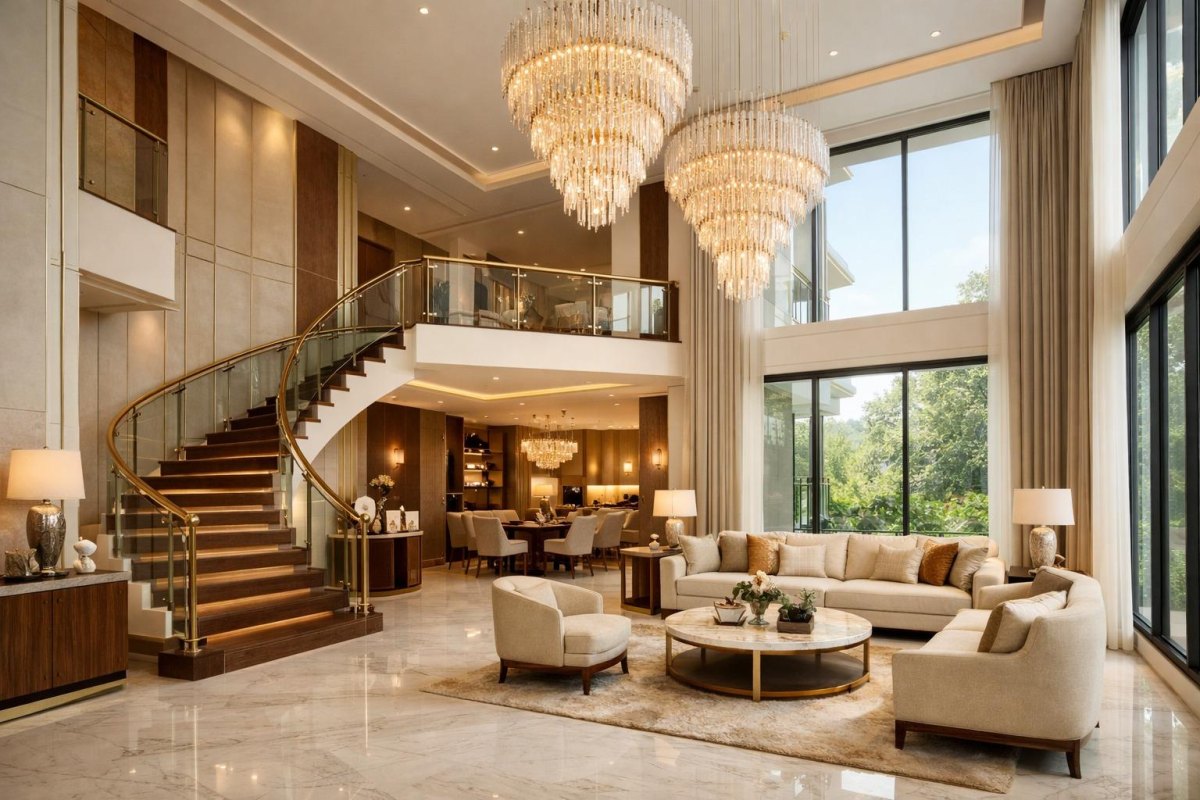
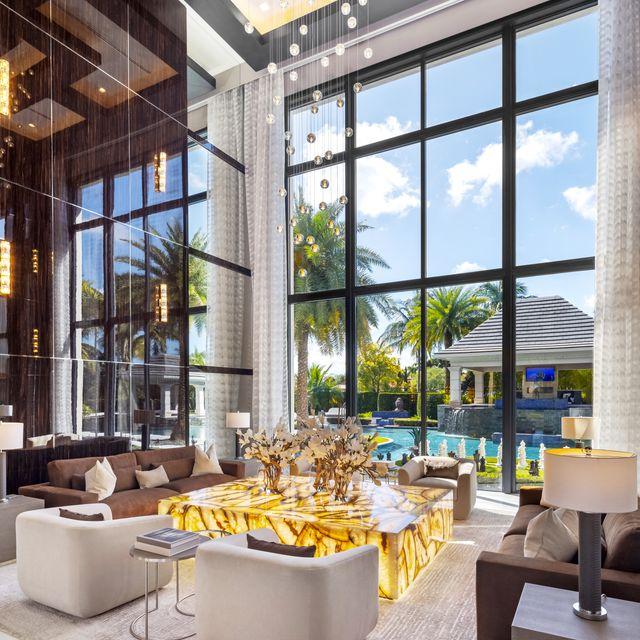
Double-height rooms create immediate impact through vertical scale and openness. I love the drama of tall windows and generous proportions, but I would always add warmth with rugs, artwork, and layered textures so the space does not feel like a hotel lobby.
The practical question is whether the height improves everyday living or only photographs well. Acoustic treatments, soft furnishings, and thoughtful lighting help these rooms feel inviting.
Floor-to-Ceiling Glass Wall Living Spaces
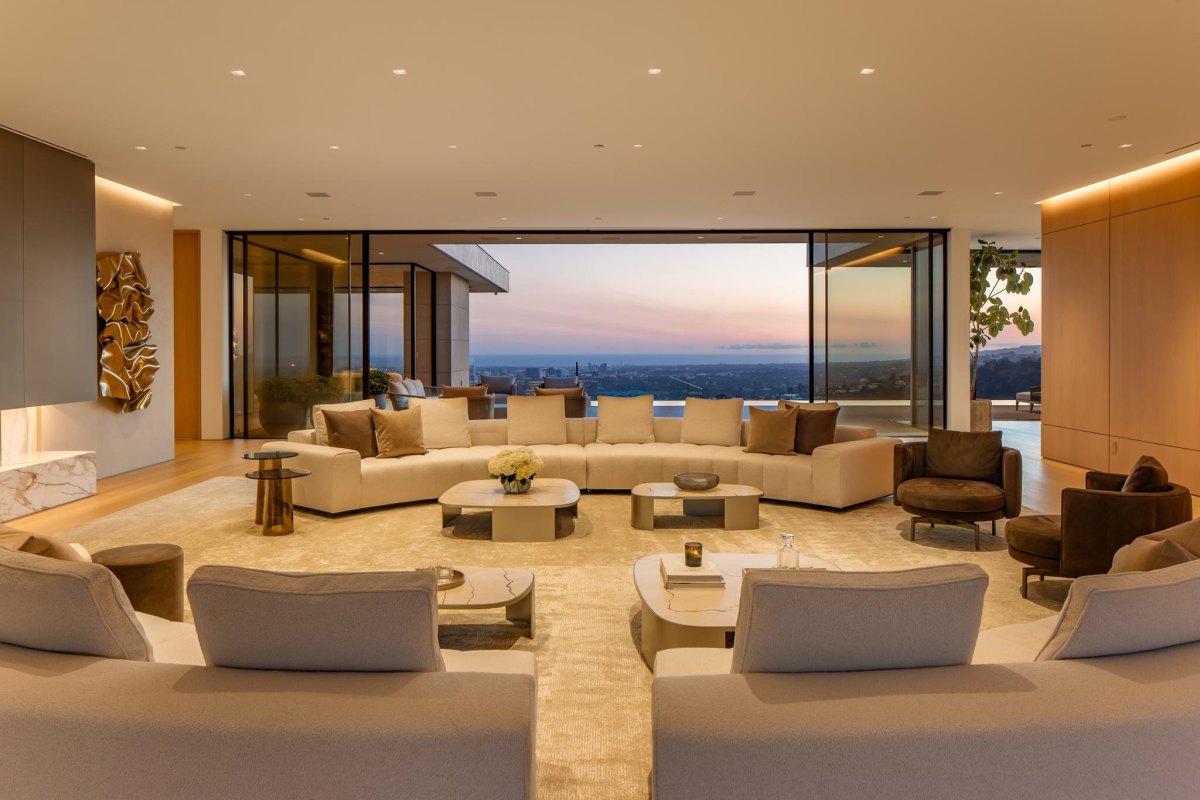
Glass walls bring the outside in and make a living room feel connected to its surroundings. The best examples use natural views as decoration instead of filling every corner with accessories.
I would consider privacy, window cleaning, and glare before committing. A beautiful view should make life easier, not create another maintenance project.
Opulent Marble Fireplace Designs
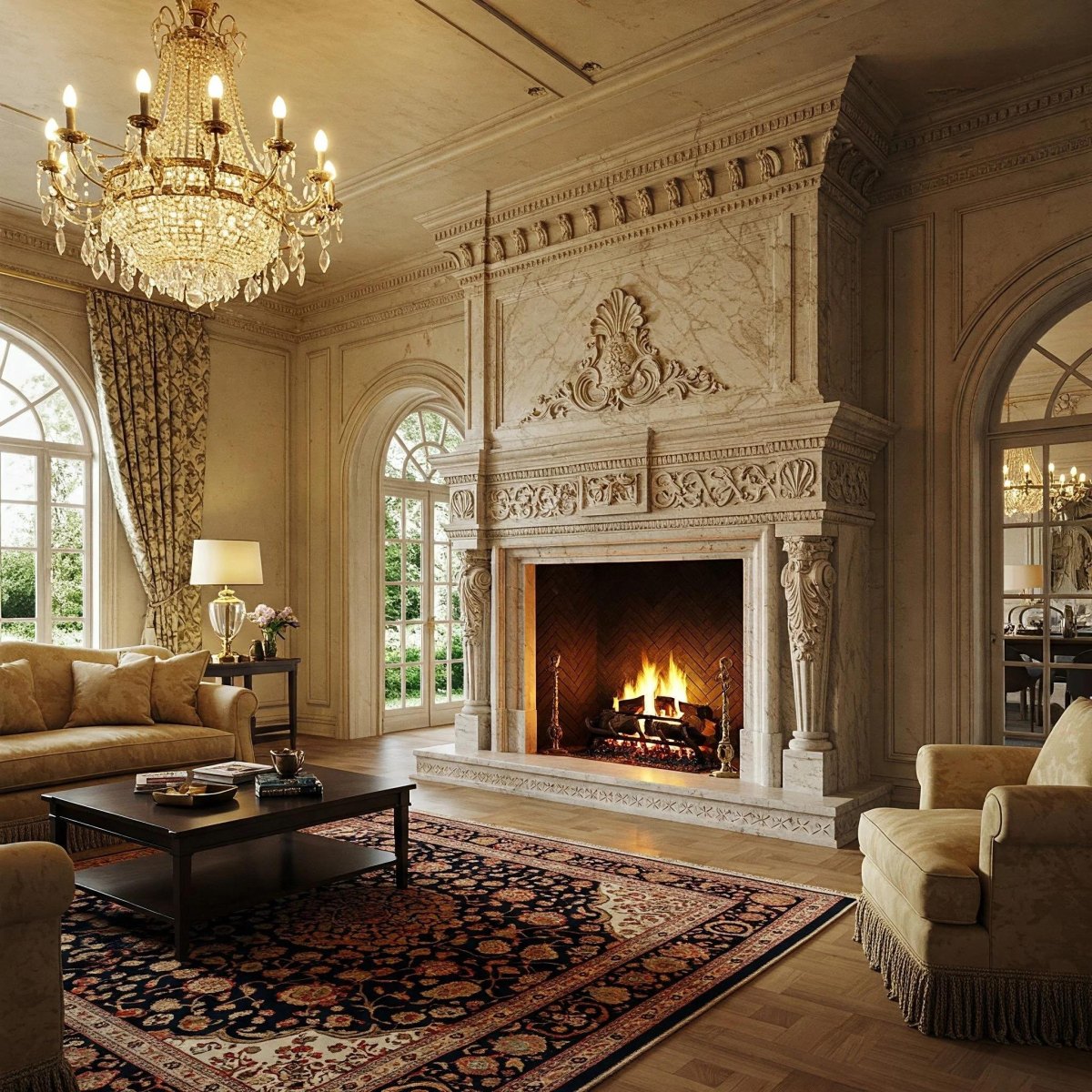
A marble fireplace can become the anchor of a mansion living room. I prefer designs where the stone provides quiet architectural character rather than competing with every other feature.
Before choosing expensive materials, I would live with samples in the actual room. Lighting changes how marble looks throughout the day.
Contemporary Designer Furniture Arrangements
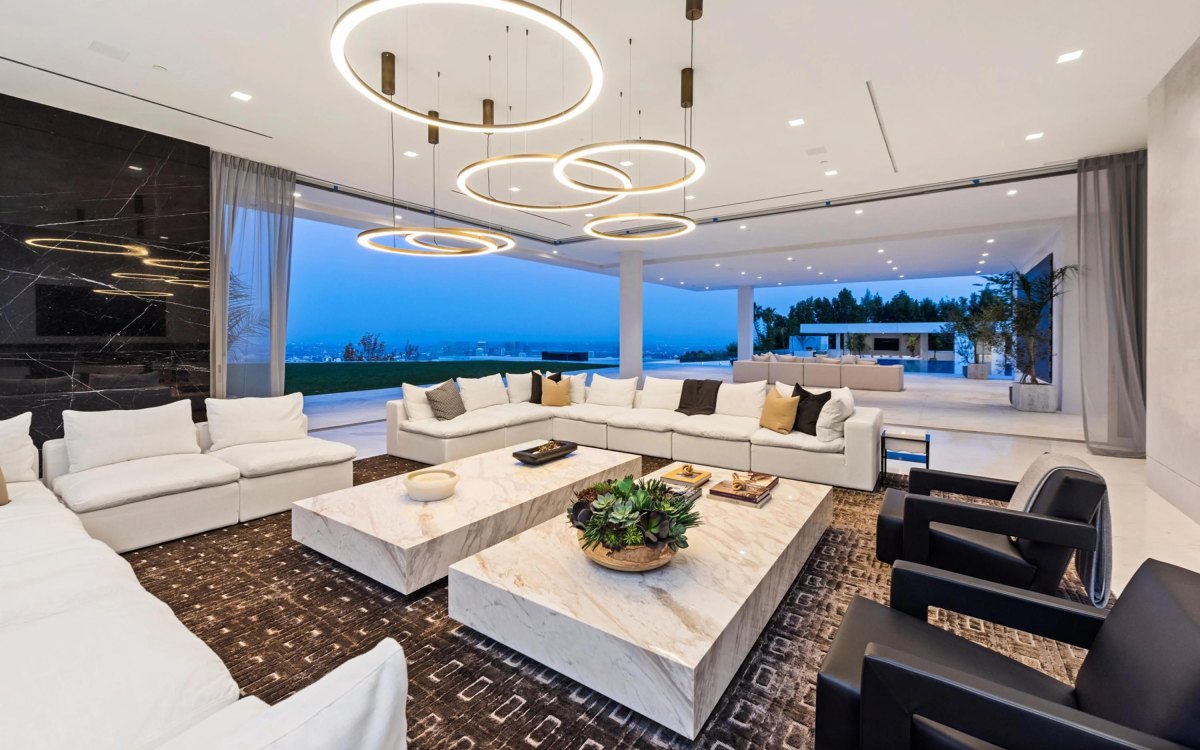
Designer furniture works best when it supports conversation and movement. A beautiful sofa that nobody wants to sit on is a decoration, not a living room. Investing in high-use furniture pieces often makes more sense than chasing every trend.
I like arrangements that create comfortable zones without making guests navigate a furniture maze.
Classic European-Inspired Living Room Interiors
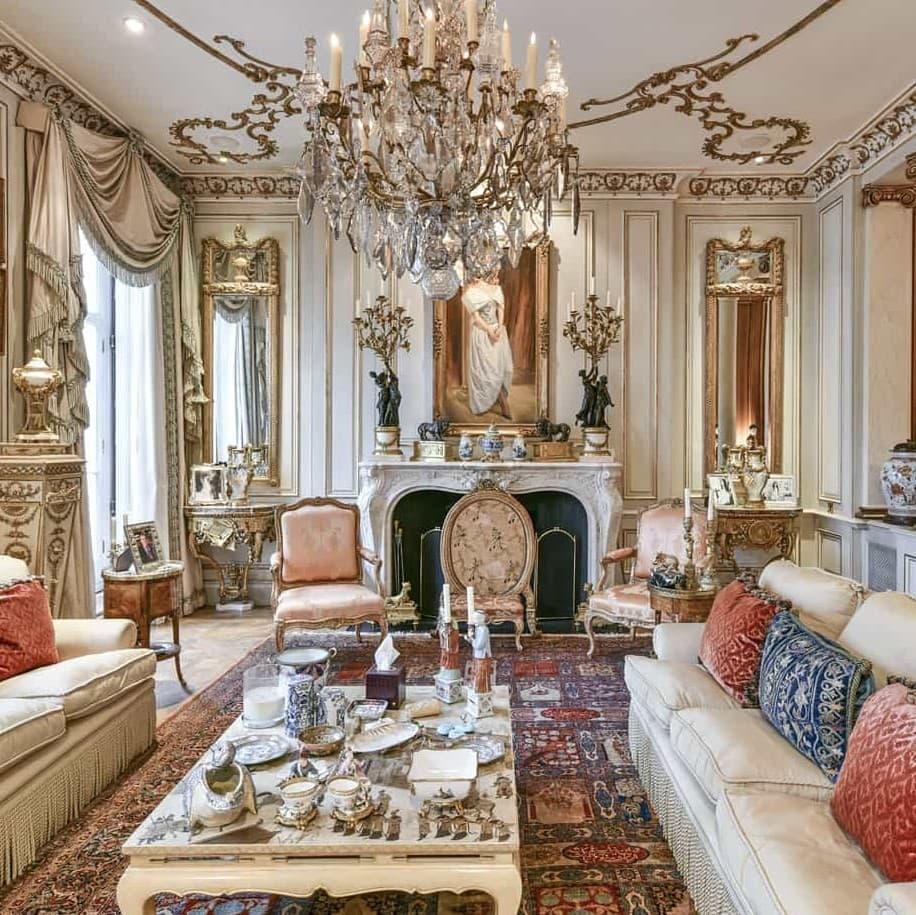
European-inspired rooms often succeed because they combine history with comfort. Antique details, art, and tailored furniture create layers of personality rather than a showroom effect.
The trick is editing. Too many ornate elements can make a room feel like a museum instead of a home.
Luxury Neutral Color Palette Interiors
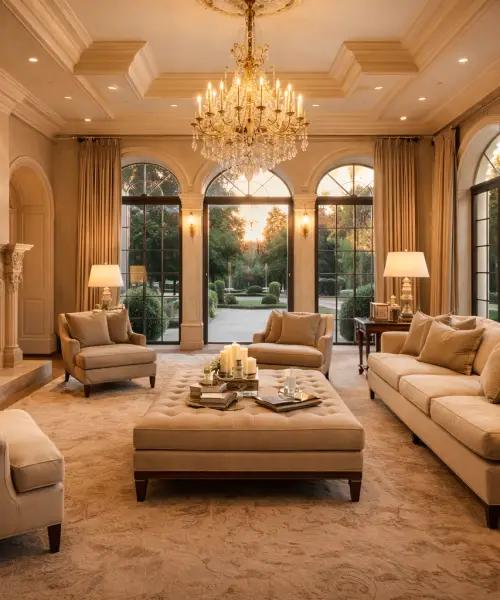
Neutral does not have to mean plain. Creams, warm greys, stone shades, and natural woods create calm visual foundations that allow architecture and texture to shine.
I would choose fewer colors and spend more attention on fabrics and finishes. A quiet palette usually ages better than a trend-heavy one.
Statement Chandeliers and Ambient Lighting
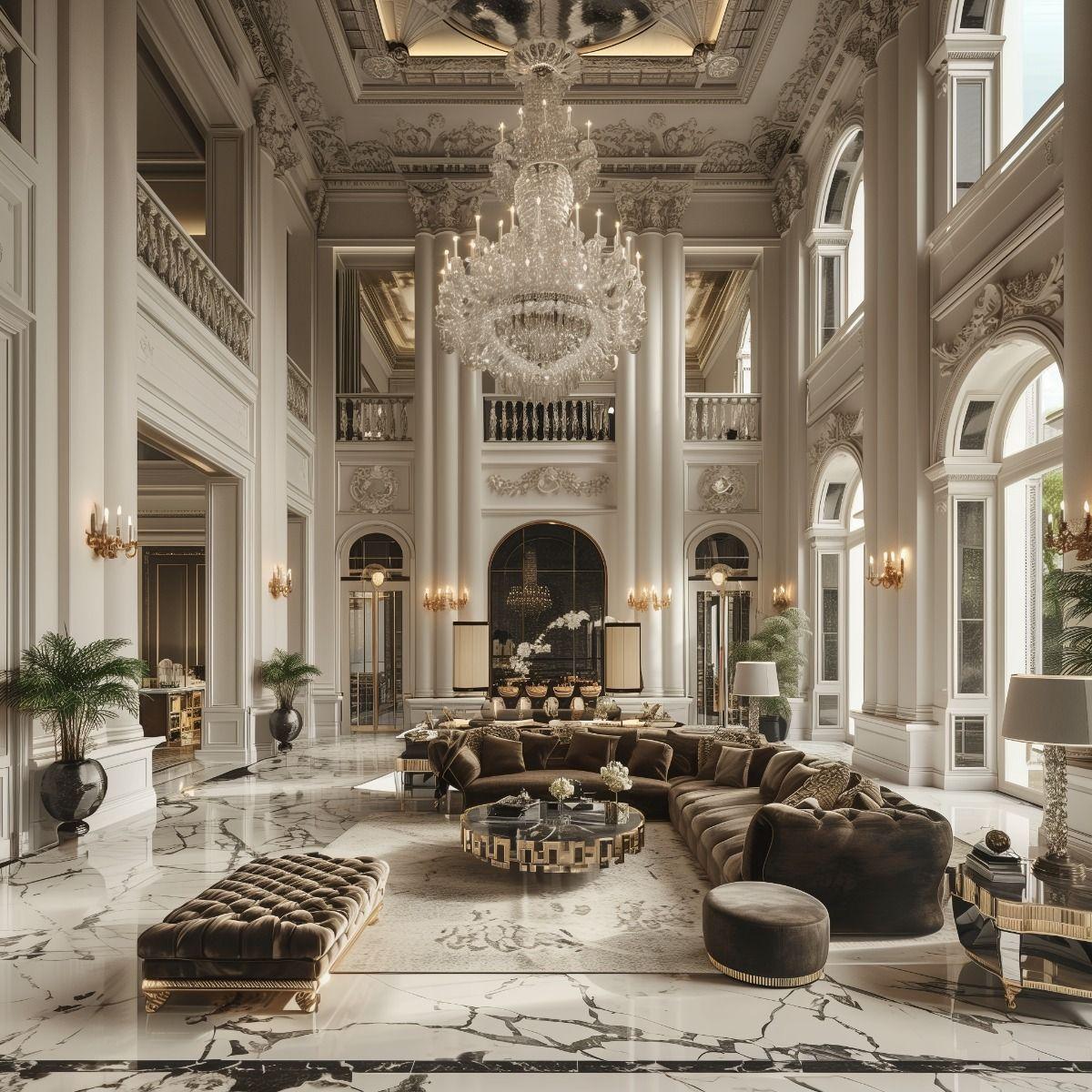
A chandelier can be the jewelry of a room, but it needs support. Modern luxury interiors increasingly use multiple lighting layers instead of relying on one ceiling fixture.
I prefer lighting plans that include task, accent, and evening options because homes are lived in at different times of day.
Custom Wood Paneling and Architectural Details
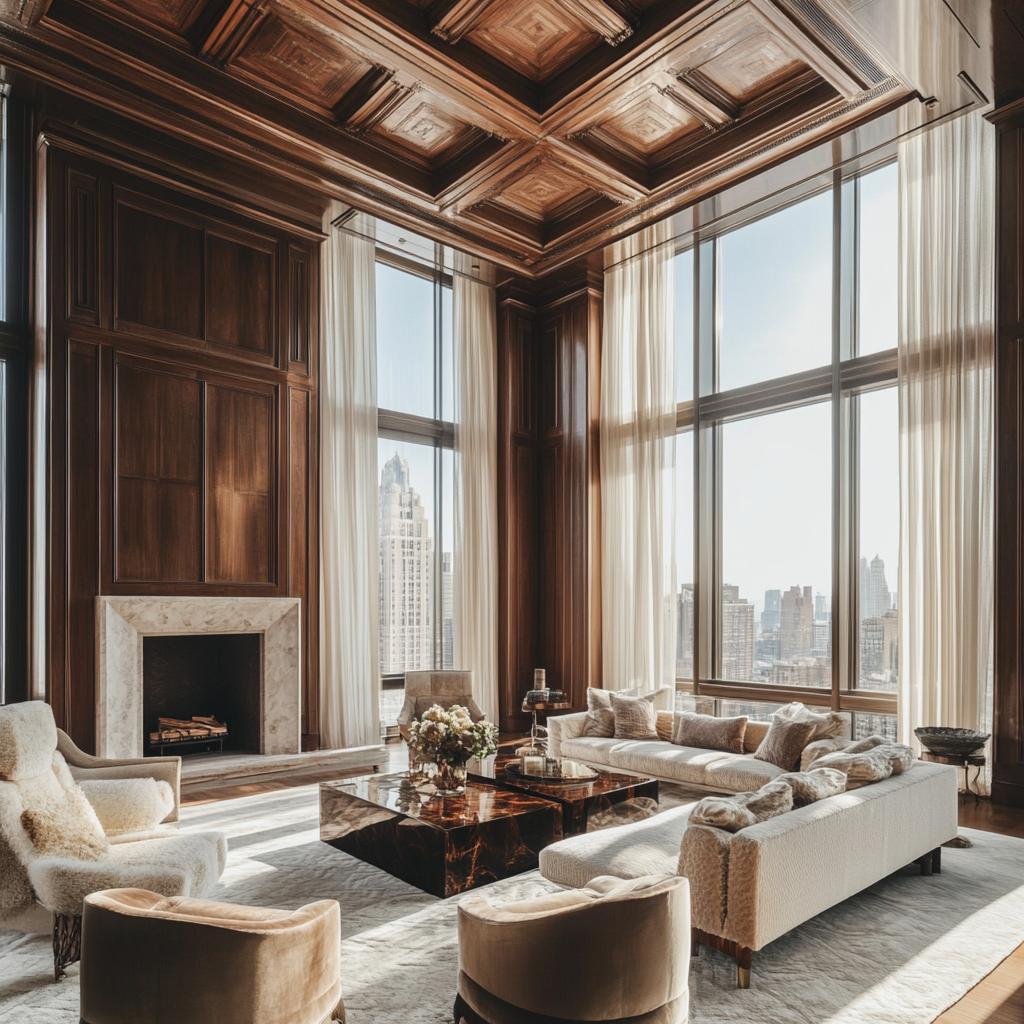
Wood paneling adds depth and warmth, especially in large rooms. Custom details create a sense of permanence that paint alone often cannot provide.
The low-energy version of this idea is adding one considered wall treatment rather than renovating every surface.
Modern Minimalist Luxury Living Rooms
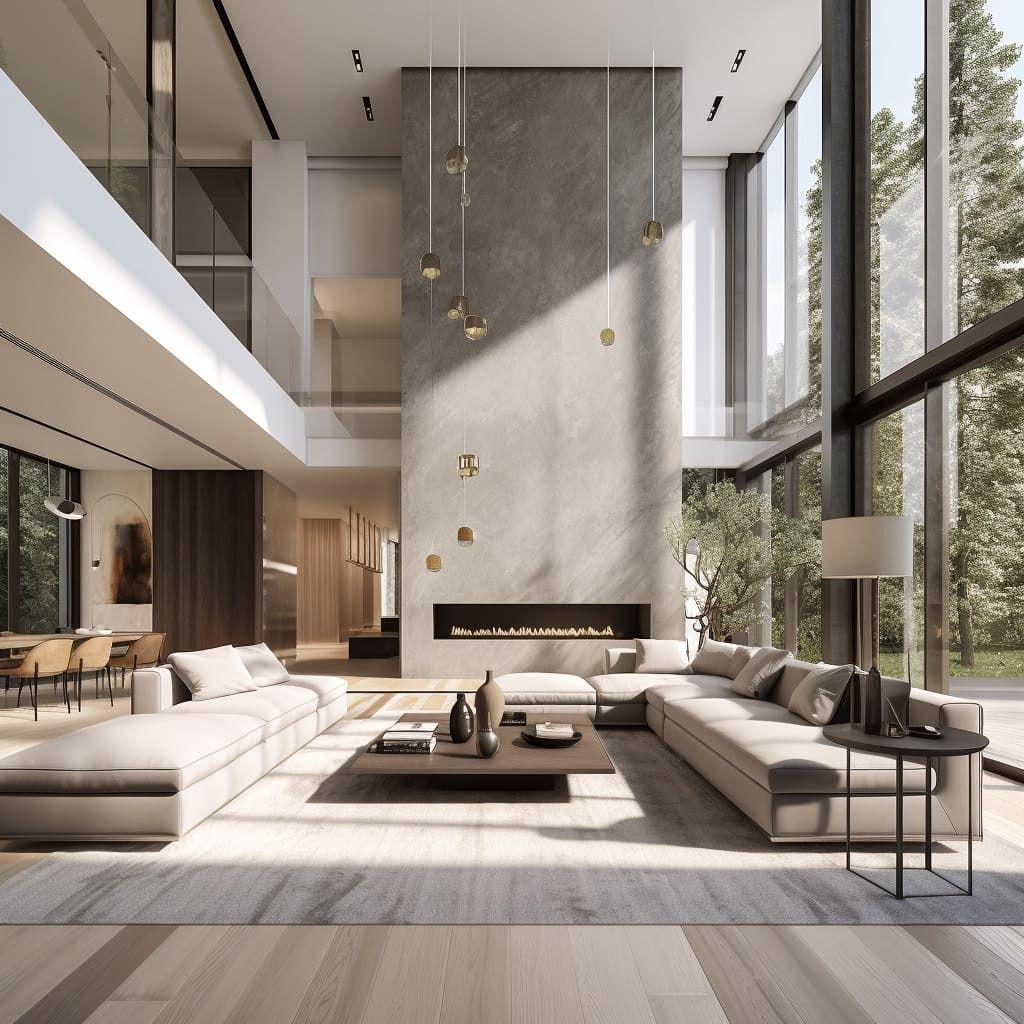
Minimalist luxury is less about having less and more about choosing carefully. The strongest rooms use clean lines and intentional pieces instead of empty spaces that feel unfinished.
I appreciate minimalism when it reduces visual noise, but I still want signs of real life: books, art, and comfortable seating.
Indoor Garden Living Room Concepts
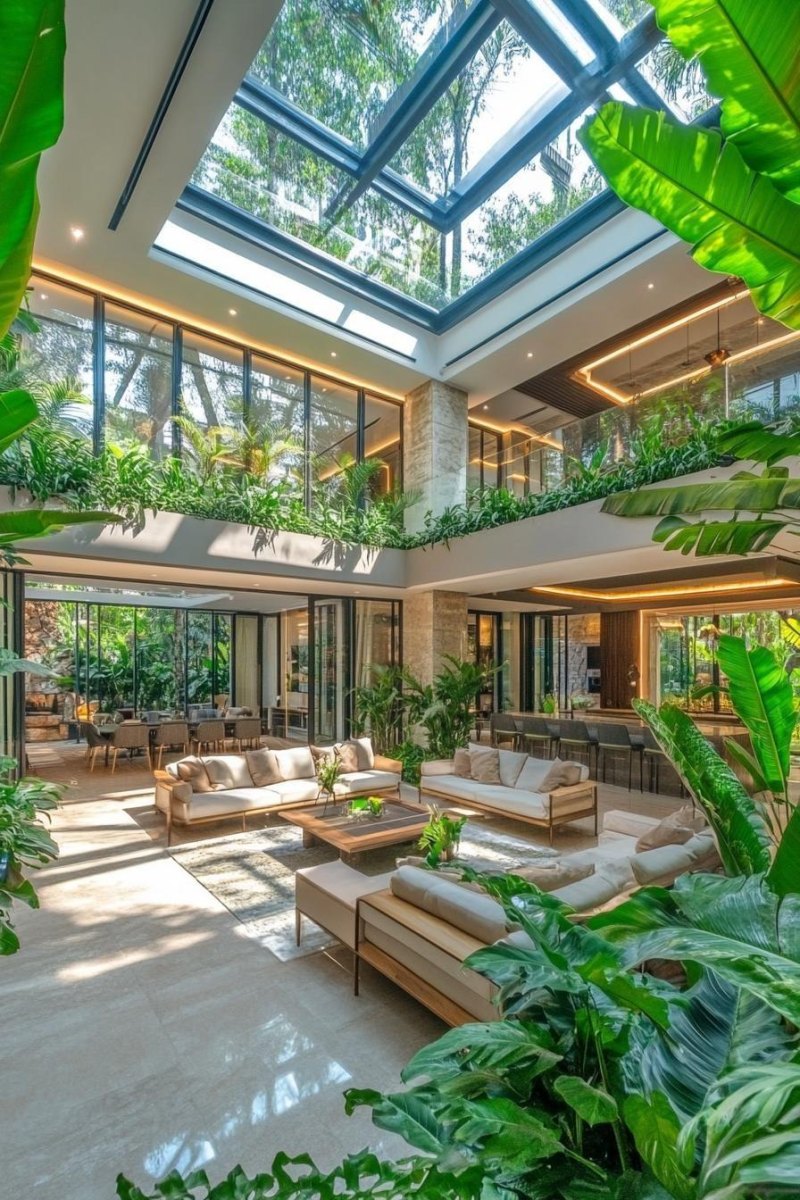
Indoor greenery softens large architectural spaces and adds a sense of calm. Plants work best when they become part of the design rather than another daily obligation.
I would choose realistic maintenance levels. A smaller number of healthy plants often feels better than a jungle that requires constant care.
Art-Focused Mansion Living Spaces
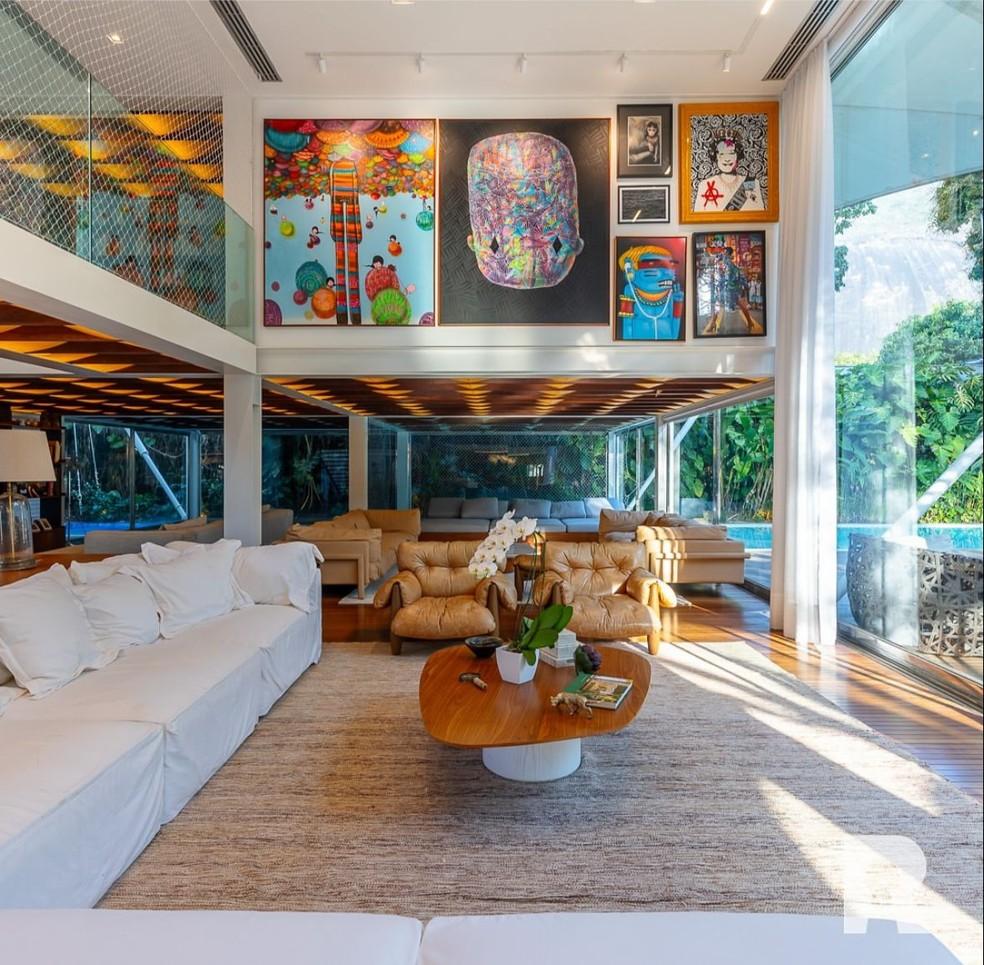
Art gives a luxury room a personal story. The most memorable spaces use collections that reflect the owner rather than simply following expensive decoration trends.
I would buy pieces because I want to see them every day, not because they fill an empty wall.
Panoramic Ocean View Living Rooms
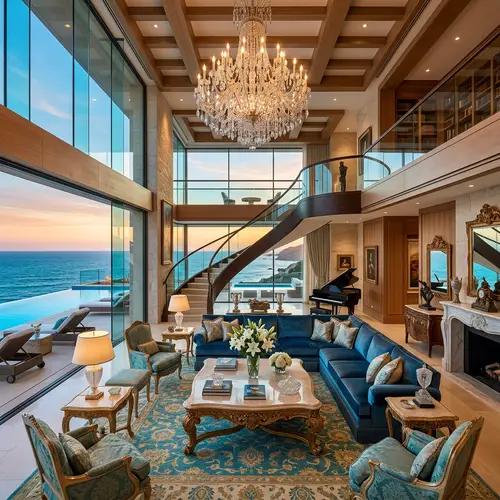
Ocean-facing living rooms already have a powerful focal point. The interior should support the view with simple elegant choices rather than compete with it.
Natural textures, comfortable seating, and flexible lighting help these rooms work beyond the daytime photograph.
High-Ceiling Lounge Areas With Sculptural Decor
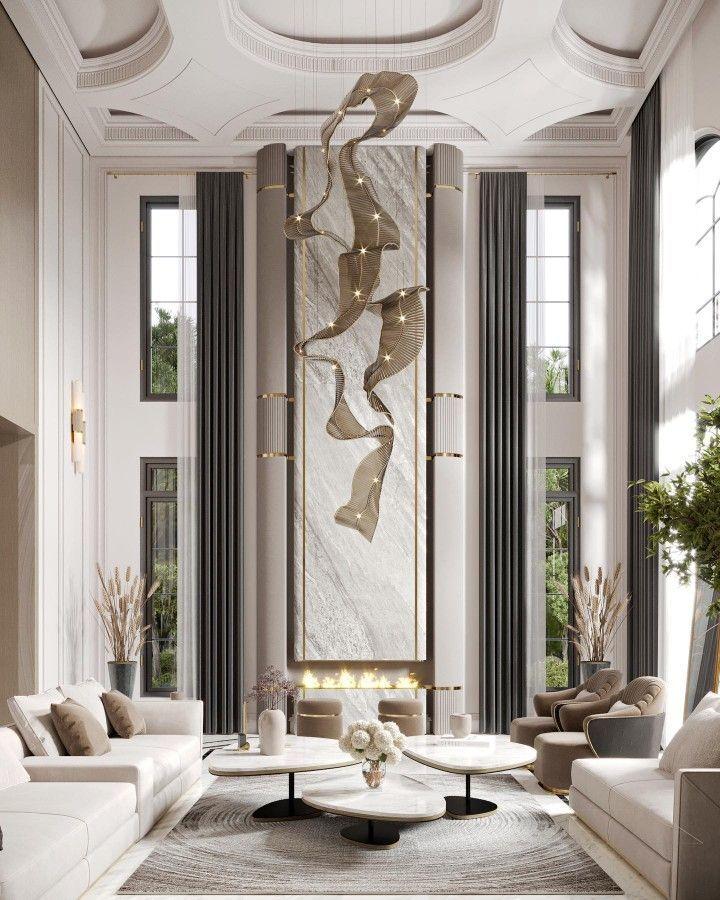
Sculptural pieces help large rooms feel balanced. A carefully chosen object can create a visual resting point in a high-ceiling space.
I prefer fewer statement pieces with room around them. Luxury often comes from restraint, not accumulation.
Gold Accent Luxury Interior Styling
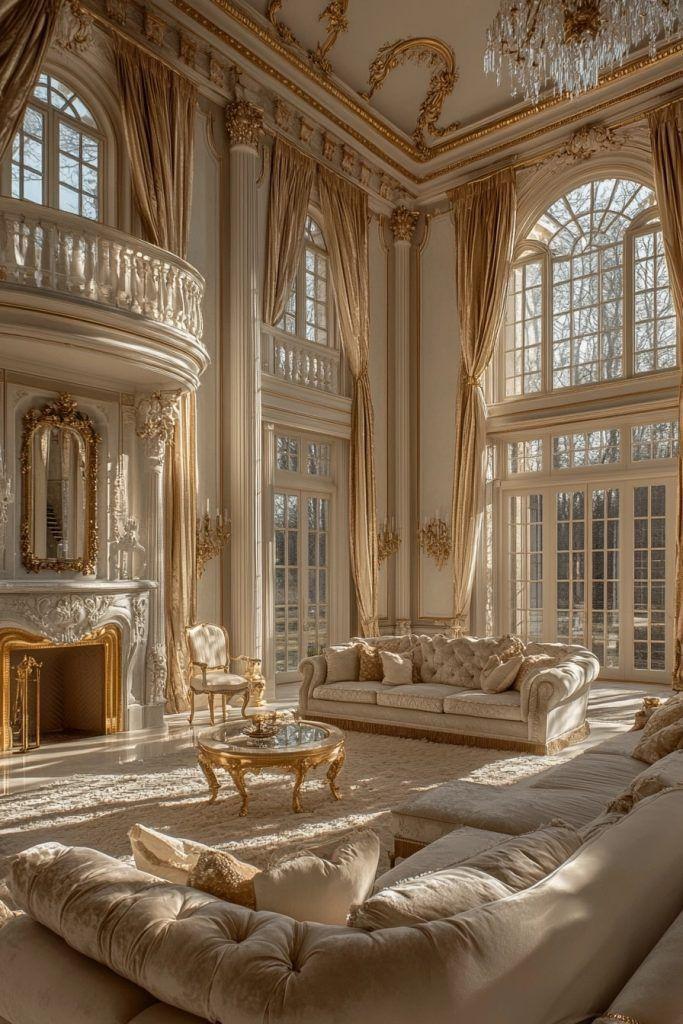
Gold accents can add warmth when used thoughtfully. I like small touches through hardware, frames, or lighting because they create subtle moments of shine.
Too much metallic detail can quickly become tiring, so balance matters more than quantity.
Cozy Luxury Lounge With Designer Textiles
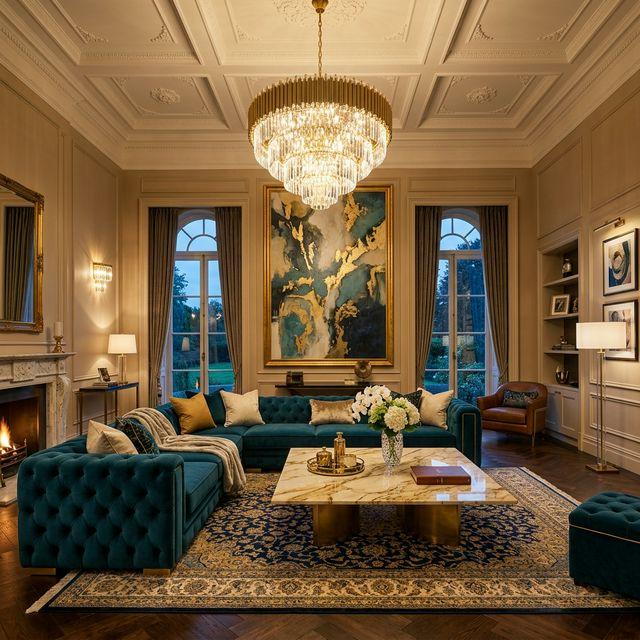
Luxury fabrics are where a room becomes comfortable. Velvet, wool, linen, and layered cushions create tactile comfort and softness.
This is one area where I would spend carefully because textiles affect how a room feels every single day.
Smart Home Integrated Living Room Design
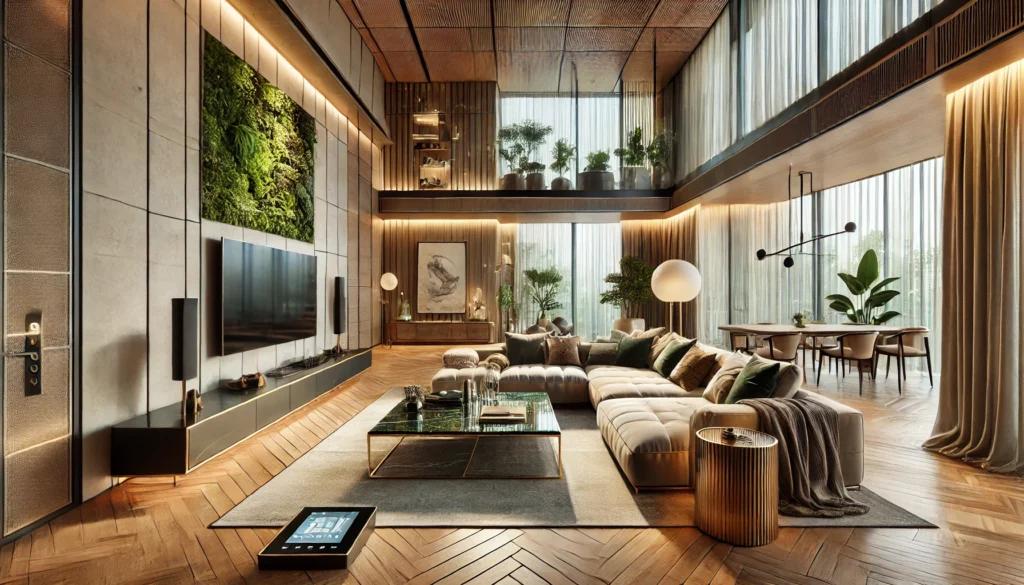
The best smart homes make technology almost invisible. I am more interested in quiet convenience than having a wall full of controls. Current luxury approaches emphasize integrated systems that support comfort without distracting from design.
Before installing anything complicated, I would ask whether it genuinely saves time.
Indoor-Outdoor Connected Living Areas
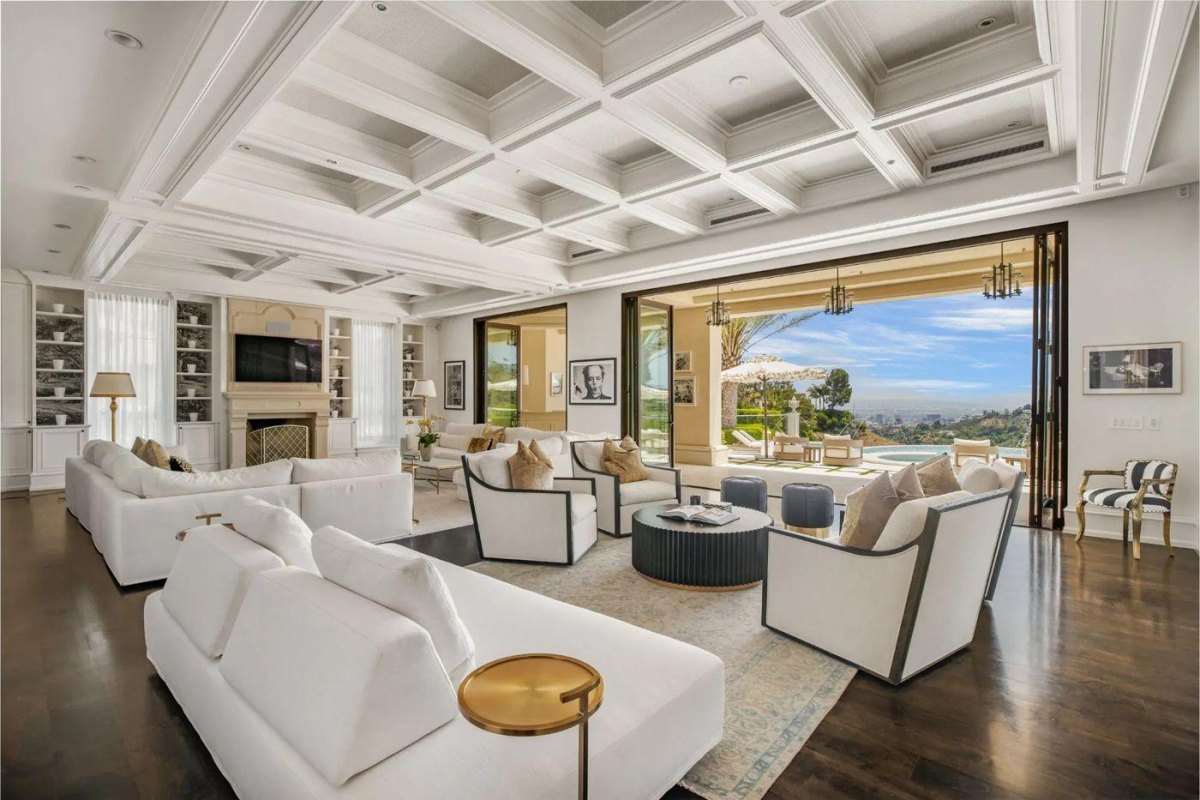
Connected indoor and outdoor spaces create a relaxed sense of flow. Large doors, matching materials, and comfortable transitions support easy everyday entertaining.
The detail I would not skip is practicality: weather exposure, cleaning, and seasonal use matter.
Private Entertainment Living Room Suites
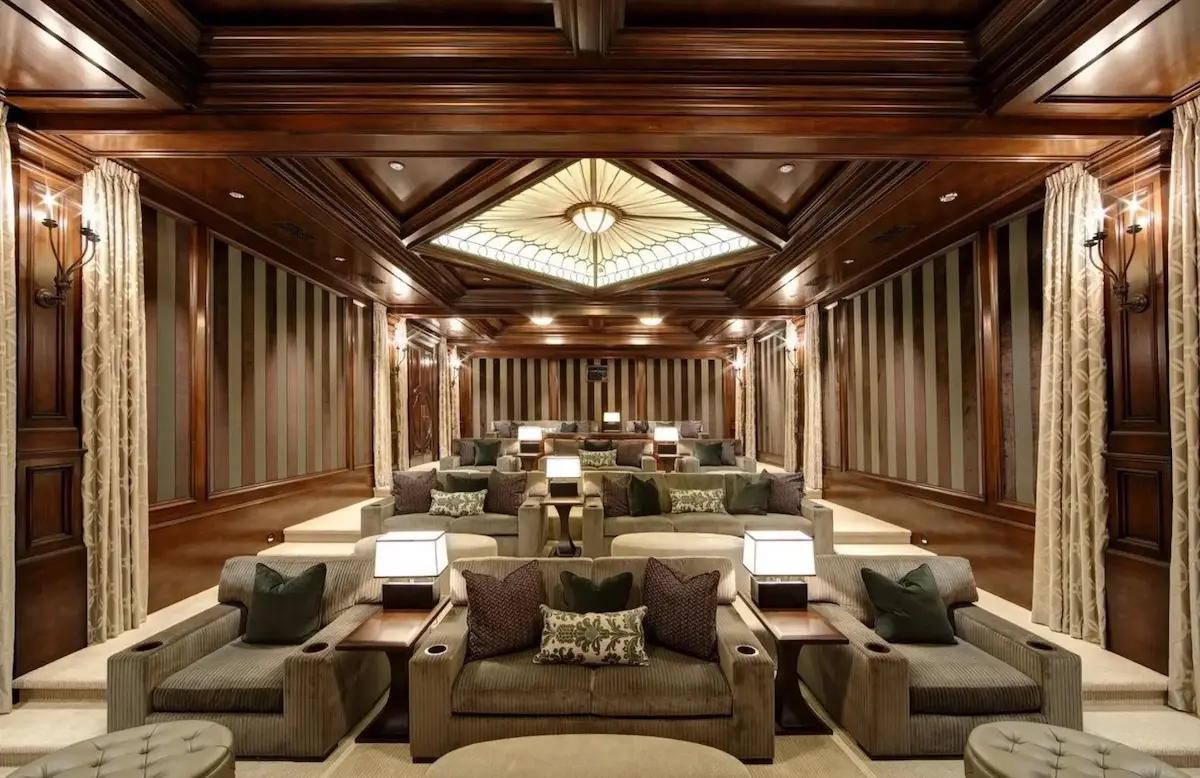
Entertainment rooms have changed from purely technical spaces into flexible gathering areas. The goal is creating comfortable shared experiences, not simply adding the biggest screen.
I like rooms that can host movie nights, conversations, or quiet evenings without needing a complete reset.
Designer Lighting Layers and Ceiling Features
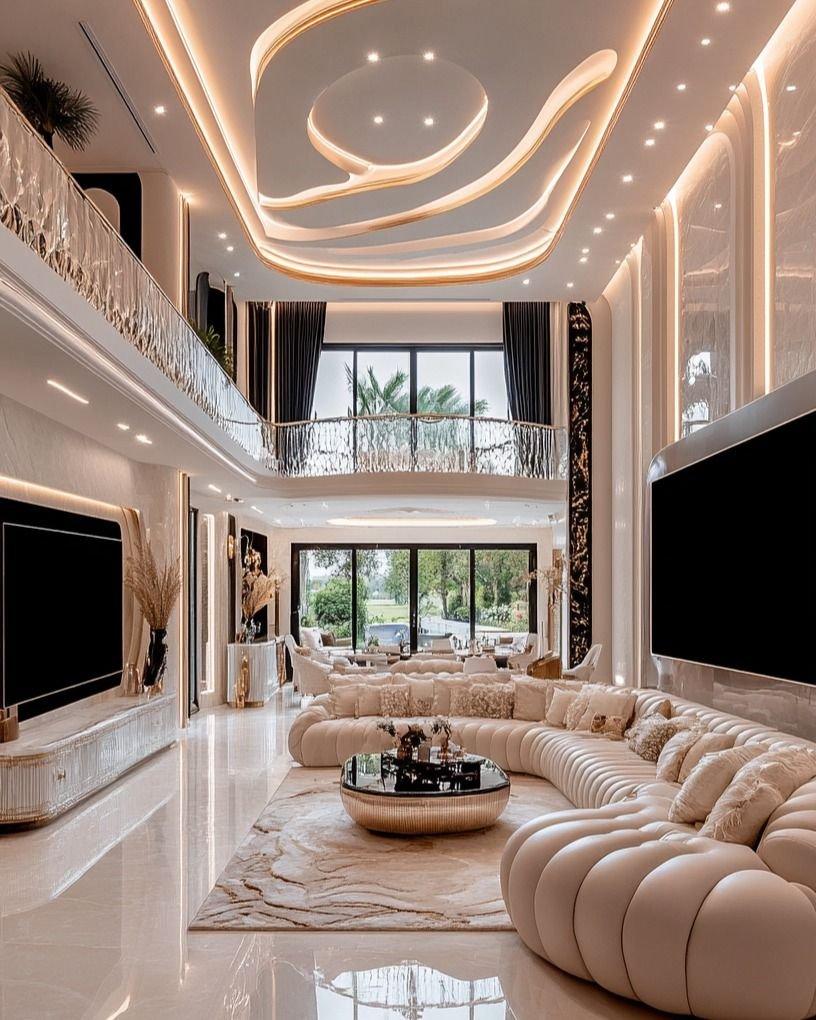
Ceilings are often overlooked, but they influence the entire room. Layered lighting and architectural details create depth and atmosphere after sunset.
Designers increasingly favor warm, flexible lighting because one bright fixture rarely serves every purpose.
Timeless Luxury Mansion Living Room Styling
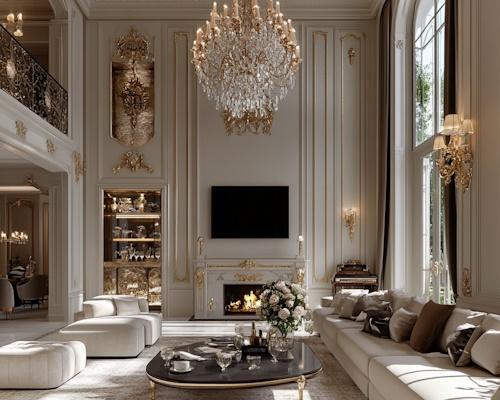
The rooms I admire most are not the ones with the most expensive objects. They are the ones with lasting comfort and personality.
If I were starting a luxury living room today, I would choose the best architecture available, add fewer but better pieces, and leave enough space for real life to happen.

 Sleep & Insomnia Solutions13 Natural Ways to Get More Deep Sleep and Wake Up Feeling Rested
 Health & Wellness6 Simple Healthy Habits After 40 That Make Everyday Life Better
 Energy, Hormones & Stress ManagementMenopause und Nachtschweiß – 16 praktische Lösungen für ruhigere Nächte
 Energy, Hormones & Stress Management18 Natural Energy Boosters Without Caffeine That Fit Real Life