

When sleep suddenly becomes unpredictable in midlife, it can feel as though your body has changed the rules overnight. I find it helpful to look beyond the number of hours spent in bed and notice the patterns: difficulty falling asleep, waking drenched in sweat, restless thoughts, or exhaustion that follows you into the next day. This perimenopause sleep symptoms checklist covers 14 signs worth tracking, explains what may contribute to each one, and offers practical ways to start sleeping more comfortably.
Difficulty Falling Asleep Even When You Feel Tired

1. Trouble falling asleep is one of the most frustrating changes to notice during the menopause transition. You may feel physically exhausted yet lie awake for an hour or longer, unable to settle into sleep. Changes in reproductive hormones can contribute to sleep difficulties, while stress, anxiety, temperature changes, and disrupted routines may add to the problem.
The important clue is a repeated pattern rather than one difficult night. Notice whether you feel sleepy at bedtime but become alert as soon as your head touches the pillow, or whether you are simply not sleepy until much later than usual.
- Track it: Record your bedtime, estimated time to fall asleep, caffeine intake, and any evening hot flashes.
- Try this: Keep a consistent wake-up time, establish a calming wind-down routine, and go to bed when you feel sleepy rather than forcing sleep.
- Seek support: Persistent insomnia deserves attention, particularly when it affects your mood or daily functioning. Cognitive behavioural therapy for insomnia, or CBT-I, is an evidence-based treatment.
Difficulty sleeping can occur during perimenopause, but it is not proof that hormones are the only cause. The National Institute on Aging offers further guidance.
Waking Up Feeling Unrefreshed After a Full Night

2. Unrefreshing sleep means waking with the feeling that your night has not restored you. You might spend eight hours in bed and still feel heavy-eyed, slow, or mentally drained when morning arrives. Repeated brief awakenings, temperature changes, stress, and other sleep conditions can all reduce how restorative a night feels.
The woman resting in bed in this image captures a useful distinction: time asleep and quality of sleep are not interchangeable. You may not remember waking during the night, yet still experience fragmented rest.
For one week, note your approximate sleep duration, how refreshed you feel on waking, and whether you experience snoring, headaches, or pronounced daytime sleepiness. These details can help a clinician identify patterns that a simple bedtime diary might miss.
- Make mornings consistent: Rise at roughly the same time each day and seek daylight early in the day.
- Review your evenings: Alcohol may make you sleepy initially but can disrupt sleep later in the night.
- Look beyond hormones: Sleep apnoea, medication effects, thyroid problems, and other health conditions can cause persistent tiredness.
If you regularly wake unrefreshed despite allowing enough time for sleep, do not dismiss it as an inevitable part of midlife. Ask your healthcare professional to investigate persistent symptoms.
Repeated Nighttime Awakenings That Leave You Watching the Clock
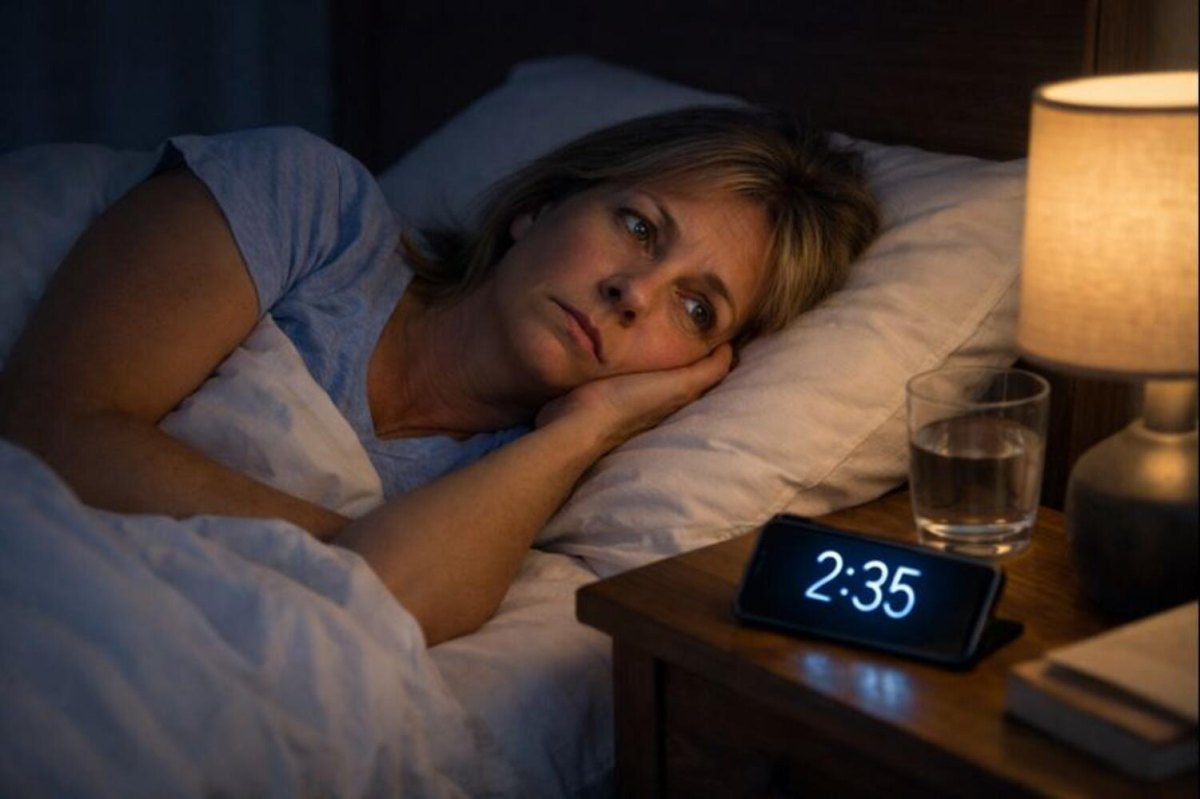
3. Waking repeatedly during the night can turn an otherwise reasonable bedtime into a fragmented, frustrating experience. You may fall asleep easily, wake at midnight, drift off again, and find yourself awake once more a few hours later. Sometimes you know exactly what woke you; on other nights, there seems to be no obvious explanation.
Night sweats, anxiety, discomfort, urinary symptoms, noise, and sleep disorders can all interrupt rest. Menopause-related sleep changes may also occur without noticeable hot flashes. Rather than assuming every awakening is hormonal, look for recurring circumstances.
A practical nighttime reset
Keep the room comfortable and dark, and turn the clock away from your line of sight. If you remain awake and frustrated, leave the bed for a quiet activity in dim light and return when sleepiness comes back.
Keep a short record of how often you wake, whether you need to urinate, and whether you notice warmth, sweating, pain, or a racing mind. Avoid checking the time repeatedly, since watching the minutes pass can intensify sleep-related worry.
According to the National Institute on Aging, regular schedules and a calming bedtime routine may help. If awakenings continue for weeks or substantially affect your life, discuss them with a clinician.
Early Morning Waking Before You Are Ready to Get Up

4. Waking earlier than intended is different from occasionally opening your eyes before the alarm. You may wake at four or five in the morning, feel unable to return to sleep, and struggle through the day despite going to bed at a reasonable hour.
Early waking can accompany insomnia, anxiety, depression, changes in your sleep schedule, or environmental disturbances. Hormonal fluctuations may contribute to the broader sleep disruption of perimenopause, but this particular pattern is not specific enough to identify its cause on its own.
Start by comparing your intended bedtime with the time you actually become sleepy. If you are consistently going to bed before you feel tired, a mismatch between your sleep schedule and natural rhythm may be part of the picture. If you wake much earlier than you want and cannot return to sleep, record that separately.
- Protect your rhythm: Maintain a stable wake-up time, get daylight during the morning, and keep evening lighting relatively subdued.
- Avoid compensating excessively: Long or late naps may make it harder to sleep the following night.
- Notice your mood: Persistent early waking accompanied by low mood, loss of interest, or hopelessness warrants professional attention.
If this pattern persists, a clinician can help distinguish insomnia from mood-related sleep changes or a circadian rhythm problem and recommend suitable treatment.
Anxiety and Worry That Become Louder at Bedtime

5. Nighttime anxiety can make bedtime feel like the moment when every unfinished task, family concern, and uncertain decision arrives at once. You may replay conversations, anticipate tomorrow's problems, or feel unusually tense without knowing exactly why.
Mood changes and anxiety can occur during perimenopause, and insufficient sleep can make emotional regulation more difficult. The relationship can work in both directions: worry interferes with sleep, and poor sleep can leave you more vulnerable to worry the following day.
Try separating problem-solving from bedtime. Earlier in the evening, spend ten minutes writing down concerns and one realistic next step for each. Once in bed, use a slow, comfortable breathing rhythm or a familiar relaxation exercise rather than trying to force your thoughts to disappear.
- Track the pattern: Note anxious evenings alongside stressful events, menstrual changes, caffeine, and sleep quality.
- Reduce stimulation: Avoid work emails and emotionally demanding conversations immediately before bed when possible.
- Get help when needed: Persistent anxiety, panic, or symptoms that interfere with everyday life deserve assessment and treatment.
Do not assume anxiety is simply something you must tolerate during midlife. A clinician can assess whether perimenopause, another health condition, life stress, or a combination of factors may be involved.
Daytime Exhaustion That Follows a Difficult Night
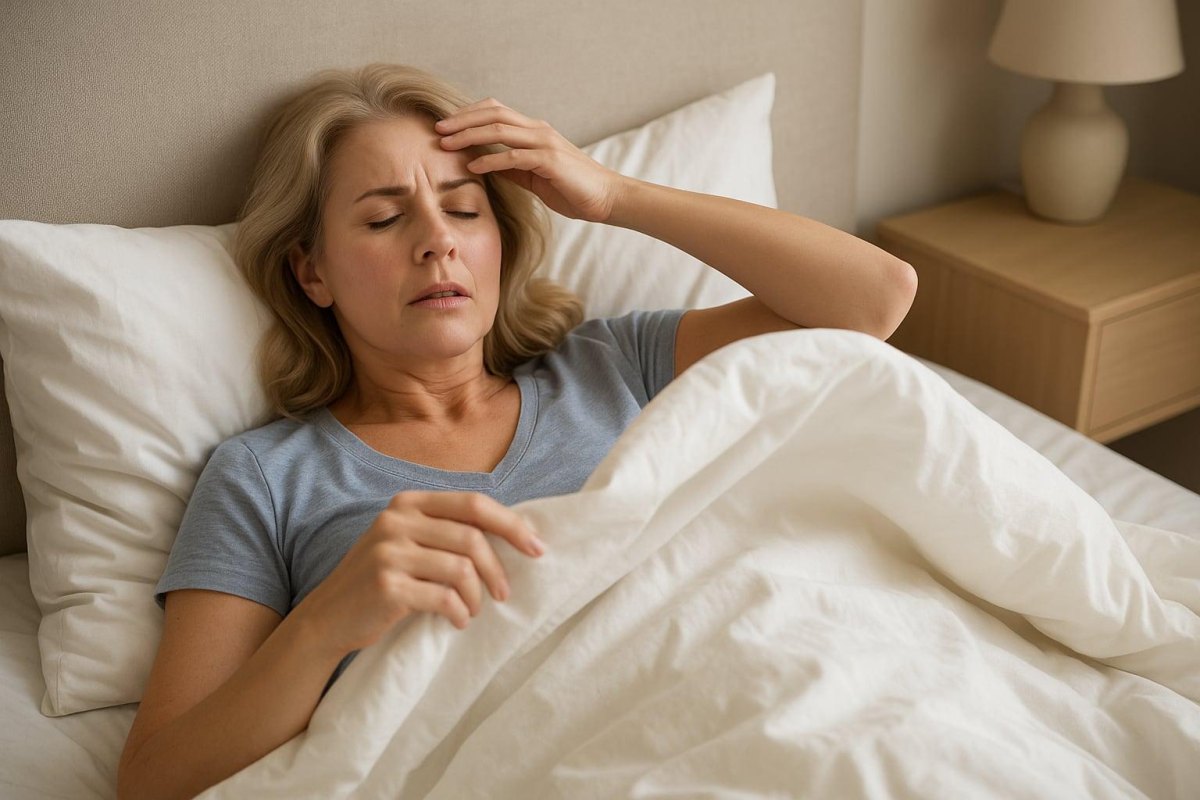
6. Persistent daytime fatigue can be one of the most disruptive consequences of poor sleep. You may feel as though you are moving through the day with a depleted battery, struggling to begin ordinary tasks or needing far more rest than before.
Sleep disruption during the menopause transition can contribute to low energy, particularly when night sweats or repeated awakenings shorten restorative sleep. However, fatigue has many possible causes, including anaemia, thyroid disorders, medication effects, depression, and sleep apnoea. It should not automatically be attributed to changing hormones.
Look at the complete pattern rather than blaming a single bad night. Record your sleep duration, energy levels, naps, physical activity, and any associated symptoms. This can reveal whether fatigue reliably follows disrupted nights or remains present even after better sleep.
When fatigue needs attention
Arrange a medical review if exhaustion is persistent, worsening, unexplained, or interfering with daily activities. Avoid driving or operating machinery when you are too sleepy to do so safely.
For everyday support, keep a regular sleep schedule, plan manageable activity breaks, eat regularly, and avoid relying on late-day caffeine that could perpetuate the cycle.
The goal is not to push through exhaustion indefinitely. Understanding its cause gives you a better chance of improving both daytime energy and nighttime sleep.
Headaches That Accompany Poor Sleep

7. Headaches around bedtime or on waking may become especially noticeable when your sleep is disrupted. Some people experience changes in migraine patterns during the menopause transition, while poor sleep itself can be associated with headaches. Muscle tension, dehydration, missed meals, and medication effects may also contribute.
The woman pressing her forehead in this image is a reminder to notice the headache itself, rather than treating every painful morning as just another symptom of perimenopause. A new headache pattern deserves particular care, especially if it occurs alongside other changes in your health.
Keep a headache diary that records when pain begins, its location and severity, accompanying symptoms, sleep quality, menstrual timing, and medication use. Over time, this information can help a healthcare professional distinguish possible migraine patterns from other causes.
- Support regularity: Aim for consistent sleep and wake times, regular meals, and adequate hydration.
- Review triggers: Note whether alcohol, caffeine changes, stress, or interrupted sleep precedes headaches.
- Discuss treatment: Frequent or disabling headaches may benefit from a tailored treatment plan.
Seek urgent medical care for a sudden, extremely severe headache, or one accompanied by weakness, confusion, fainting, fever with a stiff neck, or new vision or speech problems. Do not assume a severe or unfamiliar headache is hormonal.
Night Sweats and Sudden Waves of Heat

8. Night sweats and nighttime hot flashes are among the clearest ways the menopause transition can disturb sleep. You may suddenly feel heat spreading through your chest, neck, or face, followed by sweating, a need to uncover yourself, or even chills as your body cools down.
The fan held in this image suggests one straightforward comfort measure, but the larger point is that repeated episodes can interrupt rest and make returning to sleep difficult. Hot flashes vary in frequency and severity, and not everyone experiences them.
Make your sleeping environment easier to adjust. Choose breathable sleepwear, use lightweight bedding that can be layered, keep a fan nearby, and maintain a comfortably cool room. If you wake sweaty, a spare top and towel within reach can make getting comfortable again less disruptive.
- Track triggers: Note whether alcohol, spicy foods, stress, or a warm room seems to precede episodes.
- Record frequency: Write down how often episodes occur and whether they wake you fully.
- Explore treatment: If symptoms repeatedly interfere with sleep, ask a clinician about evidence-based options, including whether menopausal hormone therapy or nonhormonal treatments are appropriate for you.
Not every episode of heavy sweating is a hot flash. Seek medical advice for unexplained or persistent drenching night sweats, particularly with fever, unexplained weight loss, or other new symptoms.
Racing Thoughts and Feeling Unable to Switch Off

9. A mind that stays switched on can make sleep feel frustratingly out of reach. You may not feel frightened or especially anxious; instead, your thoughts simply keep moving. Tomorrow's appointments, an old conversation, a half-remembered task, or a seemingly random idea can hold your attention long after you want to sleep.
This experience overlaps with anxiety and insomnia but is worth tracking separately because the trigger may be mental alertness rather than an obvious emotional concern. Hormonal changes, stress, irregular sleep schedules, and stimulating evening habits can all play a role.
Experiment with a short, predictable transition between the day and bedtime. Write a tomorrow list, read something relaxing, or listen to quiet audio. If thoughts return, gently redirect attention instead of treating each thought as a problem that must be solved immediately.
The aim is not to empty your mind. It is to stop making bedtime the place where every unfinished thought demands an answer.
A practical sleep habit
Notice whether the problem is limited to bedtime or whether you feel unusually energised despite very little sleep. A persistent reduced need for sleep accompanied by unusually elevated or irritable mood, impulsivity, or racing thoughts warrants prompt medical assessment.
If sleep-related mental overactivity continues, CBT-I can help change the patterns that keep insomnia going. Seek support rather than allowing nightly frustration to become your new normal.
Leg Discomfort and an Urge to Keep Moving
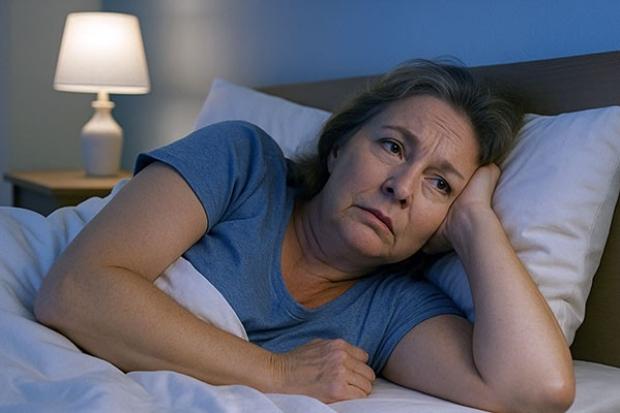
10. Restless legs or nighttime limb discomfort can make lying still feel almost impossible. Restless legs syndrome typically involves an urge to move the legs, often with uncomfortable sensations that begin or worsen during rest, improve temporarily with movement, and are more troublesome in the evening or at night.
The woman holding her lower leg illustrates another possibility: ordinary muscle aches or joint discomfort can also make finding a comfortable sleeping position difficult. These experiences are not interchangeable. Restless legs syndrome has a distinctive pattern, whereas cramps and joint pain have different features and possible causes.
When symptoms appear, note their location, timing, whether movement relieves them, and whether they affect one or both legs. Certain medications, iron deficiency, and other health conditions can contribute to restless legs symptoms, so persistent discomfort deserves assessment rather than a blanket assumption that it is caused by perimenopause.
- Try gentle movement: A short walk or comfortable stretching may provide temporary relief.
- Review stimulants: Record caffeine intake and whether symptoms change when you reduce late-day caffeine.
- Ask about testing: A clinician may consider iron studies or other investigations based on your history.
Avoid starting iron supplements without advice, since unnecessary iron can be harmful. If leg discomfort repeatedly delays sleep, discuss it with a healthcare professional who can help identify the cause and suitable treatment.
Feeling Your Heart Race While You Lie Awake

11. Nighttime palpitations can feel unsettling. You may notice pounding, fluttering, or a faster heartbeat just as you settle into bed, leaving you alert and worried about whether it is safe to fall asleep. Palpitations can occur alongside hot flashes, anxiety, or hormonal transition symptoms, but they should not automatically be blamed on perimenopause.
Try to observe what happens without repeatedly checking your pulse in a way that intensifies your worry. Record when the sensation starts, how long it lasts, whether the rhythm feels regular or irregular, and whether it accompanies sweating, dizziness, breathlessness, or chest discomfort.
Factors such as caffeine, alcohol, some medications, thyroid problems, anaemia, and heart rhythm disorders may contribute. A clinician can decide whether an examination, blood tests, or heart monitoring is appropriate.
Do not ignore warning signs
Seek emergency care if palpitations occur with chest pain, significant shortness of breath, fainting, or severe dizziness. New, recurrent, or prolonged episodes also warrant medical assessment.
If your symptoms consistently coincide with hot flashes, keep a record of both and discuss treatments for the episodes with your healthcare professional. A calmer bedtime routine may help with stress-related arousal, but relaxation techniques are not a substitute for evaluating unexplained heart symptoms.
Brain Fog and Trouble Concentrating After Poor Sleep

12. Brain fog can show up as difficulty finding a word, losing your train of thought, forgetting why you entered a room, or struggling to concentrate on a familiar task. When these moments follow several disrupted nights, they may feel particularly discouraging.
Some women notice memory and concentration changes during perimenopause. Poor sleep, fatigue, stress, anxiety, and low mood can make these difficulties more noticeable, so it helps to look at the full picture rather than assuming that every lapse reflects a hormonal problem.
Track when concentration is worst, whether you slept poorly the night before, and whether the difficulty affects work, conversations, or everyday responsibilities. Practical supports can reduce frustration while you investigate the pattern.
- Reduce mental clutter: Keep a single calendar and write down tasks instead of trying to remember everything.
- Protect demanding hours: Where possible, schedule complex work when you feel most alert.
- Address sleep first: Regular routines and treatment for persistent insomnia may improve daytime functioning.
Seek medical advice if cognitive changes are persistent, progressive, sudden, or interfering significantly with daily life. Sudden confusion, new difficulty speaking, or neurological symptoms require urgent assessment.
I would treat brain fog as useful information about how you are functioning, not as a personal failing. Better sleep may help, but a professional assessment can identify other contributors and guide next steps.
Joint Pain and Body Aches That Interrupt Rest
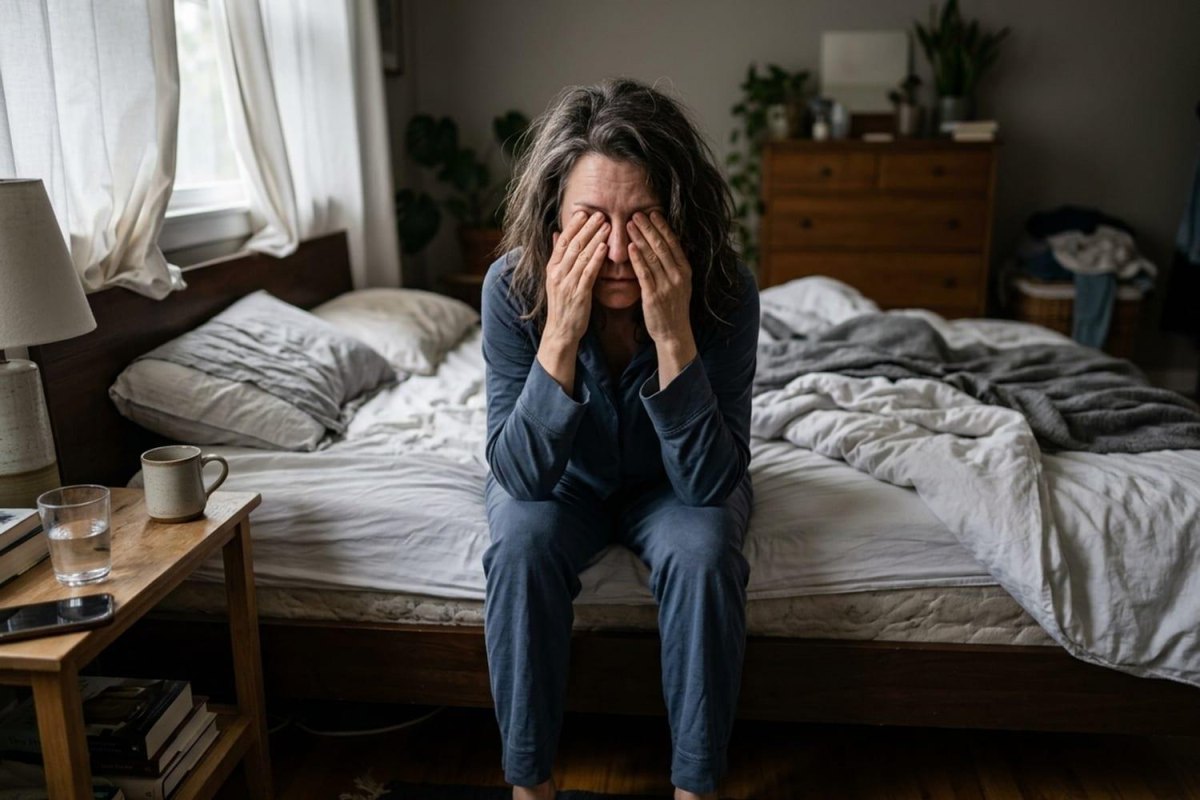
13. Joint and muscle aches may make it harder to settle comfortably, especially if you notice stiffness after sitting still or discomfort when turning over in bed. Joint and muscle symptoms are reported around menopause, but pain can also arise from arthritis, overuse, injuries, inflammatory conditions, or other causes.
The woman curled up on the sofa reflects the practical side of this problem: when your body hurts, even a familiar resting position can become uncomfortable. Pain may disturb sleep, and poor sleep can make pain feel harder to manage, creating a cycle that deserves attention.
Notice whether discomfort affects particular joints, whether movement helps, whether stiffness is worse in the morning, and whether you see swelling, warmth, or redness. These details are more informative than recording a general sense of being achy.
- Support comfortable positioning: Use pillows to reduce pressure on sore joints and change positions gently.
- Keep moving within your limits: Regular low-impact activity may support mobility, although new or severe pain needs assessment.
- Review the pattern: Record pain intensity, sleep disruption, activity, and any other symptoms.
Talk to a healthcare professional if pain persists, worsens, or affects daily activities. A hot, swollen joint, severe unexplained pain, or pain accompanied by fever needs prompt medical attention.
Do not assume that midlife aches are inevitable. Identifying the cause can lead to more effective relief and better sleep.
Excessive Sleepiness and Poor Focus During the Day
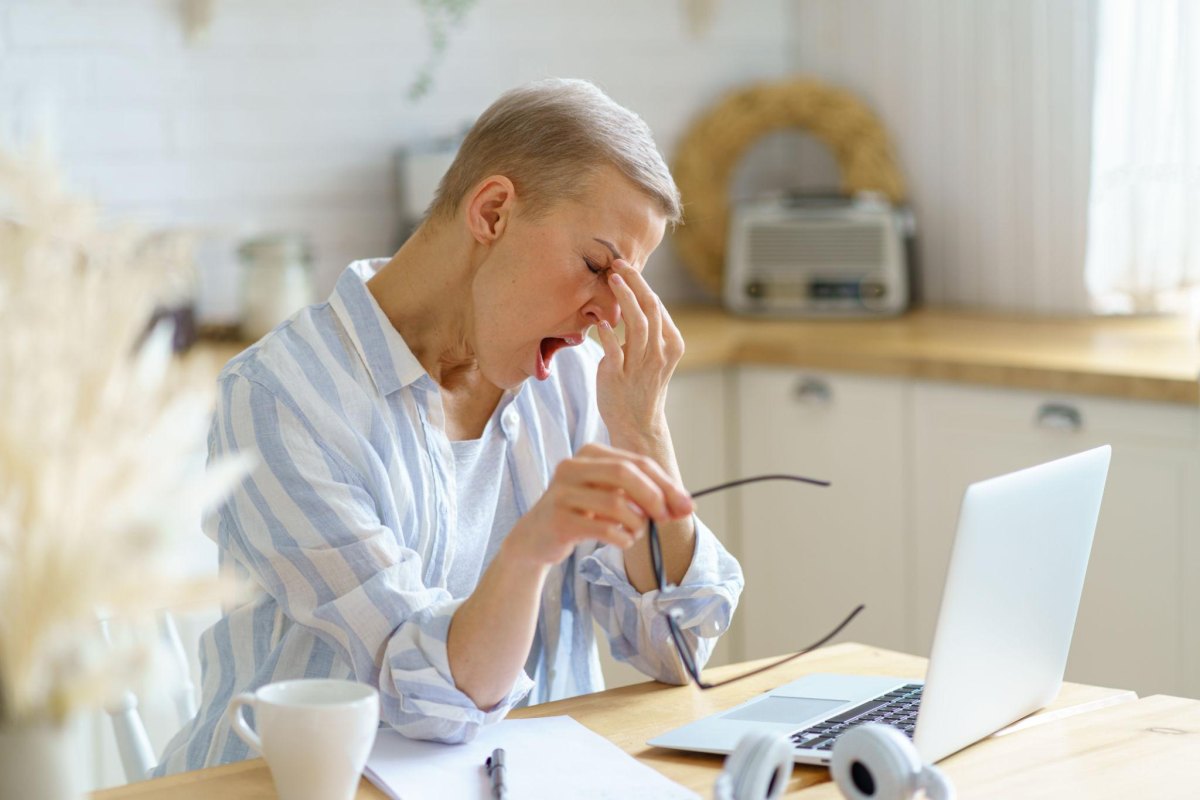
14. Daytime sleepiness is different from feeling a little tired after a busy week. You may struggle to keep your eyes open while working, repeatedly yawn through meetings, reread the same paragraph, or feel an overwhelming urge to nap despite spending adequate time in bed.
Repeated awakenings and night sweats can contribute, but excessive sleepiness can also indicate sleep apnoea, medication effects, insufficient sleep, or another health problem. It is especially important to distinguish low energy from a tendency to fall asleep unintentionally.
Track how sleepy you feel at different times of day, how much you sleep, whether you snore, and whether anyone has noticed pauses in your breathing during sleep. Bring this information to a clinician if the problem continues.
- Build a stable routine: Keep sleep and wake times consistent and avoid late-afternoon or evening naps that undermine nighttime sleep.
- Use caffeine thoughtfully: If you consume it, keep it earlier in the day so it is less likely to disrupt the next night.
- Prioritise safety: Do not drive when sleepy or rely on stimulants to overcome dangerous drowsiness.
If you repeatedly fall asleep unintentionally or remain exhausted despite adequate sleep opportunity, arrange a medical review. Treatment should address the reason for the sleepiness, not simply mask it.
For further guidance, see the National Institute on Aging's advice on sleep during menopause.
Use this checklist as a starting point, not a diagnosis. You do not need to experience every symptom for your sleep difficulties to deserve attention, and you do not have to accept months of exhaustion as an unavoidable part of midlife. Start by recording your own pattern, make one or two realistic changes, and bring persistent symptoms to a healthcare professional. Understanding what is interrupting your sleep is the first step towards finding relief that fits your body and your life.
Common Questions
What are the most common perimenopause sleep symptoms?
Common problems include difficulty falling asleep, repeated nighttime awakenings, waking too early, night sweats, anxiety, and feeling unrefreshed or tired during the day. Some women also notice mood changes and concentration difficulties. Symptoms vary considerably, and sleep problems can occur even without obvious hot flashes. Other conditions can cause similar symptoms, so persistent problems deserve an individual assessment.
How can I tell whether my sleep problems are related to perimenopause?
Look for a pattern of new or changing sleep difficulties alongside other possible perimenopause symptoms, such as irregular periods, hot flashes, or mood changes. A sleep diary can help connect symptoms with nighttime awakenings and daytime effects. There is no single sleep symptom that proves perimenopause is responsible. A healthcare professional can assess your history and consider other explanations, including sleep apnoea, thyroid disorders, anaemia, medications, and anxiety or depression.
What can help me sleep better during perimenopause?
Start with a consistent wake-up time, a calming bedtime routine, a comfortable bedroom temperature, regular physical activity, and less caffeine late in the day. Alcohol can make sleep more fragmented, even if it initially makes you sleepy. If hot flashes repeatedly wake you, ask a healthcare professional about evidence-based hormonal and nonhormonal treatments. Persistent insomnia may respond to cognitive behavioural therapy for insomnia, known as CBT-I.
When should I speak to a doctor about perimenopause sleep symptoms?
Make an appointment if sleep difficulties continue, affect work or relationships, cause substantial fatigue, or persist despite changes to your routine. Seek assessment for loud snoring with breathing pauses, recurrent palpitations, ongoing pain, severe anxiety, or repeated drenching night sweats. Chest pain, fainting, severe breathlessness, a sudden extremely severe headache, or new neurological symptoms may require emergency care.


 Sleep & Insomnia Solutions13 Natural Ways to Get More Deep Sleep and Wake Up Feeling Rested
 Health & Wellness6 Simple Healthy Habits After 40 That Make Everyday Life Better
 Energy, Hormones & Stress ManagementMenopause und Nachtschweiß – 16 praktische Lösungen für ruhigere Nächte
 Energy, Hormones & Stress Management18 Natural Energy Boosters Without Caffeine That Fit Real Life