

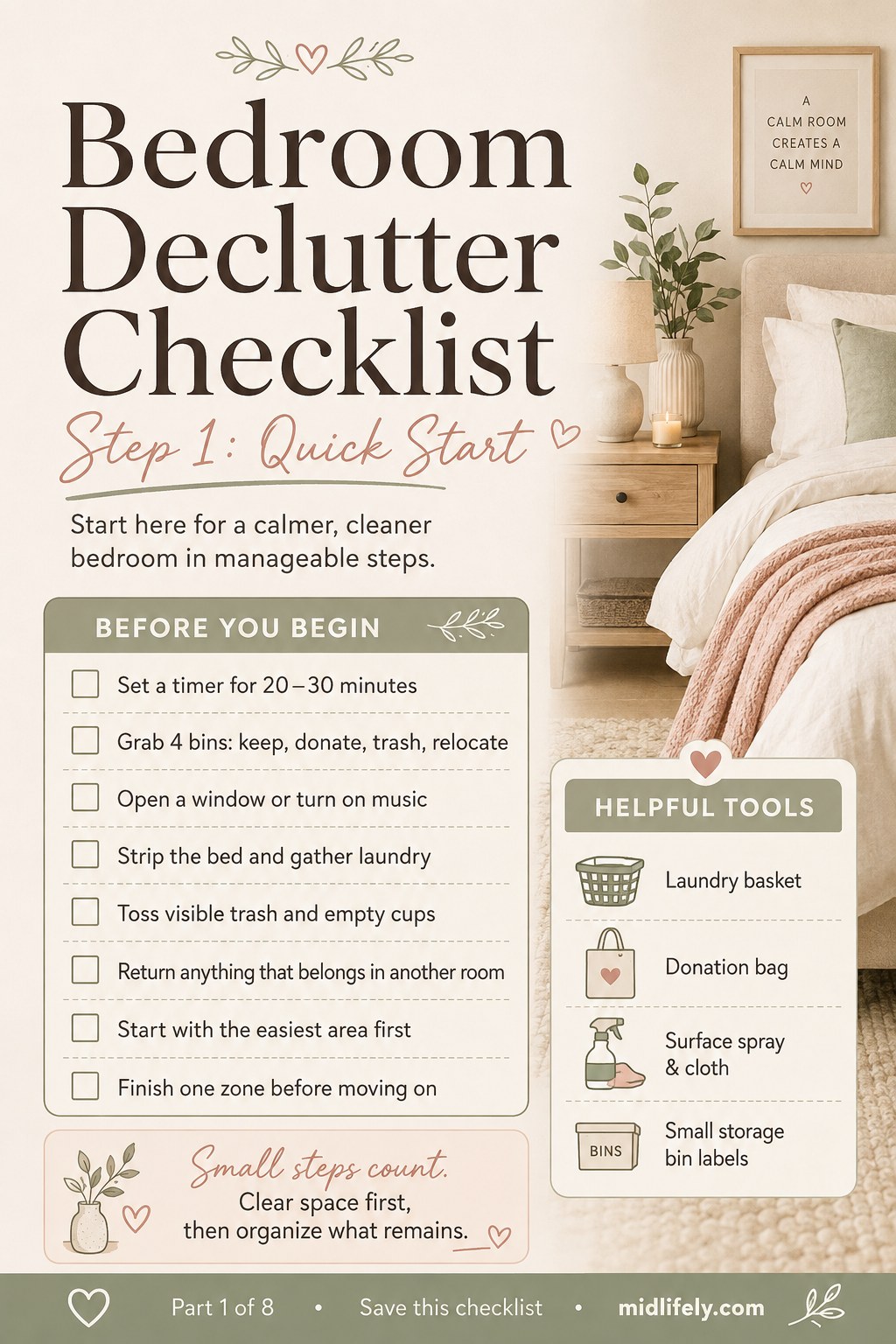
I have learned that a bedroom reset does not need to become a full weekend project with every drawer emptied and every corner judged. A practical bedroom cleaning checklist should make the room easier to live in, not create another exhausting task.
When I clean my own bedroom, I focus on the areas that affect daily life most: the surfaces I see, the bed I sleep in, the clothes I reach for, and the little pockets of clutter that quietly return. These steps are designed for an ordinary week, including the ones when energy is not unlimited.
Quick bedroom cleaning summary
- Start with visible clutter before deep cleaning.
- Refresh bedding and high-use surfaces regularly.
- Organize storage based on how you actually live.
- Build a routine that is easy enough to maintain.
Remove Clutter and Organize Surfaces
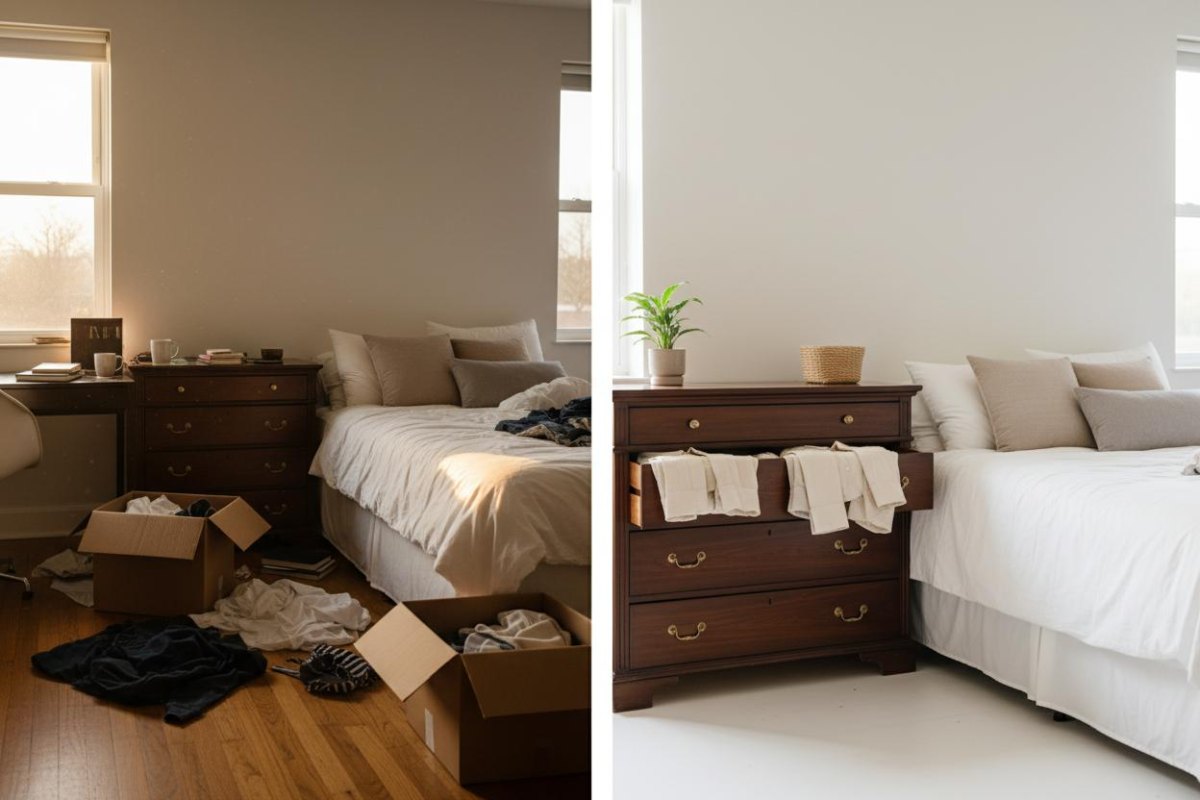
I always begin with the surfaces I can see because clutter has a way of making the entire room feel unfinished. Nightstands, dressers, and chairs tend to collect yesterday’s clothes, unopened mail, and things that never quite found a home. A small reset here creates a calmer visual space without requiring a dramatic decluttering session.
My favorite approach is simple: remove anything that belongs elsewhere, return useful items to their homes, and leave one or two surfaces intentionally clear. A completely empty room is not my goal; a room that supports my routine is.
- Clear bedside tables and dressers.
- Put away clothes waiting on chairs.
- Remove cups, papers, and items from other rooms.
- Create a small home for frequently used items.
Make the Bed and Refresh Bedding
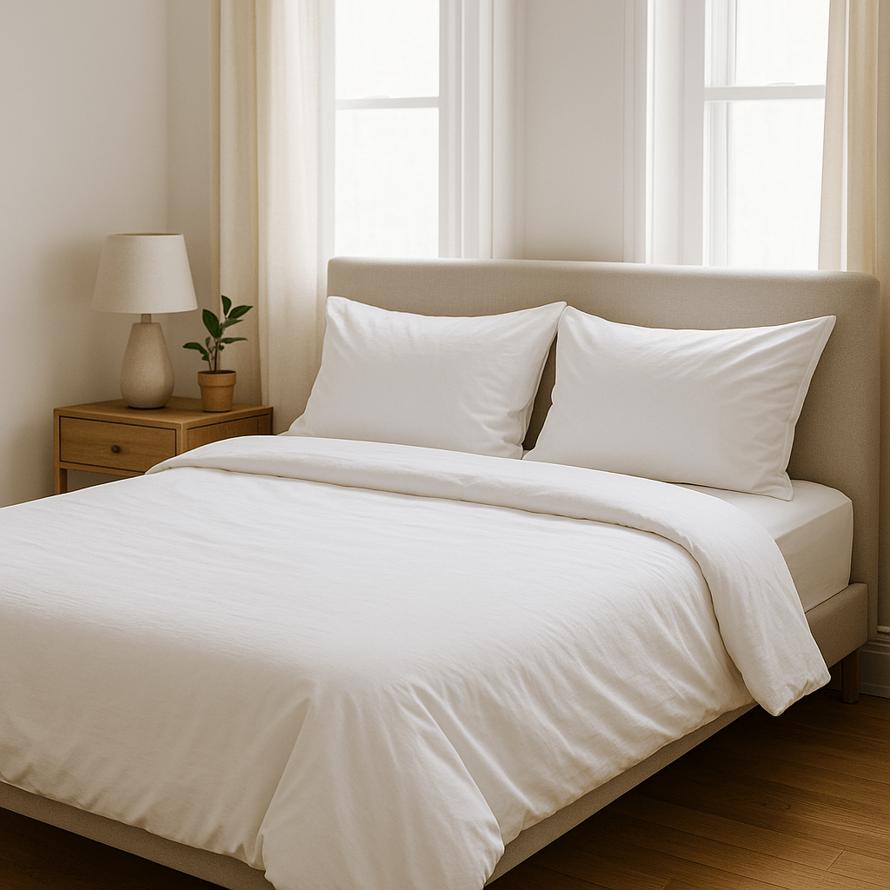
The bed is the largest visual area in most bedrooms, so making it changes the feeling of the room almost immediately. I do not aim for a showroom-perfect bed; I aim for clean sheets, comfortable layers, and a place that feels inviting at the end of the day.
Fresh bedding is one of those small home habits where the effort usually feels worth it. I keep extra sets simple because too many choices create another storage problem. The low-maintenance bedding routine wins for me every time.
A practical tip
Wash and store bedding only when it is completely dry, and choose a routine you can realistically repeat.
Dust Furniture and Decorative Items
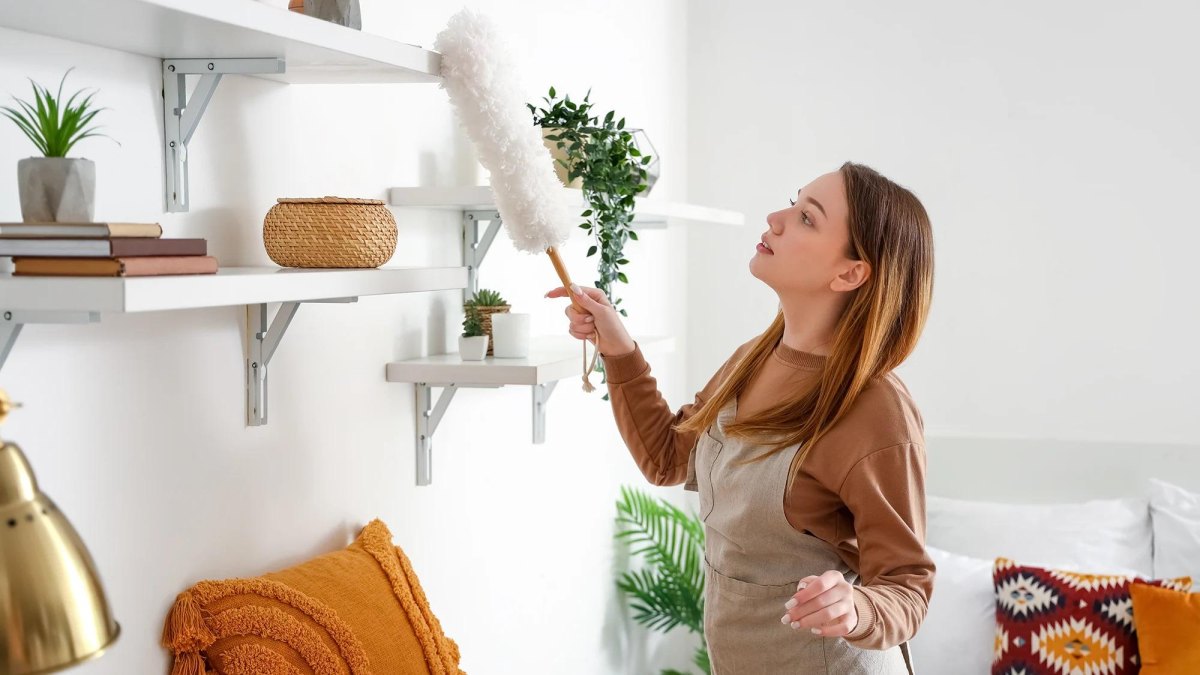
Dusting is one of those jobs I used to postpone because it feels invisible until suddenly it is not. Lamps, shelves, picture frames, and furniture surfaces collect small amounts of dust that can make a bedroom feel less fresh.
I prefer a quick pass with a microfiber cloth rather than turning dusting into a major production. The goal is not perfection; it is keeping everyday surfaces comfortable and cared for.
- Start. Move small objects so you can clean underneath them.
- Work. Dust from higher surfaces down toward the floor.
- Finish. Return only items you still enjoy having there.
Clean Mirrors and Glass Surfaces
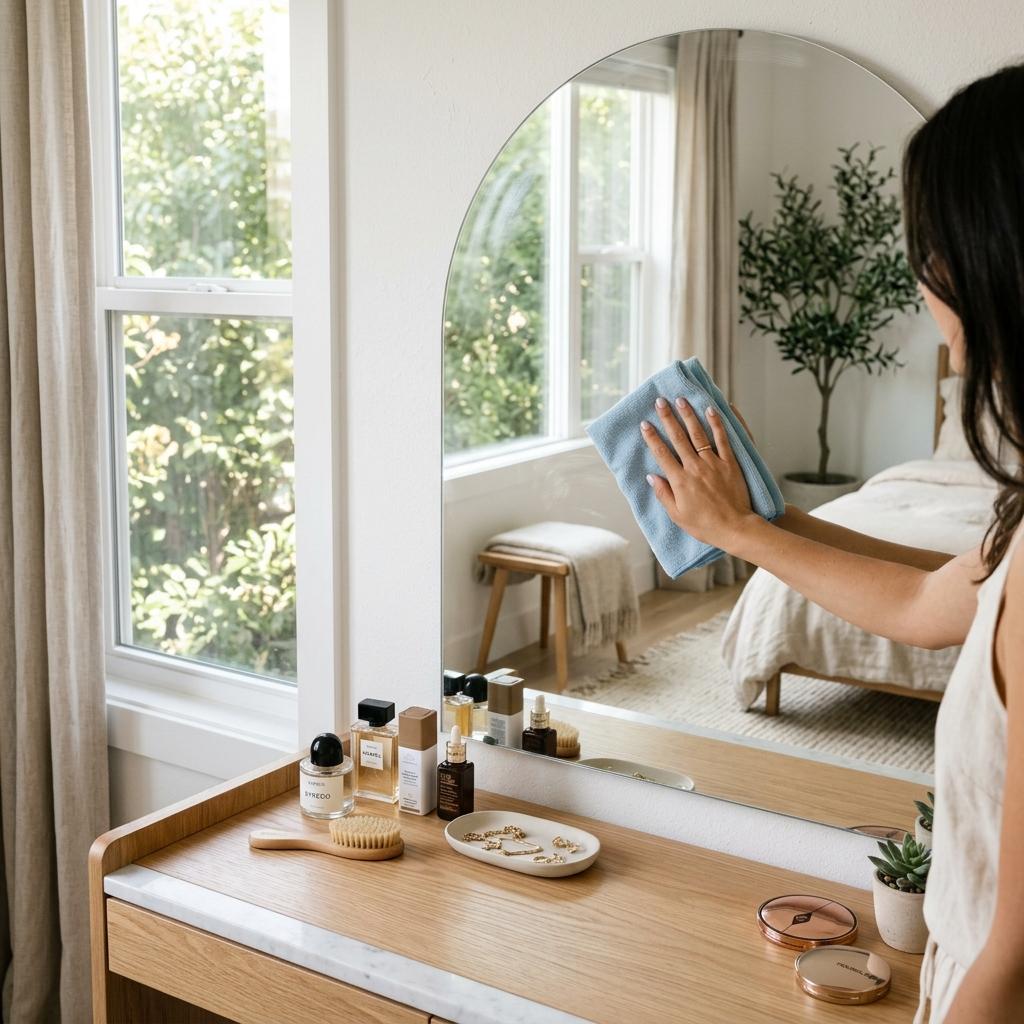
A mirror is one of the first things I notice when it has fingerprints or streaks. Cleaning glass does not take long, but it gives the room a surprisingly noticeable refresh.
I keep this task simple with a suitable cloth and gentle cleaning method. The trick is not buying a cupboard full of products; it is having a small cleaning toolkit that makes the job easy to start.
A common mistake
Adding more cleaning products does not always improve the result. Too many supplies can make a simple routine harder to maintain.
Vacuum or Sweep the Floor
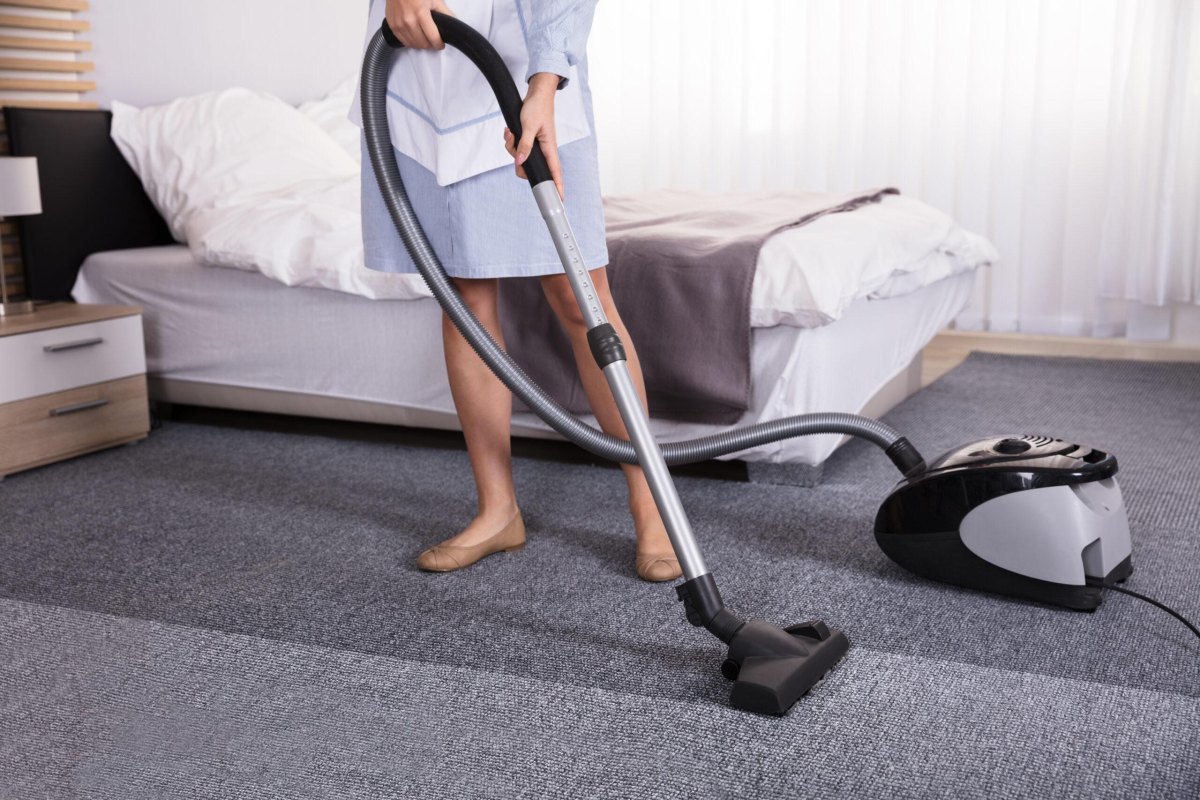
The floor collects everything we bring into a bedroom: dust, hair, lint, and the mysterious bits that appear from nowhere. I find that a regular quick clean works better than waiting until it becomes an intimidating job.
I pay extra attention to corners and areas near the bed because those spots are easy to overlook. A clean bedroom floor changes how the whole room feels underfoot.
| Floor type | Simple approach |
|---|---|
| Carpet | Vacuum regularly and reach edges when possible. |
| Hard floor | Sweep or vacuum, then clean according to the flooring care instructions. |
Organize the Closet and Clothes
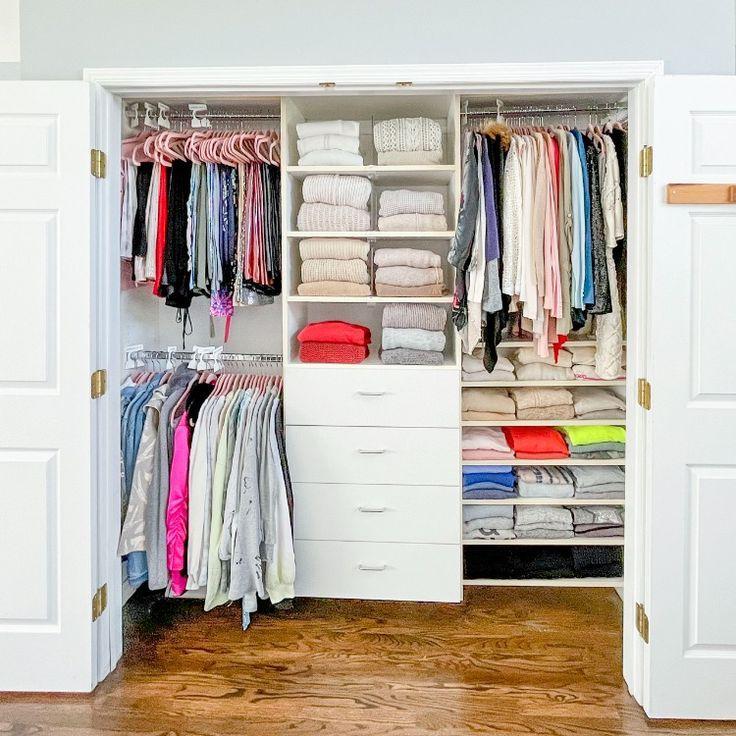
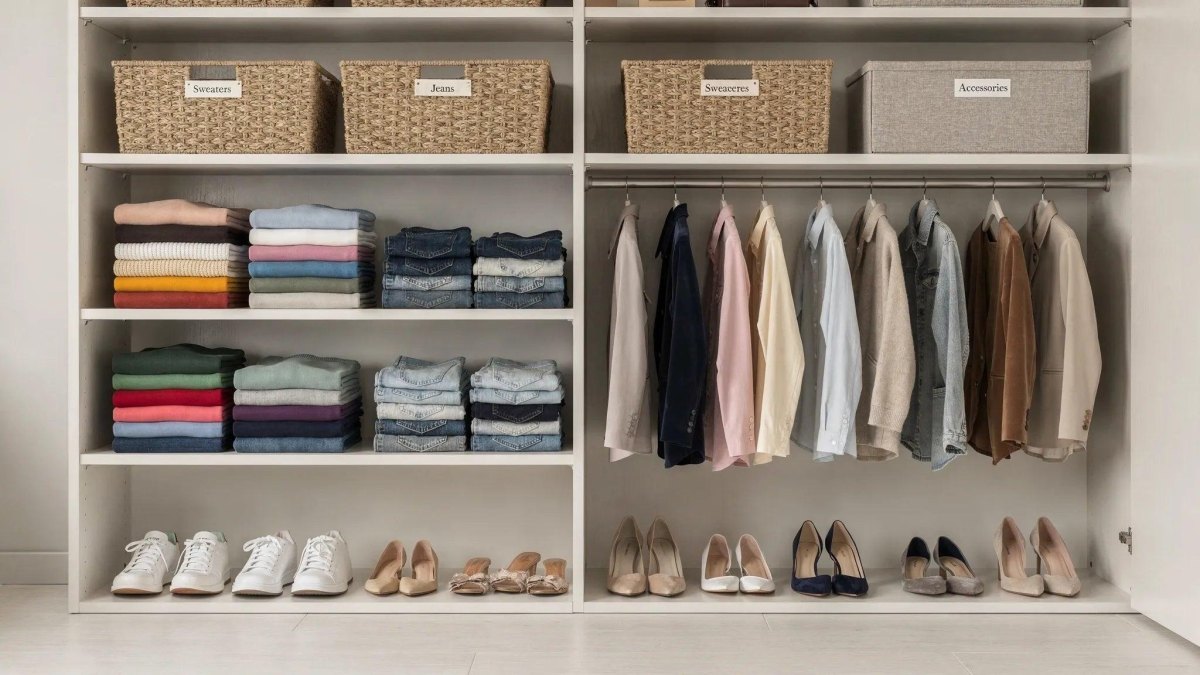
The closet is where cleaning often turns into decision-making. I have found that the hardest part is not folding clothes; it is deciding what deserves space in my everyday life.
I prefer organizing around real habits instead of an ideal version of myself. The clothes I reach for should be easy to find, and the rest can be reviewed when I have the energy. A functional closet system is more useful than a perfect one.
- Keep: Items you wear and enjoy.
- Review: Pieces needing a decision later.
- Remove: Clothes that no longer serve your current routine.
Clean Under the Bed and Hidden Areas
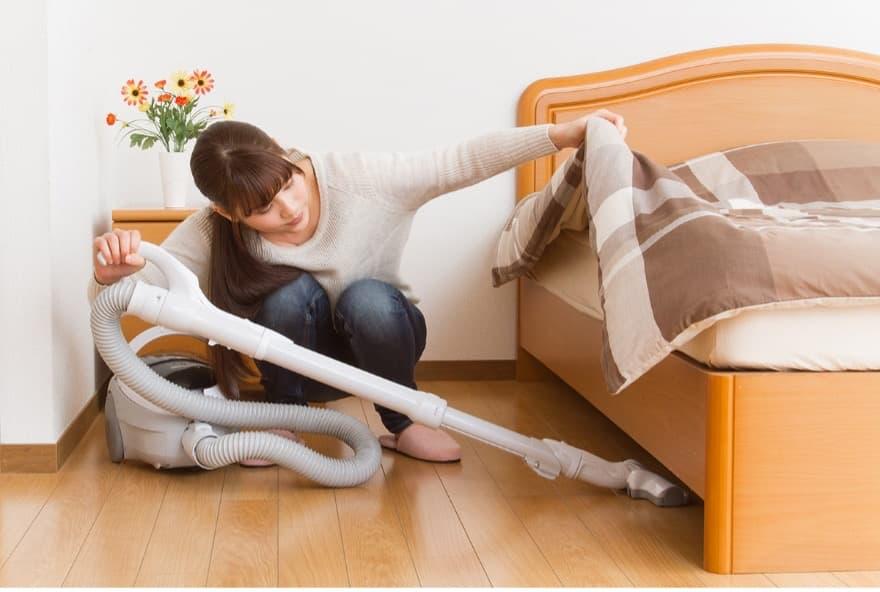
The space under the bed is easy to ignore because it disappears from view. I have learned that hidden areas do not need daily attention, but they do need an occasional check before dust and forgotten items settle in.
Before adding storage containers, I like to clean the space first. Otherwise, it becomes very easy to create a tidy-looking collection of things I still do not use. Useful hidden storage starts with knowing what actually belongs there.
- Remove stored items temporarily.
- Vacuum or wipe the area.
- Check for items that can leave the room.
- Return only what you genuinely need.
Sanitize High-Touch Bedroom Areas
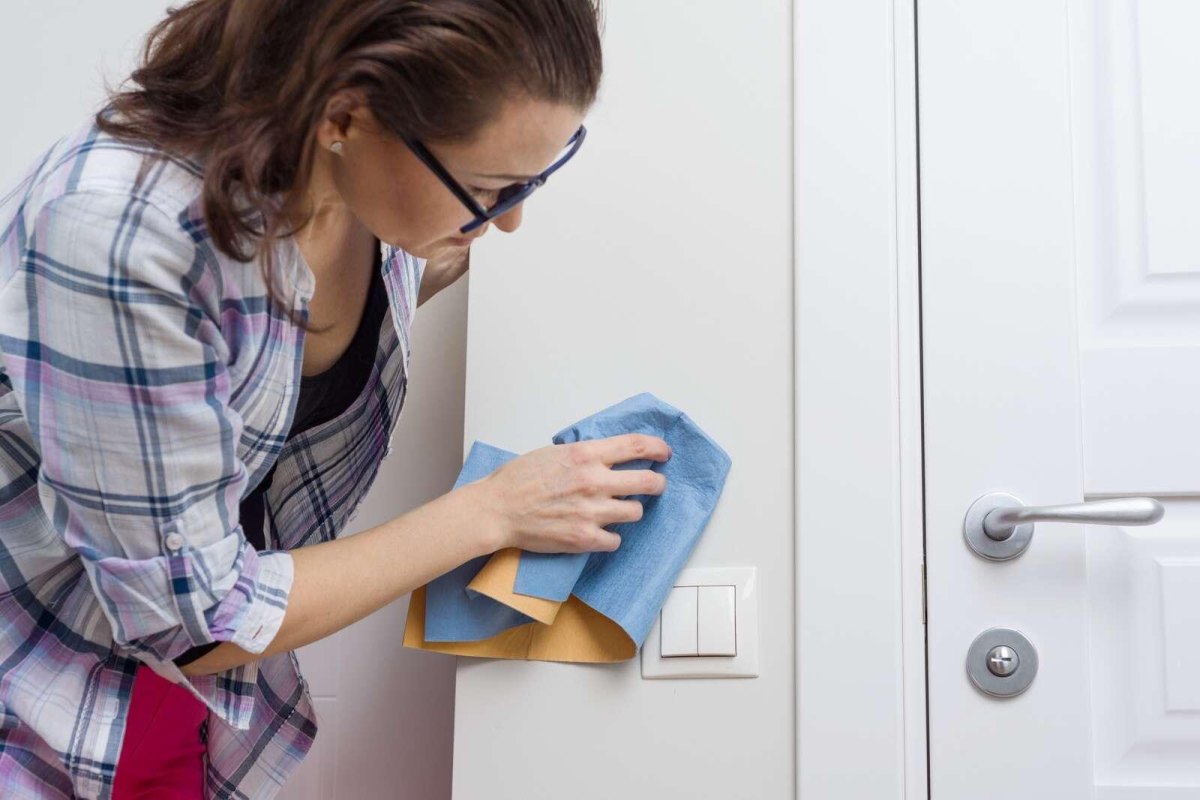
Bedrooms are not usually the busiest rooms in the house, but some surfaces receive regular contact. Light switches, door handles, and bedside items are worth including in a practical cleaning routine.
I think of this as maintenance rather than a deep-cleaning event. The small touchpoint reset takes little time and keeps the room feeling cared for.
Keep it realistic
Clean surfaces when needed and use products according to their instructions. A routine you can repeat is more valuable than an occasional exhausting overhaul.
Refresh Air and Improve Room Freshness

A fresh bedroom is not only about what is clean; it is also about how the room feels when you walk in. I like simple changes such as opening curtains, airing the room when possible, and removing stale laundry.
I am cautious about turning freshness into another shopping category. Candles, sprays, and gadgets can be enjoyable, but the biggest improvements often come from better daily habits.
Helpful habits
- Open the room when practical.
- Keep laundry moving.
- Reduce unnecessary clutter.
Things to avoid
- Buying products before fixing the basics.
- Creating complicated routines.
- Adding more items to manage.
Maintain a Regular Bedroom Cleaning Routine
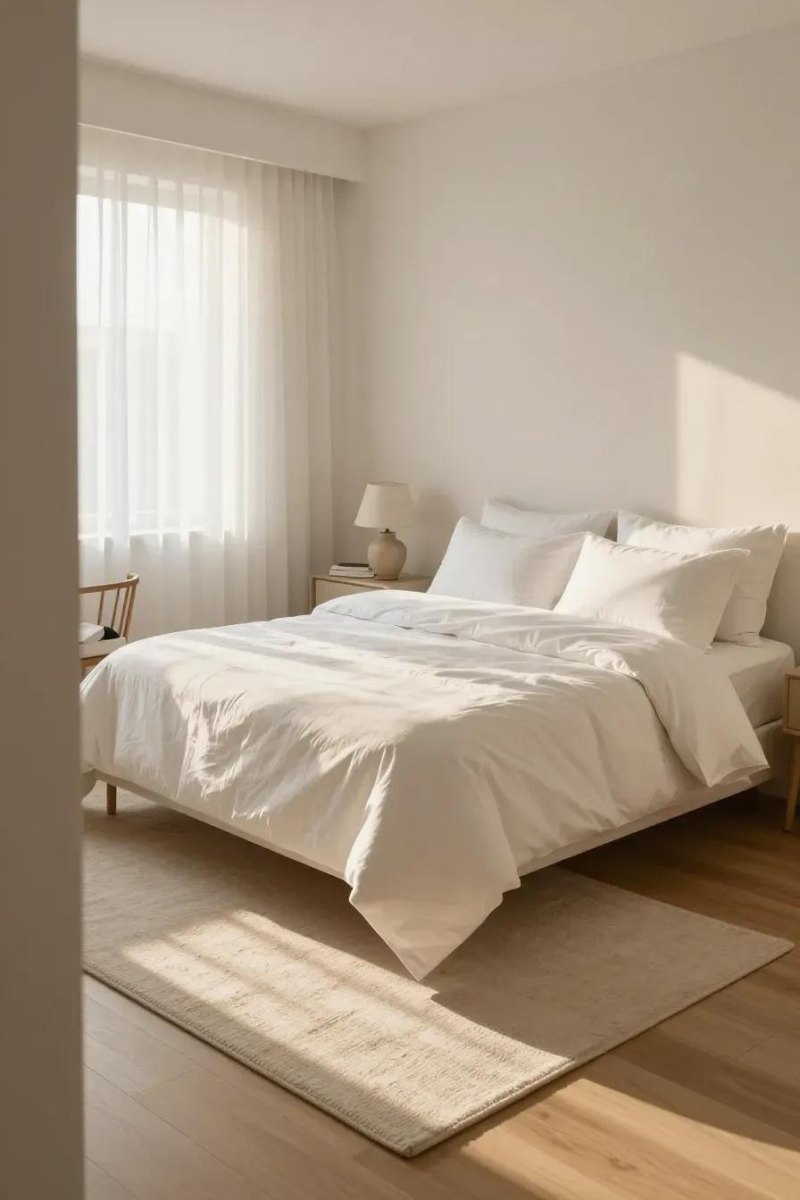
The secret to a cleaner bedroom is usually not a heroic cleaning day. It is a handful of small actions that prevent the room from becoming overwhelming again.
My own routine works best when it has a few anchors: make the bed, clear surfaces, put clothes away, and notice what is creating friction. A sustainable cleaning rhythm leaves room for actual life.
- Choose. Pick a few tasks that matter most.
- Repeat. Attach them to habits you already have.
- Adjust. Change the routine when your life changes.

 Sleep & Insomnia Solutions13 Natural Ways to Get More Deep Sleep and Wake Up Feeling Rested
 Health & Wellness6 Simple Healthy Habits After 40 That Make Everyday Life Better
 Energy, Hormones & Stress ManagementMenopause und Nachtschweiß – 16 praktische Lösungen für ruhigere Nächte
 Energy, Hormones & Stress Management18 Natural Energy Boosters Without Caffeine That Fit Real Life