

I have learned that better sleep is rarely about finding one magical trick. For me, it has been about noticing which small changes actually make evenings easier and which ones become another task on the list. These are the sleep habits that feel realistic enough to keep on an ordinary week.
What I focus on first
- A steady rhythm rather than a perfect bedtime
- A bedroom that supports rest without expensive upgrades
- Simple habits that reduce evening decision-making
Maintain a Consistent Sleep Schedule
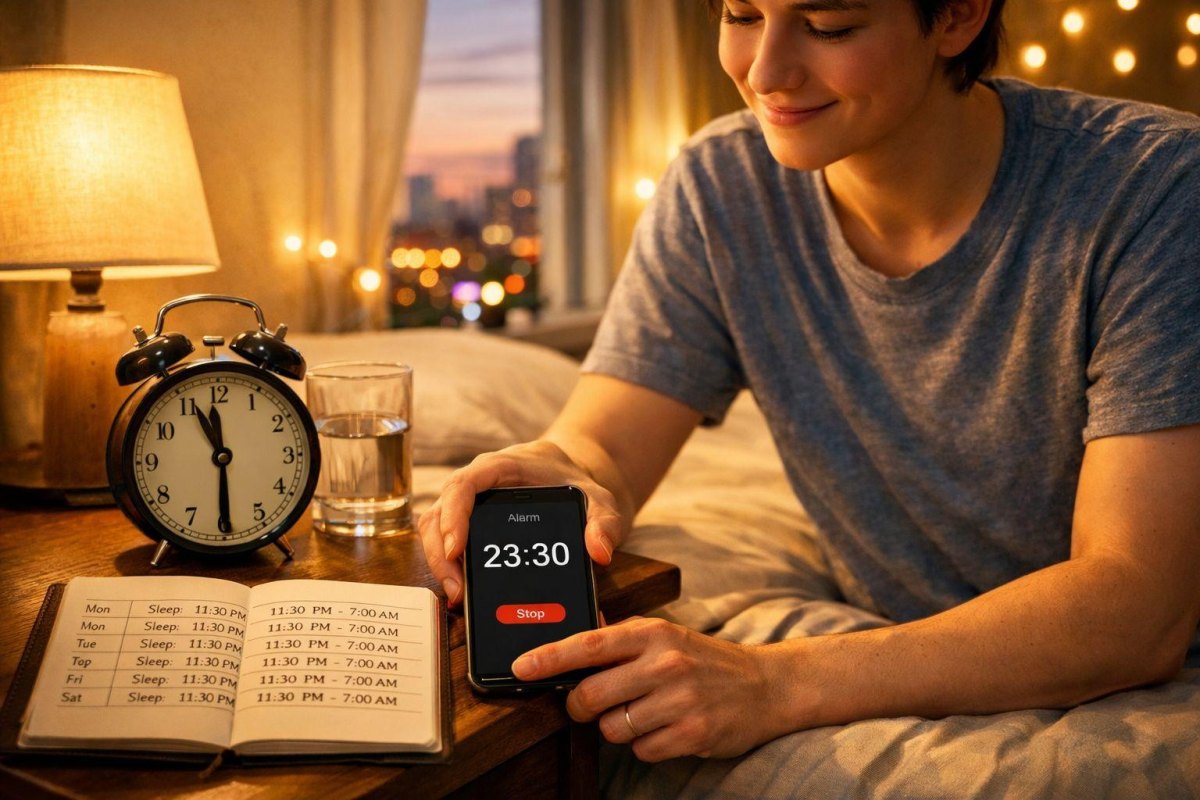
The first sleep improvement I noticed was not a new pillow or supplement. It was keeping my bedtime and wake time more predictable. The NIH lists a regular bedtime and wake-up time as a key healthy sleep habit.
I think of this as giving my body a familiar rhythm, not creating another rule to fail. Consistency matters more than chasing a perfect number every night.
- Choose. Pick a realistic wake time you can maintain most days.
- Adjust. Move bedtime gradually instead of forcing a dramatic change.
My low-energy version
Start with one anchor: the same wake time for a week.
Create a Relaxing Bedtime Routine
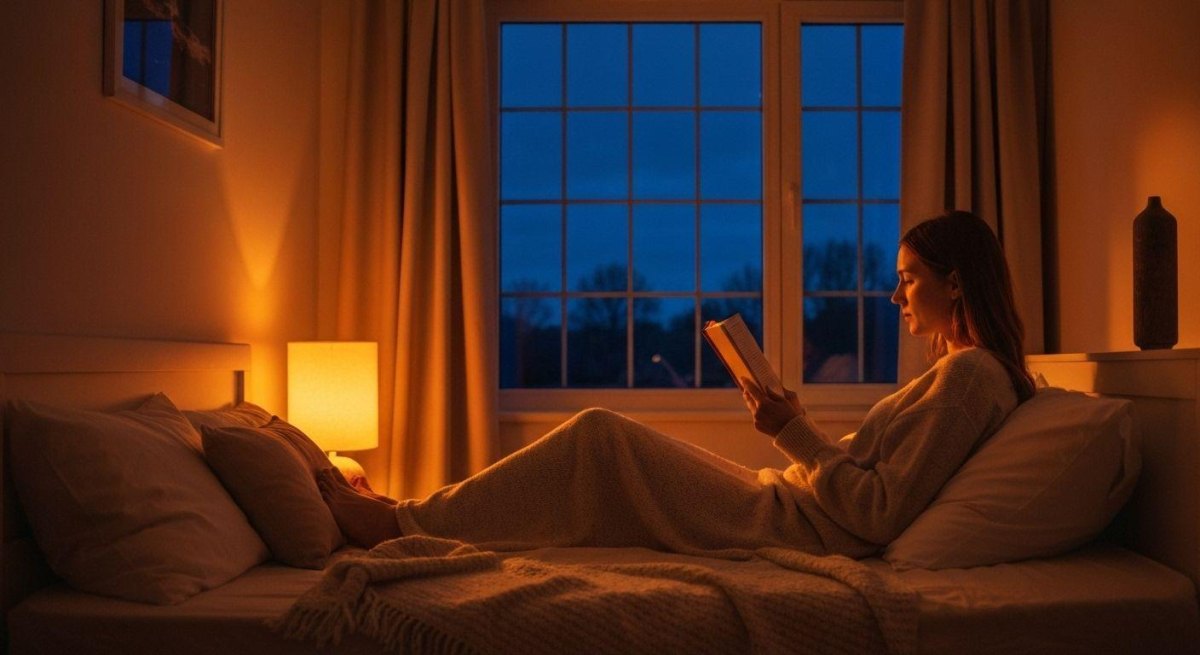
I used to think a bedtime routine needed candles, stretching, and a carefully planned wellness ritual. Mine became much simpler. A quieter final hour works better for me than a complicated checklist.
Relaxation practices can be part of healthy sleep habits, and some approaches such as breathing or guided relaxation are included in sleep strategies. The best routine is repeatable, especially when energy is low.
- Dim lights before bed
- Prepare tomorrow's essentials
- Choose a calming activity
Optimize Your Sleep Environment
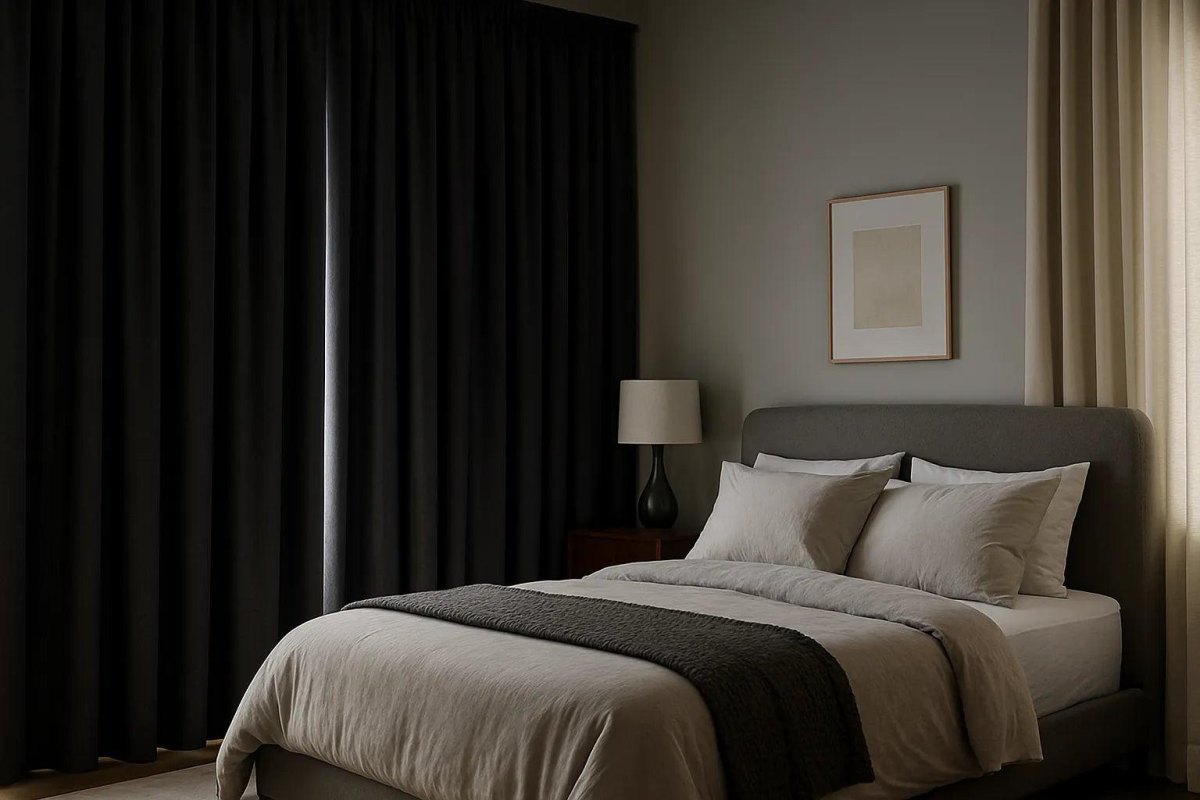
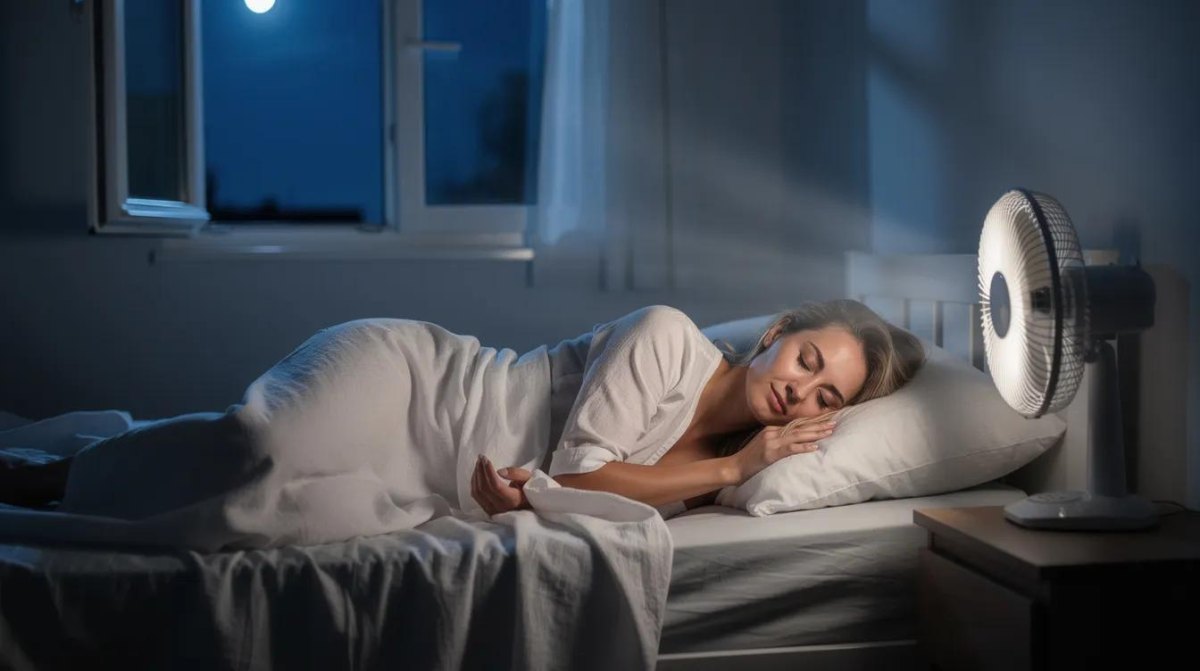
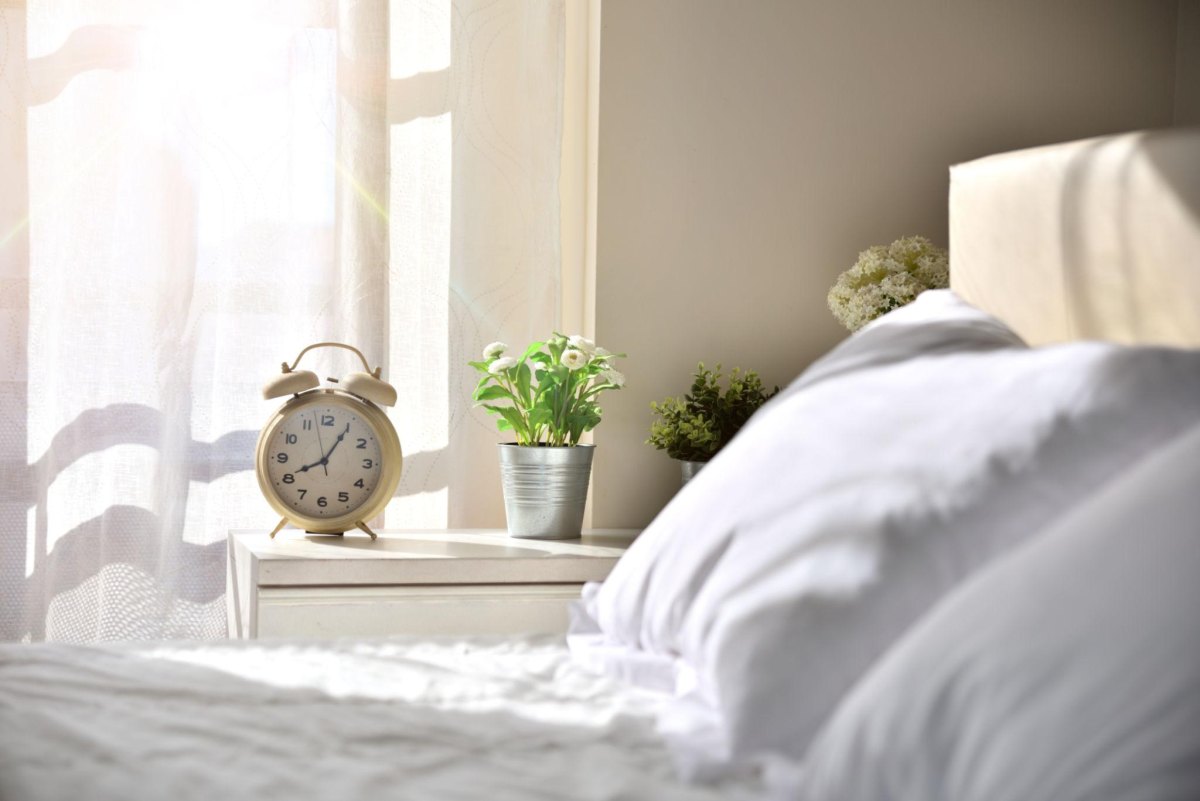
A bedroom does not need to look like a luxury hotel to help with rest. I have found that small changes, like removing clutter from my bedside table and making the room feel calmer, do more than expensive purchases.
Sleep guidance commonly emphasizes a quiet, cool, dark room as part of good sleep habits. A calmer bedroom reduces friction when I am already tired.
- Comfort: Use bedding and temperatures that feel personally comfortable.
- Visual calm: Remove items that remind you of unfinished tasks.
Limit Screen Time Before Bed
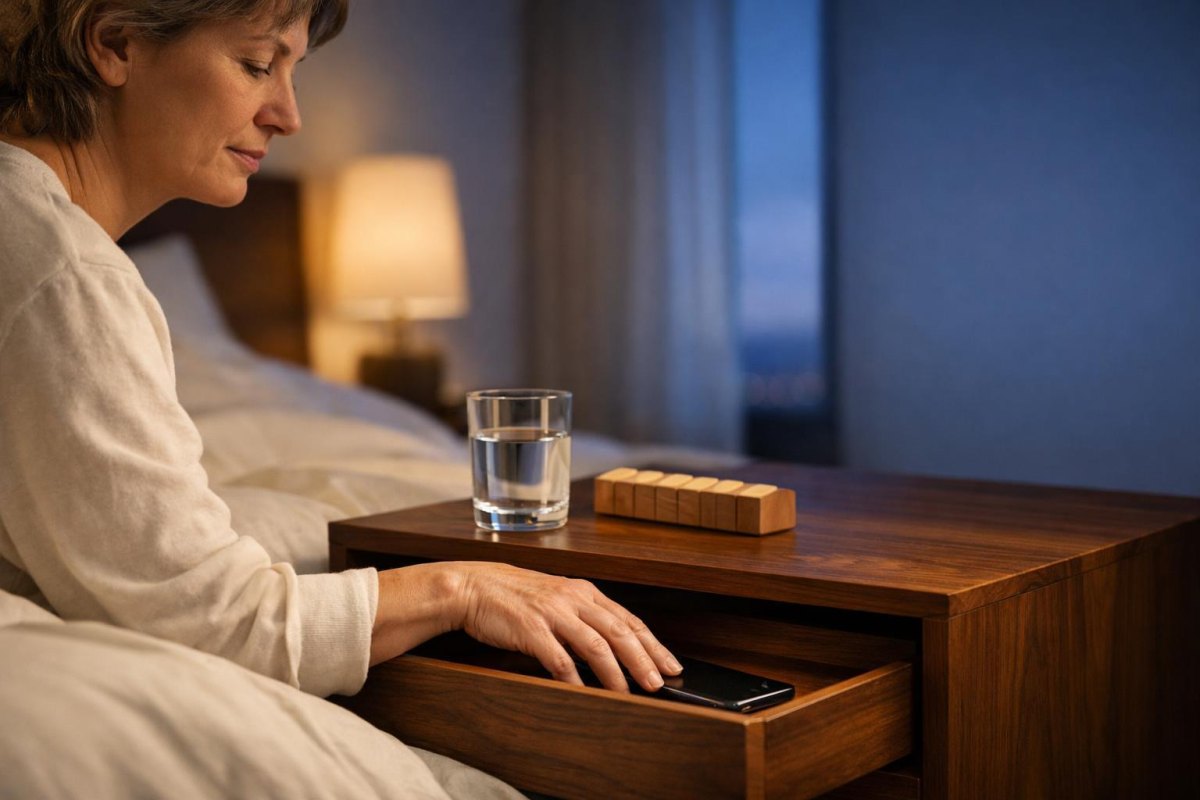
I am not someone who believes a phone automatically ruins sleep. Sometimes I need a podcast or a message from family. But endless scrolling at midnight has never helped me.
Research involving more than 122,000 adults found bedtime screen use was associated with shorter sleep and poorer self-reported sleep quality. A small screen boundary can be more realistic than giving up devices completely.
A common mistake
Replacing a stressful day with an hour of stimulating content right before bed can keep the brain switched on.
Exercise Regularly for Better Sleep

Movement helps my sleep, but I had to stop treating exercise as an all-or-nothing project. A walk with my dog often counts as the habit I can actually maintain.
The NIH recommends regular exercise while avoiding intense activity too close to bedtime. Regular movement beats heroic plans that last three days.
What helps
- Walking
- Consistent activity
What can backfire
- Overly ambitious routines
- Late intense workouts if they disturb sleep
Manage Stress and Practice Relaxation Techniques
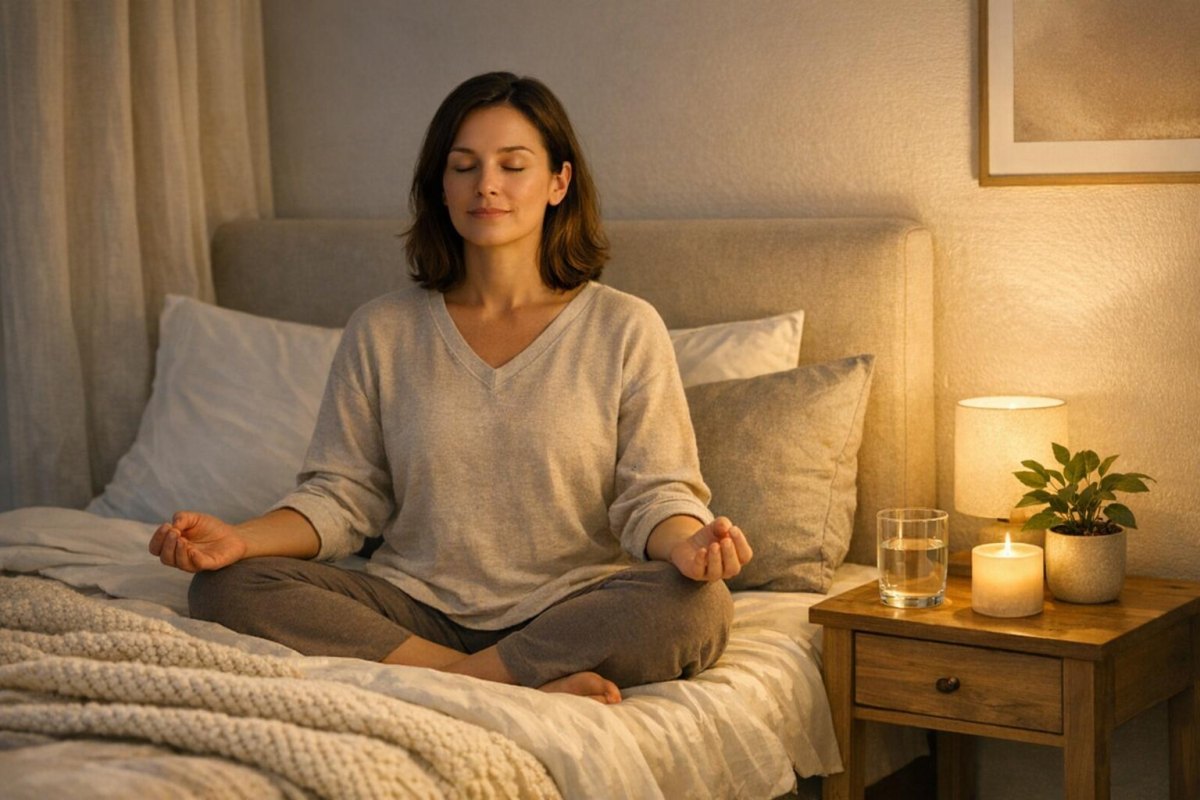
Some nights my body is tired but my brain is reviewing tomorrow's list. I do not try to win an argument with my thoughts anymore; I try to give them less stage time.
Relaxation methods may support sleep routines, although persistent sleep problems deserve professional advice rather than endless lifestyle experiments. Quieting the evening is different from fixing every worry.
A simpler evening is often the one I can repeat.
Dana Whitmore
Improve Your Diet and Evening Eating Habits

I have learned that my evening eating habits affect how comfortable I feel at bedtime. The answer for me was not a strict food plan; it was noticing patterns.
The NIH advises avoiding large meals and late beverages that may interfere with sleep. Comfort matters at night, and small adjustments are often enough to test.
| Habit | Simple adjustment |
|---|---|
| Late heavy meal | Try an earlier dinner when possible |
| Evening routine | Keep it predictable |
Control Light and Noise Exposure
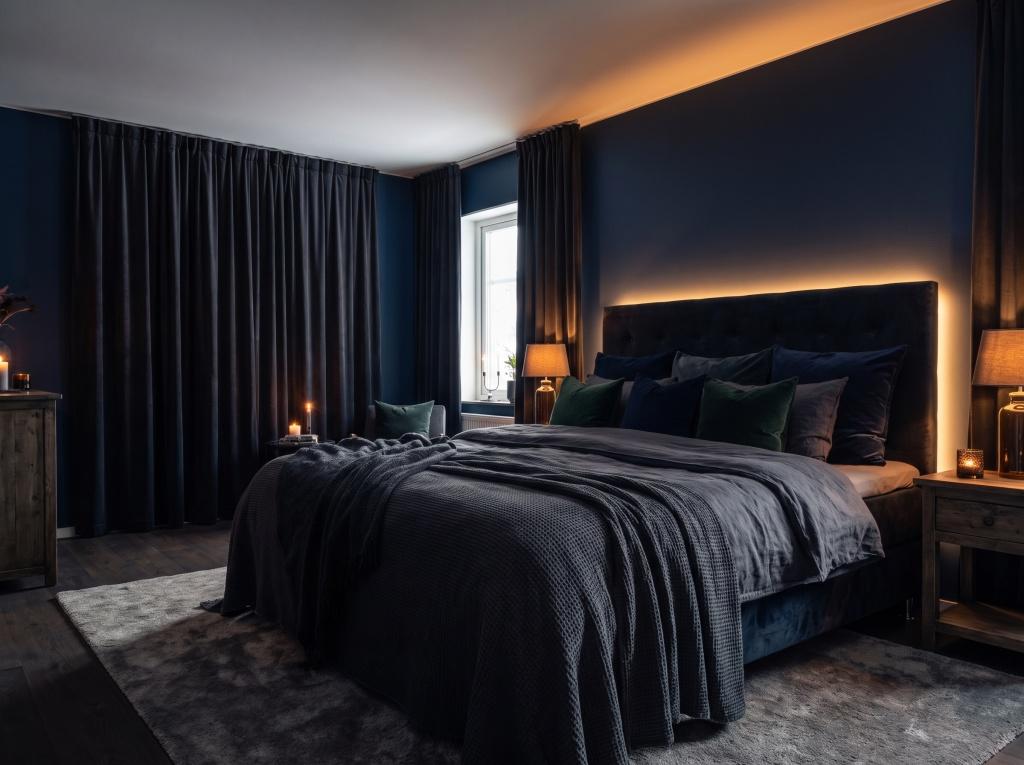
My bedroom became noticeably easier to relax in when I stopped treating light and noise as background details. Tiny annoyances become very noticeable at 2 a.m.
Sleep recommendations often include a dark, quiet environment and attention to light exposure. The smallest environmental fixes can have a surprisingly practical payoff.
A simple bedroom test
Spend one night noticing what wakes you before buying anything new.
Avoid Caffeine and Stimulants Late in the Day

I love coffee, so my goal was never to become someone who drinks herbal tea while staring proudly at a coffee machine. My goal was finding the latest time caffeine worked for me.
The NIH notes that caffeine's stimulating effects can last many hours for some people. Personal timing matters because sleep habits are not one-size-fits-all.
Worth remembering
If sleep changes are significant or persistent, lifestyle adjustments are not a replacement for medical guidance.
Track Sleep Patterns and Make Adjustments
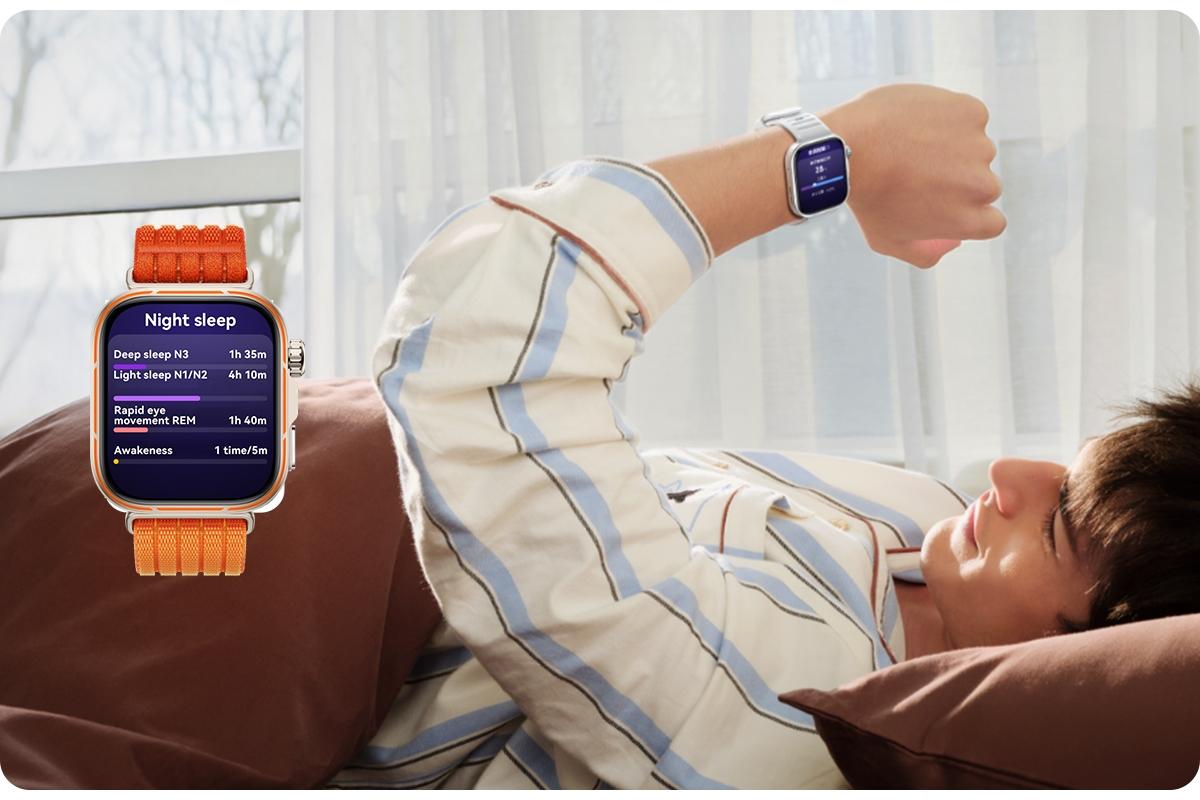
I like information, but I have learned that tracking can become another source of stress. A notebook with bedtime notes may be more useful than obsessing over every number.
Recent sleep tracker guidance notes that consumer devices can help people observe patterns but have limitations and should be interpreted carefully. Trends are more useful than judging one imperfect night.
- Notice patterns
- Experiment with one change at a time
- Stop tracking if it creates anxiety


 Sleep & Insomnia Solutions13 Natural Ways to Get More Deep Sleep and Wake Up Feeling Rested
 Health & Wellness6 Simple Healthy Habits After 40 That Make Everyday Life Better
 Energy, Hormones & Stress ManagementMenopause und Nachtschweiß – 16 praktische Lösungen für ruhigere Nächte
 Energy, Hormones & Stress Management18 Natural Energy Boosters Without Caffeine That Fit Real Life