

I spent years thinking better sleep required a perfect routine, a new pillow, or one more thing to buy. What actually helped was much less dramatic: small changes that made evenings calmer and easier to repeat. sleep without medication is not about chasing a miracle fix; it is about creating conditions that support rest.
This is what I have learned from experimenting with my own sleep habits: the best changes are usually the ones that do not demand a second job after dinner. simple sleep habits can be more realistic than a complicated overnight transformation.
Create a Consistent Sleep Schedule
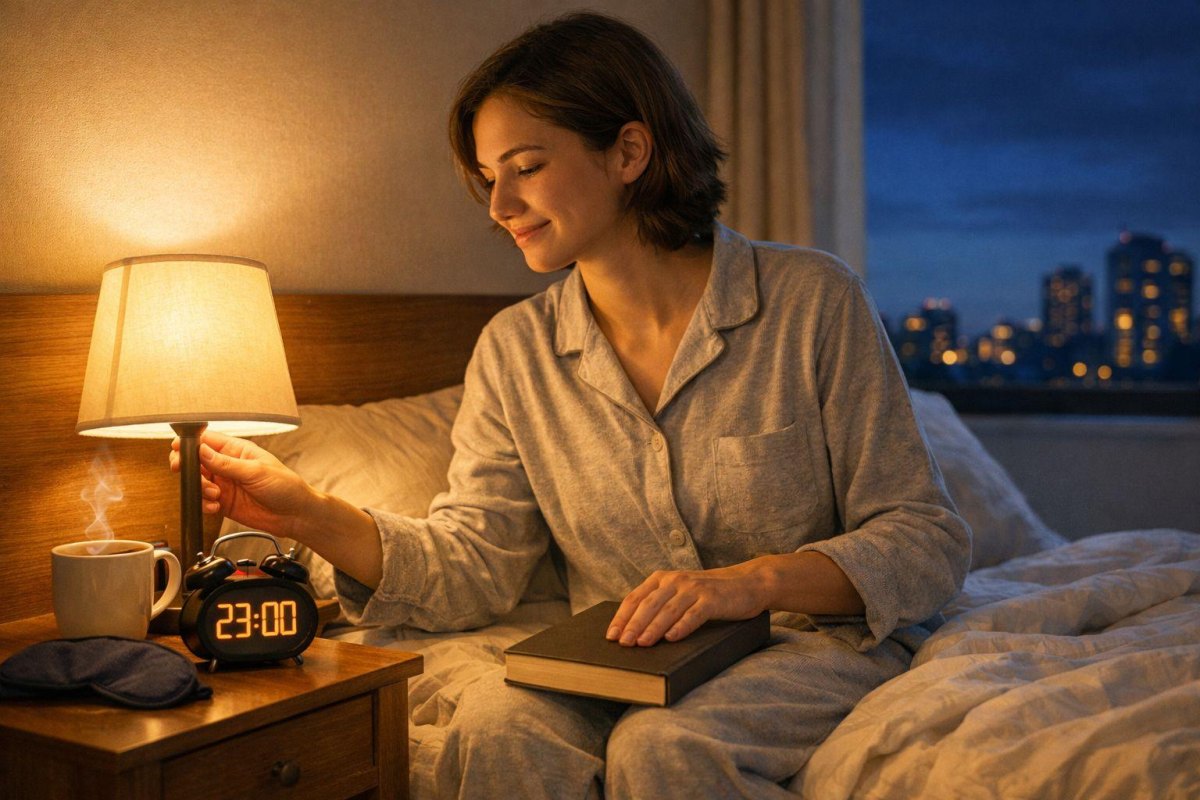
The first thing I changed was stopping the idea that bedtime could be completely different every night. A regular sleep and wake time gives my days a little more rhythm, even when life is busy. Research from the National Sleep Foundation consensus panel found that consistency in sleep timing is important for health and performance. steady sleep timing is one of the simplest habits to test.
I do not aim for perfection. My low-energy version is choosing a realistic wake-up time and keeping it most days rather than creating a strict schedule I will abandon by Thursday. realistic routines tend to last longer.
What I focus on
- A similar wake time on most days
- A bedtime that allows enough opportunity for sleep
- Small adjustments instead of dramatic resets
Design a Relaxing Bedroom Environment

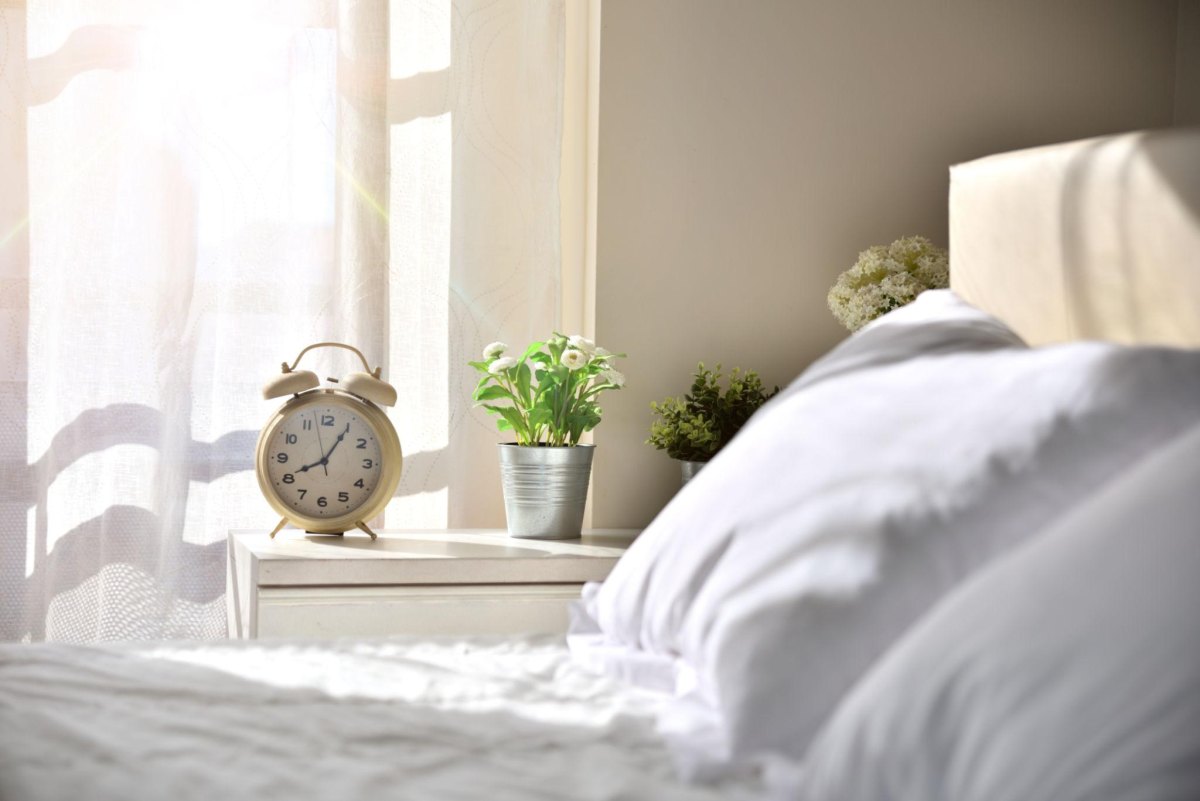
I used to blame my mattress for every restless night. Sometimes the problem was much simpler: too much light, clutter near the bed, or a room that did not feel like a place to switch off. Sleep experts commonly recommend a bedroom that is cool, quiet, and dark to support better rest. calm bedroom design does not require a renovation.
The changes I kept were inexpensive: clearing the bedside table, using softer lighting, and making the bed feel inviting. less bedroom friction made evenings feel easier.
Reduce Screen Time Before Bed
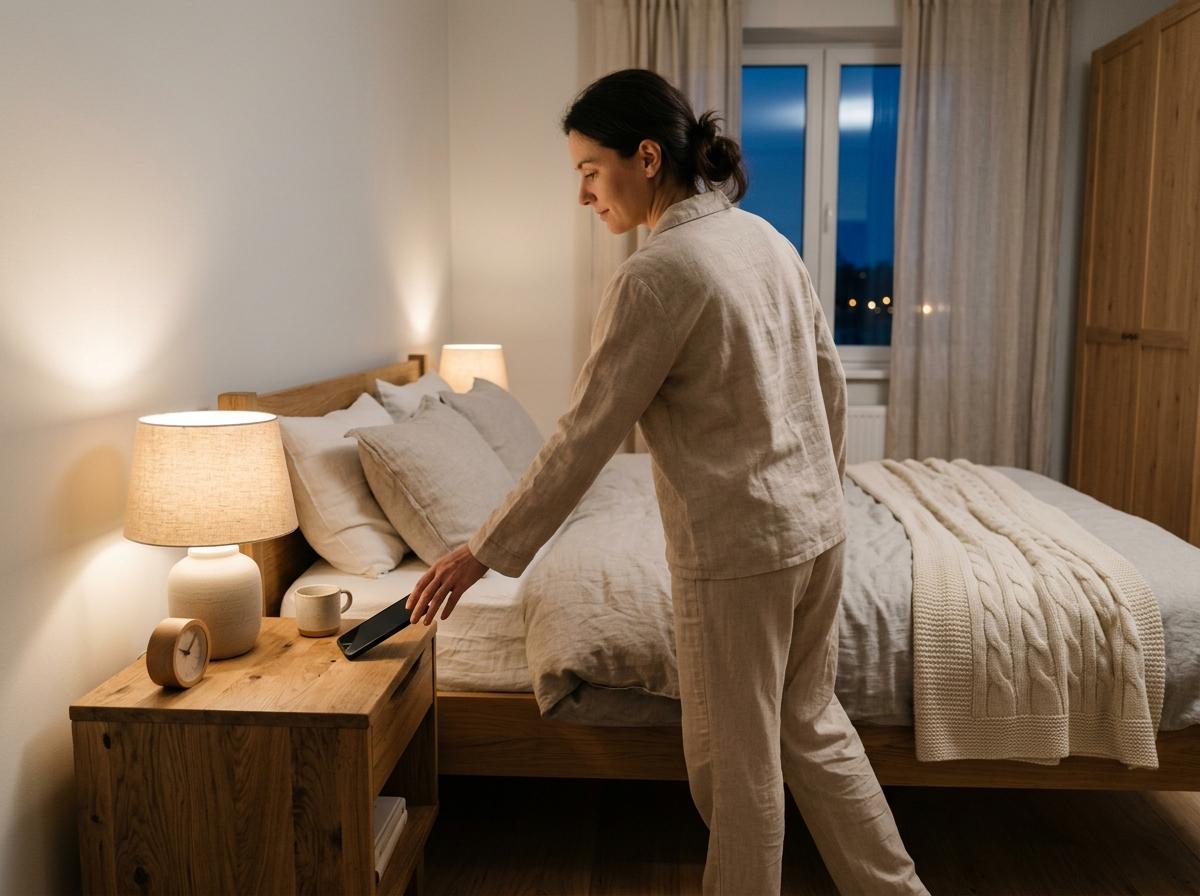
I am not someone who will pretend I never check my phone at night. Sometimes I am answering a message or looking up something I suddenly remembered. The difference came from creating a little distance before sleep because evening light exposure from screens can interfere with sleep timing. screen boundaries helped my evenings feel less scattered.
My version is simple: I put the phone down earlier when I can, rather than trying to become a person who owns no devices after sunset. small digital changes are easier to maintain.
A practical tip
Try moving your charger away from the bed before buying any complicated sleep gadget.
Practice Relaxation Techniques for Better Sleep
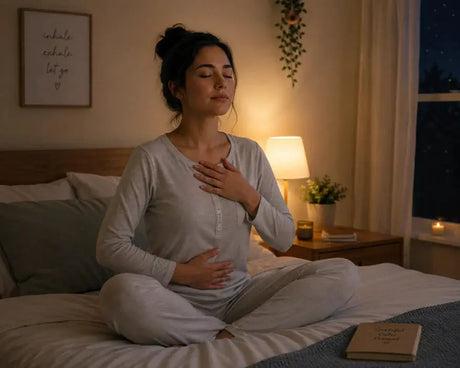
My mind has never needed much encouragement to create a list of tomorrow's tasks at 10 p.m. Relaxation techniques give me a way to signal that the day is ending. quiet transition time can be more useful than forcing sleep.
I prefer simple options like slow breathing, gentle stretching, or reading a few pages of a book. These are not cures or treatments, but they can become calming habits. bedtime relaxation works best when it feels pleasant rather than like another assignment.
Exercise Regularly to Improve Sleep Quality

I have noticed that days with some movement usually feel different from days spent entirely at my desk. Exercise is not a punishment or a project to overhaul your identity. It is simply one lifestyle factor that can support sleep quality for many people. regular movement is often more sustainable than intense plans.
My preferred version is walking, especially when it gives me a transition between work and home. I am interested in habits I can keep on ordinary weeks, not just enthusiastic Mondays. consistent activity earns its place because it helps in more than one area.
What I like
- Supports overall wellbeing
- Can fit into short sessions
What to remember
- More exercise is not always better
- New or unusual symptoms need professional advice
Manage Stress and Quiet a Busy Mind
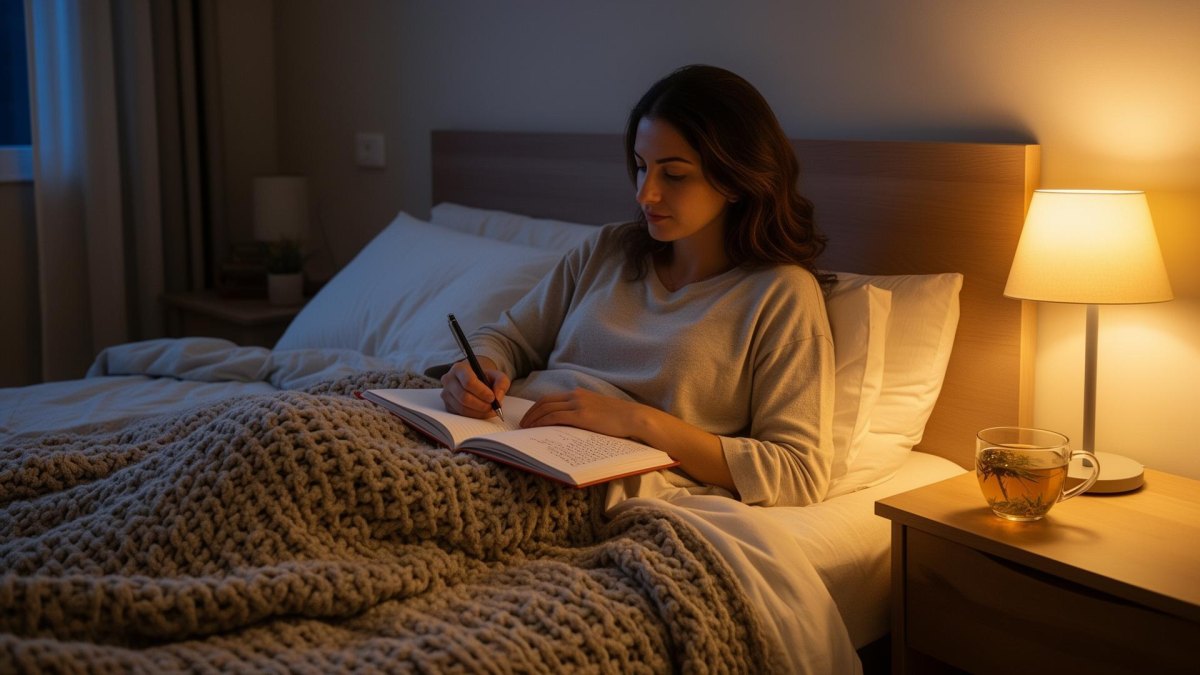
Sometimes the problem is not the bedroom. It is the mental spreadsheet running in my head. I learned that reducing evening decisions helped me more than adding another complicated wellness practice. lower evening stress can make bedtime feel less like a meeting I have to attend.
Writing down tomorrow's tasks, preparing something small for the morning, or simply admitting that everything does not need solving tonight can help me close the day. mental decluttering is one of my favorite low-effort habits.
A note from my experience
These habits support my evenings, but persistent or serious sleep difficulties are worth discussing with a qualified healthcare professional.
Follow Healthy Evening Eating Habits

I do not believe dinner needs to become another rulebook. What helped me was noticing how my own evening choices affected comfort and routine. comfortable evenings matter more to me than chasing a perfect menu.
I aim for meals and snacks that leave me feeling settled rather than overly full or distracted. If sleep problems continue, personal patterns and health questions are worth discussing with a clinician. mindful eating habits are about observation, not restriction.
Use Natural Light to Support Your Sleep Rhythm

Morning light is one of those free tools I overlooked for years. Opening the curtains and getting outside earlier helps create a clearer difference between daytime and evening. natural light exposure plays a role in the body's sleep-wake rhythm.
This does not mean I spend my mornings chasing sunlight like a wellness influencer. It means I try to make daylight part of my normal routine. simple morning habits are usually the ones I keep.
1
small morning light habit can be easier to maintain than a complete lifestyle overhaul
Build a Calming Nighttime Routine

The phrase nighttime routine can sound like a list of expensive products and complicated steps. Mine is much less impressive: wash up, prepare for tomorrow, read, and let the house become quieter. simple bedtime rituals work because they reduce decisions.
I learned that adding more steps was not always improvement. Sometimes the better routine is the one with fewer moving parts. lower-maintenance habits are easier to repeat when energy is low.
| Habit | Why I keep it |
|---|---|
| Preparing tomorrow | Reduces morning stress |
| Reading | Creates a gentle transition |
Improve Sleep Habits Through Mindful Lifestyle Changes

After trying many sleep tips, I have become less interested in dramatic fixes and more interested in what actually fits my life. Better sleep without medication is often about combining small choices that make nights easier. mindful sleep habits are built slowly.
I also remind myself that lifestyle changes have limits. A routine can support sleep, but it cannot replace medical guidance when something feels persistent, severe, or unusual. knowing the limits of self-help is part of taking care of yourself.
The best routine is the one you can still do on a tired Wednesday.
Dana Whitmore

More Pinterest Visuals










 Sleep & Insomnia Solutions13 Natural Ways to Get More Deep Sleep and Wake Up Feeling Rested
 Health & Wellness6 Simple Healthy Habits After 40 That Make Everyday Life Better
 Energy, Hormones & Stress ManagementMenopause und Nachtschweiß – 16 praktische Lösungen für ruhigere Nächte
 Energy, Hormones & Stress Management18 Natural Energy Boosters Without Caffeine That Fit Real Life