

I have learned that the best bedtime routine is rarely the most elaborate one. In midlife especially, I am less interested in adding another list of tasks to my evening and more interested in making the hours before bed feel calmer. A few simple sleep habits can make a noticeable difference, even when life is still busy.
This is the routine I come back to: fewer decisions, less stimulation, and a bedroom that feels like a place to rest rather than another project. Sleep needs vary, and ongoing or significant sleep problems are worth discussing with a qualified healthcare professional.
My practical nighttime routine
- Keep your sleep and wake times reasonably consistent.
- Reduce bright light and busy activities before bed.
- Create a bedroom setup that makes rest easier.
Set a Consistent Bedtime Schedule
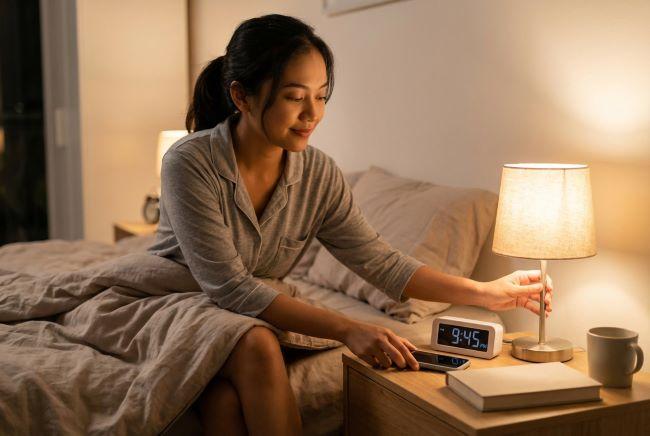
The first change I made was surprisingly unglamorous: I stopped treating bedtime as the leftover part of my day. Research and sleep guidance emphasize that regular sleep and wake times can support healthier sleep patterns. A steady bedtime rhythm gives my evenings a natural stopping point.
I do not aim for perfection. A realistic routine that works on ordinary weekdays is much more useful than a strict plan I abandon after three nights.
- Choose. Pick a bedtime and wake time you can usually maintain.
- Repeat. Let your body learn the pattern over time.
Dim the Lights Before Bed

I used to think the evening started when I sat down on the sofa. Now I see it begins earlier, when I start lowering the intensity of my environment. Evening light exposure can affect the body's sleep-wake signals, so creating a softer evening atmosphere can be a useful experiment.
My version is simple: lamps instead of bright overhead lights, especially during that final hour before bed.
A small change
Try changing one light source first. You do not need to redesign your entire home.
Disconnect From Screens at Night
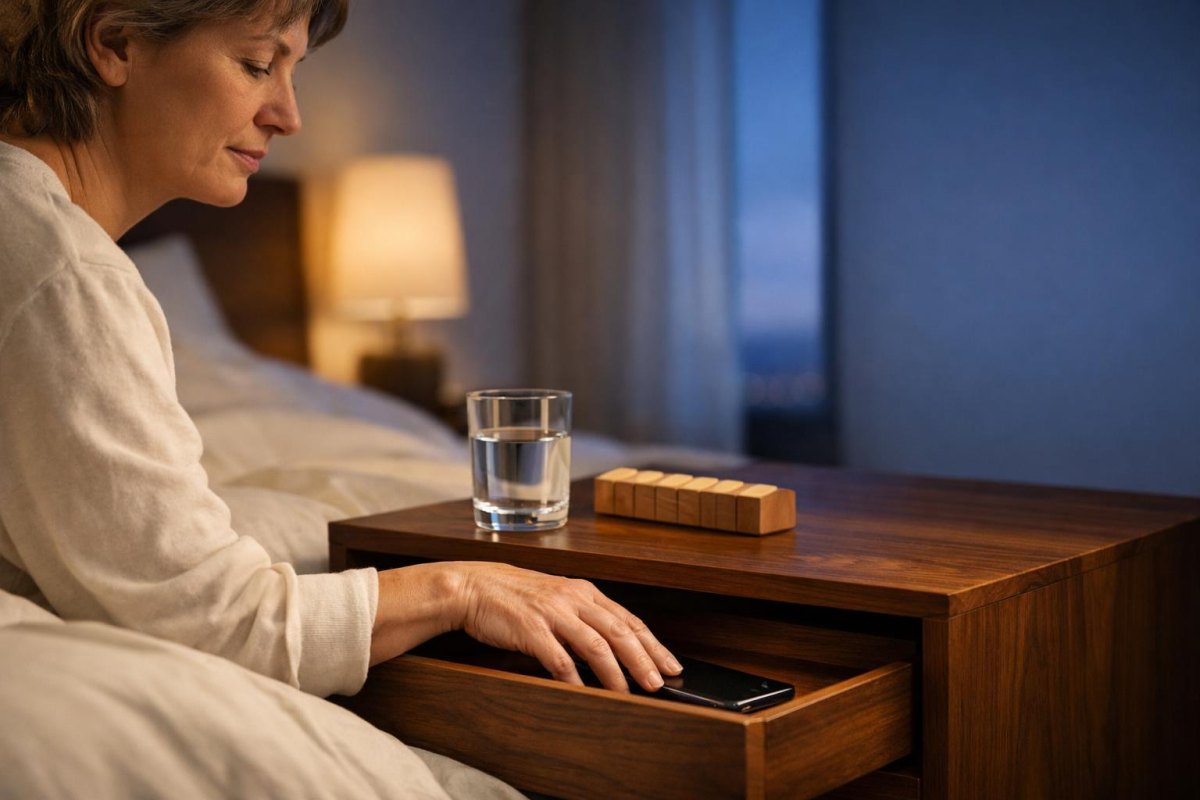
I am not going to pretend I never scroll. I own a phone, and apparently it has opinions about when I should check email. But creating a little distance from screens can reduce the feeling of being mentally switched on at bedtime. Research has examined how evening display light can affect sleep-related processes.
The goal is not a perfect digital detox. It is creating a quiet transition period between the busy day and sleep.
- Charge your phone away from the bed if practical.
- Choose a low-stimulation activity before sleeping.
Create a Relaxing Pre-Sleep Ritual

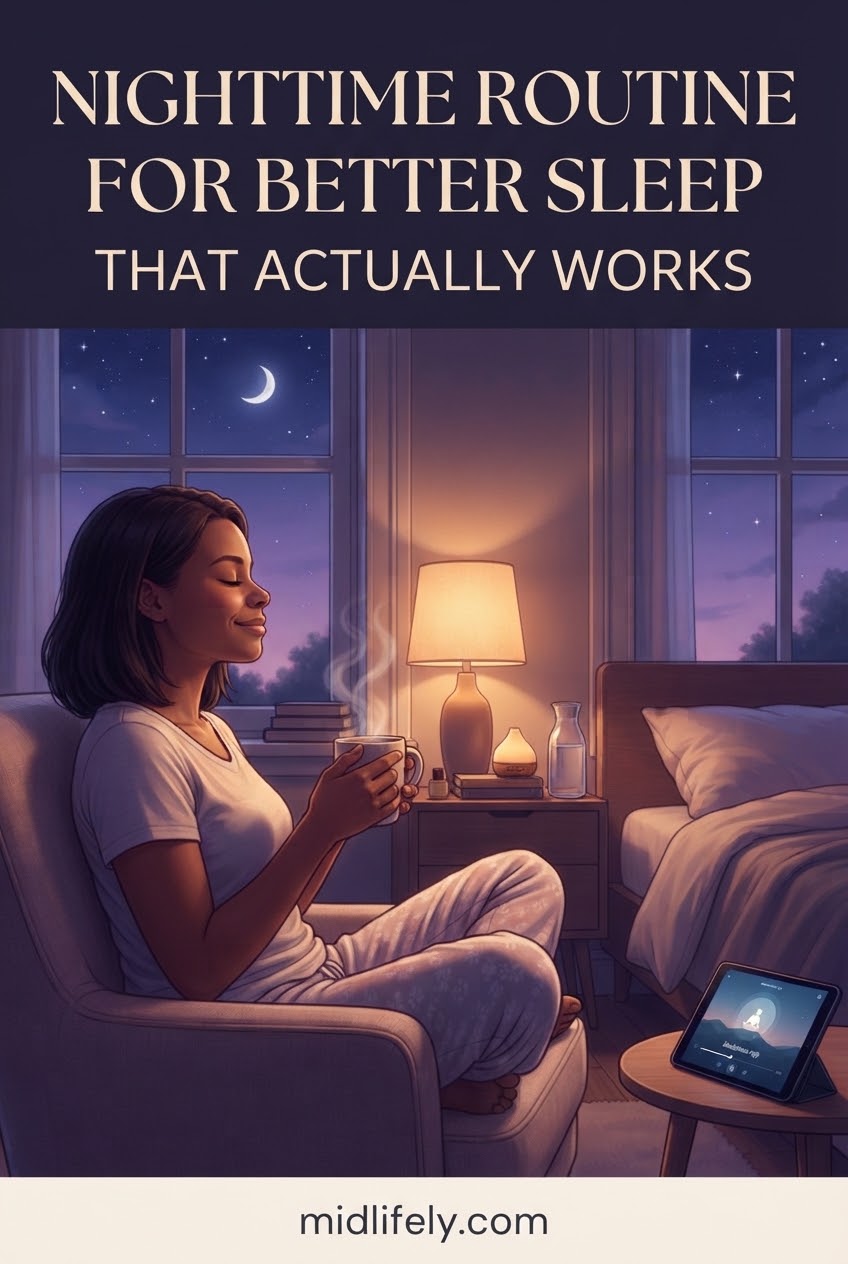
A bedtime ritual does not need candles, expensive products, or a complicated checklist. Mine is closer to a gentle closing routine: wash my face, tidy a few things, read a little, and let the house become quieter. A repeatable evening ritual helps me stop carrying the entire day into bed.
I have found that the best routine is the one I can do when I am tired. That is usually when the fancy version disappears.
What helps
- Familiar relaxing activities
- Fewer decisions at night
What adds stress
- Long routines that feel like chores
- Constantly changing the plan
Prepare a Comfortable Sleep Environment
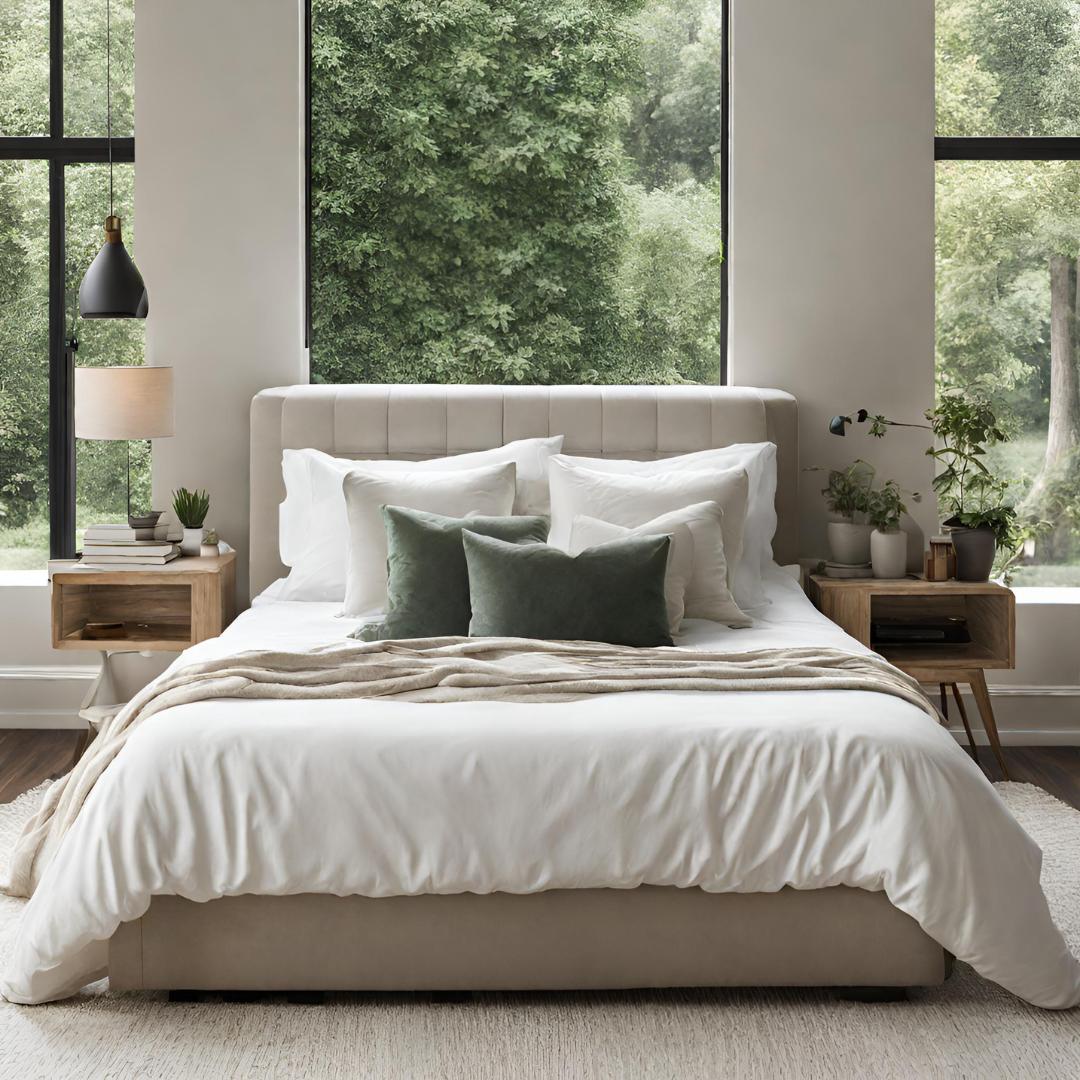
I spent years blaming my mattress for every poor night, which was a little unfair to the mattress. A comfortable bedroom matters, but I learned to start with simple changes: bedding I like, less clutter, and a room that feels restful. Sleep experts often recommend a cool, dark, quiet environment.
A comfortable sleep space is not about creating a magazine bedroom. It is about removing small annoyances.
- Bedding: Choose what feels comfortable for your body.
- Room: Reduce distractions that make winding down harder.
Practice Gentle Stretching or Breathing Exercises

I like movement during the day, but late at night I am not looking for a new fitness assignment. Gentle stretching or slow breathing can become a calming bedtime cue rather than another achievement to chase.
This is one place where the low-energy version wins. Five quiet minutes can be enough if that is what fits your evening.
- Stretch. Try comfortable movements that feel relaxing.
- Breathe. Slow down and allow your body to settle.
Avoid Heavy Meals and Stimulants Before Bed
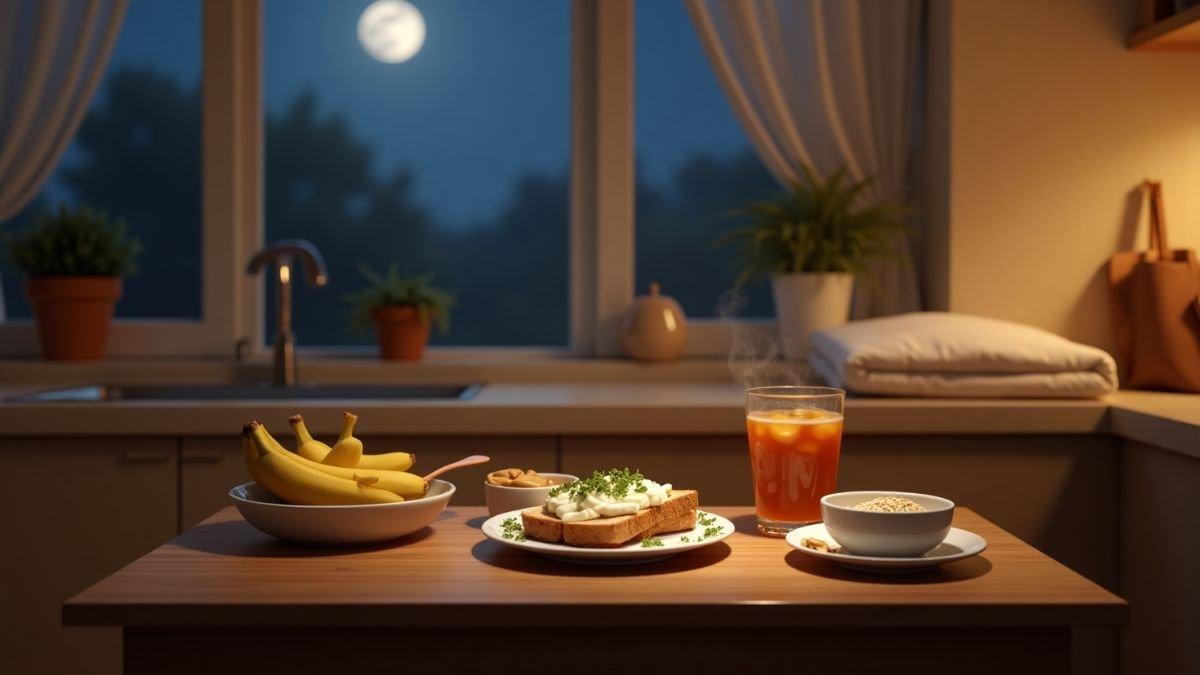
I have learned that my late-night choices affect how my evening feels, even when I am not trying to follow a strict plan. A very heavy meal or a late caffeine habit may not be helpful for everyone, so I pay attention to my own patterns instead of following every sleep rule I see online.
The useful question is simple: does this habit support an easier bedtime or make sleep feel like another negotiation?
Remember
Personal patterns vary. If sleep problems continue, consider discussing them with a qualified healthcare professional.
Write Down Thoughts and Tomorrow’s Tasks

Some nights my brain treats bedtime like a meeting invitation. Suddenly I remember appointments, errands, and a completely unnecessary concern about something from three years ago. Writing things down creates a small mental unloading habit.
I keep it practical: a short list of tomorrow's tasks, not a diary assignment that becomes another obligation.
- Write the top priorities for tomorrow.
- Note anything you do not want to forget.
Keep the Bedroom Cool and Quiet
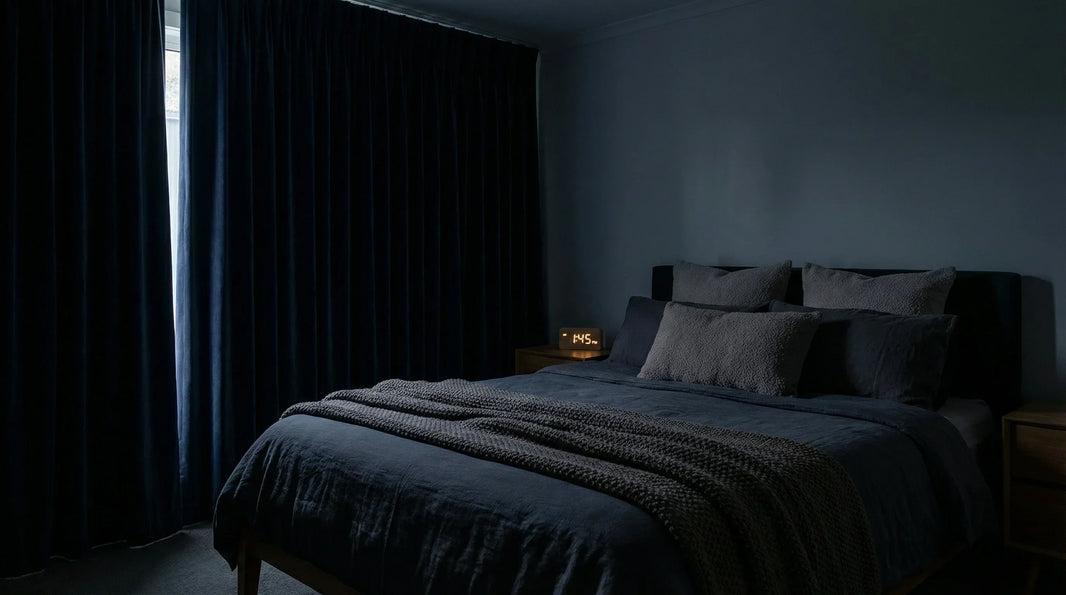
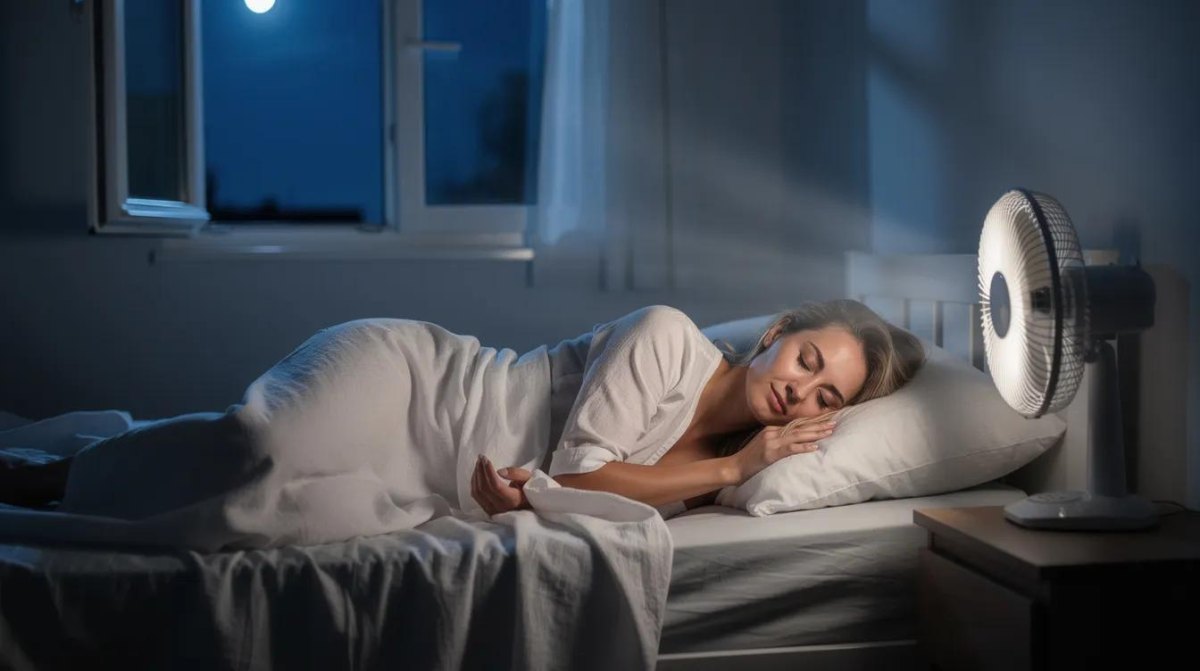
A bedroom does not need to be perfect, but it should not fight you. Temperature, noise, and light can all affect comfort during sleep. Recommendations often describe a cool, dark, quiet room as a helpful sleep environment.
For me, the biggest improvement came from making the room feel like a resting place, not a storage area with a bed in it.
| Adjustment | Simple option |
|---|---|
| Noise | Reduce disruptions where possible |
| Light | Use darker curtains or softer lighting |
Wake Up Gently With a Morning Light Routine

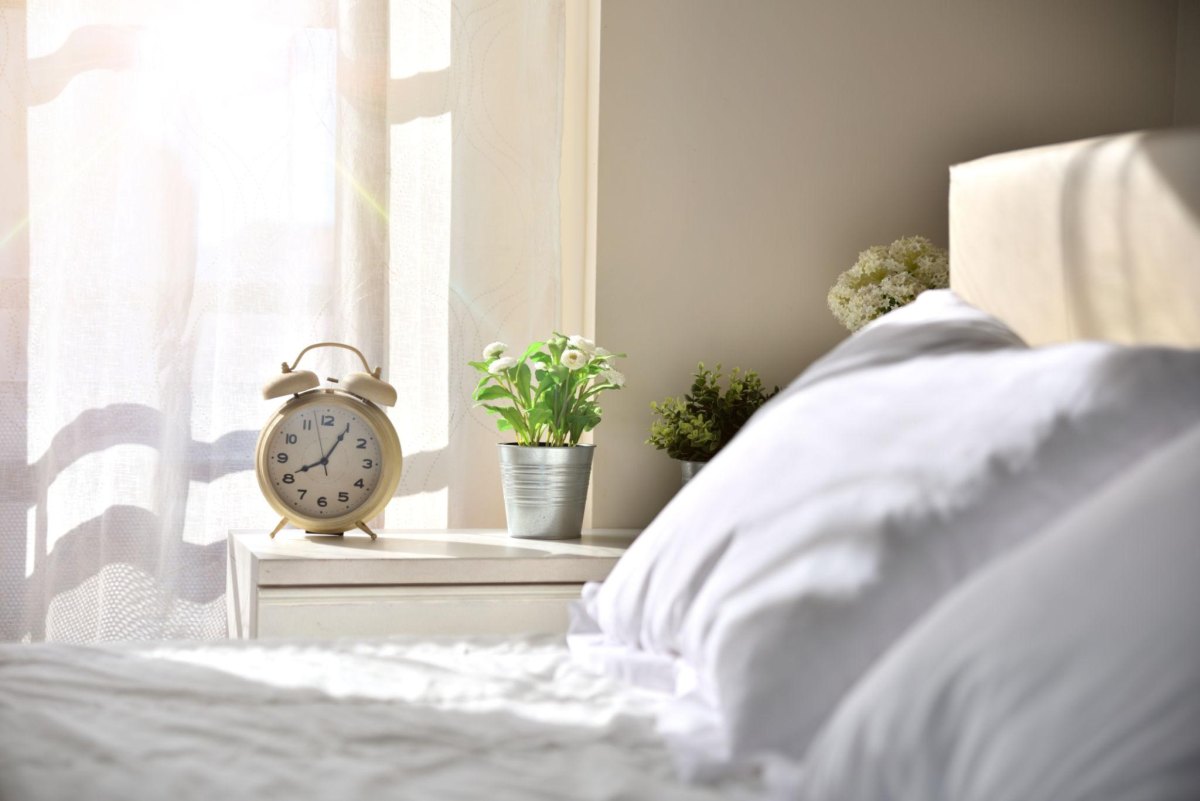
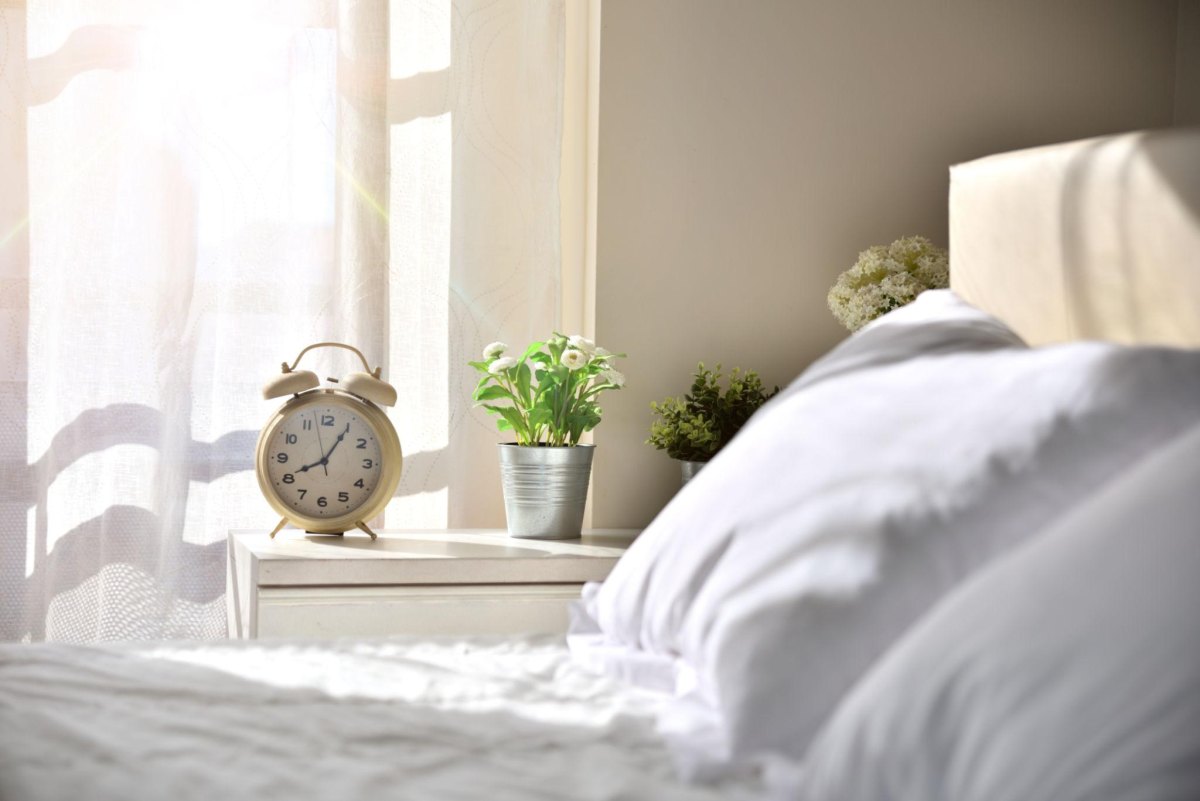
A good nighttime routine is connected to what happens after waking. Getting natural light earlier in the day is one habit often included in healthy sleep guidance because it supports the body's daily timing signals.
I like thinking of mornings as the other half of the routine. A calmer start makes it easier to build a consistent sleep pattern at night.
My realistic approach
I open the curtains, let in daylight, and avoid turning the morning into another productivity contest.

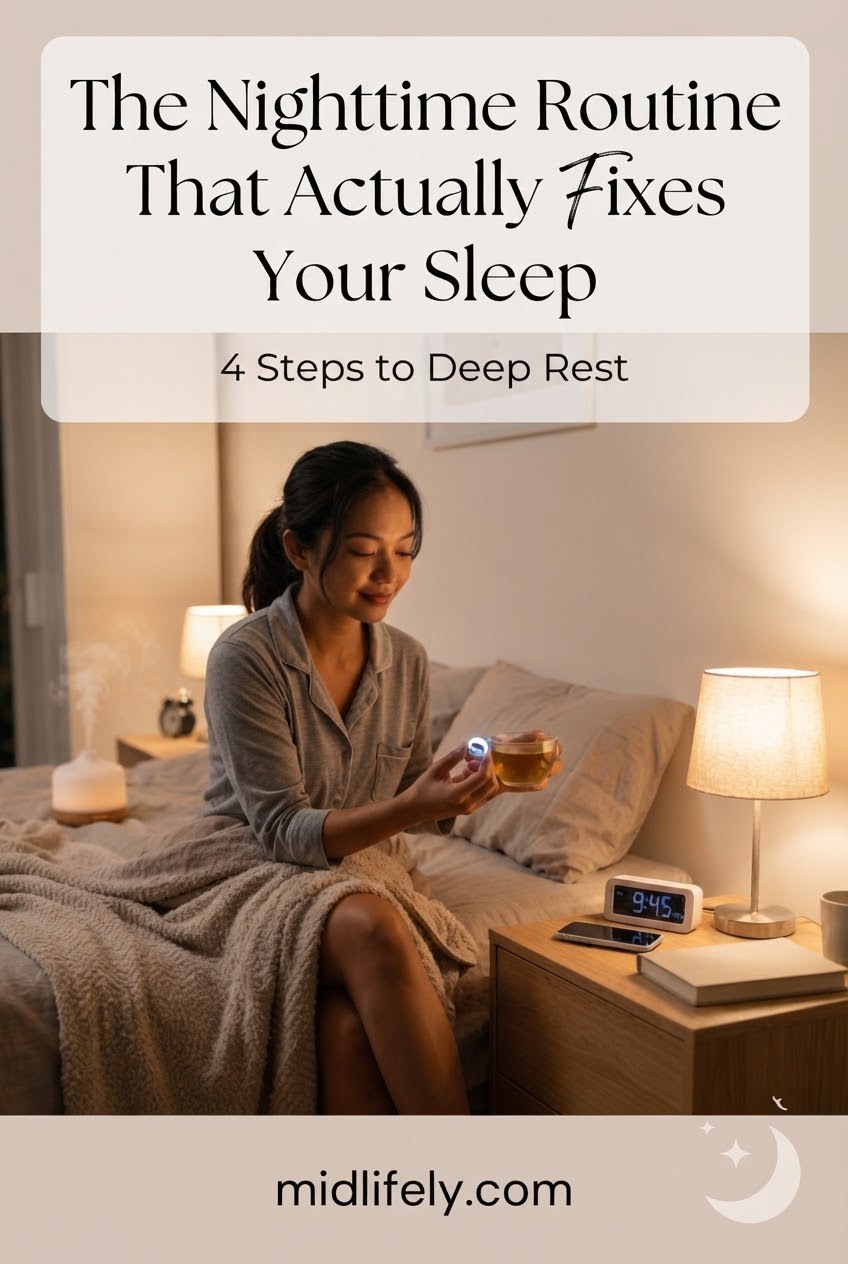
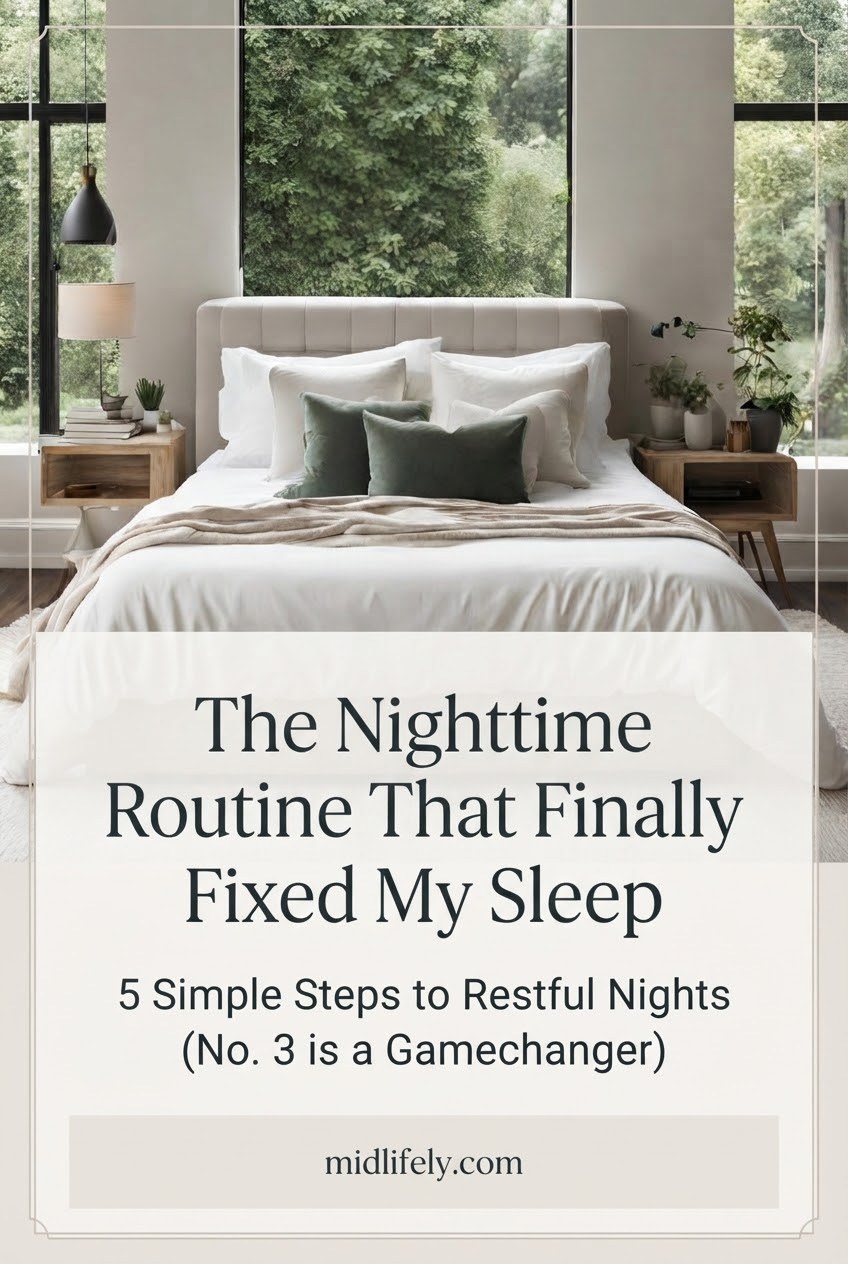
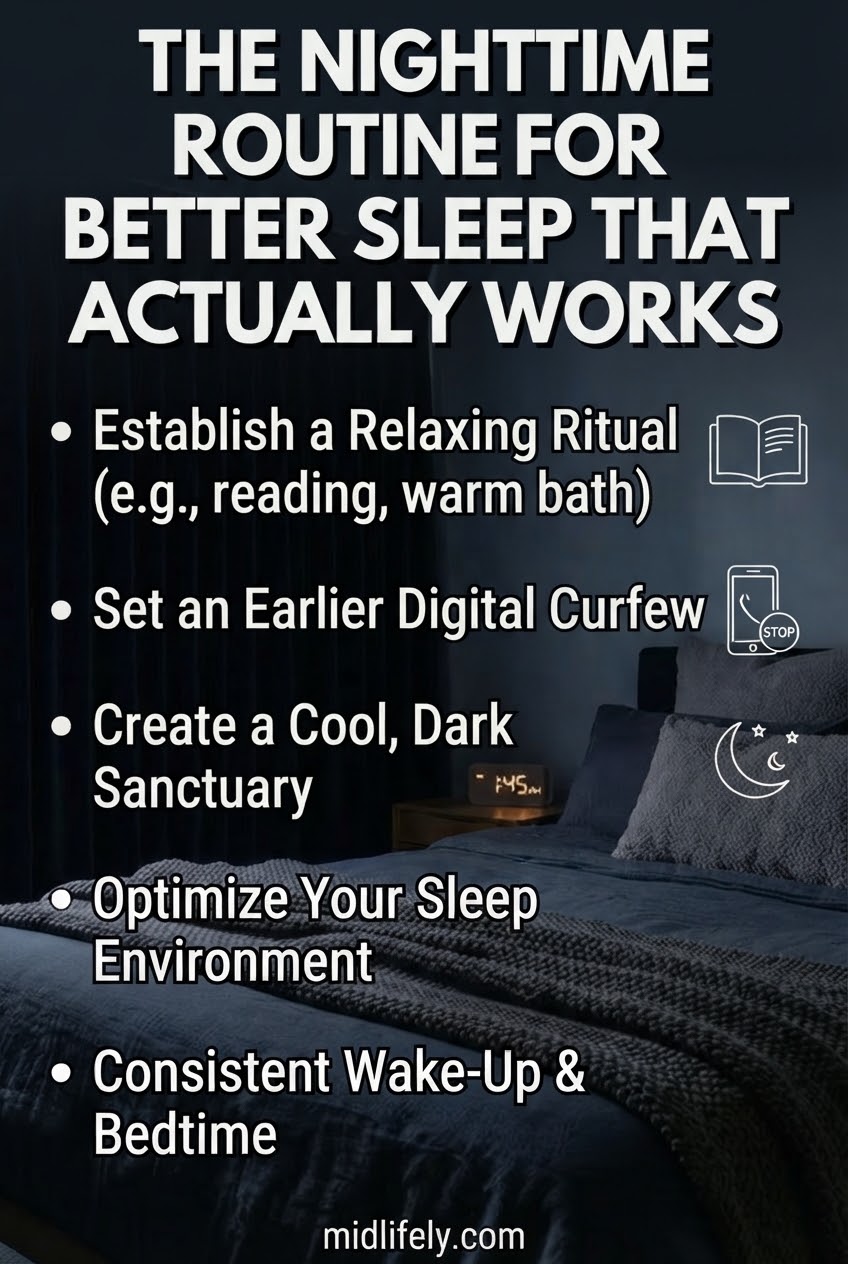
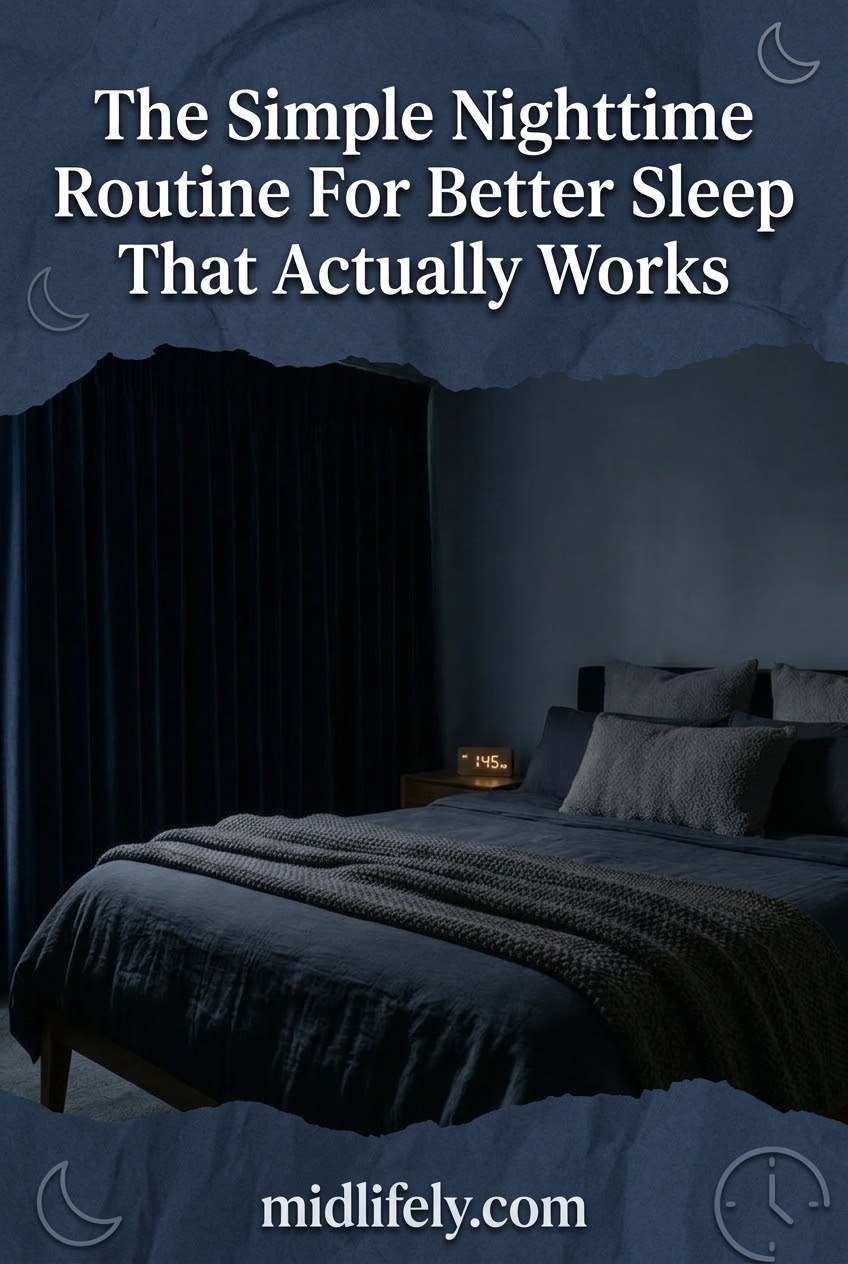
More Pinterest Visuals







 Sleep & Insomnia Solutions13 Natural Ways to Get More Deep Sleep and Wake Up Feeling Rested
 Health & Wellness6 Simple Healthy Habits After 40 That Make Everyday Life Better
 Energy, Hormones & Stress ManagementMenopause und Nachtschweiß – 16 praktische Lösungen für ruhigere Nächte
 Energy, Hormones & Stress Management18 Natural Energy Boosters Without Caffeine That Fit Real Life