

Sleep during menopause can feel strangely unpredictable. One night you are fine, and the next you are awake at 3 a.m. negotiating with your pillow like it has personally offended you. I have learned that the most useful changes are usually the small evening habits that reduce friction rather than a complicated routine. Sleep disruptions can happen for many reasons during menopause, including hot flashes, night sweats, mood changes, and other factors, so persistent problems are worth discussing with a qualified healthcare professional.
I prefer routines that are realistic on a normal Tuesday: less effort, fewer decisions, and a bedroom that helps instead of creating another project. These are the nighttime habits I would actually keep.
Keep a Consistent Sleep and Wake Schedule

The first habit I noticed was also the least glamorous: keeping a steady sleep schedule. Going to bed and waking up around the same time gives your evenings a predictable rhythm, even when your body feels less predictable.
I do not aim for perfection. My low-energy version is simply choosing a reasonable bedtime and avoiding the temptation to “catch up” with wildly different hours. Regular schedules are among the sleep habits recommended for people experiencing menopause-related sleep changes.
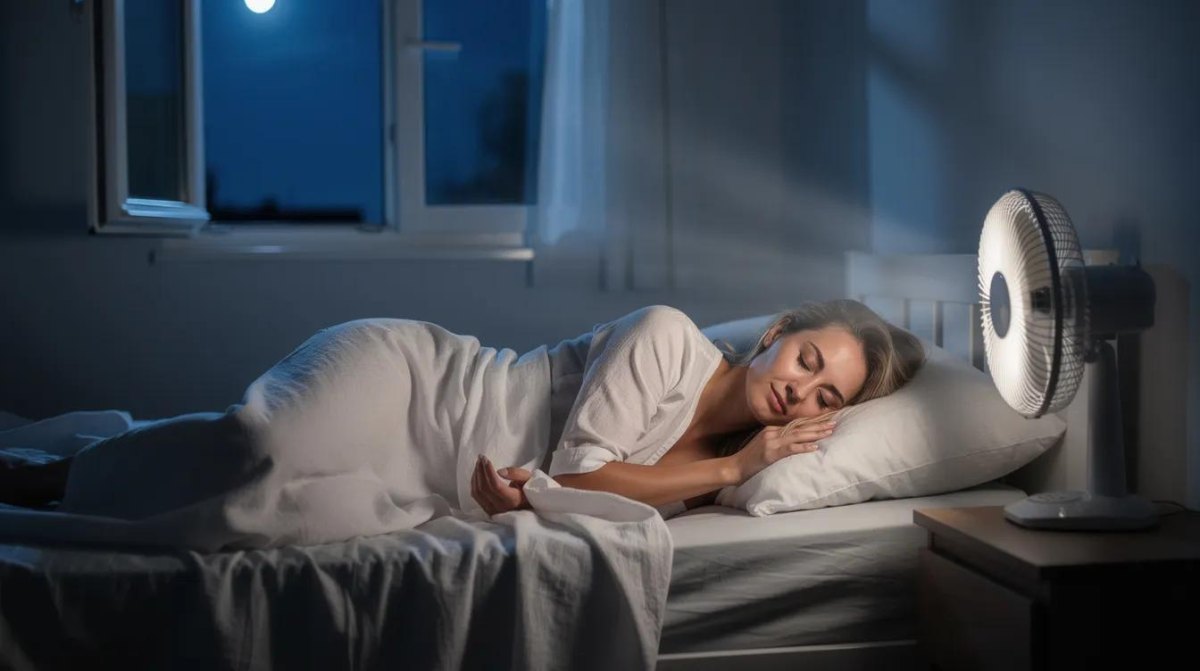
Create a Cool, Comfortable Bedroom Environment
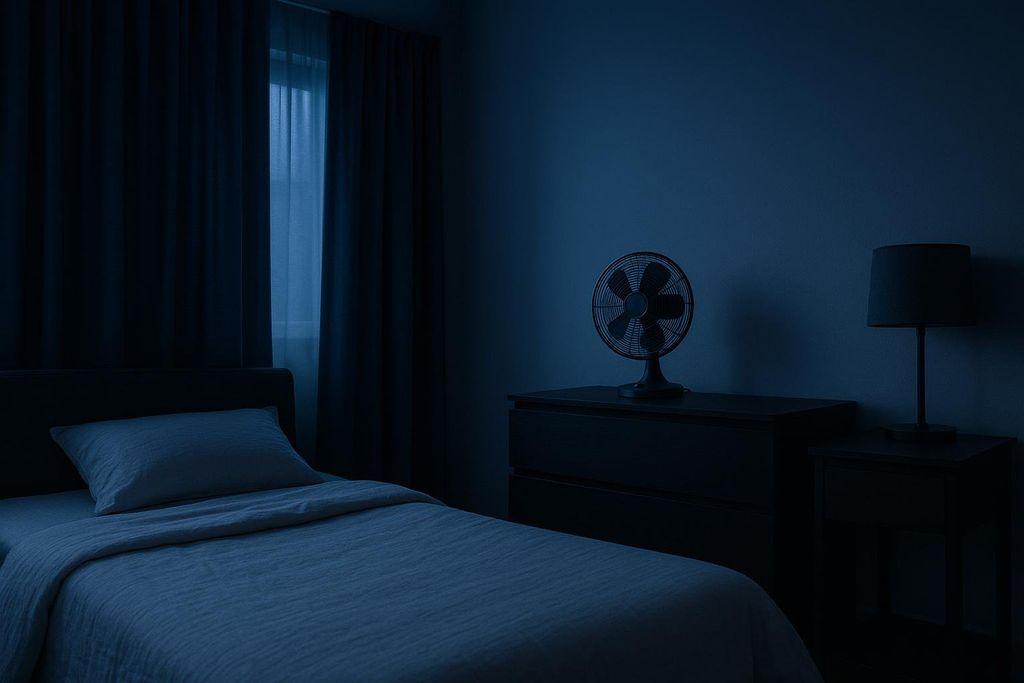
A bedroom makeover does not need to become a weekend renovation. For me, the biggest wins came from cooler sleeping conditions: breathable bedding, lighter layers, and a room temperature that feels comfortable.
Menopause-related hot flashes and night sweats can interrupt sleep, and guidance from health organizations commonly suggests keeping the bedroom cool and comfortable.
A simple adjustment
Keep extra bedding nearby so you can change layers without turning a sleepy moment into a household expedition.
Practice Relaxing Breathing Before Bed

I used to think relaxation routines needed to be elaborate. They do not. A few minutes of slow breathing before bed can simply mark the transition from busy day to quieter evening.
This is not a treatment or a guarantee of better sleep, but calming practices can be a useful part of a bedtime routine. I like habits that ask very little from me when my energy is already low.
Reduce Evening Hot Flash Triggers
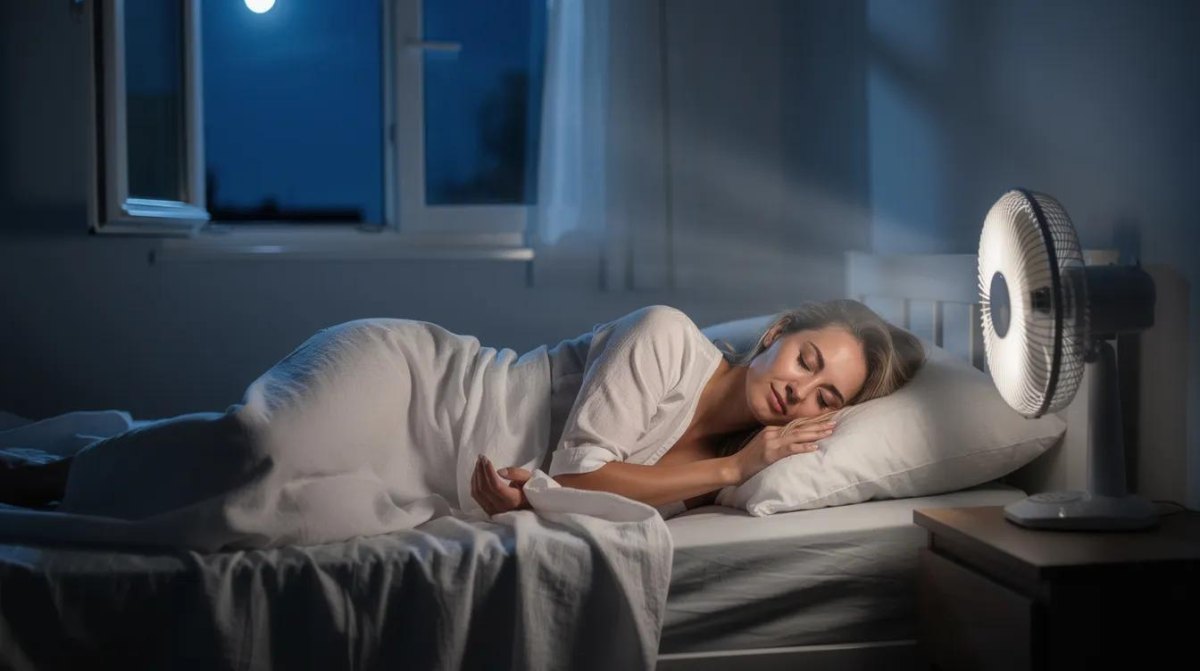
Night sweats can make bedtime feel like a temperature experiment nobody signed up for. I focus on reducing possible triggers rather than trying to control everything.
Common suggestions include watching caffeine, alcohol, spicy foods, and bedroom heat if these seem connected to symptoms. Personal patterns vary, so I prefer noticing what affects my own evenings instead of following a giant list of rules.
Limit Screen Time Before Sleep

I love my phone, but I have accepted that scrolling at bedtime is rarely the peaceful ending I imagine. Creating a screen-free window helps my brain recognise that the day is winding down.
Health guidance for menopause sleep often recommends limiting television, phones, and computers close to bedtime because they can make it harder to settle.
What helps
- Reading a paper book.
- Lowering evening light.
What gets tricky
- Late-night news scrolling.
- “Just one more” videos.
Choose a Sleep-Friendly Evening Meal Routine

I am not interested in a perfect menopause diet at 7 p.m. I am interested in an evening meal routine that does not leave me uncomfortable when I climb into bed.
Large meals, caffeine, and alcohol close to bedtime may interfere with sleep for some people. The practical answer is usually a little planning, not another strict food rule.
| Evening choice | Why I consider it |
|---|---|
| Earlier dinner | Less chance of going to bed overly full |
| Caffeine awareness | Helps identify personal sleep disruptors |
Add Gentle Stretching to Your Nighttime Routine

Gentle stretching is one of the few habits I keep because it feels like a kindness, not homework. A few minutes of easy movement before bed can help me shift out of work mode.
Regular activity can support overall wellbeing, and some sources note that yoga or stretching may help some women manage menopause-related discomfort. It is a comfort practice, not a promise.
Use Calming Herbal Tea Rituals

A warm drink before bed is less about magic and more about creating a quiet evening cue. I like rituals that slow me down without adding a complicated checklist.
Caffeine-free tea can be part of a relaxing routine, but I avoid treating herbs as a menopause treatment. If symptoms are troubling, that is a conversation for a healthcare professional.
A note on supplements
Natural does not automatically mean risk-free. I check with a qualified professional before using products for health concerns.
Keep a Relaxing Pre-Bed Journaling Habit
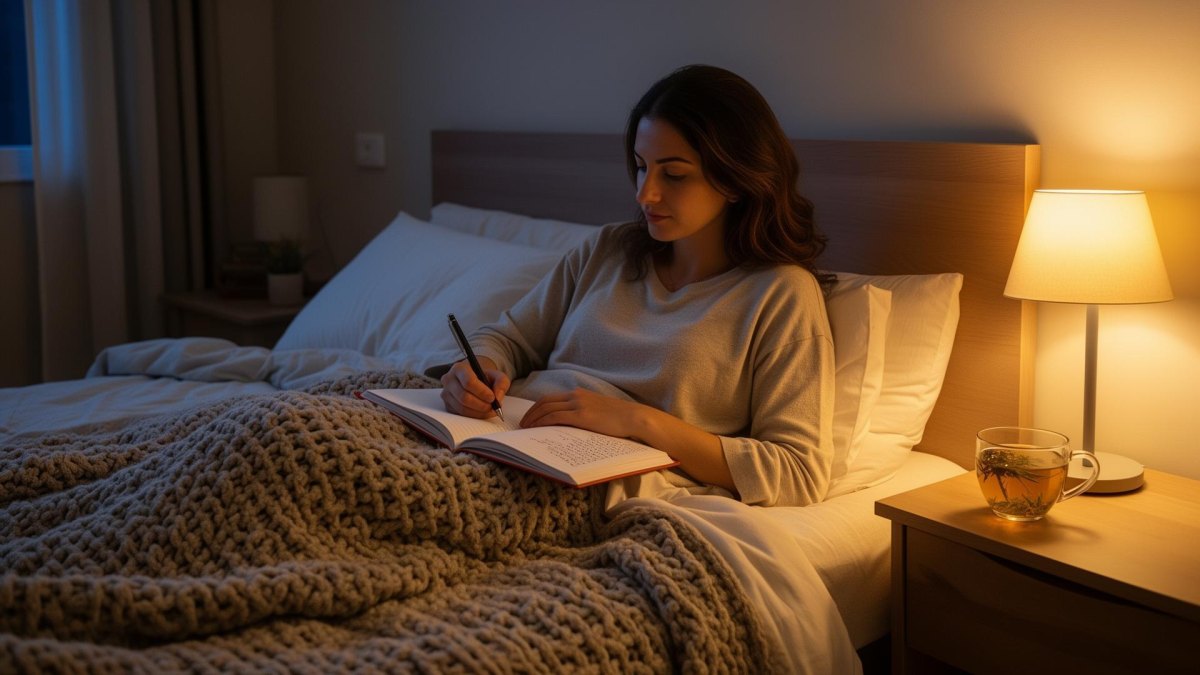
My journal is not a five-page emotional excavation project. It is usually a place to move thoughts out of my head and create a clearer bedtime transition.
The useful version is tiny: a few notes about tomorrow, a worry I want to revisit later, or something I want to remember. The goal is less mental clutter, not another achievement to track.
The low-effort version
Keep a notebook nearby and write three lines. Stop there.
Manage Nighttime Worry and Racing Thoughts

Some nights the problem is not the bedroom. It is the brain opening every unfinished tab at once. I have found that gentle mental boundaries work better than arguing with my thoughts.
If worry or sleep disruption becomes persistent or significantly affects daily life, it is worth seeking support from a qualified healthcare or mental health professional. Lifestyle habits can help, but they are not a replacement for care when you need it.
A calmer evening is not about doing everything right. It is about removing a few things that keep the day going.
Dana WhitmoreBuild a Comfortable Menopause Sleep Sanctuary
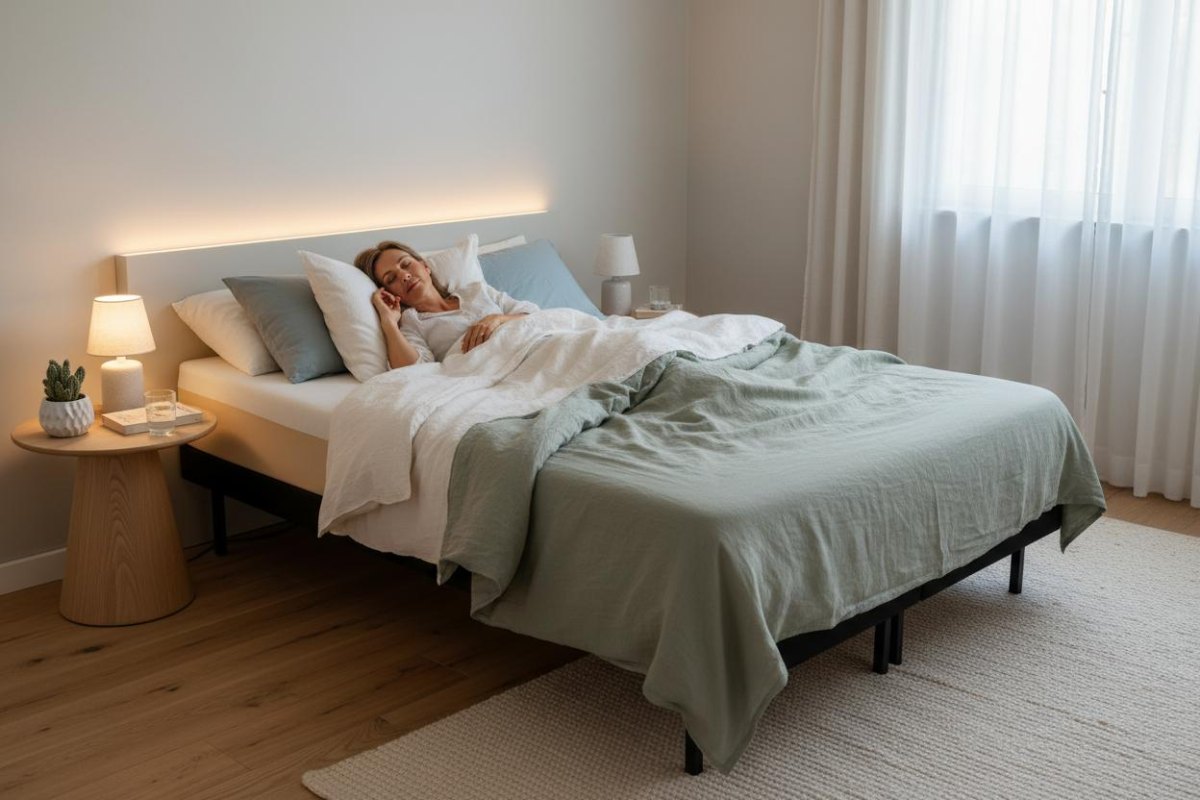
I do not think a bedroom needs to look like a luxury hotel. Mine works better when it supports the life I actually have: comfortable sheets, useful lighting, and fewer things to manage.
The best sleep changes are often the ones you can maintain after the first burst of motivation disappears. A comfortable space, consistent habits, and attention to your own patterns are practical places to begin.
My realistic bedtime reset
- Cool the room.
- Dim the evening.
- Repeat the habits that make sleep easier.



 Sleep & Insomnia Solutions13 Natural Ways to Get More Deep Sleep and Wake Up Feeling Rested
 Health & Wellness6 Simple Healthy Habits After 40 That Make Everyday Life Better
 Energy, Hormones & Stress ManagementMenopause und Nachtschweiß – 16 praktische Lösungen für ruhigere Nächte
 Energy, Hormones & Stress Management18 Natural Energy Boosters Without Caffeine That Fit Real Life