

Menopause belly changes can feel surprisingly personal. I have heard many women say they are doing what they have always done, yet their jeans fit differently and their middle feels unfamiliar. My approach is simple: look for habits that support your current body without turning life into a full-time project.
This guide focuses on realistic midlife strategies, not quick fixes. I am sharing lifestyle information and observations, not medical advice, and persistent or concerning changes are worth discussing with a qualified healthcare professional.
Understanding Why Menopause Belly Fat Increases After 50

One of the most frustrating parts of midlife is that the body can change even when your routines have not. Research suggests menopause is associated with changes in body composition, including increased abdominal fat, although aging and lifestyle factors also play roles.
Quick summary
- Menopause can change fat distribution.
- Small consistent habits are often easier to maintain than dramatic plans.
I find the most useful question is not “How do I get my old body back?” but “What helps my body feel stronger and my clothes feel better now?”
Hormonal Changes That Affect Belly Fat Storage During Menopause
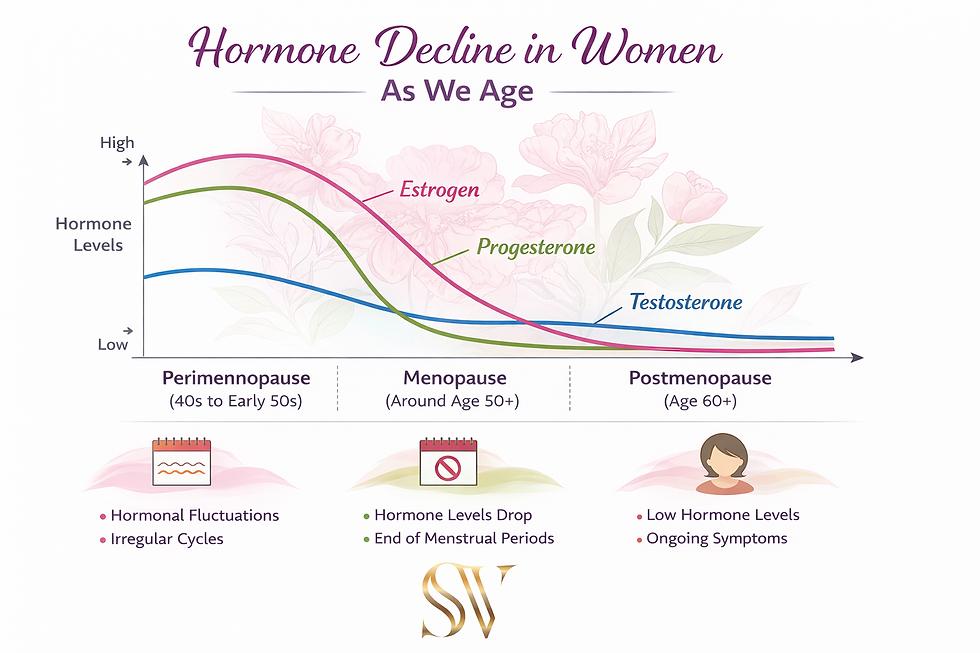
During menopause, hormone levels shift, and these changes can influence where the body stores fat. Studies have linked the menopause transition with a tendency toward increased abdominal fat storage.
A useful reminder
Hormones are only one piece of the picture. Sleep, movement, stress, age-related muscle changes, and daily routines can also affect body composition.
I prefer looking at the whole pattern rather than blaming one hormone for every change.
How Lower Estrogen Levels Influence Abdominal Weight Gain
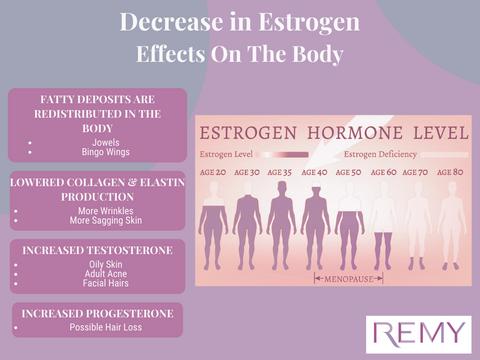
Lower estrogen after menopause is associated with changes in body composition and fat distribution. Some research describes a shift toward more central abdominal fat during this stage.
| Change | What it may affect |
|---|---|
| Lower estrogen | Body fat distribution changes |
| Less muscle over time | Strength and daily energy use |
This does not mean your body is working against you. It means the old strategies may need a small update.
Best Exercises to Reduce Menopause Belly Fat After 50

Exercise will not magically target belly fat, but regular movement can support health, strength, and body composition. Guidelines and reviews highlight benefits from combining aerobic activity with muscle strengthening for postmenopausal women.
- Start. Choose movement you can repeat, such as walking, cycling, swimming, or classes you enjoy.
- Add. Include strength-focused sessions that match your ability.
My favorite low-pressure version is the one that still happens on an ordinary Wednesday.
Strength Training for Building Muscle and Boosting Metabolism

Strength training becomes especially valuable in midlife because maintaining muscle supports everyday function and body composition. Research reviews note that muscle-strengthening activity can help slow muscle loss in postmenopausal women.
Simple strength checklist
- Choose movements you can perform safely.
- Progress gradually instead of chasing exhaustion.
- Make consistency the goal.
I have learned that a manageable routine beats an impressive routine that disappears after two weeks.
Nutrition Strategies for Losing Belly Fat After Menopause

Nutrition after 50 does not need to become a complicated spreadsheet. I focus on meals that support energy, satisfaction, and a routine I can actually maintain.
Weight changes can have many causes, so unexplained or significant changes deserve a conversation with a healthcare professional.
Foods That Support Hormonal Balance and Healthy Weight

I am cautious about any product promising to “balance hormones” or solve menopause overnight. Food can support general health, but it is not a magic switch for menopause changes.
Helpful food habits
- Building balanced meals
- Choosing foods you enjoy
Watch for
- Extreme restriction
- Expensive miracle products
The best eating plan is usually the one that fits your kitchen, budget, and actual life.
The Role of Sleep and Stress Management in Belly Fat Control

Sleep changes are common during menopause, and disrupted sleep may influence appetite, energy, and metabolic health.
Small routines matter when your energy is unpredictable. A calmer evening may help you make better choices the next day.
Dana Whitmore
I stopped trying to create a perfect nighttime routine. A quieter, simpler evening was much more realistic.
Common Mistakes That Make Menopause Belly Fat Harder to Lose

The biggest mistake I see is treating menopause like a problem that requires punishment. More restriction, more rules, and more pressure rarely make life easier.
Common mistake
Changing everything at once can create another exhausting project instead of a sustainable habit.
I would rather add one helpful change than create a long list that becomes another thing to manage.
Creating a Sustainable Belly Fat Reduction Plan After 50

A sustainable plan after 50 is less about chasing a younger version of yourself and more about supporting the body you have today. Research supports regular movement and healthy lifestyle habits as important parts of managing body composition after menopause.
My practical starting list
- Pick one movement habit.
- Improve one meal pattern.
- Protect your sleep where possible.
- Ask for professional advice when needed.
The goal is not a perfect midlife routine. It is a body and life that feel easier to live in.




 Sleep & Insomnia Solutions13 Natural Ways to Get More Deep Sleep and Wake Up Feeling Rested
 Health & Wellness6 Simple Healthy Habits After 40 That Make Everyday Life Better
 Energy, Hormones & Stress ManagementMenopause und Nachtschweiß – 16 praktische Lösungen für ruhigere Nächte
 Energy, Hormones & Stress Management18 Natural Energy Boosters Without Caffeine That Fit Real Life