

Belly changes after 50 can feel surprisingly personal. A waistband that used to behave suddenly has opinions, and unfortunately it does not send a polite calendar invitation first. I focus on practical habits that support a stronger, healthier body rather than chasing a younger version of ourselves. Research shows that aging, muscle changes, activity levels, and hormonal shifts can all influence where fat is stored.
This is not about punishment, extreme plans, or trying every wellness trend that appears in your social feed. I am interested in what is actually worth the energy: small changes that fit into a normal week and can still work when life gets busy.
Understanding Why Belly Fat Increases After 50
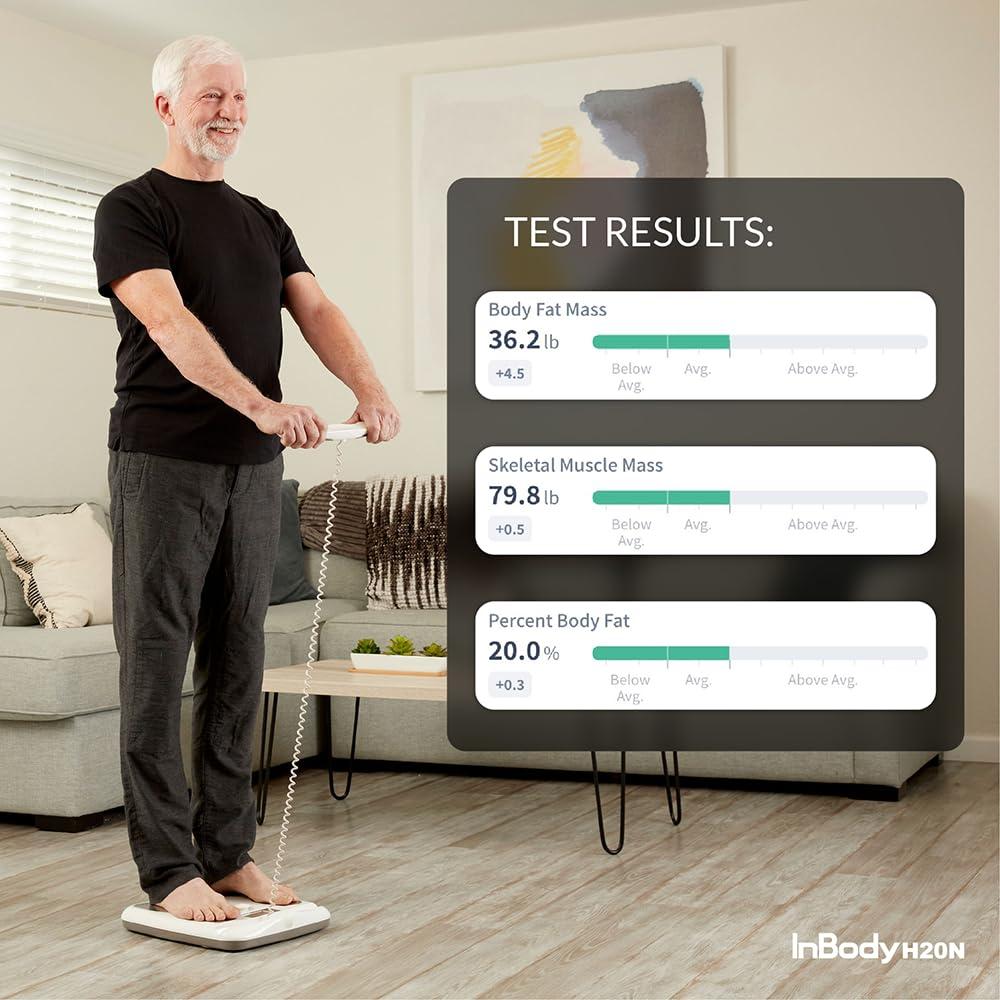
One of the most frustrating midlife changes is noticing that fat seems to settle around the middle more easily. This can happen because of age-related body changes, including shifts in muscle mass, activity patterns, and fat distribution.
I do not view this as a personal failure. Bodies are not machines that stay identical forever. My useful question is usually: what habits help me feel stronger and more comfortable now?
What matters most
- Protecting muscle as you age
- Choosing sustainable movement
- Building meals around nourishing foods
Balance Hormones That Affect Abdominal Fat Storage

Hormonal changes around menopause can influence where the body stores fat, with some women noticing more abdominal fat storage over time. I am careful with the phrase “balance your hormones” because it is often used to sell expensive solutions that promise more than they can deliver.
What feels more useful is supporting your overall health: regular movement, adequate nutrition, sleep habits, and conversations with a qualified healthcare professional when symptoms are concerning.
A note worth remembering
Persistent or worrying changes deserve medical advice rather than a collection of internet fixes.
Build Muscle to Boost Metabolism After 50

If I could keep only one fitness habit after 50, strength training would be high on my list. Maintaining muscle strength supports daily function and can help counter age-related muscle loss.
You do not need a dramatic gym transformation. The low-energy version might be two short sessions a week with movements you can repeat consistently.
- Start. Choose manageable resistance exercises.
- Progress. Increase challenge slowly when ready.
- Repeat. Consistency matters more than novelty.
Eat More Protein to Support Fat Loss and Lean Muscle
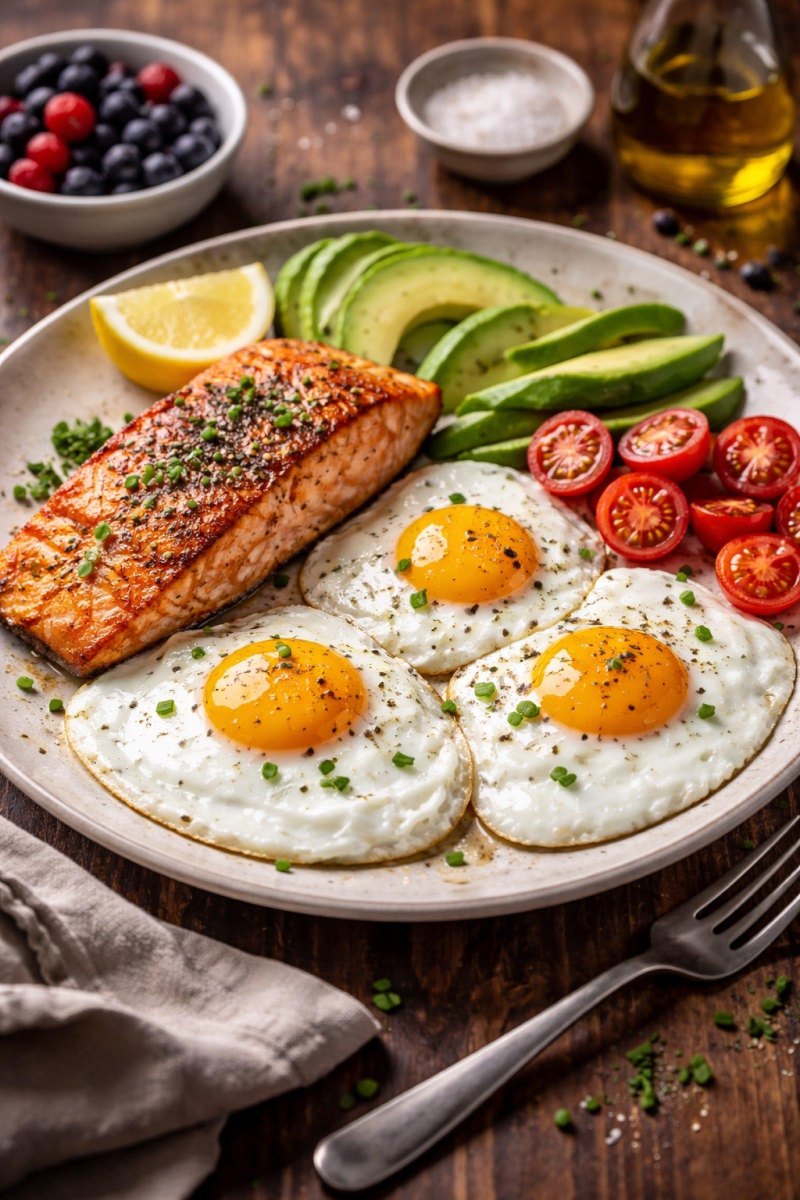
Protein became one of those nutrition words that seemed to appear everywhere overnight, but there is a good reason it matters in midlife. Adequate protein supports lean muscle maintenance, especially when combined with resistance exercise.
I prefer simple additions over complicated meal rules: eggs at breakfast, Greek yogurt, fish, beans, tofu, chicken, or another protein source you genuinely enjoy.
- Breakfast: Add a protein source instead of relying only on toast or coffee.
- Lunch: Include protein alongside vegetables and fiber-rich foods.
- Dinner: Build the plate around satisfying basics.
Reduce Hidden Sugar and Refined Carbs That Trigger Belly Fat
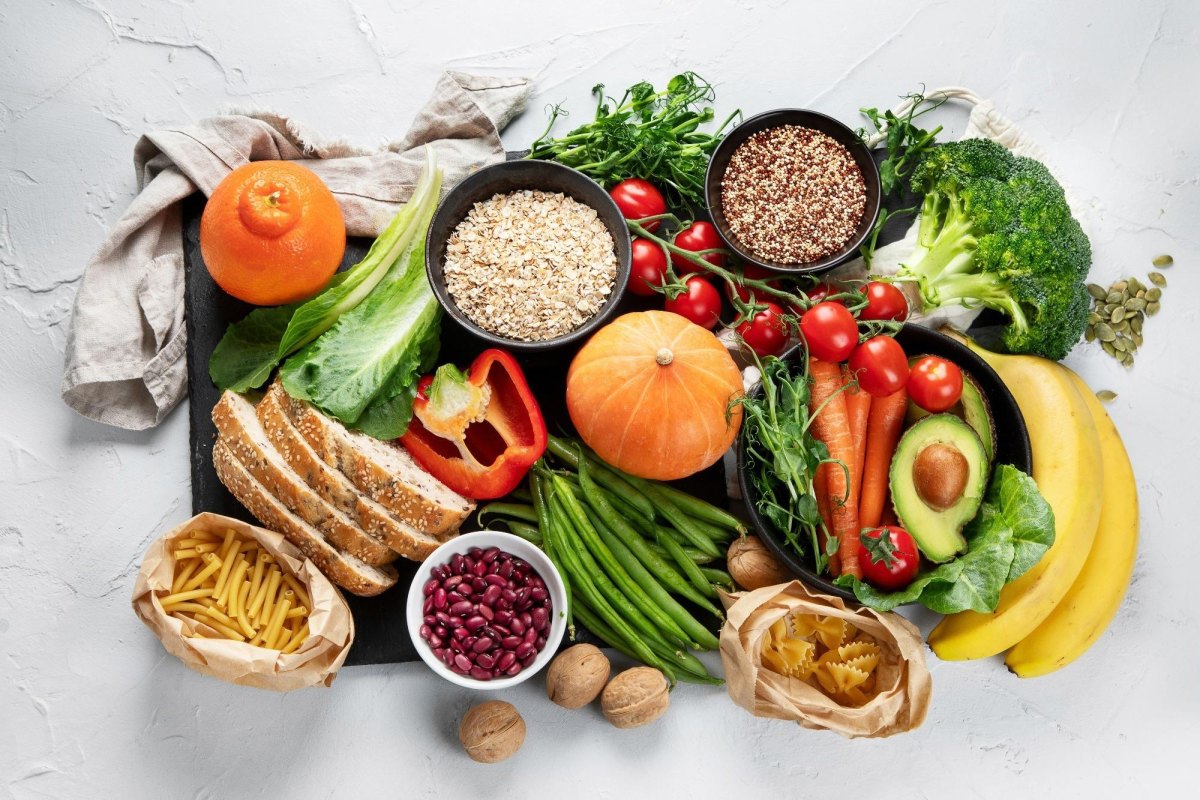
I am not interested in declaring foods “good” or “bad.” That usually creates more stress than progress. But reducing frequent added sugar intake and highly processed choices can make meals easier to manage.
A practical approach is noticing what leaves you hungry again quickly and replacing some of those choices with foods that offer more fiber and staying power.
A simple swap
Try changing one daily habit, such as replacing a sugary drink, rather than redesigning your entire kitchen overnight.
Use Strength Training and Cardio for Maximum Fat Burn
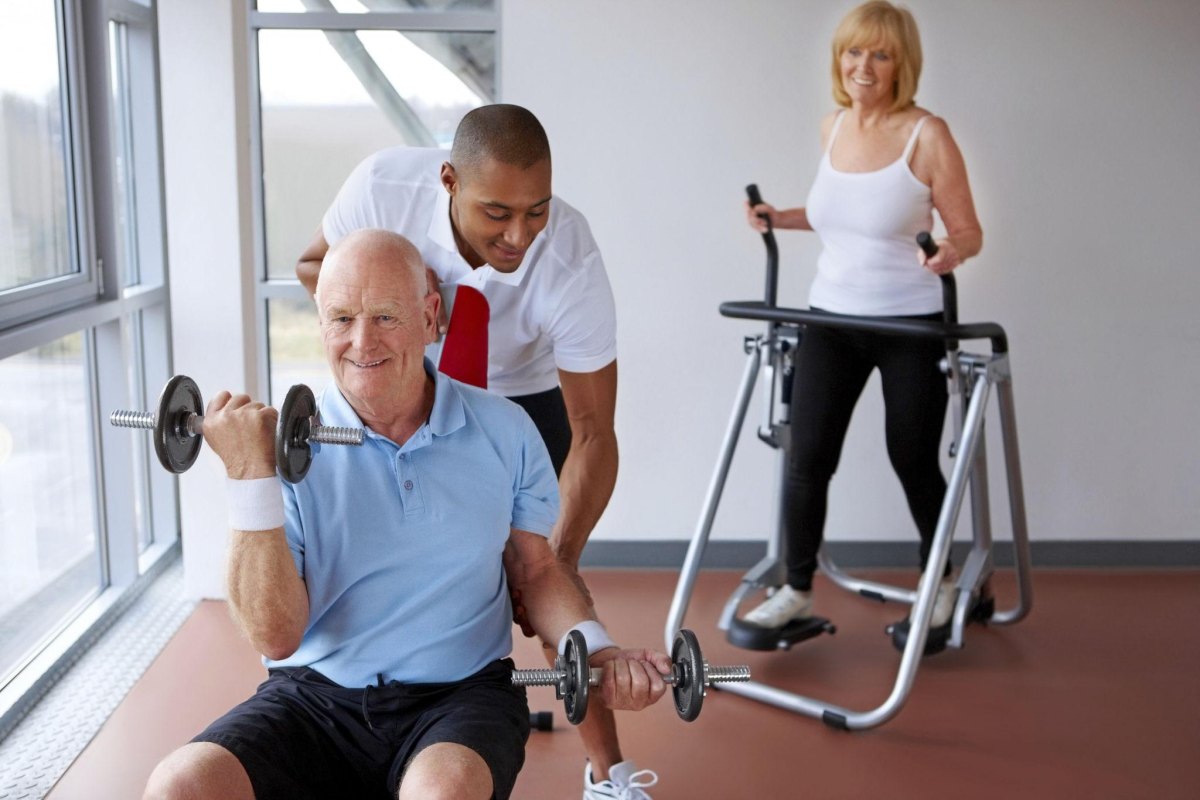
The phrase “maximum fat burn” sounds like something printed on a very enthusiastic fitness poster, but the real goal is a balanced routine. Combining strength and aerobic activity supports overall health as we age.
I like movement that fits into life: walking with the dog, carrying groceries, gardening, dancing, or lifting weights. The best routine is usually the one you can keep doing.
| Activity | Why it helps |
|---|---|
| Strength training | Supports muscle and function |
| Walking or cardio | Builds endurance and activity levels |
Improve Sleep Quality to Control Weight Gain

Sleep is one of those things we often treat as optional until our body reminds us otherwise. Better sleep habits may support healthy weight management, although sleep problems can have many causes.
I learned that adding more bedtime rules was not always helpful. Sometimes the improvement came from removing friction: a calmer evening, fewer decisions, and a bedroom that actually felt restful.
- Keep a consistent sleep schedule when possible
- Create a relaxing transition before bed
- Seek professional advice for persistent sleep problems
Manage Stress to Lower Belly Fat Hormones

Stress is not a magical explanation for every body change, but chronic stress can affect how we feel, eat, sleep, and move. Research has explored links between stress responses and abdominal fat distribution.
My favorite stress tools are usually boring ones: a walk outside, a conversation with a friend, writing down tomorrow’s tasks, or simply leaving some empty space in the day.
Small habits often win because they are the ones we can repeat.
Dana Whitmore
Create a Sustainable Daily Routine for Fat Loss After 50

The hardest part of health changes is rarely knowing what to do. It is making those choices fit into ordinary life. A sustainable daily routine should support you rather than become another full-time project.
I prefer routines with fewer moving parts: a regular walk, easy meals I actually like, and strength exercises scheduled realistically.
Helpful habits
- Simple meal patterns
- Repeatable movement
- Realistic goals
Common traps
- Extreme plans
- Too many rules
- Short-lived motivation
Track Progress Beyond the Number on the Scale
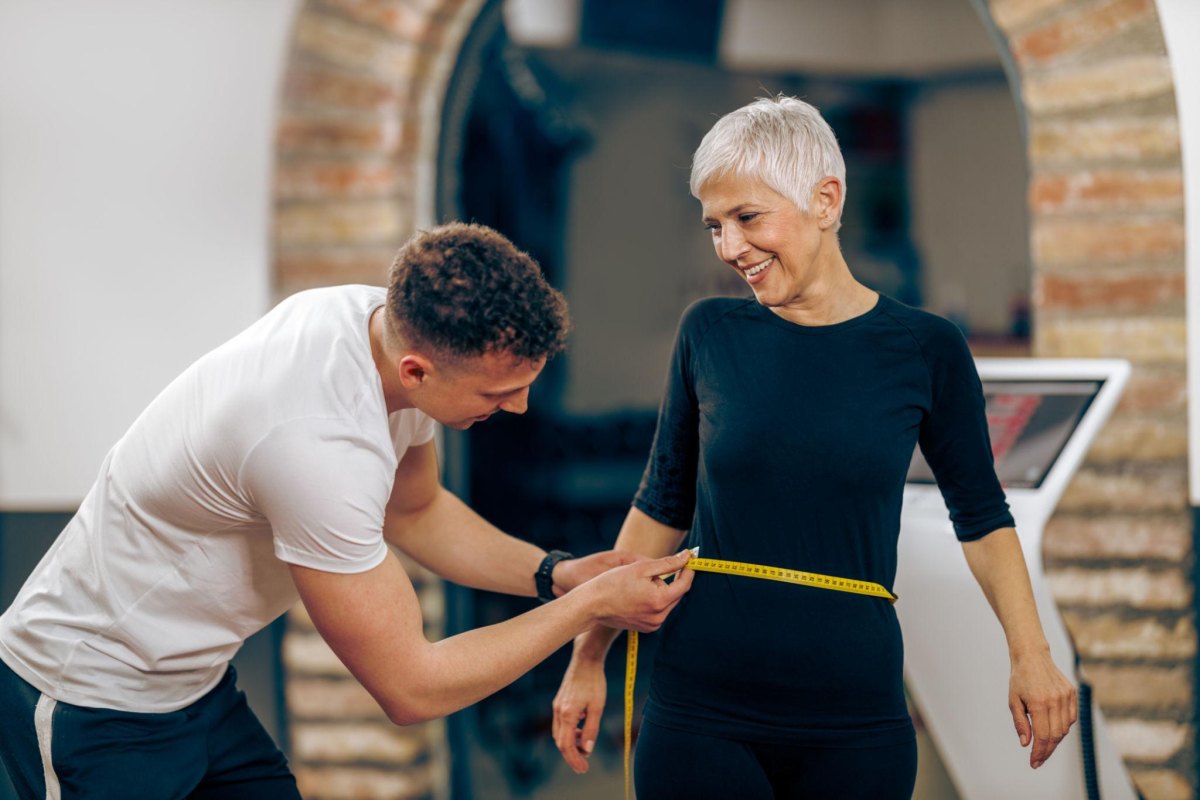
The scale tells one small part of the story. I pay attention to strength, energy, comfort, and measurements because health changes are not always captured by one number.
A pair of jeans fitting differently, walking feeling easier, or carrying groceries without effort can all be meaningful signs of progress.
A better question
Instead of asking only “Did I lose weight?” ask “Is my body supporting the life I want to live?”





 Sleep & Insomnia Solutions13 Natural Ways to Get More Deep Sleep and Wake Up Feeling Rested
 Health & Wellness6 Simple Healthy Habits After 40 That Make Everyday Life Better
 Energy, Hormones & Stress ManagementMenopause und Nachtschweiß – 16 praktische Lösungen für ruhigere Nächte
 Energy, Hormones & Stress Management18 Natural Energy Boosters Without Caffeine That Fit Real Life