

Finding foods that support weight changes during menopause is less about chasing a perfect diet and more about building meals that work on an ordinary Tuesday. I have learned that the most useful changes are usually the simple ones: adding more filling foods, making meals easier to repeat, and avoiding plans that require a level of energy I do not actually have.
This menopause weight loss foods list focuses on nutrient-rich choices that can support a balanced eating pattern. It is not a promise of a specific weight change or a replacement for medical advice, but it is a practical place to start when your body and routines feel different.
Protein-Rich Foods for Menopause Weight Loss
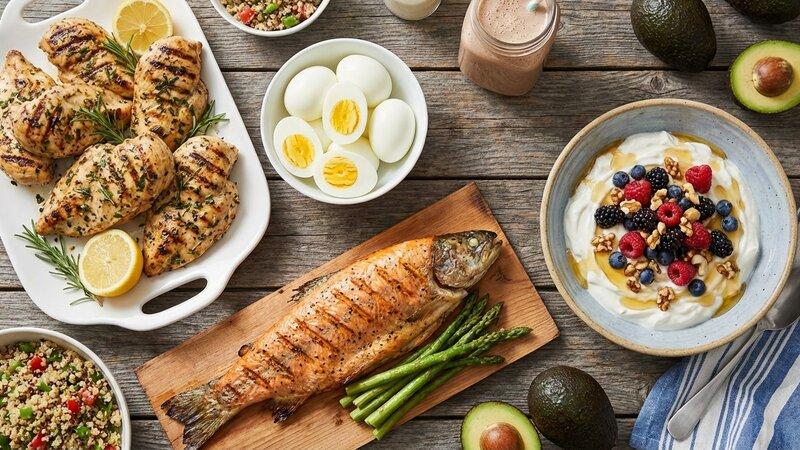
Protein became one of the first things I paid closer attention to because meals with protein simply keep me satisfied longer. Foods like eggs, fish, poultry, Greek yogurt, beans, lentils, and tofu are commonly recommended as protein-rich options during menopause.
I do not think every meal needs to become a carefully measured nutrition project. My realistic version is adding an easy protein source to breakfast or lunch instead of waiting until dinner to think about it. Protein can support muscle maintenance, but individual needs are worth discussing with a qualified professional.
Start small: add Greek yogurt, eggs, beans, or fish to a meal you already enjoy rather than creating an entirely new routine.
Fiber-Packed Vegetables to Support Healthy Weight
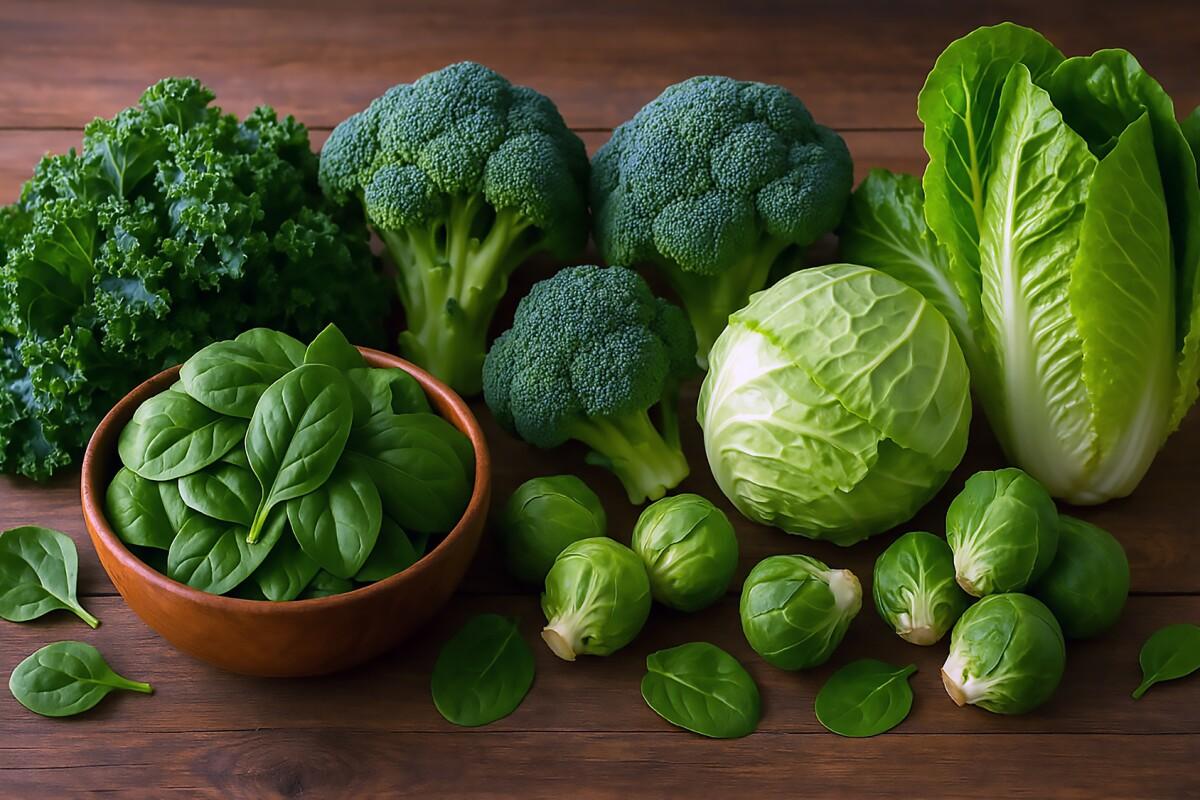
Vegetables are not exciting advice, but they are often the advice that survives real life. Fiber-rich vegetables such as broccoli, leafy greens, artichokes, peas, and squash can add volume and nutrients without making meals complicated.
I like vegetables that require little negotiation with myself. A bag of washed greens or frozen broccoli has saved more than one rushed evening because easy healthy choices are the ones I actually repeat.
Low-Glycemic Fruits for Hormone-Friendly Weight Management
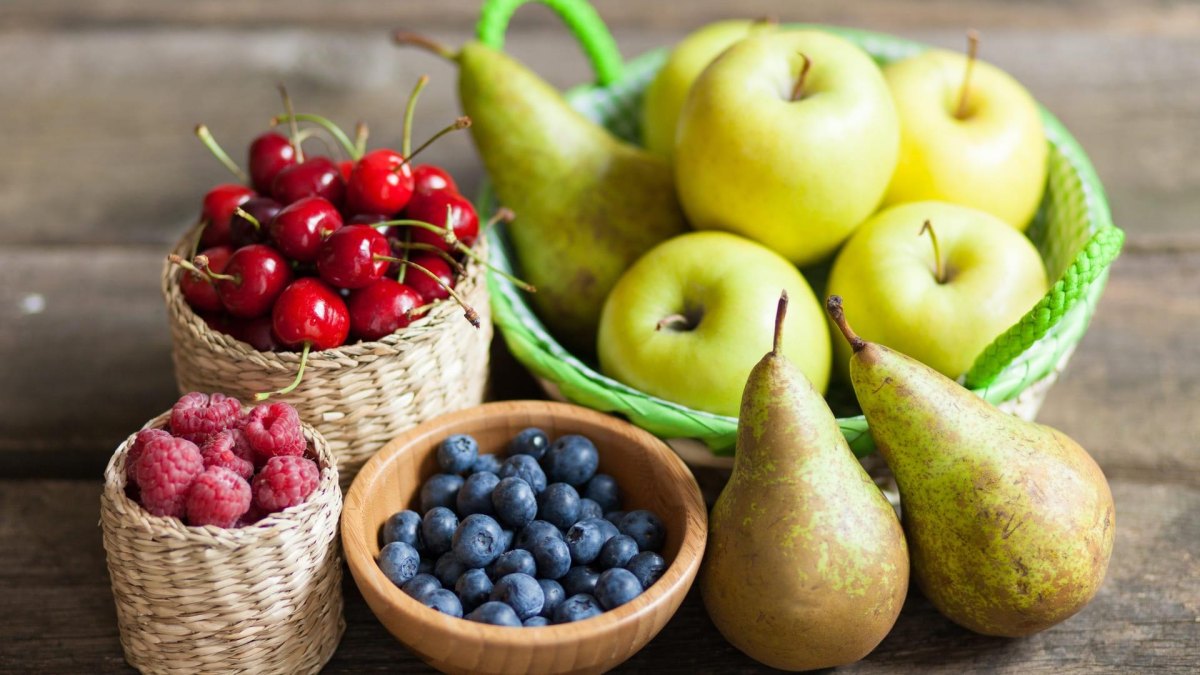
Fruit sometimes gets treated unfairly in weight conversations. I prefer looking at the whole food: berries, apples, pears, and other fruits provide fiber, vitamins, and something sweet without needing a complicated rule system. High-fiber fruits can also pair well with protein or healthy fats for a more satisfying snack.
A bowl of berries with yogurt is one of my favorite examples because it feels like a treat while still being a practical everyday option. Low-glycemic eating can be one tool for some people, but it is not the only way to build balanced meals.
Healthy Fats That Help Control Menopause Weight Gain
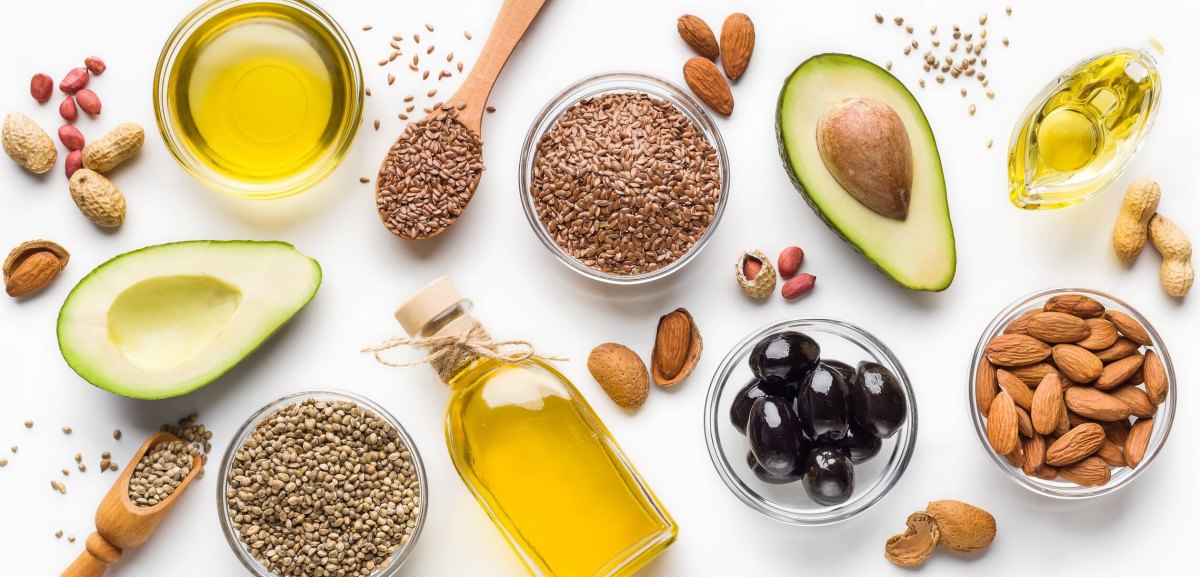
Healthy fats were something I used to remove first whenever I thought I was being “good” about food. That approach made meals less enjoyable and often less satisfying. Foods like avocado, olive oil, nuts, and seeds provide unsaturated fats that fit into a balanced eating pattern.
The goal is not adding endless extras. A drizzle of olive oil, a handful of walnuts, or avocado on toast can be enough to make a meal feel complete.
Why I like them
- They add flavor
- They make meals more satisfying
Things to remember
- Portions still matter
- They are not magic weight-loss foods
Calcium-Rich Foods for Midlife Metabolism and Bone Health
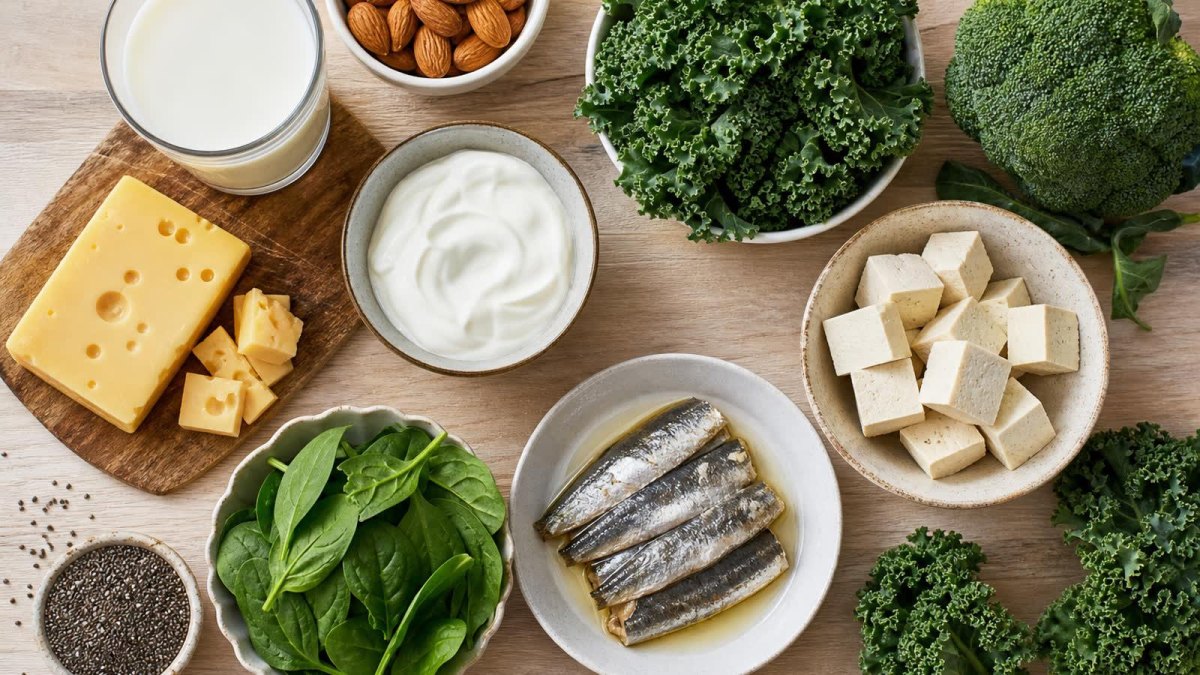
Calcium becomes especially important to consider during midlife. Foods such as yogurt, milk, cheese, and fortified alternatives can help provide calcium, often alongside other useful nutrients.
I appreciate foods that support more than one goal. A simple yogurt breakfast can be an easy source of calcium and protein without adding another complicated habit to my morning.
A useful reminder
Food choices can support overall health, but calcium and vitamin needs vary from person to person.
Whole Grains for Balanced Energy and Appetite Control
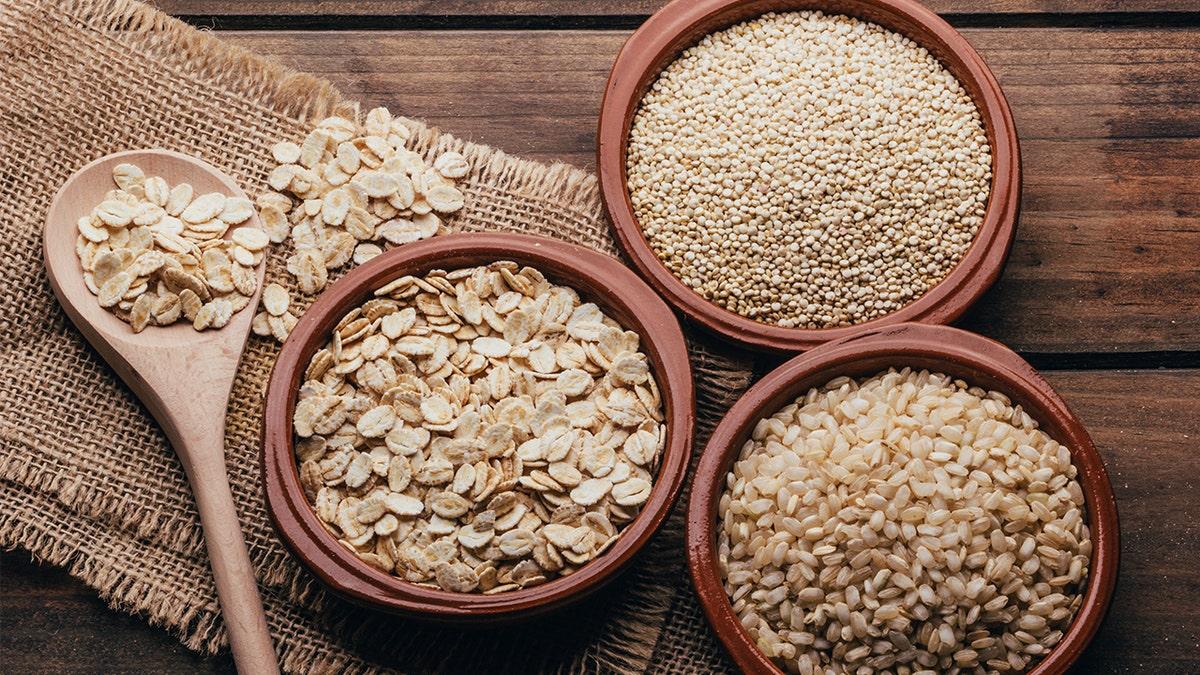
Whole grains are one of those foods I stopped avoiding once I realized that not all carbohydrates are the same. Oats, quinoa, brown rice, bulgur, and whole-wheat options provide fiber and minerals that can fit into menopause-friendly eating patterns.
My favorite approach is replacing, not restricting. Swapping refined choices for whole grains when it feels easy is more realistic than declaring an entire food group off limits.
Omega-3 Foods to Support Menopause Wellness
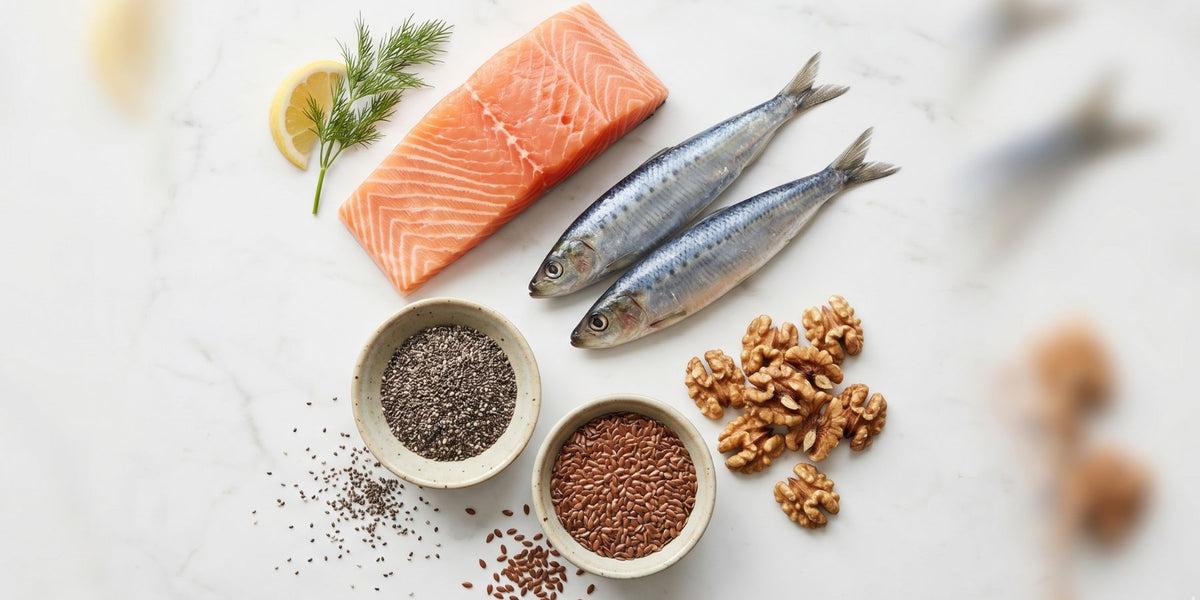
Omega-3 foods often appear in menopause nutrition conversations because fatty fish, flaxseed, chia seeds, and walnuts provide these beneficial fats. I enjoy keeping this simple with meals like salmon with vegetables or chia added to breakfast.
I am careful with wellness claims, though. A food can be nutritious without being a cure-all. The value is in the overall pattern, not one special ingredient. Balanced food choices beat chasing miracle foods.
Magnesium-Rich Foods for Better Sleep and Weight Support
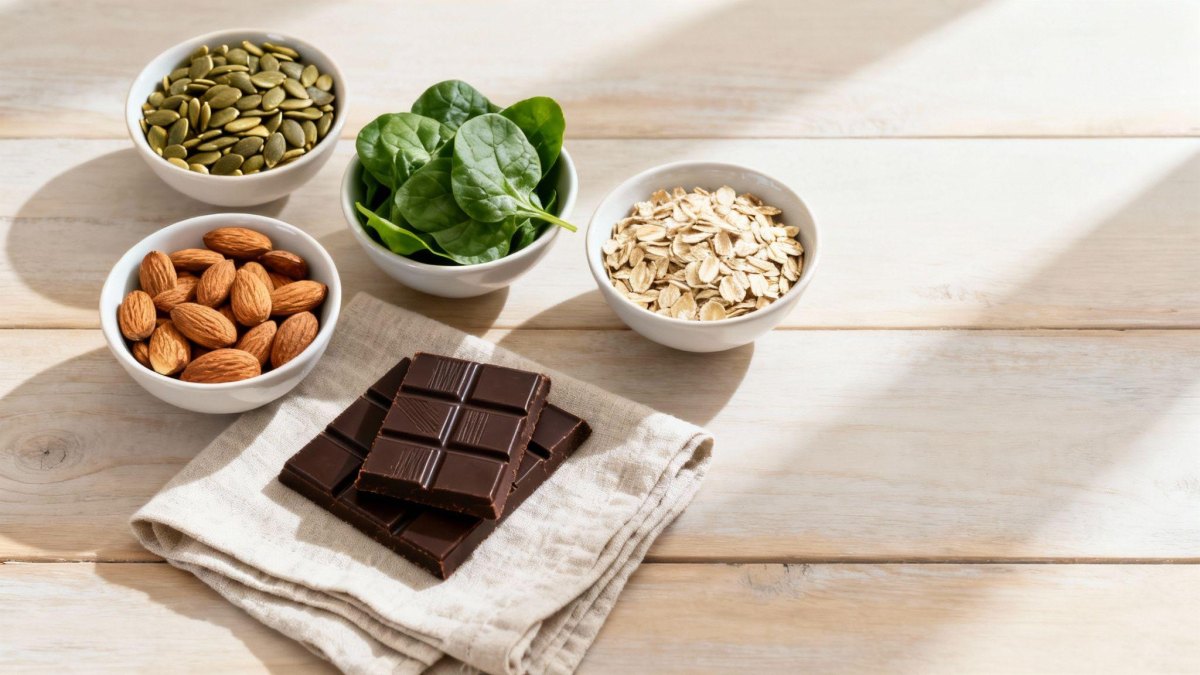
Magnesium-rich foods such as nuts, seeds, whole grains, and leafy greens are useful additions because they bring several nutrients together. Whole grains, for example, can provide fiber and minerals including magnesium.
I have learned not to turn every sleep struggle into a shopping list of supplements. Sometimes the most sustainable step is simply eating a more varied diet with mineral-rich foods included regularly.
Hydrating Foods to Reduce Menopause Bloating
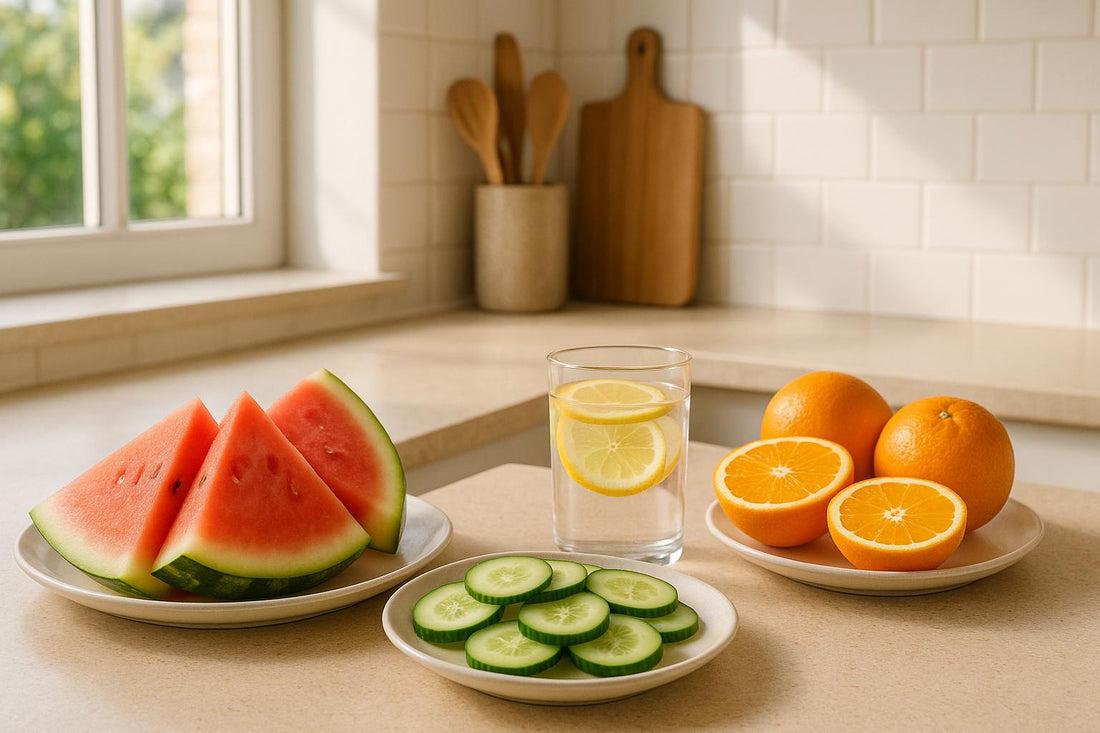
Hydration is easy to overlook, especially on busy days. Foods with high water content, along with regular fluid intake, can be part of a comfortable eating routine. Staying hydrated is also mentioned as one factor that can support healthy weight management habits.
I keep it practical: cucumber, watermelon, soups, and fruit are simple ways to add more fluids through food. Small hydration habits are usually easier to maintain than a dramatic reset.
Metabolism-Supporting Spices and Herbs for Menopause Diets
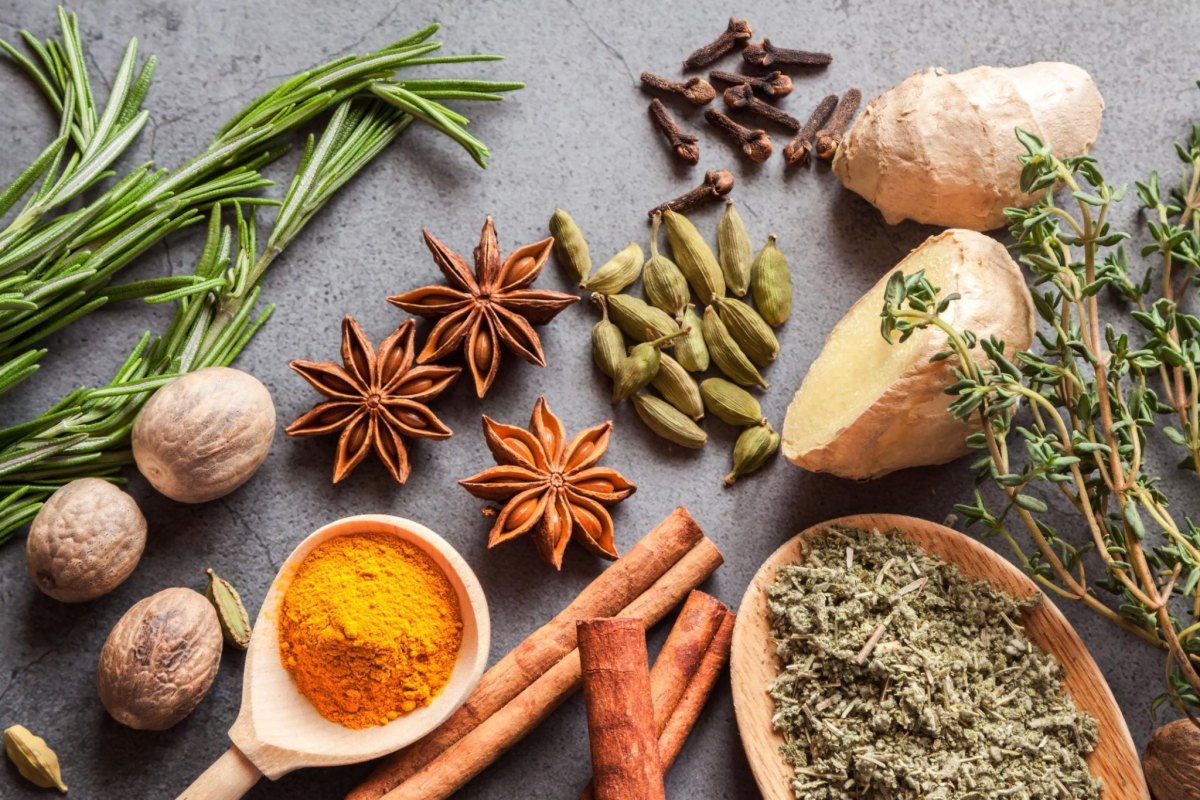
Spices and herbs are where I happily choose flavor over complexity. Ginger, cinnamon, turmeric, and fresh herbs can make simple meals feel less repetitive without requiring a new cooking identity. Flavorful ingredients help healthy meals feel enjoyable.
I avoid promises that a spice will “reset” metabolism or fix menopause changes. A good seasoning habit is valuable because it makes nutritious food easier to love, not because it is a shortcut.
Watch for exaggerated claims
Be cautious with products promising hormone fixes or rapid body changes from a single ingredient.
Balanced Menopause Weight Loss Meal Ideas
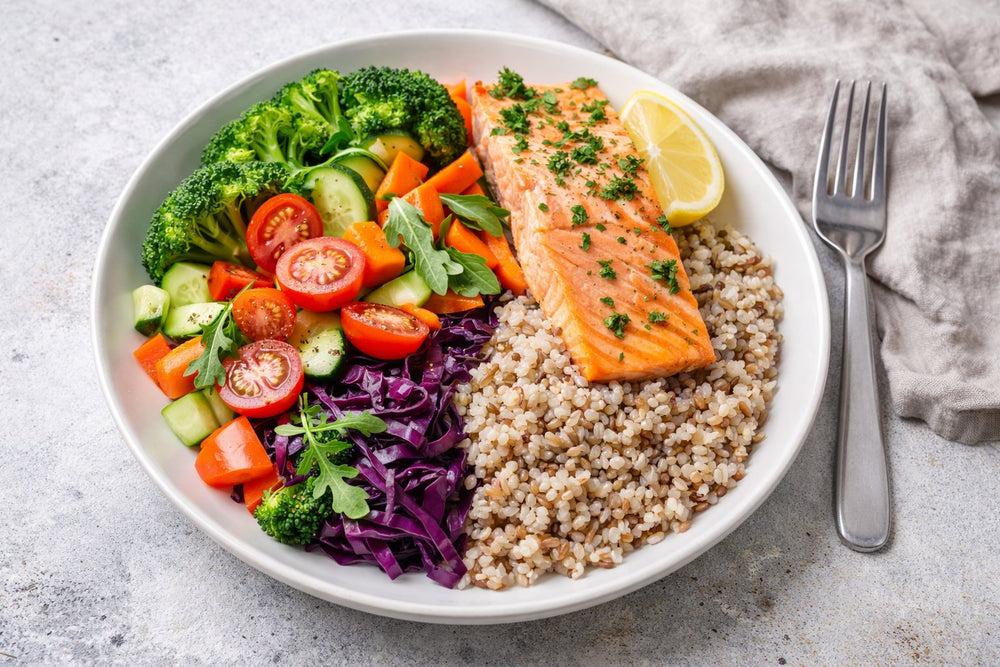
The meal pattern I find most realistic combines a few dependable pieces: protein, vegetables, fiber-rich carbohydrates, and healthy fats. Research on dietary patterns around menopause has highlighted patterns rich in plant foods, nuts, legumes, fruits, vegetables, and whole grains as being associated with healthier weight outcomes.
My low-effort formula looks something like this: a protein source, two colorful plants, a satisfying carbohydrate, and a little fat for flavor. It is not glamorous, but it works on ordinary days when nobody has time for a kitchen experiment.
| Meal | Simple combination |
|---|---|
| Breakfast | Greek yogurt, berries, nuts |
| Lunch | Salad with beans or chicken |
| Dinner | Fish, vegetables, whole grains |




 Sleep & Insomnia Solutions13 Natural Ways to Get More Deep Sleep and Wake Up Feeling Rested
 Health & Wellness6 Simple Healthy Habits After 40 That Make Everyday Life Better
 Energy, Hormones & Stress ManagementMenopause und Nachtschweiß – 16 praktische Lösungen für ruhigere Nächte
 Energy, Hormones & Stress Management18 Natural Energy Boosters Without Caffeine That Fit Real Life