

Belly bloating during midlife can feel like one more thing your body has decided to make complicated. I know the frustration of putting on a familiar pair of jeans and wondering why they suddenly feel different. These menopause belly bloat fixes are not about chasing a perfect body or adding a long list of rules to your day.
I prefer small changes that are worth the effort they require. Some ideas below are general lifestyle approaches, while ongoing, severe, or unusual bloating is something to discuss with a qualified healthcare professional.
Reduce Sodium Intake to Minimize Water Retention
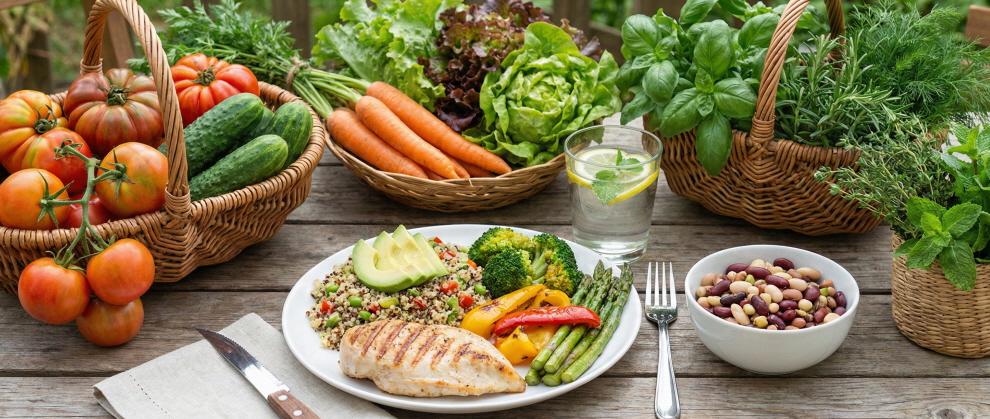
When I notice puffiness, I look first at simple things like salty meals rather than assuming I need a dramatic reset. Sodium can contribute to temporary water retention, which may make the belly feel more swollen.
A practical swap
Instead of banning favorite foods, I find it easier to add more fresh ingredients and use herbs, spices, lemon, or vinegar for flavor.
Increase Fiber Slowly for Better Digestion
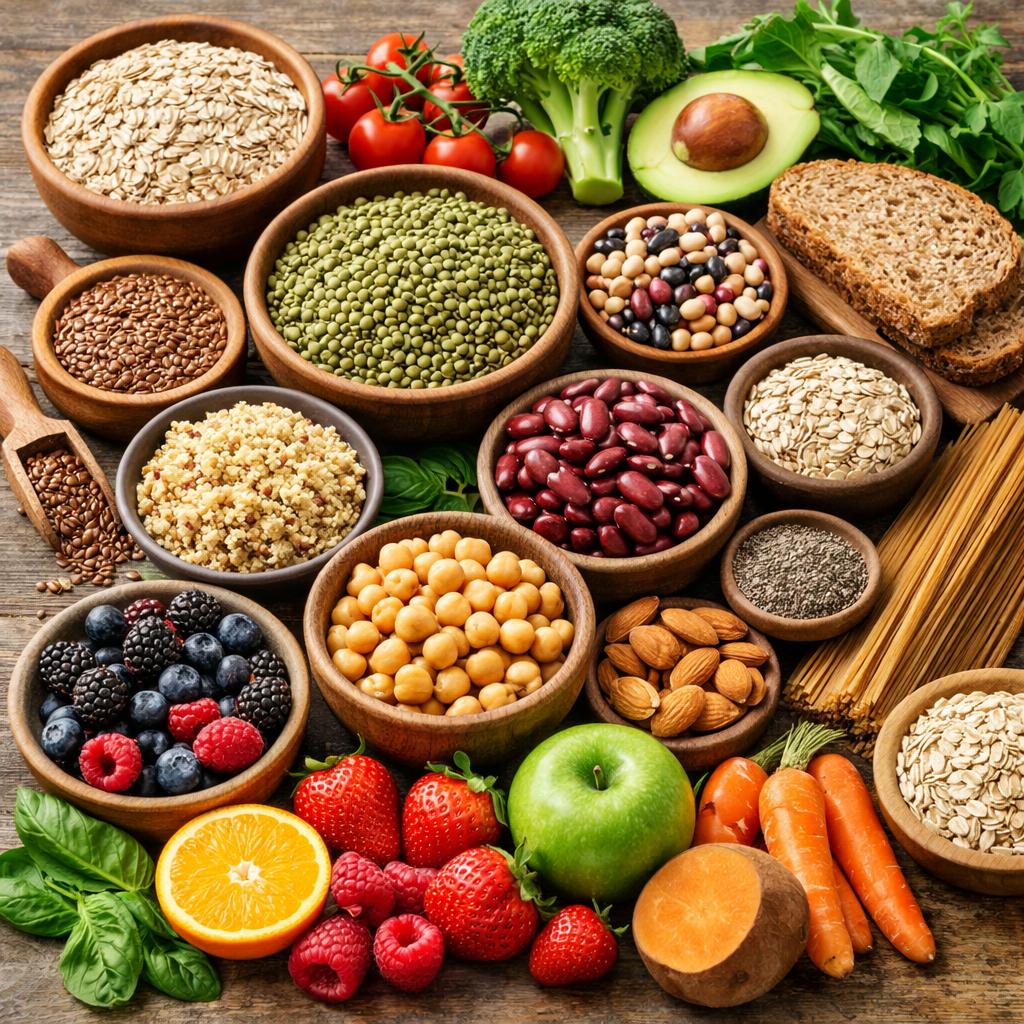
Fiber is one of those things I appreciate in theory and have occasionally overdone in practice. Increasing it too quickly can leave some people feeling even more uncomfortable. A gradual approach gives your digestive system time to adjust.
- Add fiber-rich foods gradually.
- Drink enough fluids alongside higher-fiber meals.
- Pay attention to how your own body responds.
Add Probiotic Foods for Gut Balance

Foods with live cultures, such as some yogurts and fermented foods, are often included in conversations about gut health. I see them as a simple food choice rather than a magic solution for digestive comfort.
A small bowl of yogurt that I actually enjoy is more likely to become a habit than an expensive wellness product sitting untouched in the cupboard.
Drink Enough Water to Ease Bloating

It sounds almost too basic, but hydration is one of the easiest habits to overlook. I keep a water bottle nearby because remembering is often harder than drinking.
What I keep in mind
- Hydration supports normal body functions.
- Thirst can sometimes be mistaken for hunger.
- There is no need to force excessive amounts.
Practice Gentle Core Exercises for Menopause Belly Support

Gentle movement can help me feel more connected to my body, especially when my energy is unpredictable. Core exercises are about strength and support, not punishing a changing body.
I prefer routines I can repeat without needing a motivational speech beforehand. Ten manageable minutes usually beats an ambitious plan I abandon.
Walk Daily to Improve Digestion and Metabolism

Walking remains one of my favorite low-pressure habits because it fits into ordinary life. A walk after dinner or during a work break can feel like a reset without becoming another obligation.
10 minutes
A realistic starting point for a daily walking habit
Manage Stress to Reduce Hormonal Bloating

Stress is not something I can eliminate with a scented candle and a planner, although I have certainly tried. Creating calmer moments may help overall wellbeing and make routines easier to maintain.
For me, the useful question is not “How do I become perfectly relaxed?” but “What makes today slightly less hectic?”
Improve Sleep Quality for Hormone Support

Sleep changes can make everything feel harder, including making thoughtful food and movement choices. I learned that chasing a flawless bedtime routine was exhausting in itself.
A gentler approach
Choose one sleep-supporting habit first, such as a consistent wind-down time or a calmer bedroom environment.
Limit Gas-Producing Foods That Trigger Bloating
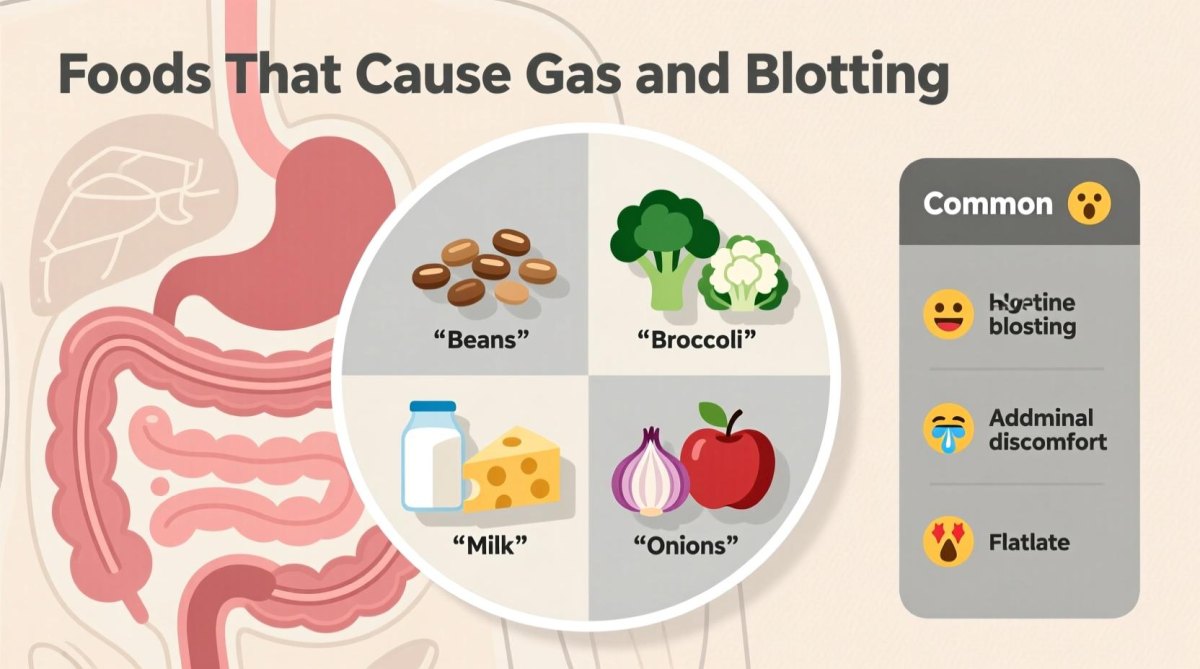
Some foods commonly cause gas for certain people, but there is no universal list of foods everyone must avoid. I find personal observation much more useful than copying someone else’s restriction plan.
A simple food note can reveal personal triggers without turning every meal into a detective project.
Choose Protein-Rich Meals for Appetite Control
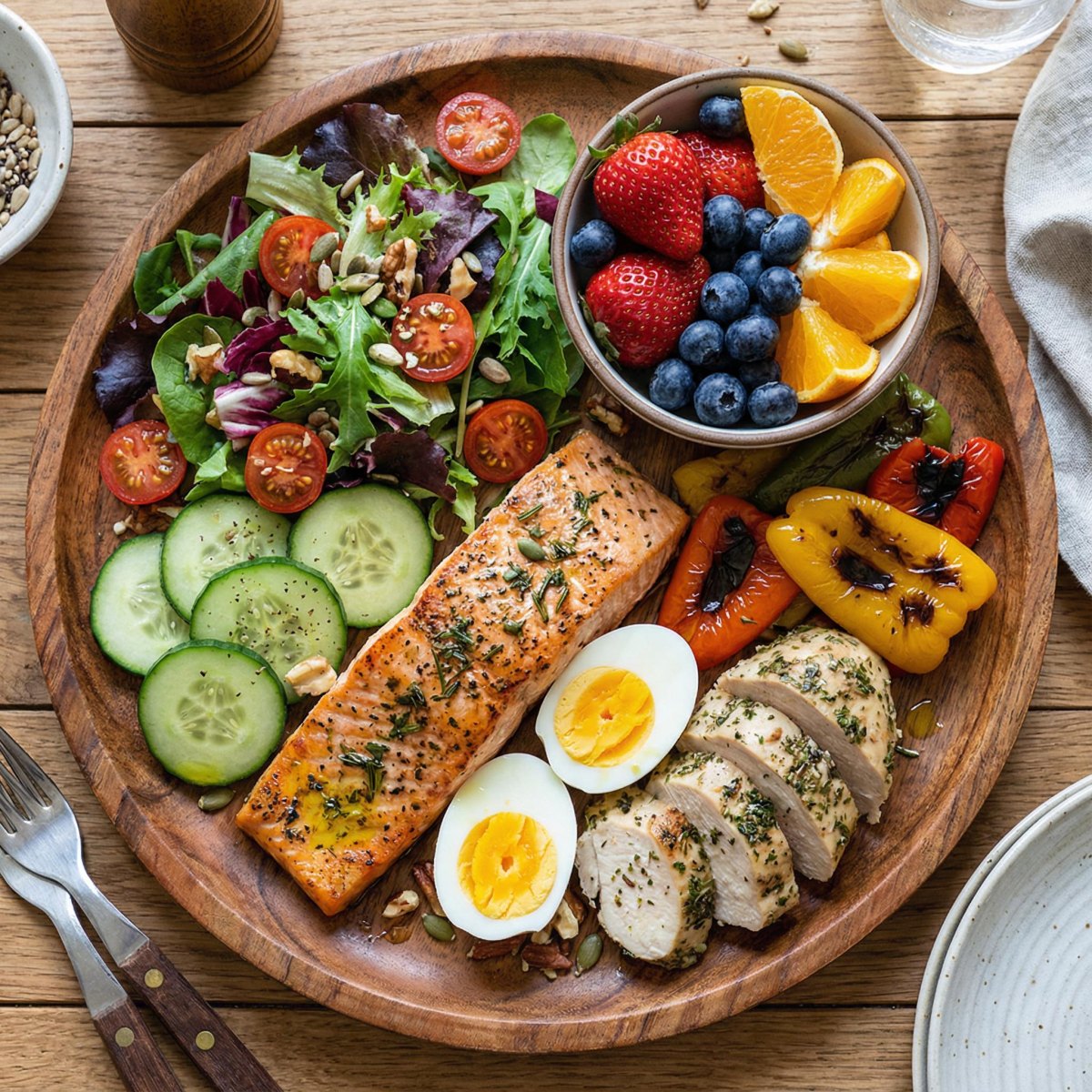
Adding protein to meals helps me build plates that feel satisfying and practical. It is less about creating a strict eating system and more about avoiding meals that leave me searching through the kitchen an hour later.
Add Anti-Inflammatory Foods to Your Diet
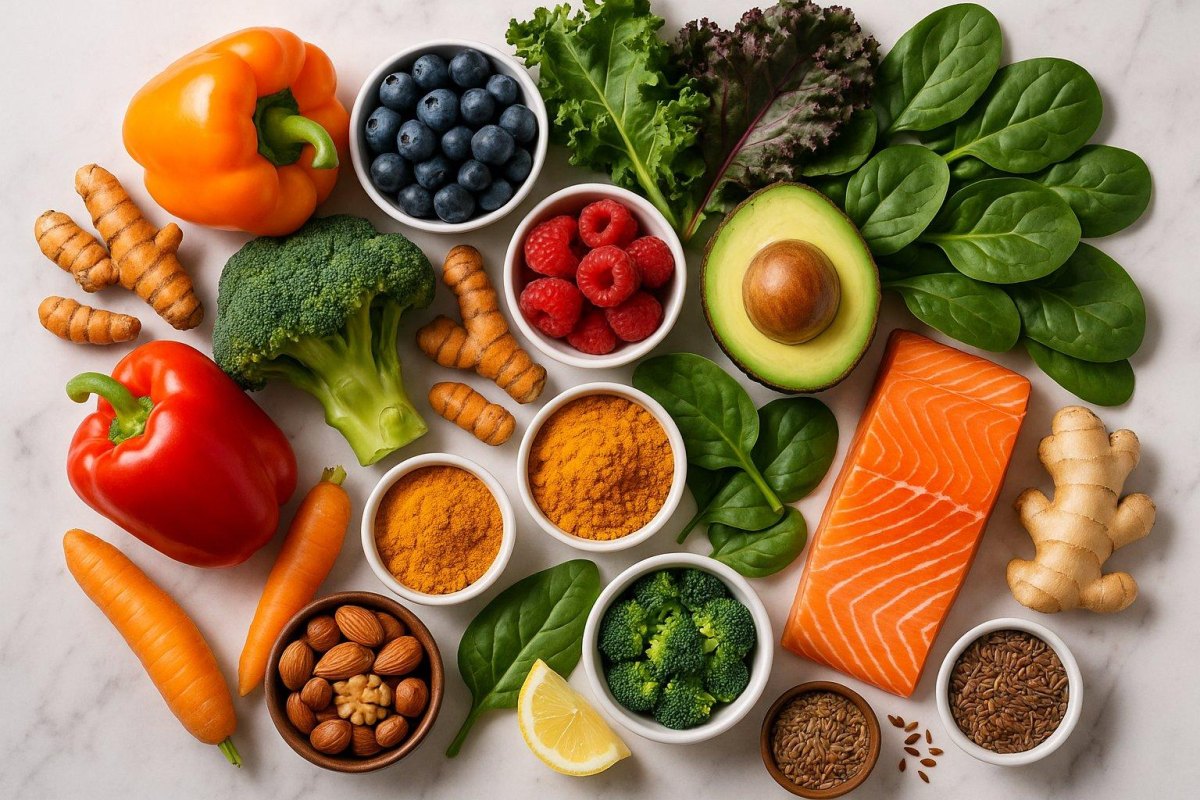
I am cautious with the phrase “anti-inflammatory” because it is often used as a shortcut for complicated promises. Still, foods like vegetables, fruits, nuts, and fish can be part of a balanced eating pattern.
The goal is supportive nutrition, not a dramatic food makeover.
Reduce Added Sugar to Prevent Belly Swelling
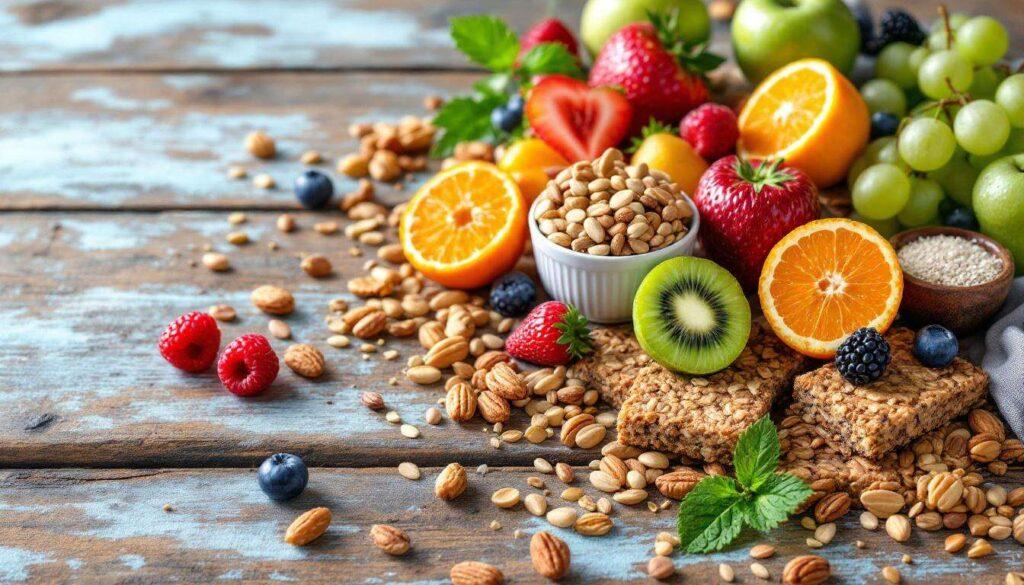
Cutting back on added sugar does not need to mean declaring war on dessert. I have found that small adjustments are easier to live with than strict rules that make food stressful.
Possible benefits
- More balanced meals
- Fewer automatic snack choices
Possible challenges
- Requires label reading
- Can feel restrictive if extreme
Eat Mindfully and Slow Down During Meals

Eating quickly is an easy habit to develop when life is busy. I have noticed that slowing down helps me actually notice when I am comfortable rather than simply finishing what is on the plate.
This is not about perfect mindful eating. It is about creating a little less rushed mealtime.
Try Herbal Teas for Digestive Comfort
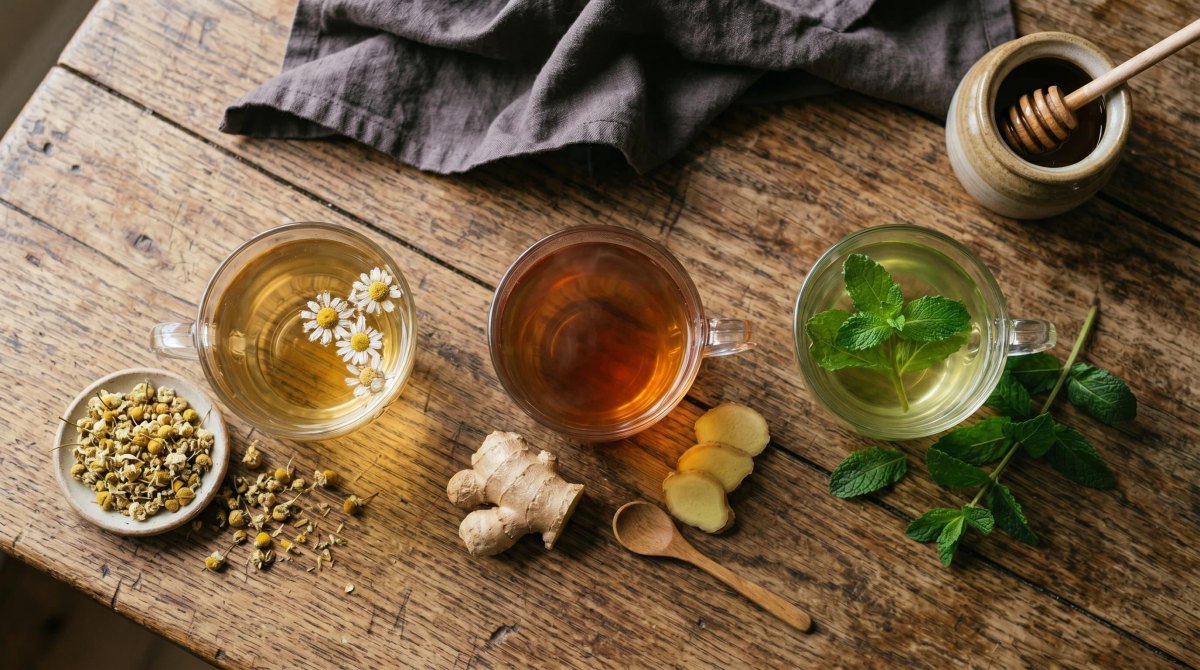
A warm cup of tea is one of those small rituals I enjoy because it asks very little from me. Ginger or peppermint teas are popular choices, though they are not treatments or guaranteed fixes.
I like habits that bring comfort without creating another expensive shelf of products.
Strength Train to Support Metabolism Changes

Strength training has become one of the habits I respect because it supports everyday function. Lifting weights is not only about appearance; it is also about feeling capable in daily life.
Avoid Excess Carbonated Drinks That Increase Bloat

Carbonated drinks can make some people feel more bloated because of the gas they introduce. I do not think every fizzy drink needs to disappear forever, but noticing patterns can help.
The useful question is whether it is adding enjoyment or just avoidable discomfort.
Support Regular Bowel Movements Naturally

Digestive regularity is one of those topics nobody discusses until it becomes impossible to ignore. Fiber, fluids, and movement are common lifestyle factors people consider when supporting regular digestion.
Balance Hormone-Friendly Lifestyle Habits

I am careful with the phrase “balance your hormones” because it is often used to sell unrealistic promises. What I do believe in are everyday habits that support overall wellbeing.
Small routines around food, movement, sleep, and stress can create more manageable days.
Track Foods That Cause Personal Bloating Triggers
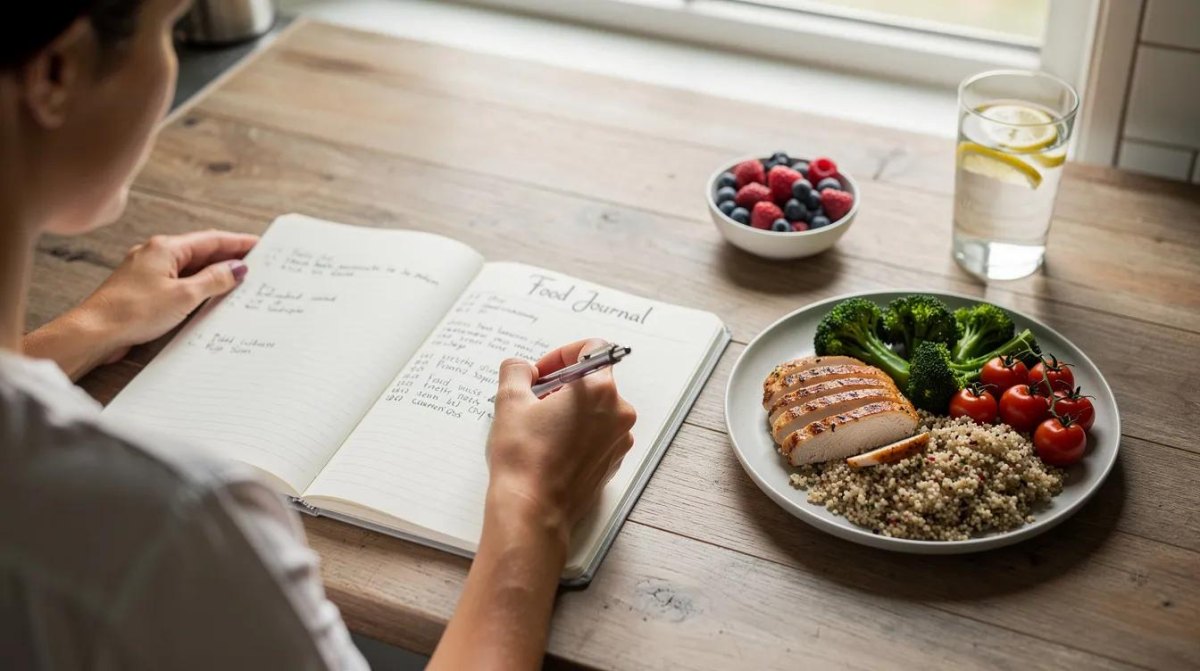
A short food journal can be useful when you are trying to notice patterns. The key is keeping it simple enough that it does not become another household project.
| Track | Why it helps |
|---|---|
| Foods eaten | Shows possible patterns |
| Timing | Highlights routines |
Choose Comfortable Clothing During Bloating Episodes

Sometimes the best fix is not changing your body but changing what you expect your clothes to do. I have become much less interested in keeping clothes that require constant adjusting.
Comfortable clothing is a practical tool for feeling at ease during normal body fluctuations.
Consider Medical Guidance for Persistent Belly Bloat

Occasional bloating is common, but persistent, severe, worsening, or unusual symptoms deserve attention from a qualified healthcare professional. Lifestyle experiments have limits.
Do not ignore changes
If bloating feels concerning or different from your usual experience, bring your questions to a clinician.
Create a Sustainable Menopause Belly Bloat Routine
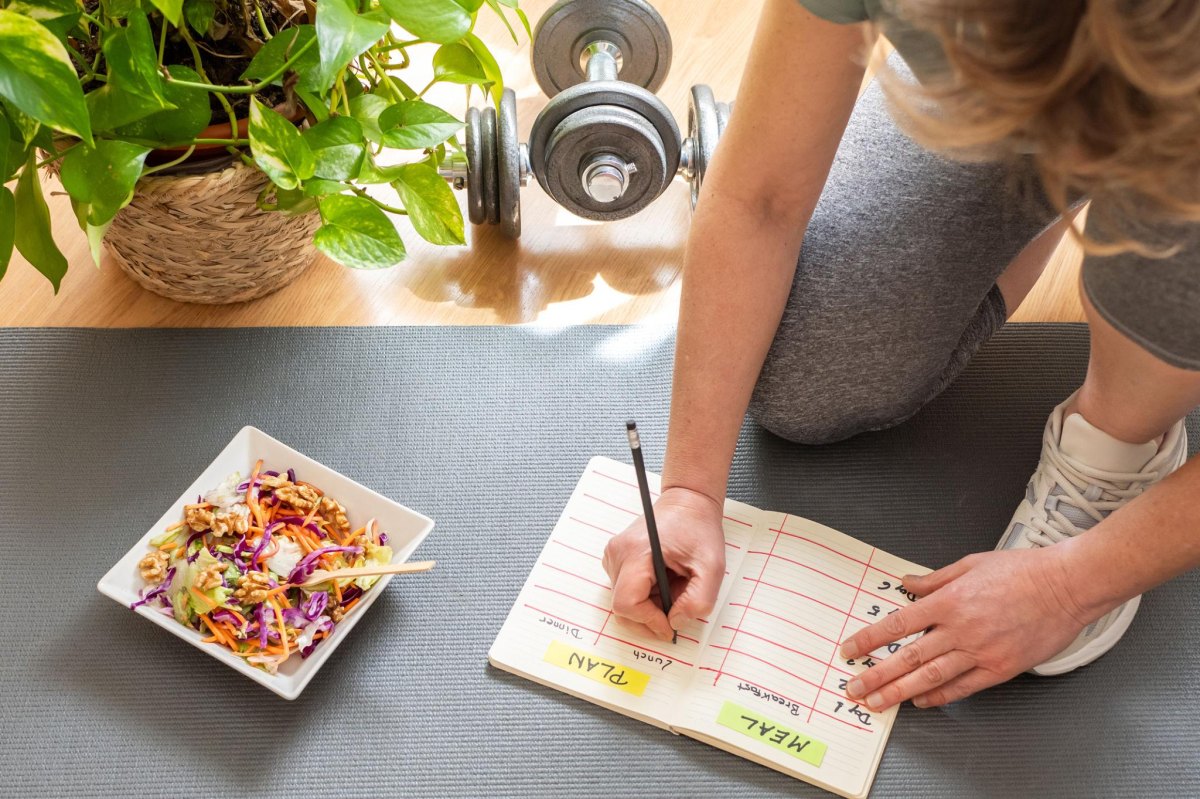
The routine I can maintain will always beat the perfect routine I quit after five days. My approach is to choose one change, see how it fits into real life, and adjust without drama.
The best habit is often the one that still works on an ordinary Wednesday.
Dana Whitmore
Reducing belly bloating is usually less about finding one magical answer and more about building a collection of small choices that make daily life feel easier.



 Sleep & Insomnia Solutions13 Natural Ways to Get More Deep Sleep and Wake Up Feeling Rested
 Health & Wellness6 Simple Healthy Habits After 40 That Make Everyday Life Better
 Energy, Hormones & Stress ManagementMenopause und Nachtschweiß – 16 praktische Lösungen für ruhigere Nächte
 Energy, Hormones & Stress Management18 Natural Energy Boosters Without Caffeine That Fit Real Life