

Waking up in the middle of the night can make sleep feel like another thing to manage, which is a particularly annoying situation when your days already contain enough decisions. I have found that the most helpful changes are usually the quiet ones: a steadier routine, a calmer bedroom, and fewer evening habits that accidentally keep my brain switched on.
This is not about creating a perfect sleep ritual with seventeen steps and a special basket of expensive sleep products. I prefer the small adjustments that make ordinary evenings easier and are realistic to keep doing. Natural sleep habits are not a guarantee of perfect nights, but they can create better conditions for rest.
What I focus on for better nights
- A consistent sleep and wake schedule
- A bedroom that supports rest instead of distraction
- Simple ways to signal that the day is ending
Create a Consistent Sleep Schedule

The first thing I changed was treating my bedtime like an appointment instead of something I squeezed in after finishing everything else. A consistent sleep schedule helps support the body’s internal timing, and sleep experts emphasize that regular sleep and wake times are an important part of healthy sleep habits.
I do not aim for military precision because life is not a laboratory. My goal is a steady wake-up time most days, which gives my evenings a little more structure without making me feel like I failed if dinner runs late or friends stay longer than planned.
A small change worth trying
Before buying anything for sleep, try keeping your wake-up time consistent for a couple of weeks. It costs nothing and gives you useful information.
Optimize Your Bedroom for Deep Sleep
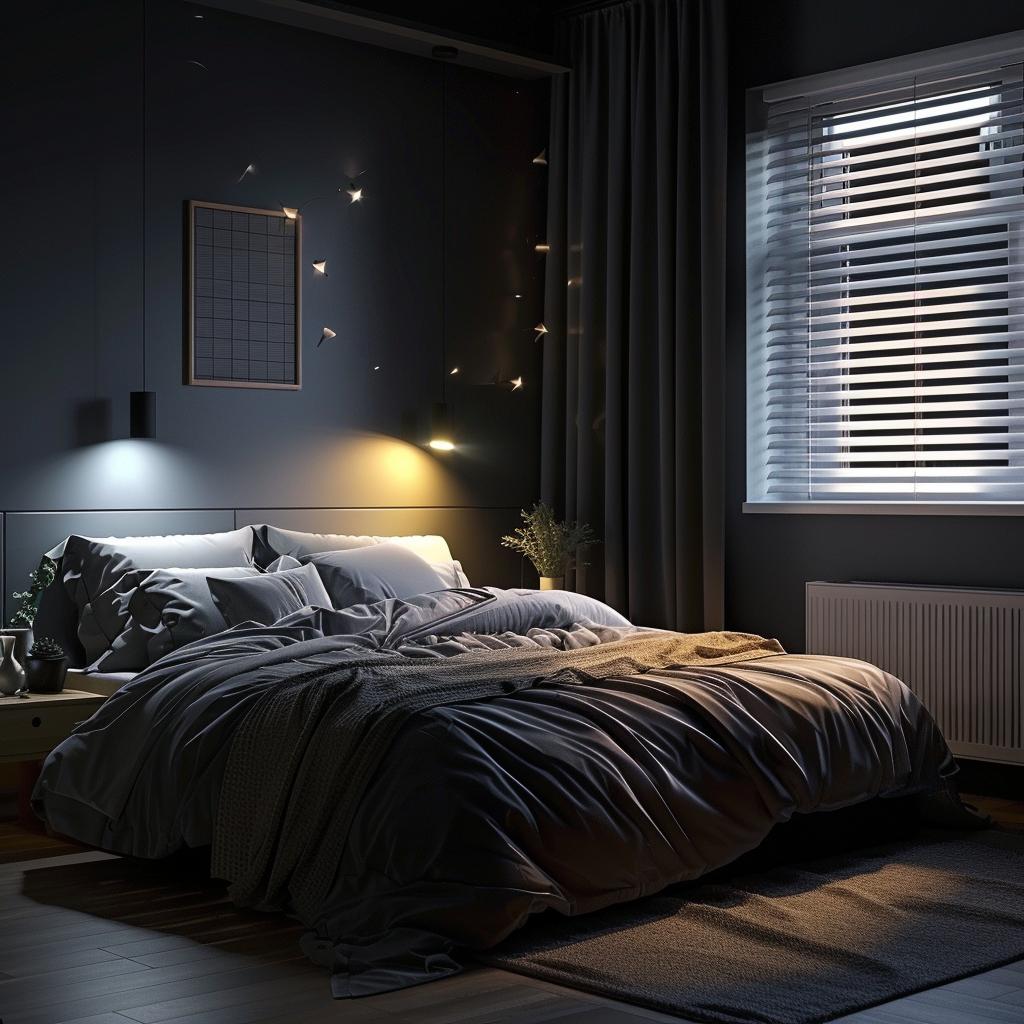
I spent years blaming my mattress for every restless night, which was convenient because blaming an object is easier than noticing a room full of tiny distractions. A comfortable sleep space does matter, but it does not need to become a renovation project.
The basics are surprisingly unglamorous: a darker room, less noise, and a temperature that feels comfortable for you. Sleep guidance commonly highlights a cool dark bedroom as a helpful foundation for reducing disruptions.
Worth the effort
- Changing lighting or room layout
- Improving comfort with simple bedding changes
Maybe skip
- Buying every sleep gadget available
- Turning your bedroom into another project
Use Natural Relaxation Techniques Before Bed

My evening routine became much easier when I stopped trying to “win” at bedtime. Some nights the best choice is simply making the transition gentler. Reading, stretching, quiet music, or slow breathing can help create a calmer bedtime transition.
Research on slow breathing before bed suggests it may improve self-reported sleep quality, although evidence from objective sleep measurements is less clear. That is why I see it as a low-pressure experiment rather than a magic fix.
The most sustainable routine is usually the one you do without negotiating with yourself every night.
Dana Whitmore
Support Sleep With Healthy Daytime Habits

Sleep is not only built in the bedroom. I noticed my nights were often connected to what happened earlier: whether I saw daylight, moved my body, spent too long sitting, or carried work stress into the evening.
Daytime habits such as physical activity and exposure to natural light can support the body’s sleep-wake rhythm. I think of this less as a strict wellness plan and more as making my day give my night a fair chance.
| Day habit | Simple version |
|---|---|
| Morning light | Open curtains or step outside early |
| Movement | Take a walk or choose activity you enjoy |
| Stress reset | Create a clear stopping point after work |
A realistic reminder
If sleep problems continue or feel significant, lifestyle changes may not be enough. Persistent concerns are worth discussing with a qualified healthcare professional.
Choose Sleep-Friendly Evening Nutrition and Routines

I am not interested in a complicated list of foods I am allowed or not allowed to eat at night. Midlife already comes with enough rules. What helps me most is noticing whether my evening choices leave me comfortable or uncomfortable when I get into bed.
Large meals close to bedtime, caffeine later in the day, and alcohol can affect sleep for some people. A simpler evening routine often works better than chasing a perfect sleep formula.
My low-effort evening reset
I aim for a calmer final hour: less scrolling, a tidy kitchen, something comfortable to wear, and a clear signal that the day is finished. It is not glamorous, but neither is lying awake wondering why I checked my email at 10:45 p.m.




 Sleep & Insomnia Solutions13 Natural Ways to Get More Deep Sleep and Wake Up Feeling Rested
 Health & Wellness6 Simple Healthy Habits After 40 That Make Everyday Life Better
 Energy, Hormones & Stress ManagementMenopause und Nachtschweiß – 16 praktische Lösungen für ruhigere Nächte
 Energy, Hormones & Stress Management18 Natural Energy Boosters Without Caffeine That Fit Real Life