

Walking is one of those habits I keep coming back to because it asks very little from me. I do not need a perfect schedule, expensive equipment, or a dramatic personality makeover. For many women after 50, a steady walking routine can be a practical way to support health, movement, and weight goals while respecting changing energy levels. Small repeatable habits usually beat ambitious plans that disappear after two weeks.
I look at walking as a tool, not a promise. It can support an active lifestyle, but it is not a magic fix for every body change that arrives in midlife. The goal is finding a version that fits your actual Tuesday afternoon. Realistic movement has a much better chance of staying around.
Walking Plans That Work for Weight Loss After 50

When I build a walking plan, I start smaller than my enthusiastic self wants to. A plan that requires an hour every day is impressive on paper, but it is not always the plan I will follow when work runs late or my energy drops. Consistency matters more than creating a routine that feels like another job.
Public health guidance recommends regular aerobic activity, muscle strengthening, and balance work for older adults. Brisk walking is one way to include moderate-intensity activity. I prefer thinking in terms of building a walking habit that fits my life rather than chasing a perfect number.
My practical starting point
- Choose walking times you can protect.
- Begin with a comfortable pace and increase gradually.
- Make the routine easy to restart after busy weeks.
How Walking Helps Boost Metabolism After 50
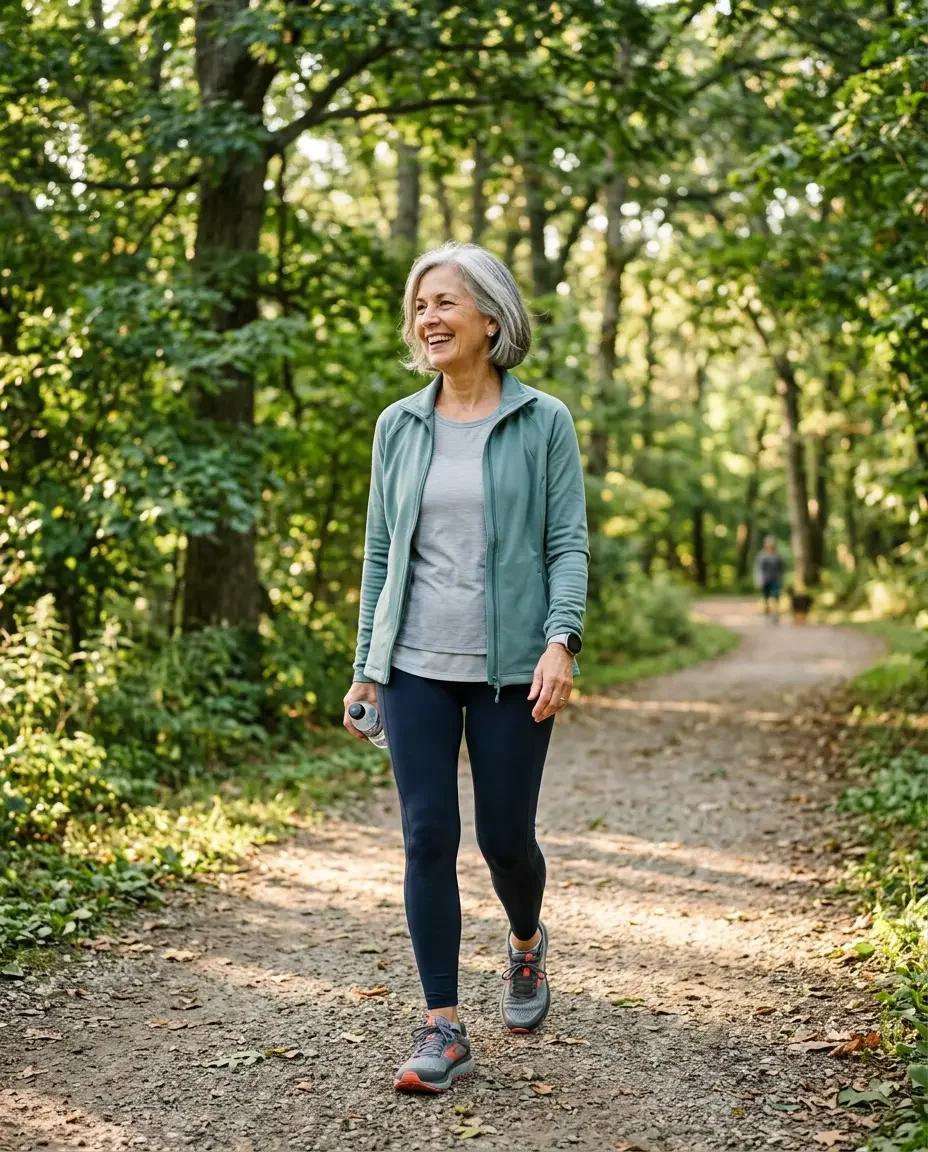
The word metabolism gets thrown around a lot, especially in midlife. I am cautious with quick fixes because our bodies are more complicated than a single “boost.” Regular movement can help support overall health, energy use, and weight management habits. Daily activity adds up even when it looks ordinary.
Weight changes with age can involve many factors, including lifestyle, sleep, genetics, and changes in activity levels. The National Institute on Aging notes that staying active and following a nutritious eating pattern can help support healthy aging. Walking is useful because it is accessible and adaptable for many fitness levels.
A note I keep in mind
Walking can support your goals, but unexplained or significant body changes are worth discussing with a qualified healthcare professional.Building the Right Walking Routine for Fat Loss
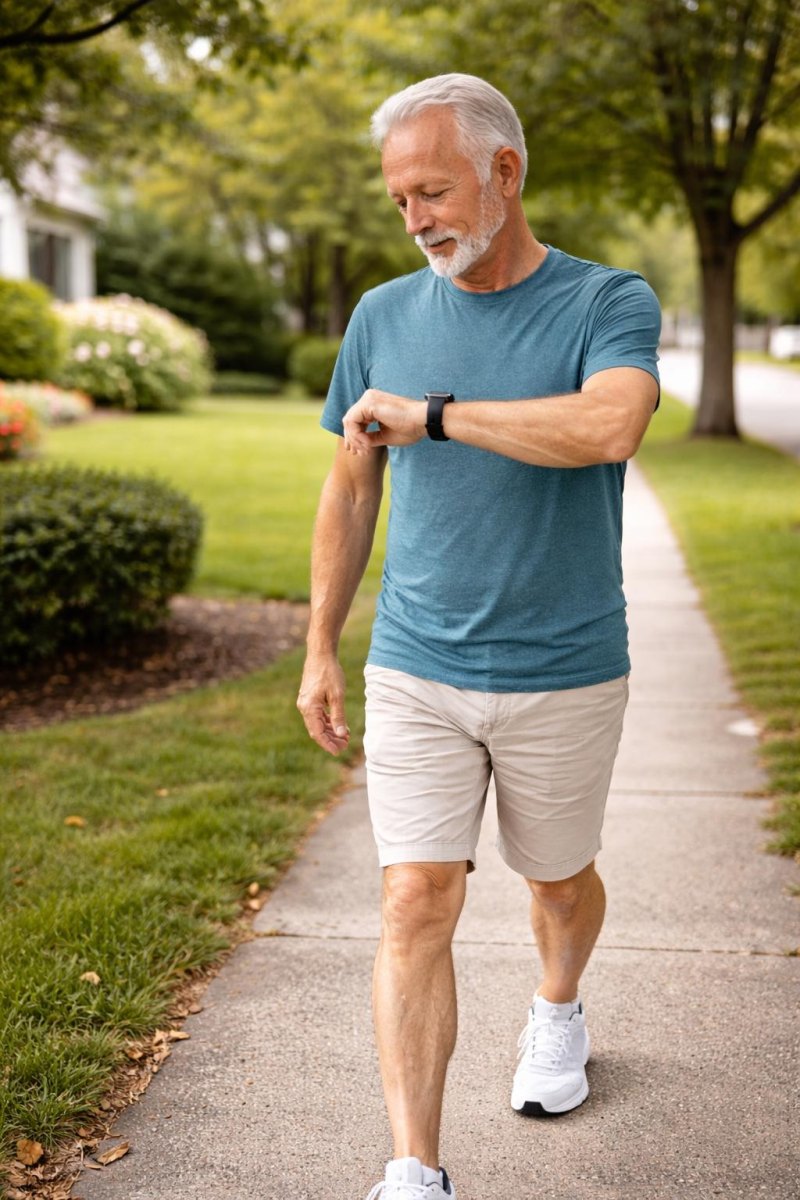
The best walking routine is the one that survives ordinary life. I like routines with fewer decisions: the same shoes by the door, a familiar route, and a realistic amount of time. Reducing friction helps because motivation is not equally available every day.
I usually suggest creating a routine in layers rather than changing everything at once. The first goal is making walking familiar; the next goal is gently improving duration, pace, or frequency when it feels manageable.
- Start. Pick a walking schedule that feels almost too easy.
- Repeat. Let the habit become automatic before adding more.
- Adjust. Increase challenge only when your body and schedule allow.
The Best Walking Speed and Intensity for Results
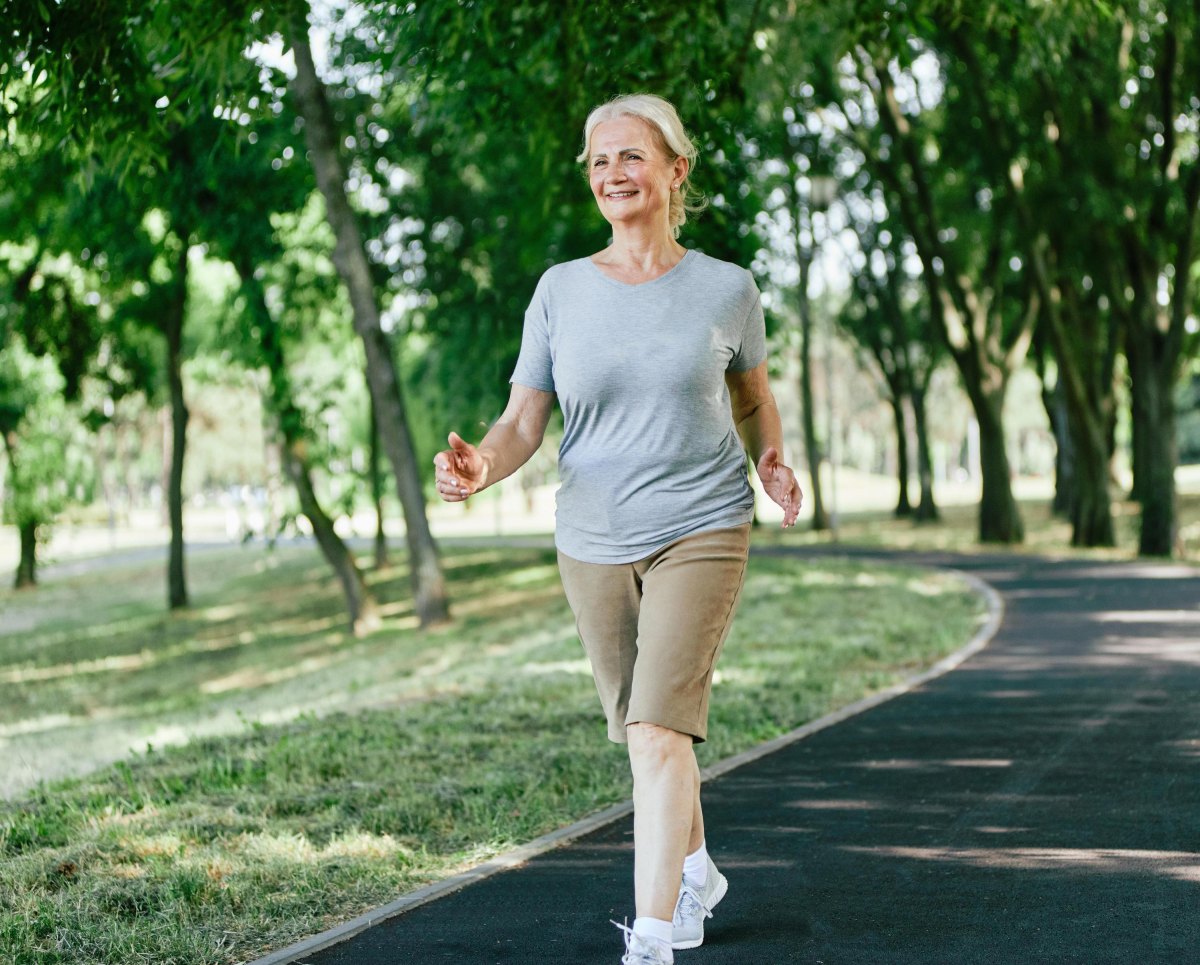
I used to think every walk needed to feel like exercise. Now I appreciate that there is room for different kinds of walks: the gentle reset, the social walk, and the brisk walk where I notice my breathing. Moderate intensity is often described as an effort where you can talk but not comfortably sing.
The right pace depends on your fitness, health, and comfort. A faster walk is not automatically better if it makes you avoid walking tomorrow. A sustainable pace is the one you can return to regularly.
| Walk type | Purpose |
|---|---|
| Easy walk | Movement, recovery, enjoyment |
| Brisk walk | Moderate aerobic activity |
| Social walk | Connection and consistency |
Strength and Mobility Exercises to Support Walking

Walking became easier for me when I stopped treating it as the only piece of the puzzle. Strength and balance work can support everyday movement, especially as we get older. Strong supporting muscles make daily activities feel less demanding.
Guidelines for older adults include muscle-strengthening and balance activities alongside aerobic movement. You do not need a complicated gym routine to begin; simple movements can be a useful starting point.
Nutrition Tips to Maximize Walking Weight Loss
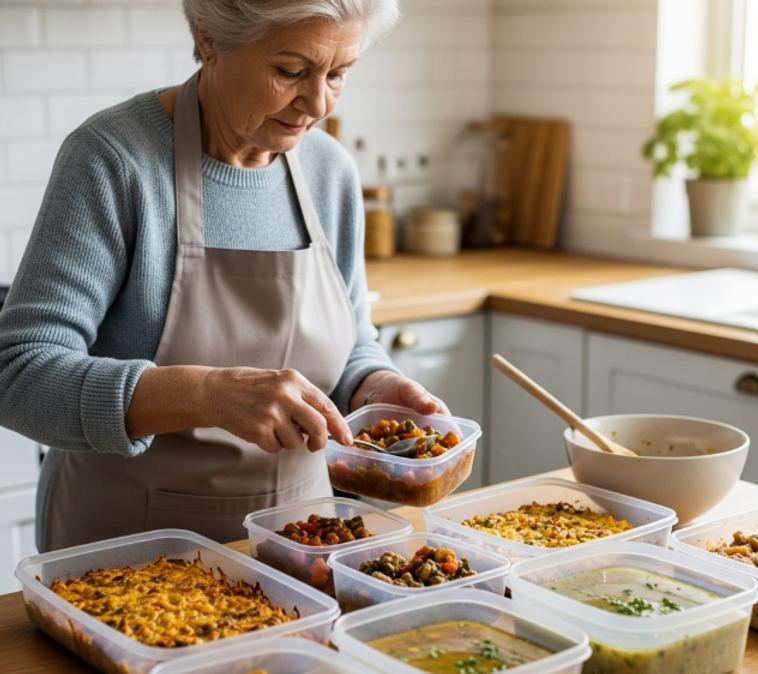
Walking and food habits work together, but I avoid turning meals into another project to manage. The older I get, the more I value meals that are simple, satisfying, and realistic. Nutrient-rich choices can support energy and overall health.
Resources for older adults emphasize balanced eating patterns with foods such as fruits, vegetables, whole grains, protein sources, and enough fluids. I think the low-energy version is often the best one: prepare a few dependable meals instead of chasing a perfect plan.
- Protein: Include suitable protein sources as part of balanced meals.
- Fiber: Add vegetables, fruits, beans, and whole grains where they fit.
- Hydration: Remember fluids matter during active days.
Avoiding Common Walking Mistakes After 50

Some walking mistakes are not about effort; they are about making the routine harder than it needs to be. I have learned that buying the perfect gear is often easier than actually putting on the shoes and going outside. Simple beats complicated more often than we admit.
Another common mistake is ignoring comfort. Supportive footwear, gradual changes, and paying attention to how your body responds can make walking more enjoyable. Listening to your body is part of building a routine that lasts.
A mistake worth avoiding
Do not turn one missed walk into a reason to abandon the whole habit. A restart is still progress.Staying Consistent With Your Walking Goals

The hardest part of walking for many of us is not knowing what to do. It is remembering to keep doing it when life gets noisy. I like creating small anchors, such as walking after breakfast or meeting a friend for a regular route. Routine removes decisions when energy is limited.
My favorite walking habits are the ones that give something back besides exercise: fresh air, quiet thinking time, or a conversation. A useful habit does not have to take over your life to matter.
A simple weekly reset
Look at the coming week and choose when walking will realistically happen. Protect those moments, but leave room for life to be imperfect.



 Sleep & Insomnia Solutions13 Natural Ways to Get More Deep Sleep and Wake Up Feeling Rested
 Health & Wellness6 Simple Healthy Habits After 40 That Make Everyday Life Better
 Energy, Hormones & Stress ManagementMenopause und Nachtschweiß – 16 praktische Lösungen für ruhigere Nächte
 Energy, Hormones & Stress Management18 Natural Energy Boosters Without Caffeine That Fit Real Life