

When your body changes in midlife, the answer is rarely a dramatic overhaul. I have found that the most useful habits are the ones that fit into ordinary life and support steady body changes without turning every meal or workout into another job. Menopause-related weight changes can be influenced by aging, lifestyle, and shifts in body composition, so I focus on practical steps rather than miracle fixes.
This is not about chasing an older version of yourself. It is about finding routines that help you feel comfortable, capable, and at home in the body you have now. Small repeatable choices tend to beat complicated plans that disappear after two enthusiastic weeks.
Balance Hormones with a Nutrient-Rich Menopause Diet
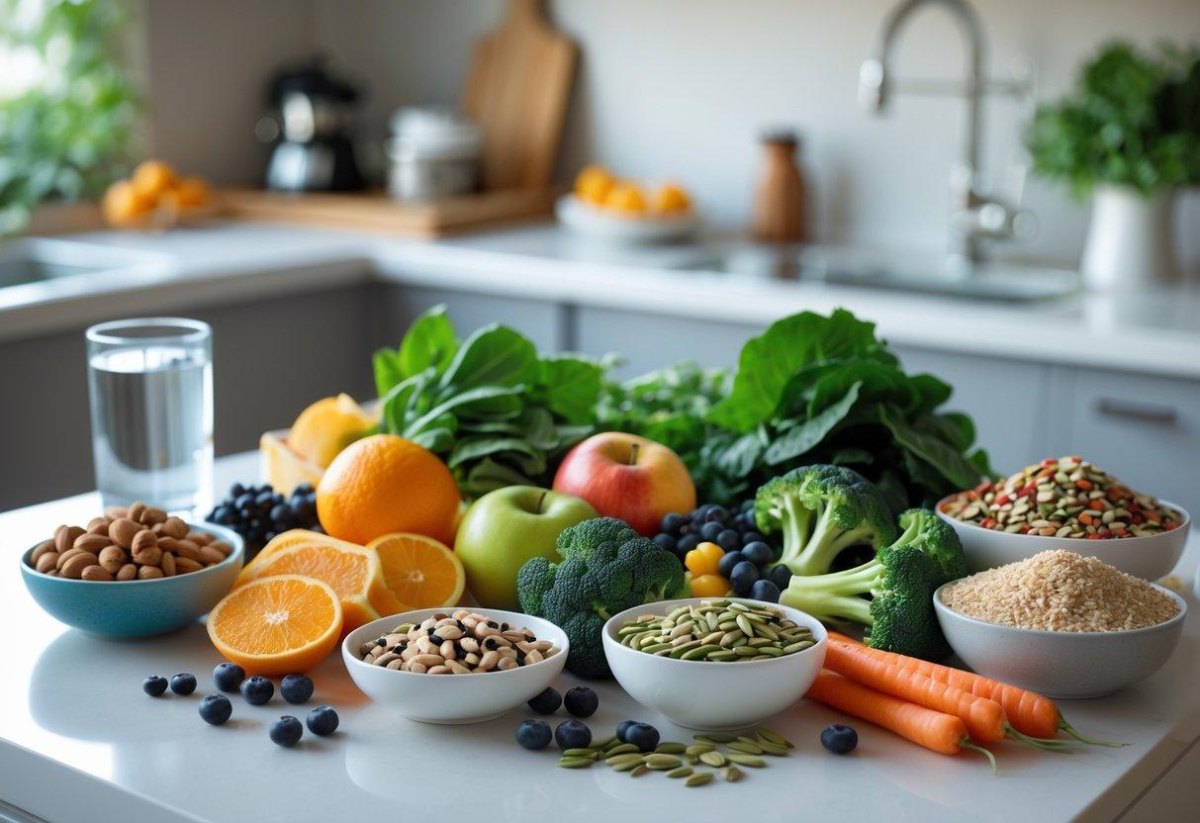
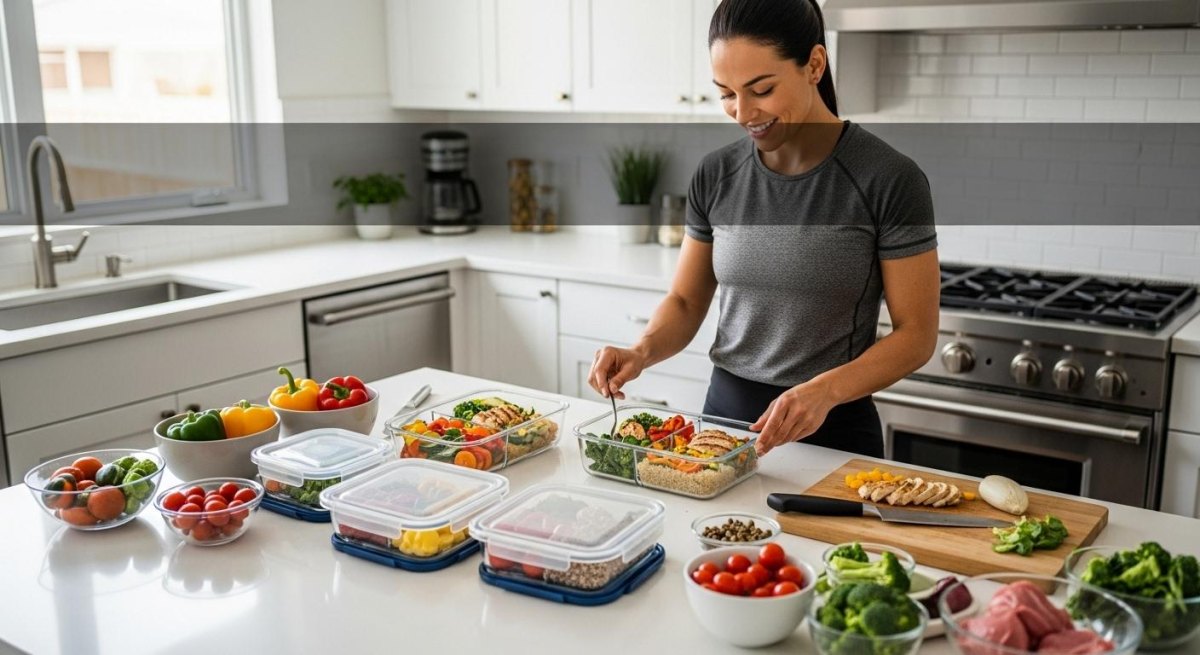
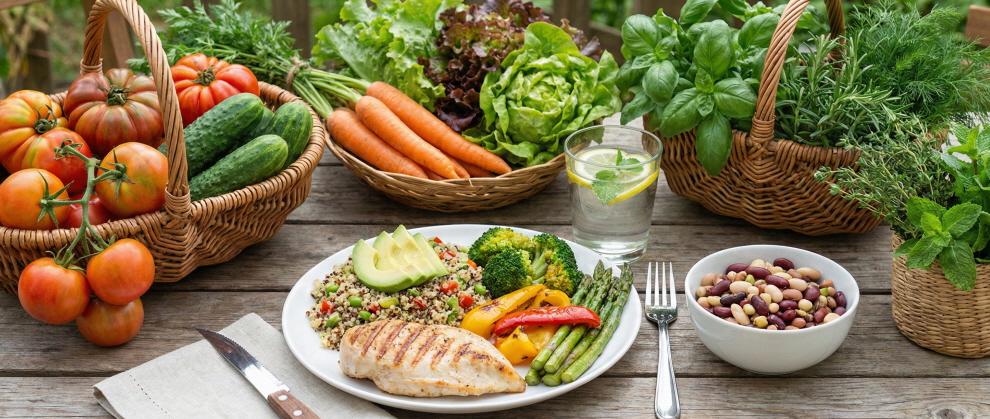
I am careful with any promise that a food can “fix” menopause, because our bodies are far more complicated than that. What has made sense to me is building meals around protein and fiber, colorful plants, and foods that keep me satisfied through a busy afternoon. General nutrition guidance for midlife often highlights fruits, vegetables, whole grains, legumes, nuts, and protein-rich choices as useful foundations.
The version I actually maintain is not a perfect meal plan. It is keeping easy options nearby: Greek yogurt with fruit, beans added to a simple lunch, vegetables I will genuinely eat, and a dinner that does not require a separate cooking show. Lower decision fatigue is a health habit too.
What I keep in mind
- Choose satisfying meals instead of chasing restrictive rules.
- Include protein and fiber regularly.
- Make healthy choices easier to repeat.
Build Lean Muscle to Boost Metabolism After Menopause
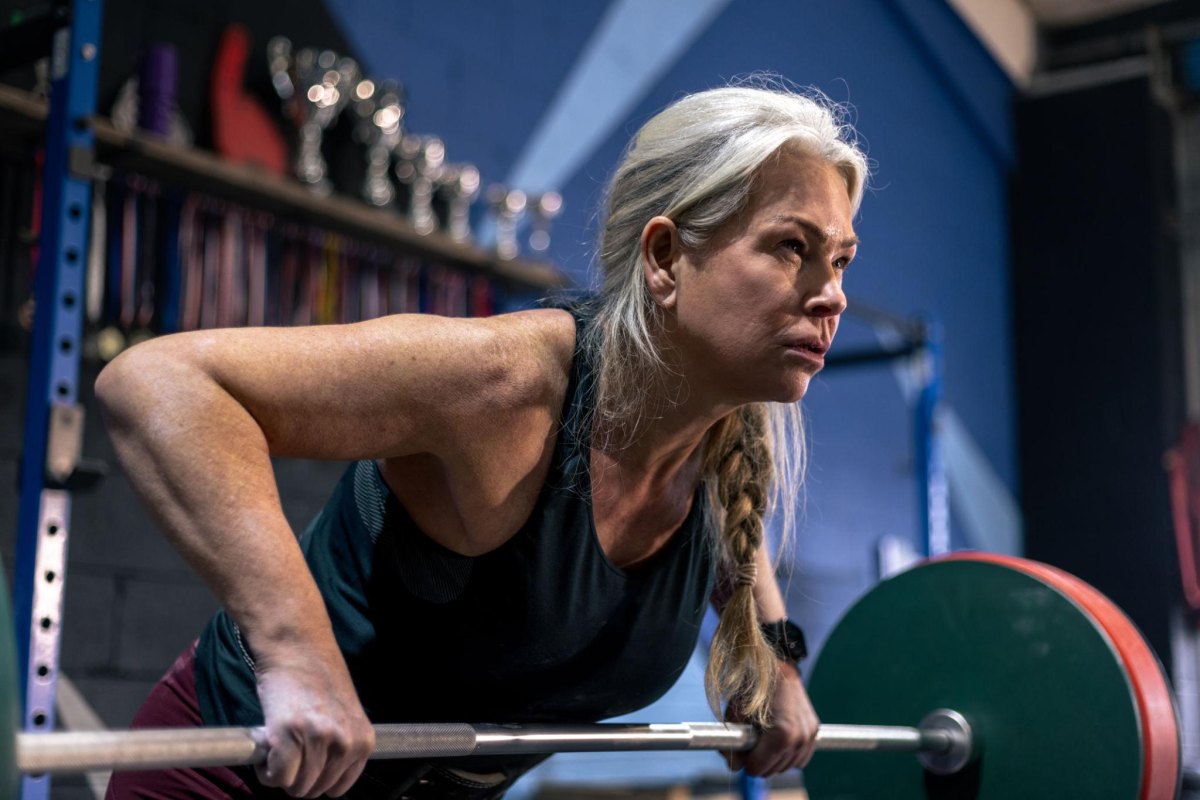
Strength training became much less intimidating when I stopped thinking of it as a punishment for changing body shape. For me, it is about staying strong enough for everyday life. Research reviews in postmenopausal women suggest resistance training can improve functional capacity and support changes in muscle and fat mass, although results vary and evidence quality differs.
I do not believe every woman needs a complicated gym routine. A few consistent sessions with movements that challenge your muscles can be a more realistic starting point than buying equipment and creating a new identity around exercise. Building strength slowly is often the part worth keeping.
- Start. Choose simple strength movements you can repeat comfortably.
- Progress. Increase challenge gradually as your confidence grows.
- Continue. Keep the routine manageable enough for normal weeks.
Reduce Belly Fat with Regular Low-Impact Cardio

Walking is one of those wonderfully unglamorous habits that keeps proving its value. I like that it requires almost no setup, no special outfit, and no dramatic personality change. Regular physical activity can support healthy weight management, and walking is a practical moderate-intensity option for many people.
The goal is not to punish your body until it changes. The goal is to create more opportunities for movement you can live with. Consistent daily walking may be far more useful than an intense plan you avoid after a month.
- A walk you enjoy enough to repeat
- Comfortable shoes that do not make movement miserable
- Movement breaks during long sitting periods
Manage Stress and Improve Sleep for a Healthier Waistline

Sleep is the area where I have learned not to bargain with myself. When my nights are poor, everything feels harder, from deciding what to eat to finding motivation for movement. Menopause-related weight changes can involve several factors, and sleep habits are one piece of the larger picture.
I am not interested in a bedtime routine that requires twelve steps and a dedicated basket of products. My useful version is simpler: a calmer evening, fewer unnecessary tasks, and a bedroom that helps me wind down. A realistic sleep routine is the one you can still follow on an ordinary Tuesday.
A practical reminder
If sleep disruption is persistent, severe, or affecting daily life, it is worth discussing with a qualified healthcare professional rather than trying endless lifestyle experiments.
Support Digestion with Fiber and Hydration
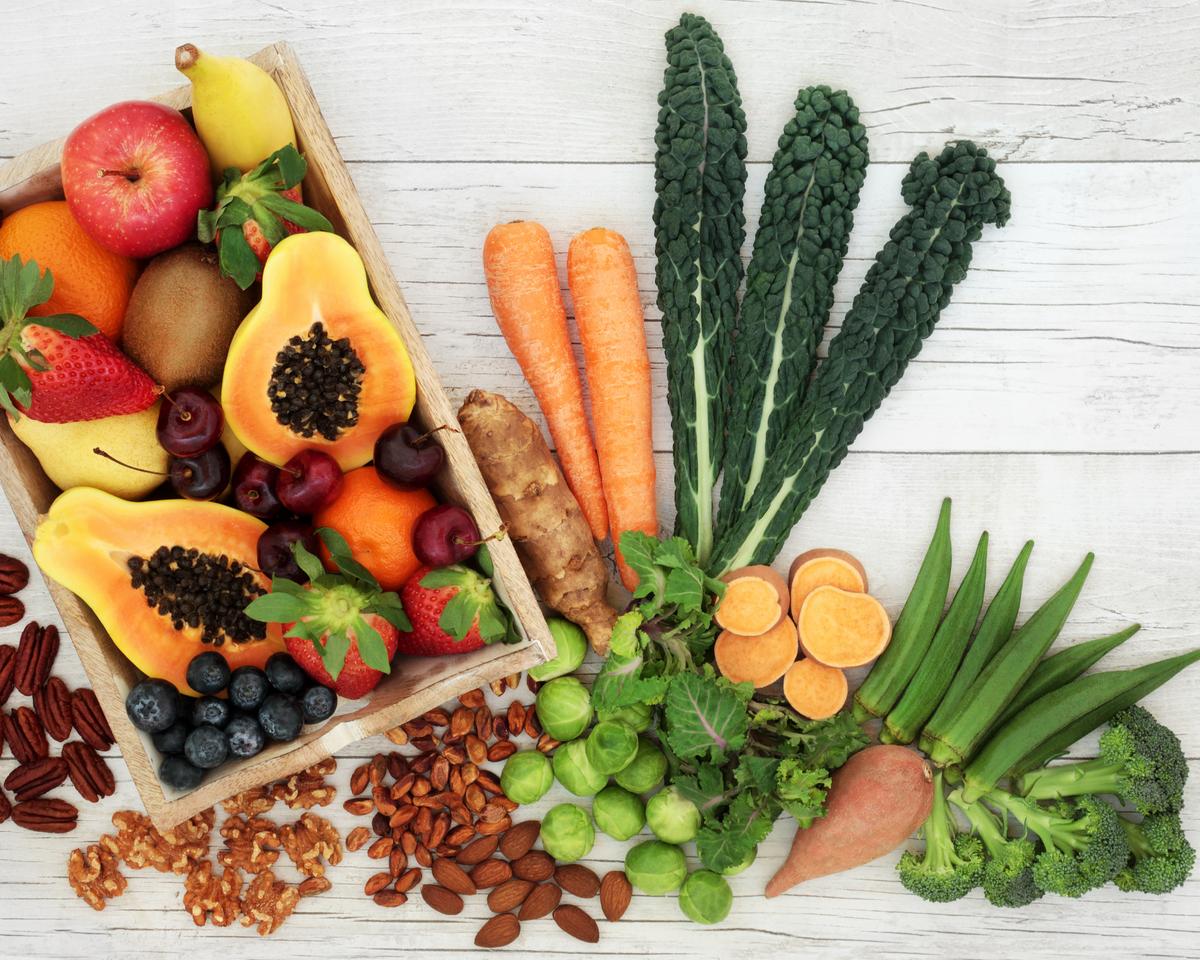
Digestion is not the most glamorous midlife topic, but it is one of those everyday things that affects how comfortable you feel in your clothes and your routine. Adding fiber gradually through foods like beans, vegetables, fruits, nuts, and whole grains can support digestive health. Gentle nutrition changes are usually easier to maintain than sudden extremes.
I also pay attention to hydration, especially when changing my eating habits. The trick is not creating a perfect wellness checklist; it is noticing what helps your own body feel better. Simple supportive habits often have the best chance of lasting.
| Habit | Simple approach |
|---|---|
| Fiber | Add plant foods gradually |
| Hydration | Drink regularly throughout the day |
| Digestion | Notice patterns without obsessing |
Create Sustainable Daily Habits to Lose Menopause Belly Naturally

The older I get, the less interested I am in routines that require me to become a completely different person. The habits that stay are usually the quiet ones: preparing a few useful foods, taking a walk, lifting something heavy, and making my environment support me. Long-term lifestyle changes have been linked with better weight maintenance in midlife women, especially when they are sustainable.
Before changing everything, I would test one small adjustment. A week of walking after dinner tells you something. A simpler breakfast tells you something. A strength routine you actually repeat tells you something. Small experiments first save both money and frustration.
A mistake I avoid
I no longer treat a difficult week as proof that a habit failed. Sometimes the habit needs adjusting, not abandoning.


 Sleep & Insomnia Solutions13 Natural Ways to Get More Deep Sleep and Wake Up Feeling Rested
 Health & Wellness6 Simple Healthy Habits After 40 That Make Everyday Life Better
 Energy, Hormones & Stress ManagementMenopause und Nachtschweiß – 16 praktische Lösungen für ruhigere Nächte
 Energy, Hormones & Stress Management18 Natural Energy Boosters Without Caffeine That Fit Real Life