

After menopause, many women notice their body feels different, especially around the middle. I know how frustrating it can be when familiar routines suddenly stop giving the same results. The goal is not to chase your younger body but to find habits that support the body you have now.
I look at belly fat changes through a practical lens: what is actually worth the energy? These are the strategies that fit into ordinary life, without turning your kitchen, calendar, and bathroom counter into a full-time project.
What helps most after menopause
- Strength training to support muscle maintenance
- Balanced meals with enough protein and fiber
- Regular movement that you can realistically continue
- Sleep and stress habits that support overall wellbeing
Understand How Menopause Changes Belly Fat Storage
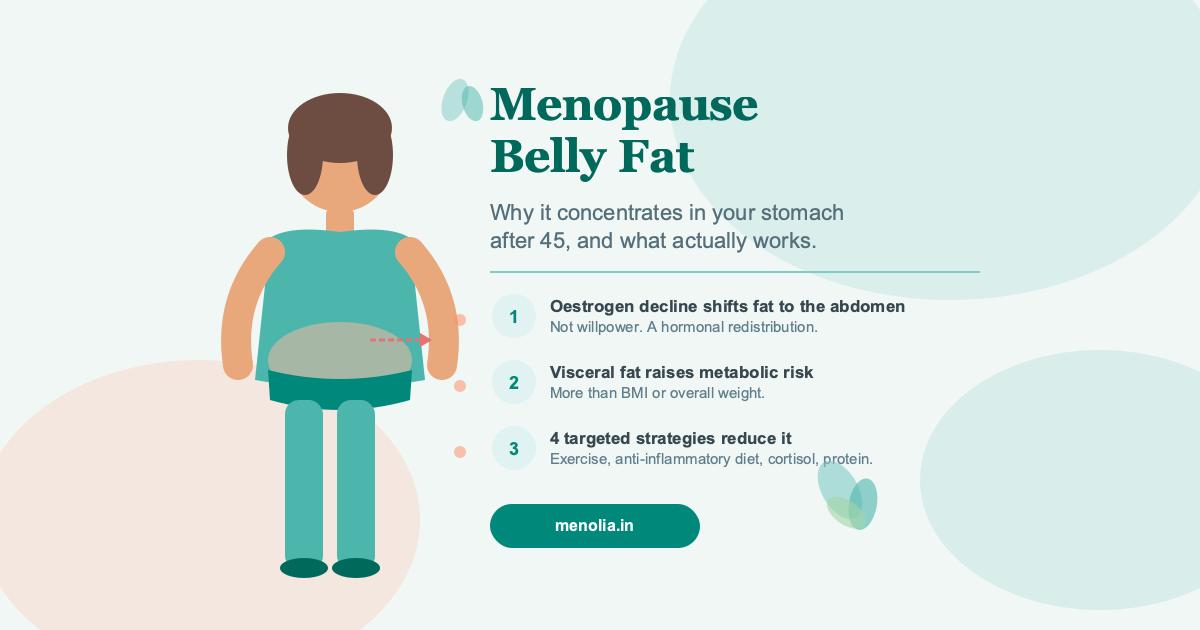
One of the biggest surprises after menopause is that weight distribution can change even when your habits feel familiar. Research from organizations such as the National Institute on Aging notes that aging and hormonal changes can affect body composition, including reduced muscle mass and increased fat storage around the abdomen.
I find it helpful to think less about fighting my body and more about understanding it. Body composition changes are not a personal failure, and they often require different habits than the ones that worked in our thirties.
A useful mindset shift
Instead of asking how to get your old body back, ask which routines make you feel stronger, more comfortable, and more energetic today.
Build a Protein-Rich Diet for a Faster Metabolism

Protein became one of the simplest changes I paid attention to because it fits into meals I was already making. Protein supports muscle maintenance, and preserving muscle becomes increasingly important as we get older.
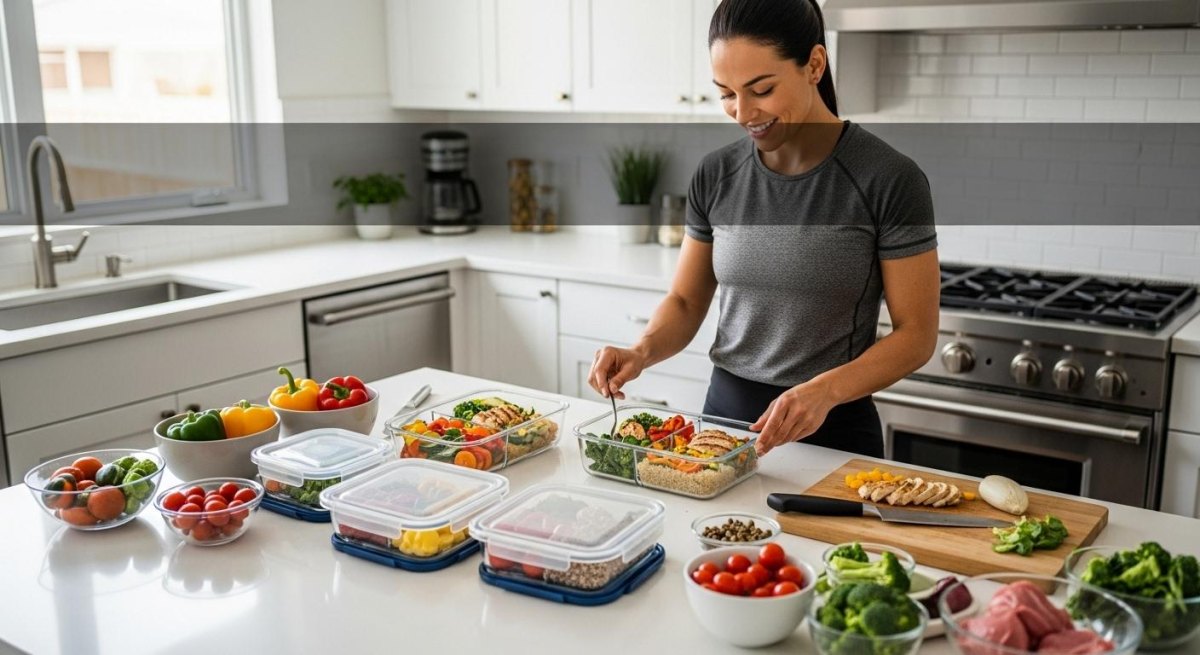
I am not interested in complicated meal plans with ingredients that require a second grocery trip. Protein at meals can be as simple as adding eggs, yogurt, fish, beans, tofu, chicken, or another protein source you enjoy.
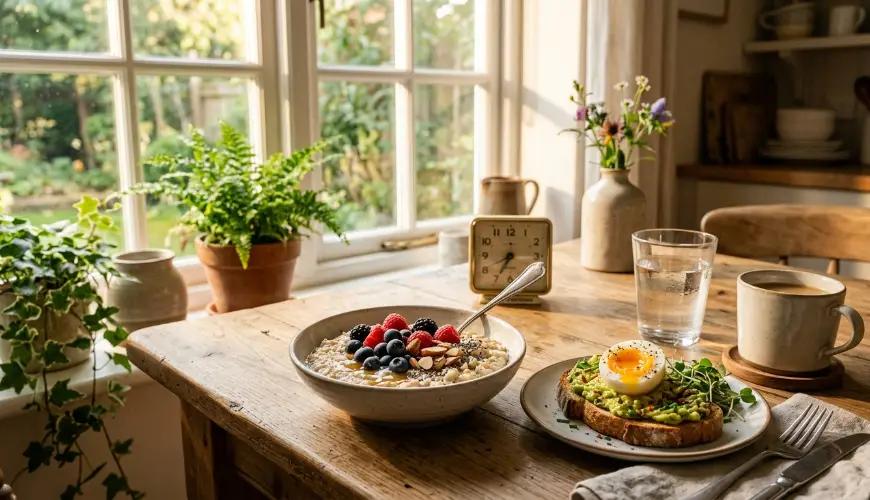
- Breakfast: Add a protein source that keeps you satisfied through the morning.
- Lunch: Build around protein, vegetables, and a filling carbohydrate.
- Dinner: Choose a balanced plate rather than chasing perfection.
Add Strength Training to Preserve Muscle Mass
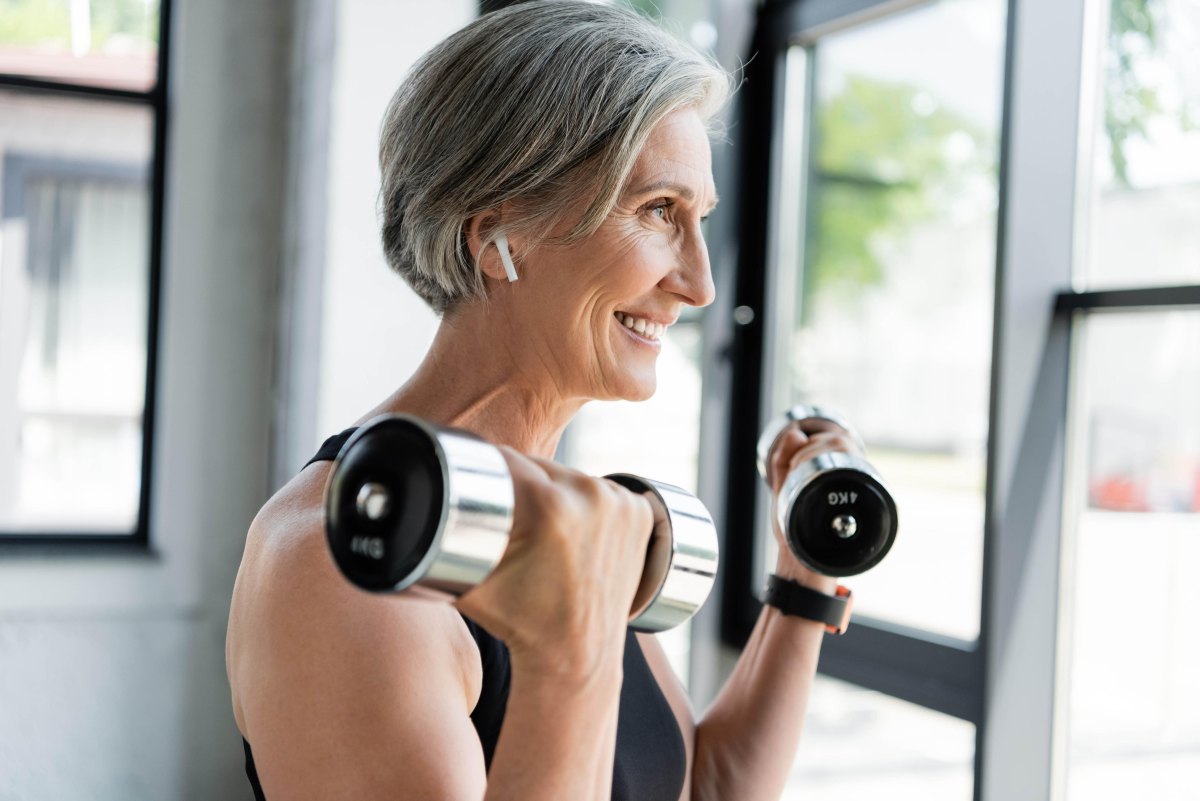
Strength training is one habit I keep coming back to because it offers benefits beyond appearance. Building and maintaining muscle supports everyday activities, from carrying groceries to feeling steadier on your feet.
You do not need a dramatic gym transformation. Simple strength exercises done consistently can be a more realistic approach than starting a demanding program you will abandon after two weeks.
- Start. Choose a manageable routine that matches your current fitness level.
- Progress. Increase challenge gradually as movements become easier.
- Continue. Focus on consistency rather than exhausting workouts.
Include Cardio Workouts That Support Fat Loss

Cardio does not have to mean punishing workouts or spending hours on a machine. Walking, cycling, swimming, and other activities can support heart health and overall fitness while fitting into real schedules.
My favorite version is usually the one I will actually repeat. Regular movement beats an ambitious plan that disappears when life gets busy.
What I like about simple cardio
- Easy to adjust for energy levels
- Can be social and enjoyable
- Requires little equipment
Possible downsides
- Results require patience
- Motivation can fluctuate
Improve Sleep Quality to Balance Hormones

Sleep changes were one of the first things I noticed in midlife. A poor night can make everything feel harder, including decisions about food, movement, and patience.
Sleep is not a magic belly-fat solution, but it is part of the bigger picture. Better sleep habits may support healthier daily choices and help you feel more capable.
- Create a calming bedtime routine.
- Keep your bedroom comfortable and restful.
- Notice patterns instead of obsessing over every bad night.
Manage Stress to Reduce Cortisol-Related Belly Fat

Stress gets blamed for almost everything online, and I am cautious about those sweeping claims. Still, long periods of stress can affect how we sleep, eat, and move, which are all connected to wellbeing.
The most useful stress habits are usually small ones. Lowering daily friction might mean a walk after work, fewer evening decisions, or protecting quiet time.
Keep expectations realistic
No single relaxation trick can fix every source of stress. If stress feels overwhelming or persistent, it may be worth discussing with a qualified professional.
Choose Foods That Reduce Inflammation
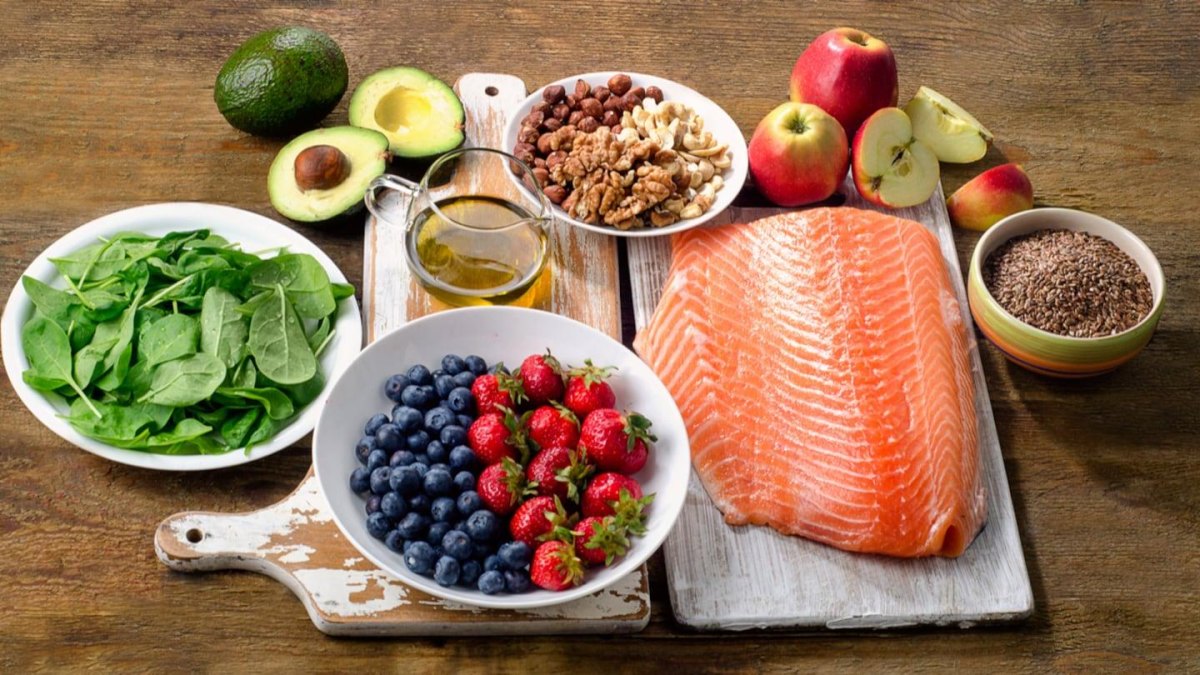
I am careful with wellness language because “anti-inflammatory” is often used to sell expensive products. A simpler approach is focusing on generally nourishing foods that many health experts recommend as part of a balanced eating pattern.
Vegetables, fruits, whole grains, nuts, and healthy protein sources are practical choices. Food quality matters, but so does whether your meals fit your actual life.
| Food group | Simple options |
|---|---|
| Vegetables | Leafy greens, peppers, broccoli |
| Healthy fats | Nuts, olive oil, avocado |
| Protein | Fish, beans, eggs, poultry |
Stay Hydrated and Support Healthy Digestion

Hydration is not glamorous advice, which may be why we forget it. Drinking enough fluids supports normal body functions, and staying hydrated can make everyday routines feel easier.
I also pay attention to digestion because comfort matters. Healthy digestion habits can include enough fiber, regular movement, and meals that agree with your body.
The low-effort version
Keep water visible, add fiber gradually, and avoid turning digestion into another complicated project to manage.
Create Sustainable Daily Habits for Long-Term Results

The hardest part of any health habit is rarely knowing what to do. It is making the habit survive a busy Wednesday when your energy is low and your schedule is full.
I have learned that small repeatable habits usually beat dramatic resets. A short walk, a balanced breakfast, or preparing one easy meal can be more valuable than an ideal plan you cannot maintain.
- Choose. Pick one habit that feels manageable.
- Repeat. Give it enough time before judging it.
- Adjust. Make it easier when life gets complicated.
Track Progress Beyond the Number on the Scale
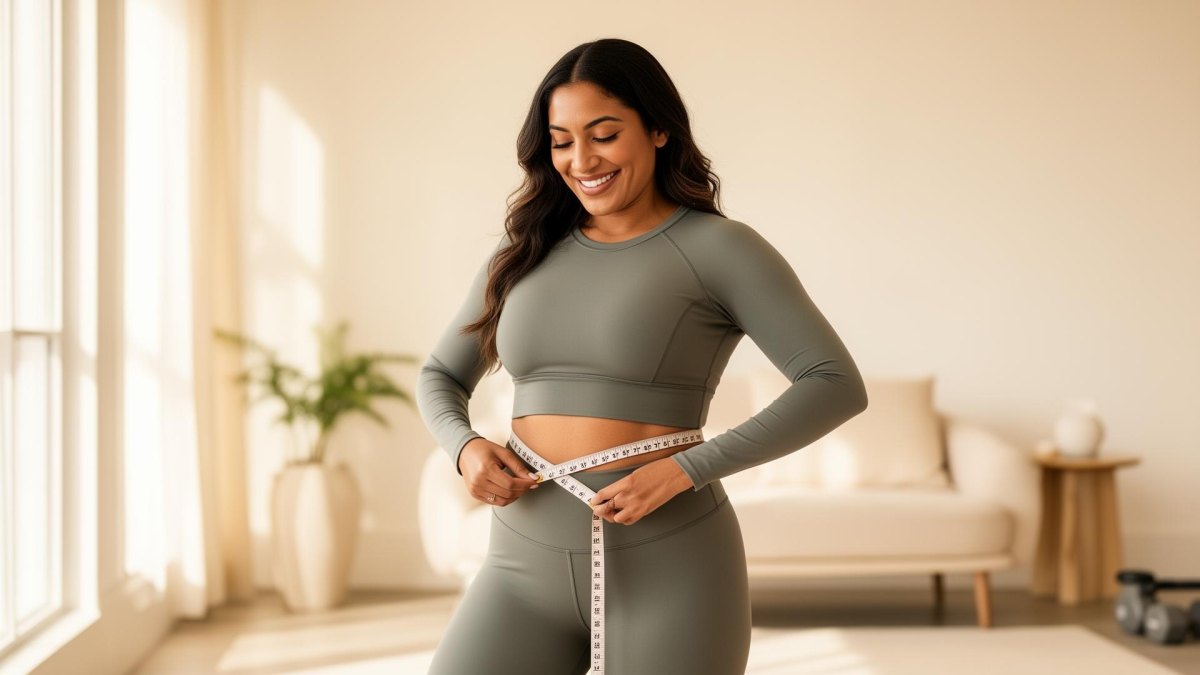
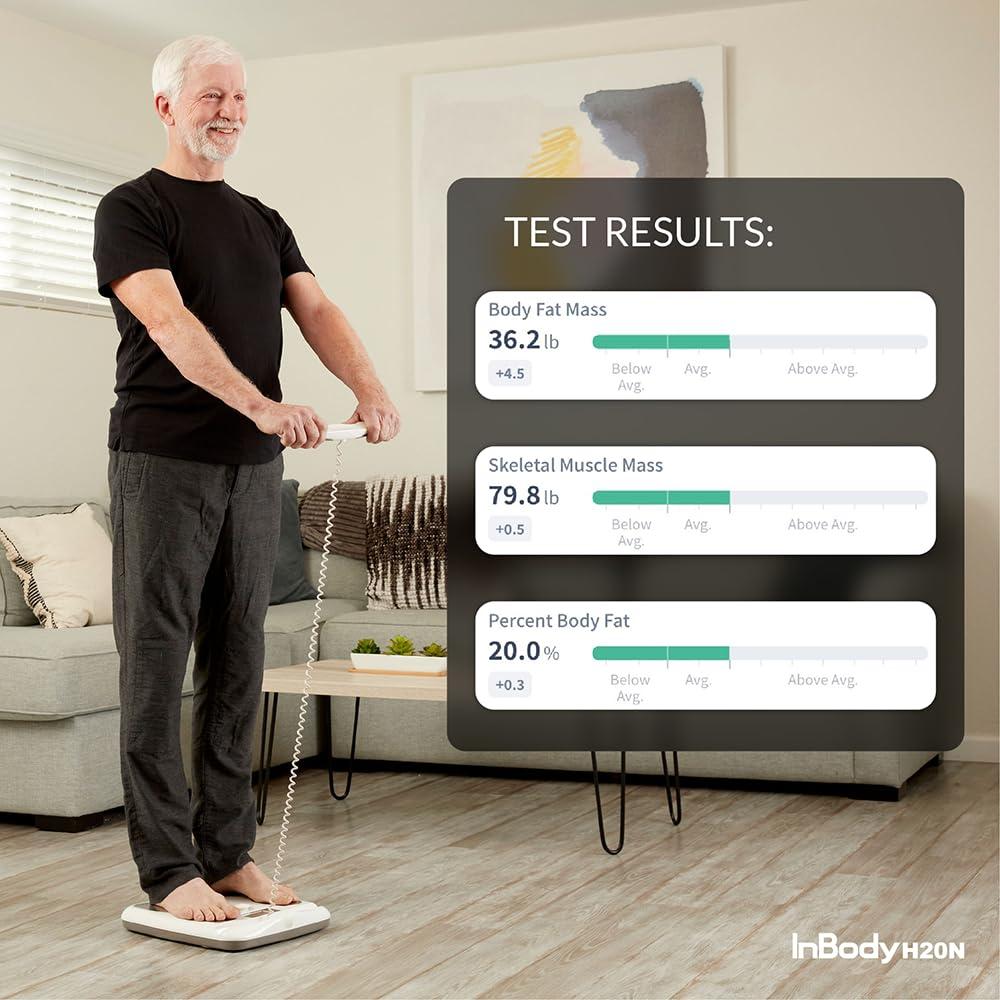
Numbers can be useful, but they do not tell the whole story. After menopause, I think progress is often better measured by how clothes feel, how strong you feel, and whether daily activities become easier.
A changing body deserves a broader definition of success. Progress tracking can include energy, strength, comfort, and confidence alongside any measurements you choose to follow.
The goal is not to become a different person. It is to make your current life work better.
Dana Whitmore



 Sleep & Insomnia Solutions13 Natural Ways to Get More Deep Sleep and Wake Up Feeling Rested
 Health & Wellness6 Simple Healthy Habits After 40 That Make Everyday Life Better
 Energy, Hormones & Stress ManagementMenopause und Nachtschweiß – 16 praktische Lösungen für ruhigere Nächte
 Energy, Hormones & Stress Management18 Natural Energy Boosters Without Caffeine That Fit Real Life