
 12.10.2026
Fatigue in midlife can feel strangely unpredictable. One day you are fine, and the next you are wondering why a normal grocery trip requires a recovery plan. I have learned to focus on small energy wins rather than chasing a perfect routine. Lifestyle changes can help with menopause symptoms, but persistent or concerning fatigue deserves a conversation with a qualified healthcare professional.
This guide looks at practical changes that may make everyday life easier, from sleep habits to movement and medical conversations. My goal is not to add another long checklist to your week, but to find realistic adjustments that are worth the effort.
Improve Sleep Quality to Reduce Menopause Fatigue

Sleep became one of the first places I noticed that my usual habits stopped working. For many women, menopause-related sleep problems can involve trouble falling asleep or staying asleep, especially when night sweats interrupt rest.
I prefer a simple bedtime reset: a cooler bedroom, a regular sleep schedule, and fewer stimulating activities late at night. These changes are not glamorous, but they are the kind of boring improvements that can actually survive a busy Tuesday.
Balance Hormones Through Medical Guidance

The phrase “balance your hormones” appears everywhere online, usually followed by an expensive product. I am cautious with those promises. Hormone-related menopause symptoms are personal, and decisions about treatments belong in a conversation with a qualified clinician.
If fatigue is affecting your life, a healthcare appointment can help you discuss available treatment options, including whether approaches such as hormone therapy are appropriate for your situation. HRT decisions depend on individual health factors, benefits, and risks.
A useful reminder
Supplements and quick hormone fixes are not a substitute for medical advice.
Eat Energy-Boosting Menopause-Friendly Foods

I am not interested in a complicated eating system with seventeen rules and ingredients I cannot pronounce. A balanced approach with regular meals is usually more realistic for maintaining steady daily energy. Guidance from menopause resources commonly includes eating a varied, balanced diet with nutrient-rich foods.
My low-effort version is simple: add protein, include colorful produce, and make meals easier to repeat. The goal is not perfection; it is reducing the number of decisions waiting for you when you are already tired.
Exercise Regularly to Fight Low Energy

Exercise is one of those suggestions that sounds annoying when you are exhausted. I understand the irony of being told to move more when moving already feels like the problem. Still, regular activity can support overall wellbeing during menopause.
I think in terms of manageable movement, not heroic workouts. A walk, gentle class, or short session counts if it fits your actual life. The best routine is usually the one you will still do after the first enthusiastic week.
Manage Stress and Support Mental Well-Being

Stress has a sneaky way of draining energy before we even notice it. In my own life, reducing the number of small daily pressures often helped more than adding another wellness habit. Relaxation practices and support networks may help some people cope with menopause changes.
I look for small moments of recovery: a walk with the dog, a quiet cup of tea, or putting my phone down earlier in the evening. These are not cures, but they can make ordinary days feel less crowded.
Try this first
Remove one unnecessary demand from your week before adding a new self-care task.
Stay Hydrated to Prevent Tiredness

Drinking enough water is not a magical menopause solution, but it is one of the easiest basics to overlook. I keep water nearby because relying on memory during a busy afternoon is not my strongest skill.
A simple hydration habit can support everyday energy habits, especially when paired with balanced meals and regular routines. It is a small adjustment with very little maintenance, which is exactly the kind I like.
Use Strength Training to Maintain Energy

Strength training became less about chasing a fitness goal and more about wanting my body to feel capable. Maintaining muscle is an important part of staying strong through midlife, and weight-bearing activity is often recommended as part of menopause health habits.
The worth-the-energy version is not necessarily a complicated gym plan. A few consistent sessions with appropriate guidance can be more useful than buying equipment that becomes expensive furniture.
Potential benefits
- Supports strength and function.
- Can fit into short sessions.
Things to consider
- Technique matters.
- Some people need professional guidance.
Address Vitamin and Mineral Deficiencies

When energy disappears, it is tempting to order a shelf of supplements and hope one is the answer. I have learned that more products often create more decisions, not necessarily more energy.
If fatigue is persistent, discussing possible causes with a healthcare professional is more useful than guessing. Nutrient needs can vary, and supplements should be considered carefully rather than treated as automatic energy fixes.
Common mistake
Assuming every tired day is caused by one missing supplement.
Create a Consistent Daily Energy Routine

My most helpful routines are the ones that quietly remove friction. A predictable morning, a realistic work cutoff, and a few prepared choices can make a difference when energy is inconsistent.
I focus on repeatable rhythms instead of dramatic resets. Midlife already brings enough change without turning breakfast into a complicated project.
| Habit | Low-effort version |
|---|---|
| Morning routine | Keep a few reliable steps. |
| Movement | Add short walks or sessions. |
| Evening | Create a calmer transition. |
Limit Fatigue Triggers Like Caffeine and Alcohol
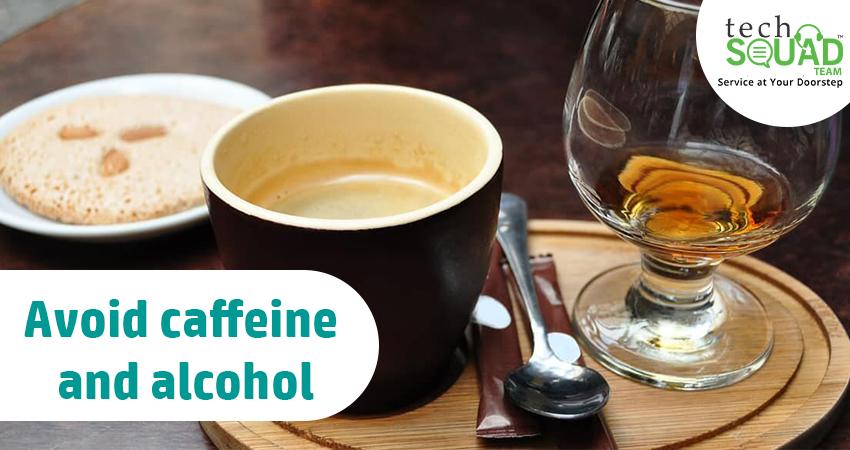
I love coffee, so this is not a lecture from someone who has abandoned caffeine and become a morning meditation person. But timing matters. Caffeine and alcohol can interfere with sleep quality for some people, which may affect next-day energy.
The practical approach is testing what changes your own sleep and energy pattern. You do not need a dramatic lifestyle overhaul to learn whether a small adjustment helps.
1 step
Try changing one habit at a time so you know what actually helps.
Consider Professional Support for Persistent Fatigue

There is a difference between feeling worn out after a busy week and dealing with fatigue that keeps interfering with daily life. I am very pro-experimenting with routines, but I also know when lifestyle tinkering has reached its limit.
Persistent or concerning symptoms are worth discussing with a qualified healthcare professional. A conversation can help explore possible causes and options rather than leaving you to search endless wellness advice online.
A practical next step
Write down your symptoms, patterns, sleep changes, and questions before an appointment. A short list is often more useful than trying to remember everything in the moment.



 Sleep & Insomnia Solutions13 Natural Ways to Get More Deep Sleep and Wake Up Feeling Rested
 Health & Wellness6 Simple Healthy Habits After 40 That Make Everyday Life Better
 Energy, Hormones & Stress ManagementMenopause und Nachtschweiß – 16 praktische Lösungen für ruhigere Nächte
 Energy, Hormones & Stress Management18 Natural Energy Boosters Without Caffeine That Fit Real Life