

I used to think a bad night of sleep always meant I needed a new mattress, a new routine, or some complicated fix. Sometimes the answer is much smaller: the way I am lying in bed. Sleep position matters because comfort, body support, and breathing can all be affected by how we settle in for the night.
There is no single perfect position for every person. I have found that the most useful approach is not chasing a “perfect” posture, but noticing what helps my own body feel less stiff and more rested in the morning. Small adjustments can often be more realistic than completely retraining the way you sleep.
Quick summary
- Side sleeping may help with spinal comfort and snoring for many people.
- Back sleeping can support even weight distribution when it feels comfortable.
- A well-positioned pillow is often more important than buying another sleep product.
Side Sleeping for Spinal Alignment and Comfort
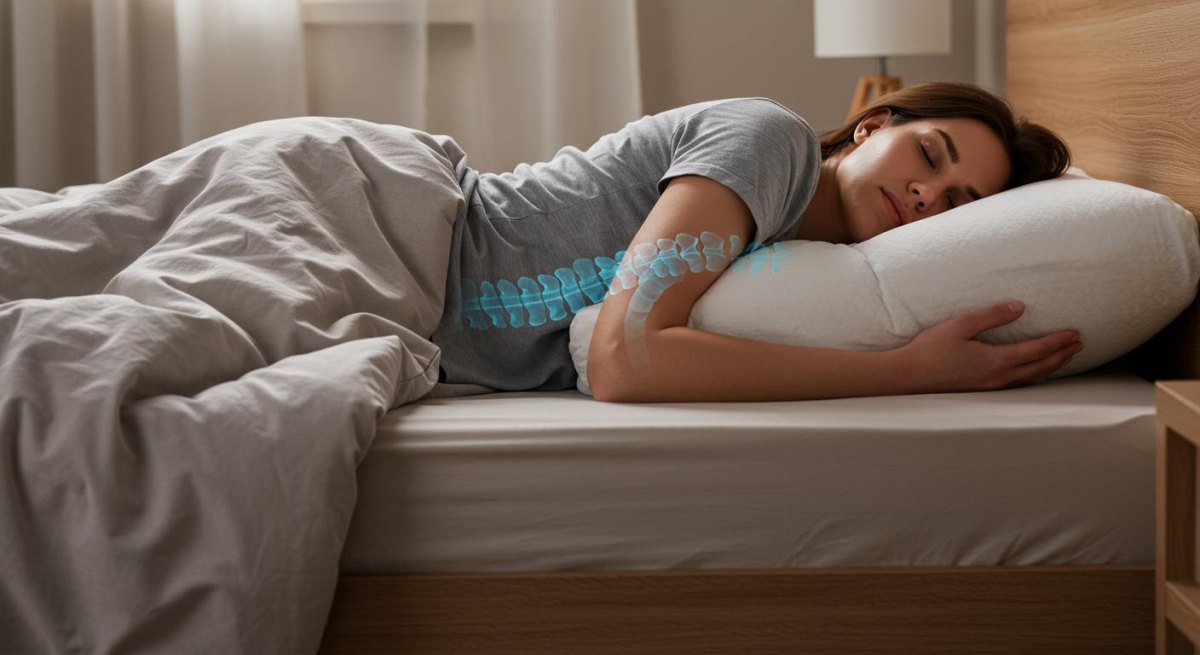
Side sleeping is where many people naturally land, and it can be a comfortable choice when the body is properly supported. I like this position because a small change, such as placing a pillow between my knees, can make a noticeable difference in how my hips and lower back feel the next morning. Pillow support between knees may help keep the spine, pelvis, and hips in a more neutral position.
If you are a side sleeper, I would avoid turning this into another project with ten special products. A supportive pillow and a comfortable mattress setup are usually the first things worth testing. Simple alignment changes often tell you more than an expensive sleep upgrade.
A practical tip
Try putting a pillow between your knees for a week before buying anything new. Your morning stiffness may give you useful information.
Back Sleeping to Reduce Pressure on the Body
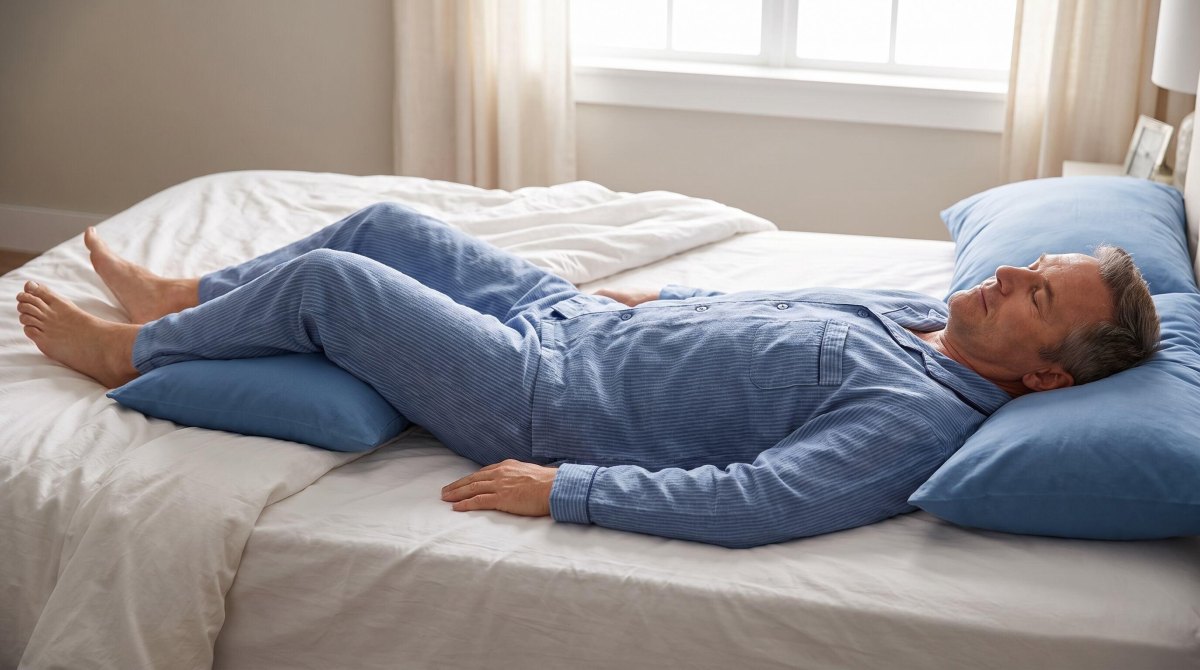
Back sleeping can feel wonderfully uncomplicated because your weight is spread more evenly across the mattress. For some people, this position supports a more neutral line from the head through the spine. Even weight distribution may reduce pressure on certain areas that feel sore after a night of tossing and turning.
I have learned not to force a sleep position that my body clearly dislikes. Back sleeping sounds ideal on paper, but if it increases snoring or feels uncomfortable, it may not be the right answer for you. Personal comfort still wins when choosing a position you can actually maintain.
| Back sleeping adjustment | Why it may help |
|---|---|
| Pillow under knees | May support the natural curve of the lower back |
| Supportive neck pillow | Helps keep the head and neck comfortably aligned |
Left Side Sleeping for Improved Digestion and Breathing
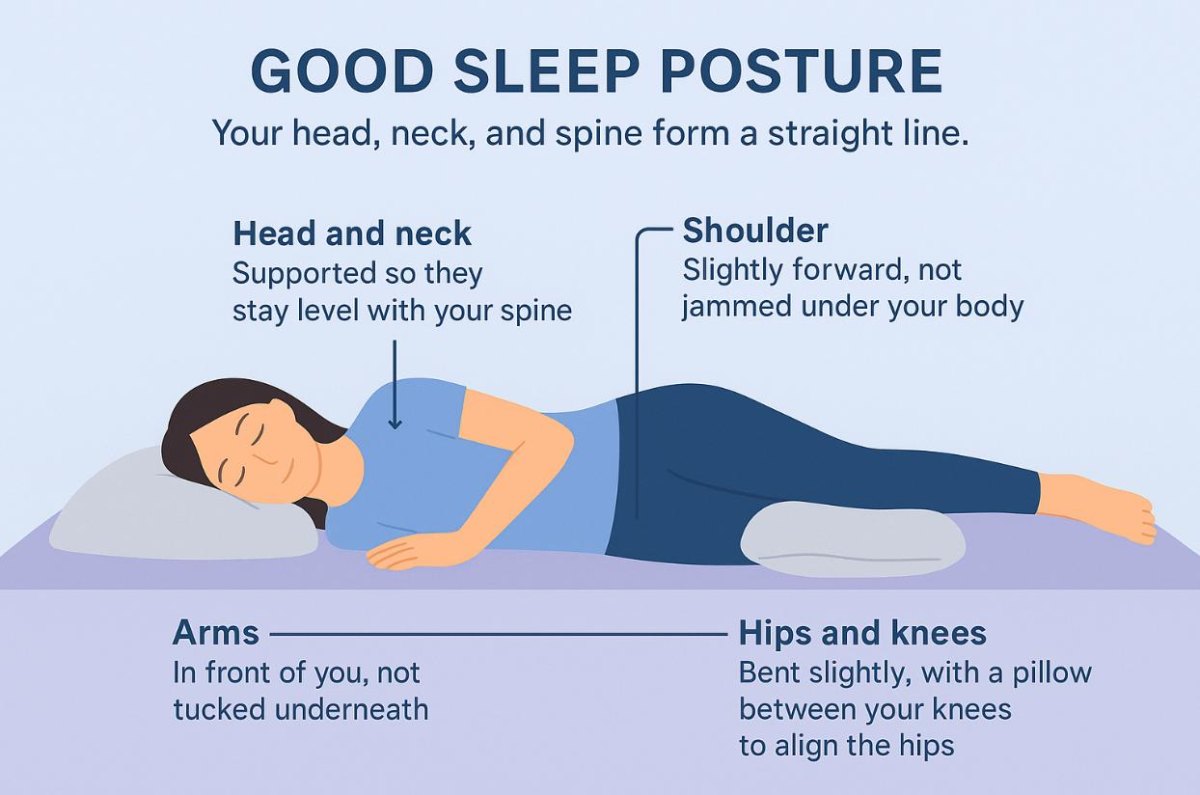
Left side sleeping gets a lot of attention because some research has explored its relationship with nighttime reflux symptoms. That does not mean everyone needs to switch sides immediately. I prefer thinking of it as a useful experiment, especially if certain positions leave you uncomfortable. Left-side positioning may be worth trying if it matches your sleep needs.
Breathing comfort matters too. If a position helps you stay asleep and wake feeling better, that is valuable information. A comfortable sleeping pattern is usually more sustainable than following a rule that makes bedtime feel like homework.
- Try. Spend several nights noticing how your body feels after left-side sleeping.
- Adjust. Add pillow support if your shoulder, hip, or neck feels strained.
- Decide. Keep the change only if it genuinely improves your comfort.
Pillow Placement for Better Neck and Head Support
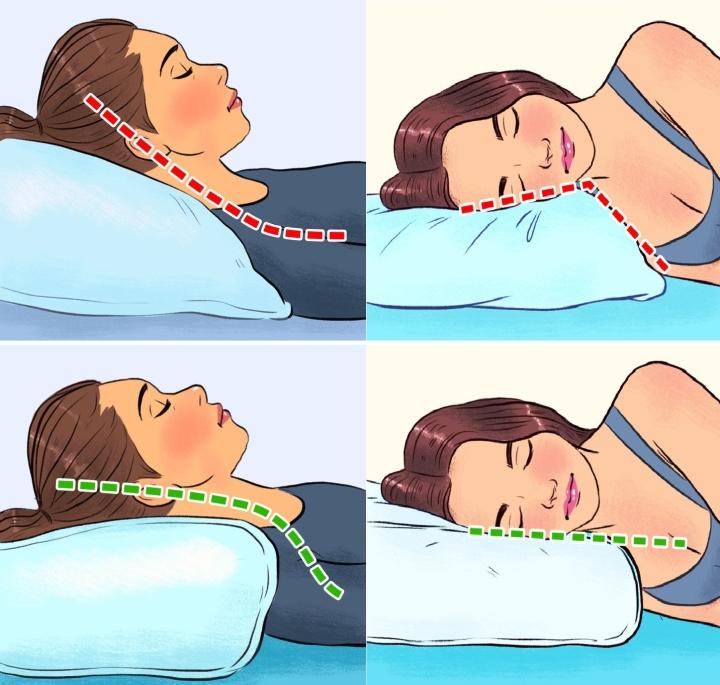
A pillow is one of those purchases we often overcomplicate. I have owned pillows that promised to solve everything except my tendency to read reviews at midnight. The real goal is simpler: your pillow should help keep your head and neck in a comfortable position. Neutral neck alignment is the thing I pay attention to now.
The right pillow depends on how you sleep. Side sleepers usually need enough height to fill the space between the shoulder and head, while back sleepers often need different support. The best pillow choice is the one that supports your usual position without creating new tension.
- Your neck feels supported rather than pushed forward.
- You are not waking with new shoulder or neck discomfort.
- The pillow works with your normal sleeping position.
Sleeping Positions to Minimize Snoring and Sleep Discomfort
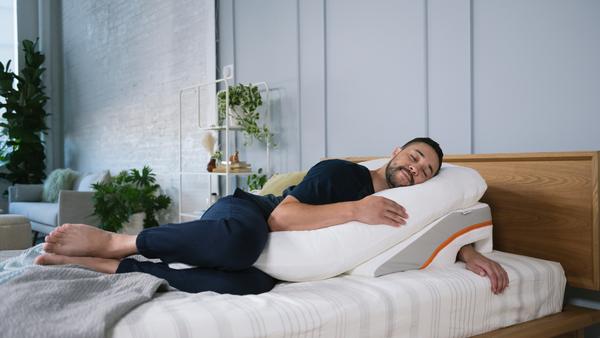
Snoring is one of those nighttime problems that can affect everyone in the room. Changing position is not a guaranteed solution, but side sleeping is often suggested as a first thing to try because lying flat on the back can make airway narrowing more likely for some people. Side sleeping may reduce snoring for some sleepers.
I also think it is important not to turn every snoring issue into a bedroom experiment. If snoring is frequent, severe, or comes with breathing pauses or significant daytime tiredness, it is worth discussing with a healthcare professional. Persistent sleep concerns deserve more than a pillow swap.
Possible benefits of side sleeping
- May support easier breathing for some people
- Can be a simple change to test
Possible limitations
- Does not fix every cause of snoring
- May create shoulder pressure without support
Choosing the Best Sleep Position for Your Body Needs
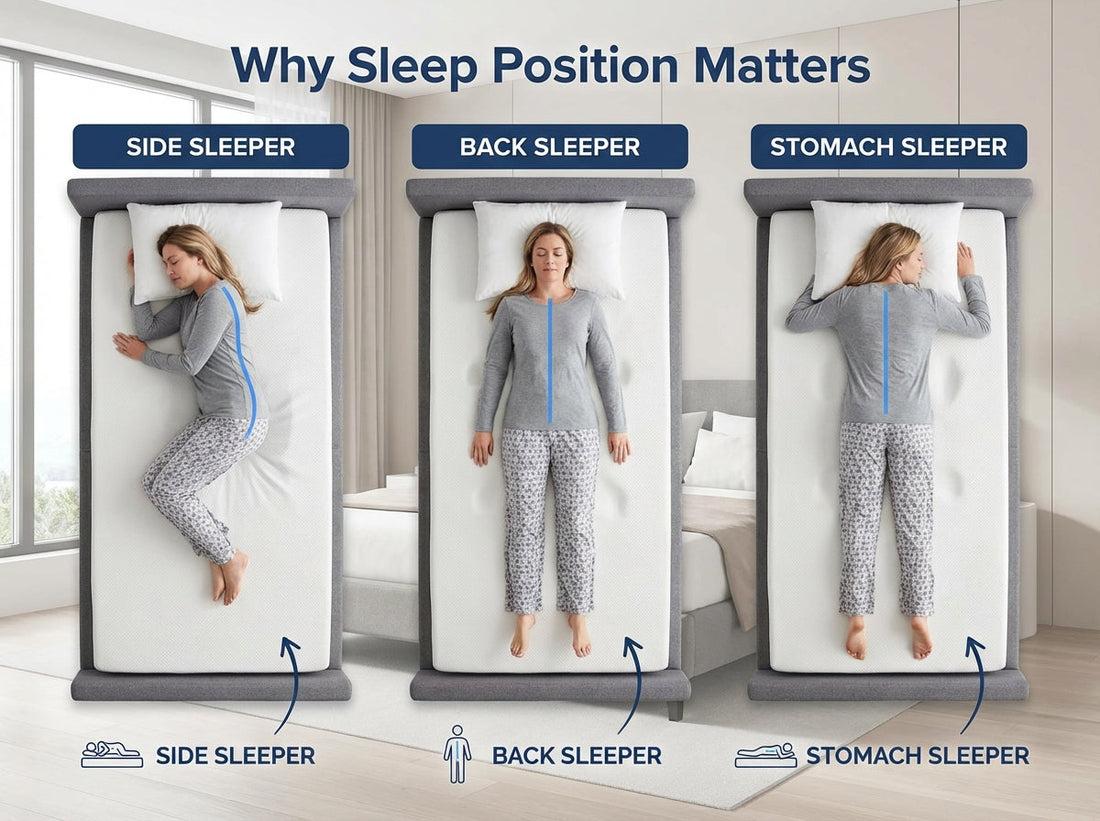
After years of trying to find the “right” sleep setup, I have become much less interested in perfect answers. The best sleep position is usually the one that lets you rest comfortably, breathe well, and wake without unnecessary aches. Your body’s feedback is more useful than a trendy checklist.
Before changing everything, try one small adjustment: move your pillow, add support between your knees, or experiment with a different position for several nights. Sleep is already complicated enough without making bedtime another performance review. A small useful change is often the one that lasts.
My low-effort sleep experiment
Change one thing at a time. That way, you can actually tell what helped instead of ending up with a pile of new bedding and the same tired morning.


 Sleep & Insomnia Solutions13 Natural Ways to Get More Deep Sleep and Wake Up Feeling Rested
 Health & Wellness6 Simple Healthy Habits After 40 That Make Everyday Life Better
 Energy, Hormones & Stress ManagementMenopause und Nachtschweiß – 16 praktische Lösungen für ruhigere Nächte
 Energy, Hormones & Stress Management18 Natural Energy Boosters Without Caffeine That Fit Real Life