

Good sleep can become strangely complicated in midlife. I have learned that the routines I actually keep are the ones that make evenings simpler, not the ones that require a second job after dinner.
Simple sleep habits worth trying
- Create predictable rhythms your body can recognize.
- Reduce evening friction instead of adding endless steps.
- Notice patterns and seek professional advice when sleep problems persist.
These are the sleep hygiene habits I find most practical for women who want better rest without turning bedtime into another project.
Create a Consistent Sleep Schedule

I used to think sleep schedules were only for children. Then I noticed my own evenings became easier when bedtime stopped moving around every night.
Try choosing a realistic sleep and wake time most days. It does not need to be perfect; consistency is more useful than chasing an ideal routine.
Design a Comfortable Sleep Environment

A bedroom does not need a makeover budget to feel better. Sometimes the biggest improvements are small: a better pillow, a cleared bedside table, or lighting that feels less like an office.
I pay attention to anything that creates unnecessary effort at the end of a long day.
Follow a Relaxing Bedtime Routine

My best bedtime routines are not elaborate. A few repeated steps work better than a long checklist I abandon after three nights.
A warm shower, skincare, reading, or preparing tomorrow's essentials can create a gentle transition into rest.
Limit Screen Time Before Bed
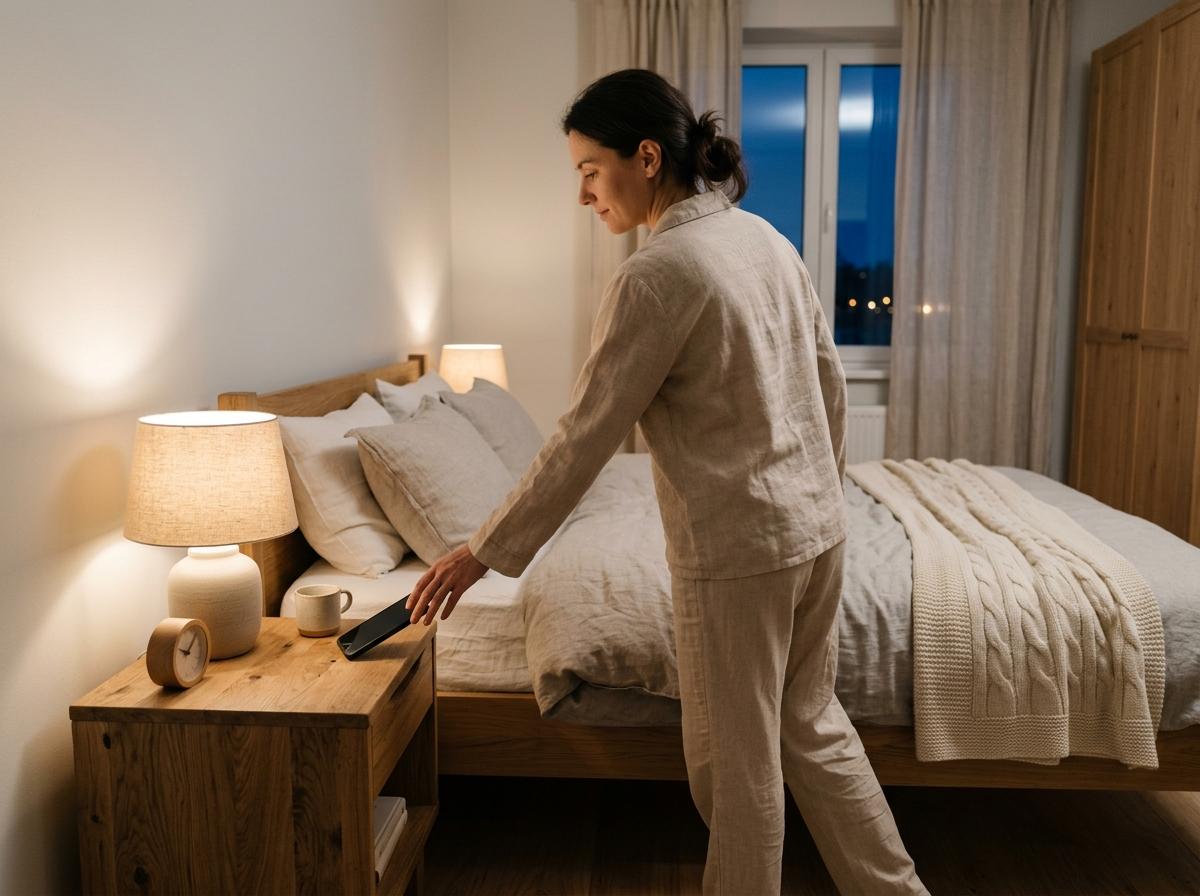
I am not going to pretend I never check my phone at night. I do. But I noticed that scrolling rarely leaves me feeling ready for sleep.
Try moving your phone farther away or creating a short screen-free window before bed.
Choose Sleep-Friendly Evening Foods

Evening eating habits can affect how comfortable bedtime feels. I focus less on rules and more on noticing what leaves me feeling settled.
If certain foods or drinks seem to disrupt your sleep, keeping a simple note can help you spot patterns.
Manage Caffeine Intake Throughout the Day

Coffee is one of life's small pleasures, and I am not interested in giving mine up without a good reason. I simply became more aware of timing.
Experiment with when you have caffeine and see what works for your own routine.
Practice Stress-Relieving Techniques

Some nights my mind treats bedtime like a meeting where every unfinished task needs attention. Simple calming practices can help create a pause.
Breathing exercises, gentle stretching, or writing down tomorrow's tasks may reduce mental clutter.
Exercise at the Right Time for Better Sleep
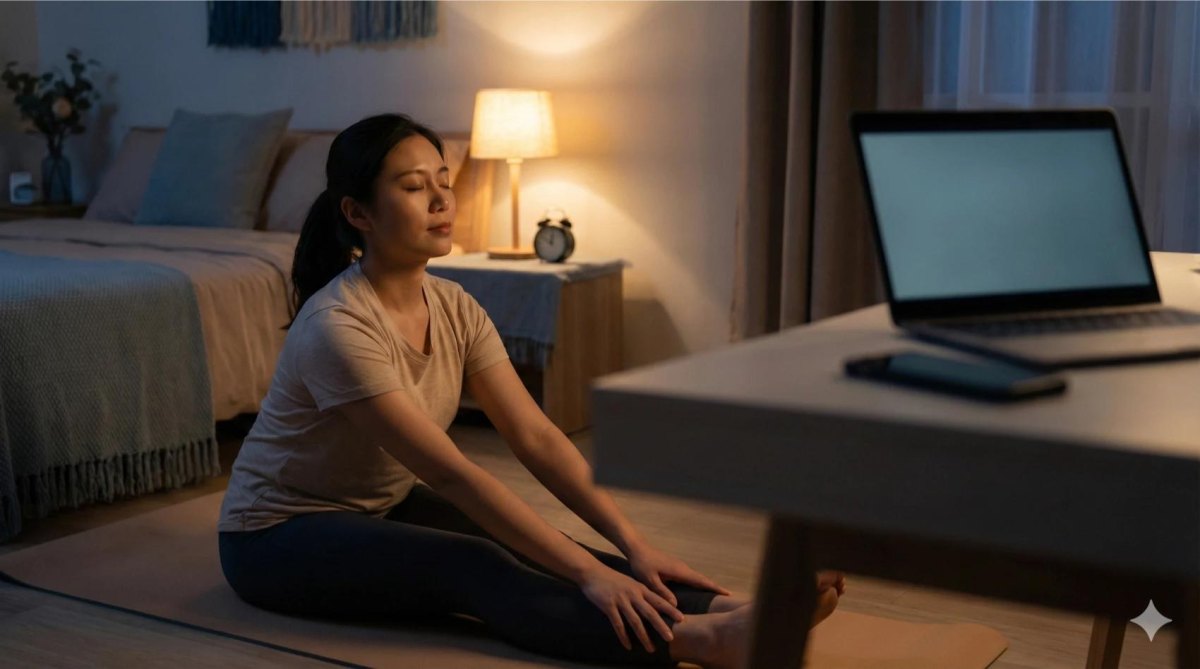
I have found that regular movement supports my overall routine, but the timing matters. A late intense workout is not everyone's ideal evening companion.
Choose movement that fits your energy and schedule rather than adding another obligation.
Keep the Bedroom Cool and Dark

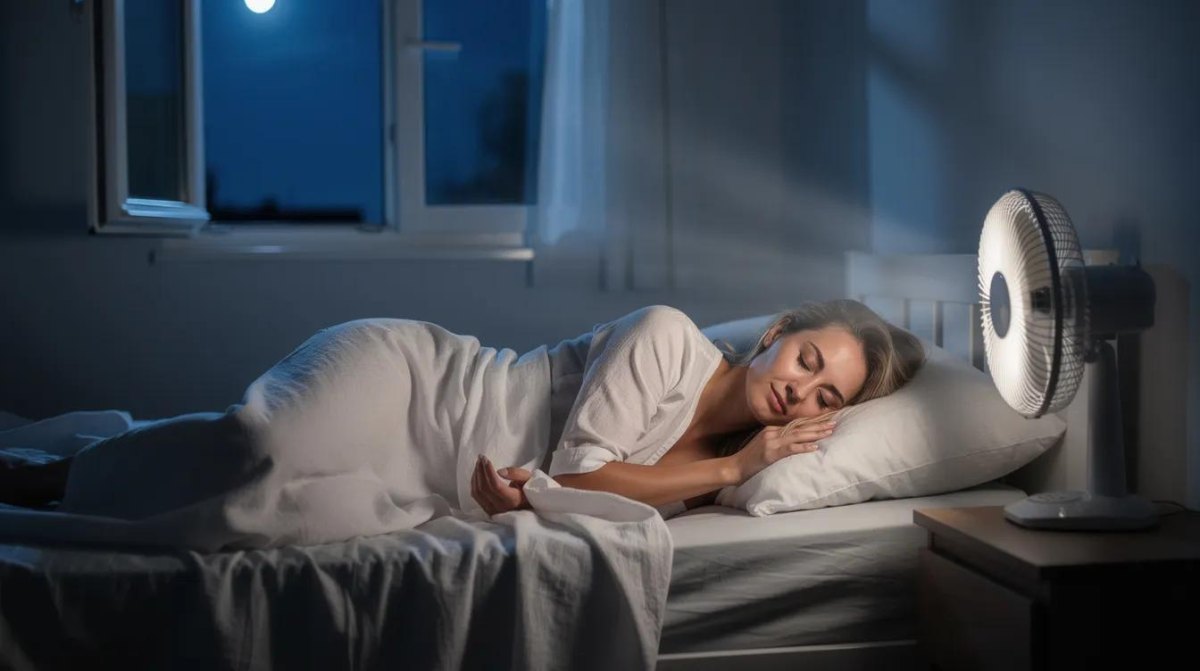
Sometimes the least glamorous fixes are the ones I keep. Adjusting curtains, temperature, or bedding can make a noticeable difference in comfort.
Use Comfortable Sleepwear and Bedding

I have bought plenty of things marketed as sleep improvements. The winners are usually the boring basics that make me more comfortable.
Choose fabrics, pillows, and bedding that suit your preferences and daily life.
Support Hormonal Balance Through Sleep Habits

Midlife bodies change, and sleep can feel less predictable. I focus on supportive habits rather than chasing quick fixes.
If sleep changes are persistent or concerning, it is worth discussing them with a qualified healthcare professional.
Adjust Sleep Habits During Menstrual Cycles

Some women notice sleep patterns shift during their cycles. Keeping track of your own experience can be more useful than assuming every change has one explanation.
Improve Sleep During Pregnancy
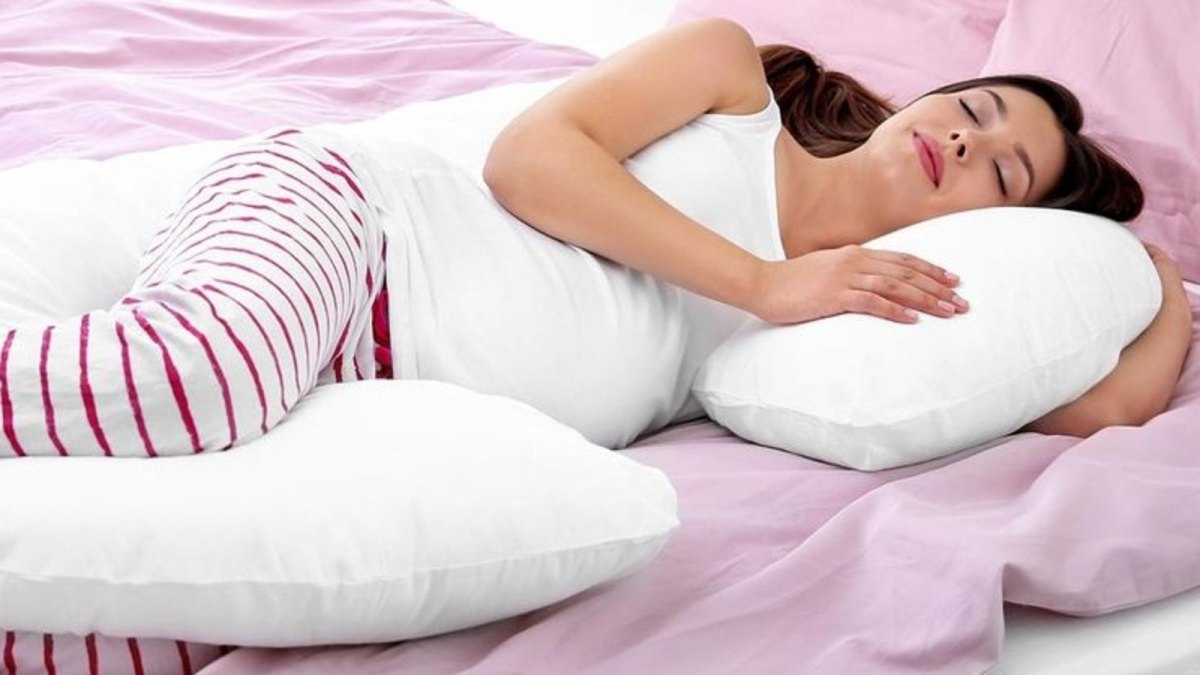
Pregnancy brings its own sleep challenges. Comfort changes, routines, and concerns are personal, so questions are best discussed with a healthcare professional.
Build Healthy Sleep Habits During Menopause

Many women look for a single answer when sleep changes during menopause. My experience has been that small practical adjustments are often the place to start.
Persistent sleep difficulties deserve a conversation with a qualified clinician.
Avoid Heavy Meals Before Bedtime

I do not believe evenings need strict rules. I simply notice that very heavy meals close to bedtime do not always make me feel my best.
Finding your own comfortable rhythm matters more than following someone else's perfect schedule.
Create a Peaceful Morning Routine

Sleep hygiene is not only about nighttime. A calmer morning routine helps create a clearer beginning and a steadier daily rhythm.
Reduce Bedroom Noise and Distractions

Bedrooms collect distractions easily. Laundry piles, bright lights, and unfinished tasks can quietly turn the room into another workspace.
Small resets can make the space feel more restful.
Track Sleep Patterns and Energy Levels

I like tracking when it answers a question. I do not like tracking when it becomes another thing to manage.
A short note about bedtime, waking, and energy may help you notice patterns worth discussing.
Practice Deep Breathing Before Sleep

A few quiet minutes of breathing can be an easy experiment because it costs nothing and requires little preparation.
Maintain Healthy Daytime Light Exposure

Getting outside during the day is one of those habits I appreciate because it supports more than one area of life. A walk with my dog often works as a reset between tasks.
Know When to Seek Help for Sleep Problems

Lifestyle changes can be useful, but they are not a substitute for medical advice when sleep problems are new, severe, worsening, or affecting daily life.
When should I talk with a healthcare professional about sleep?
Consider seeking guidance if sleep difficulties persist, feel significant, or are affecting your wellbeing.
Do I need a complicated bedtime routine?
No. The routines most likely to last are usually the ones that fit your actual life.


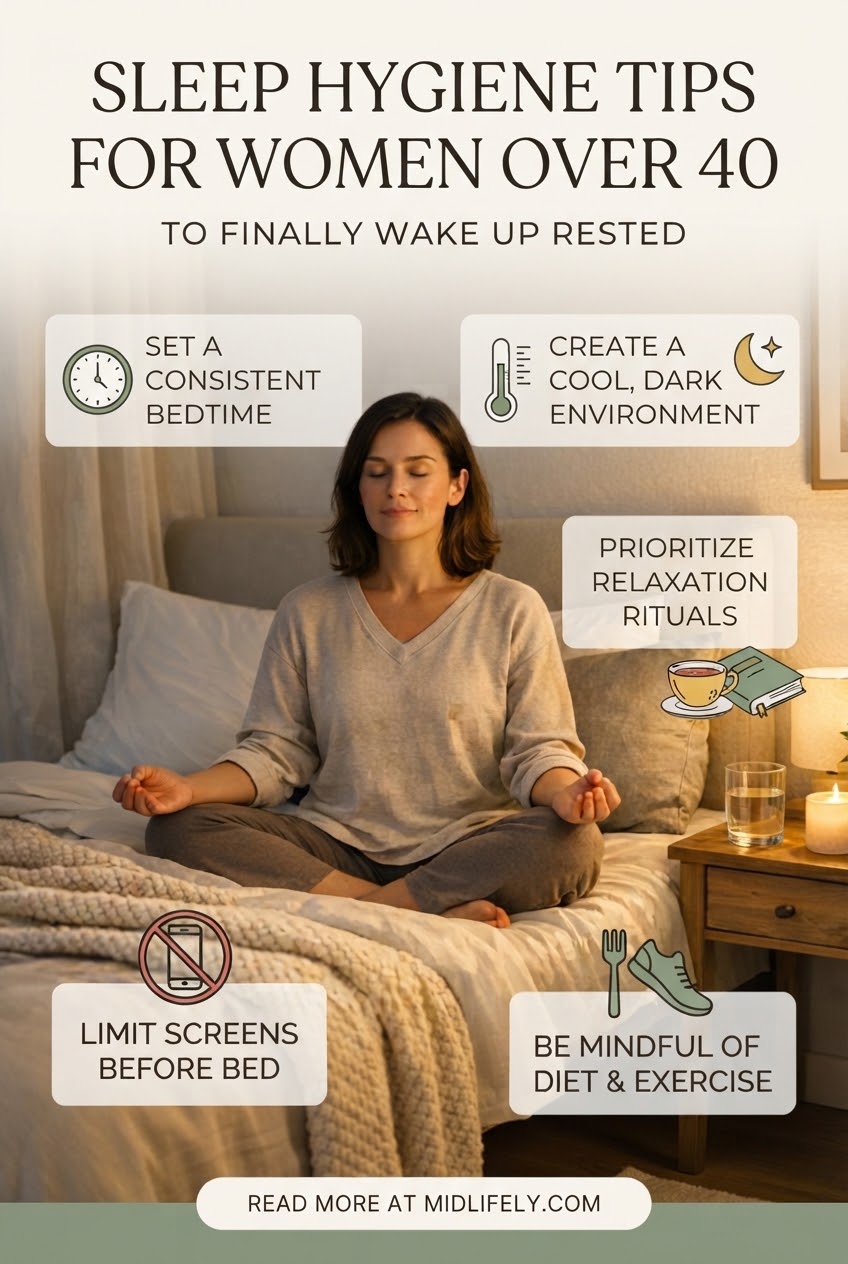
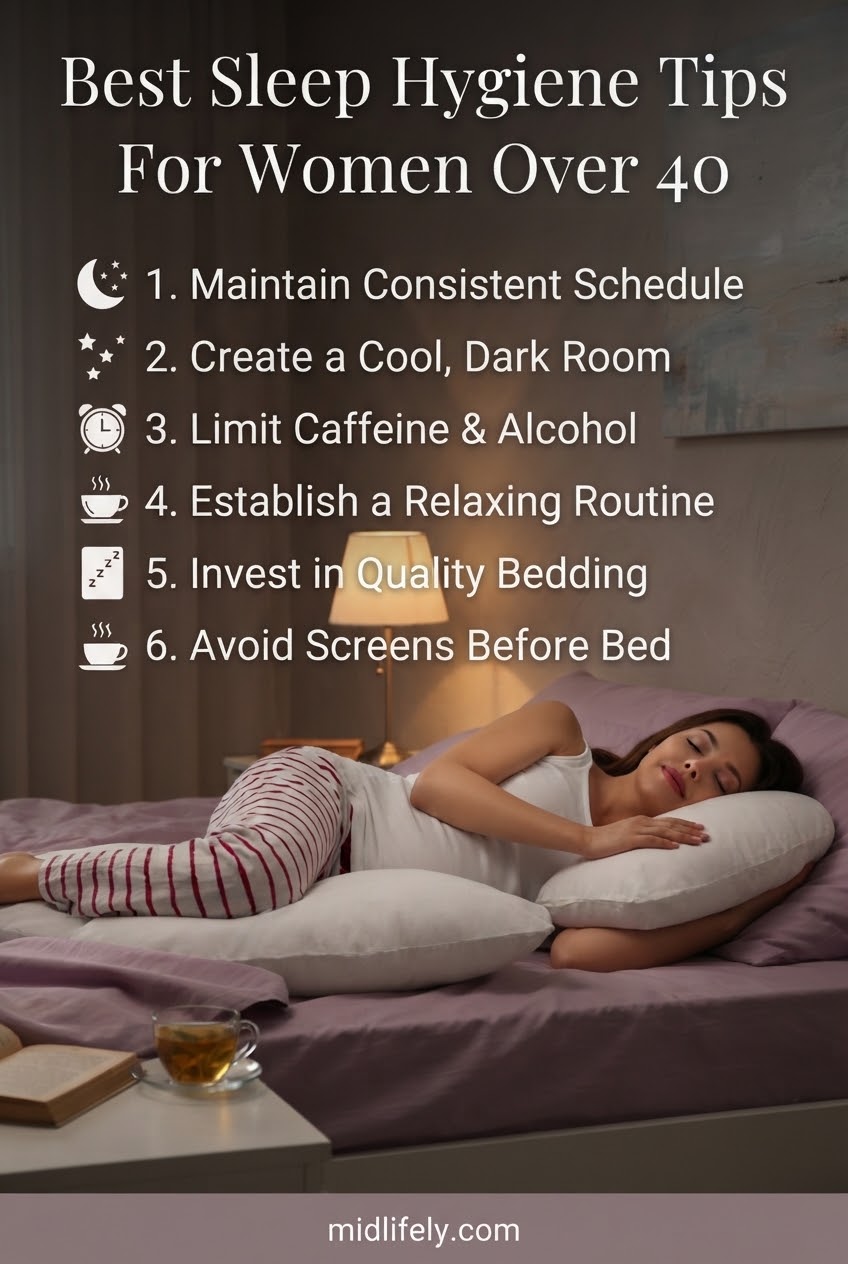
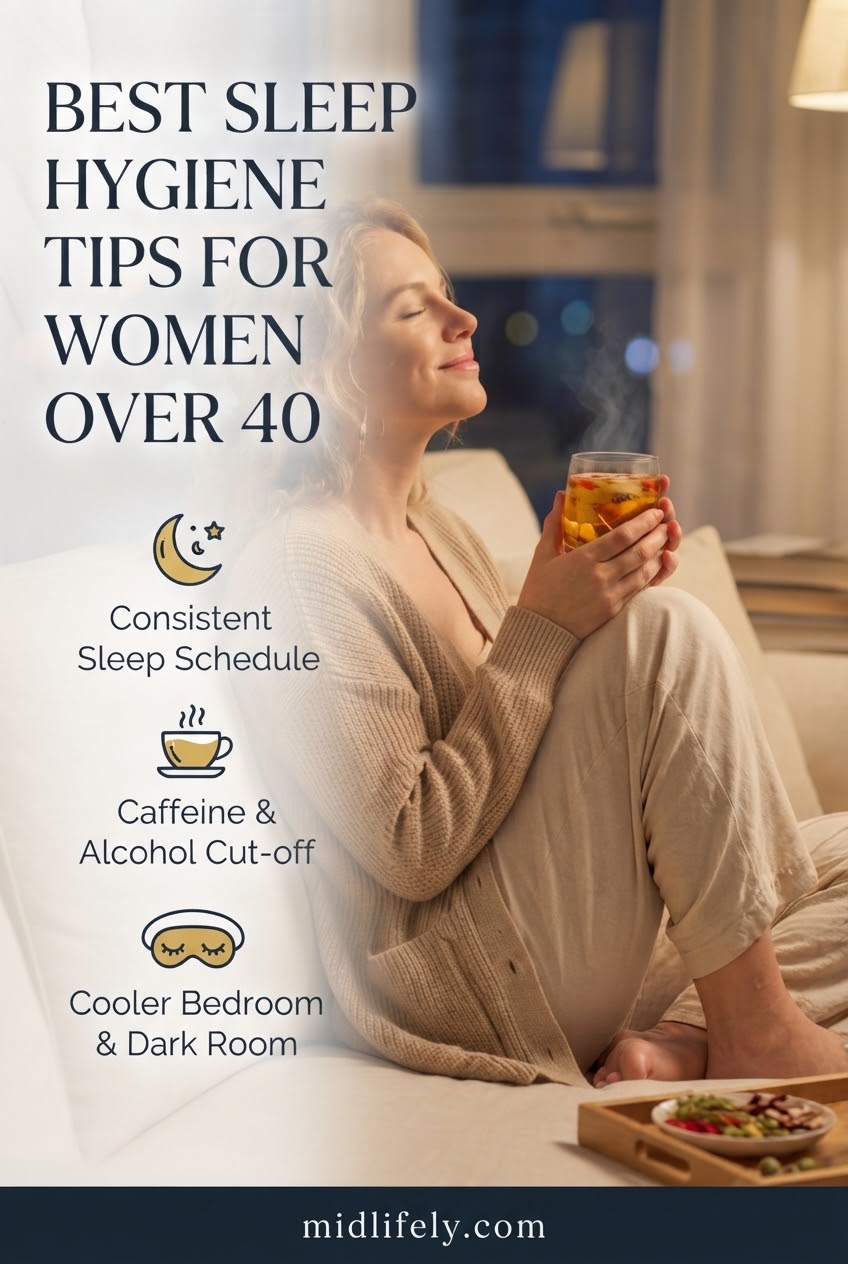
More Pinterest Visuals

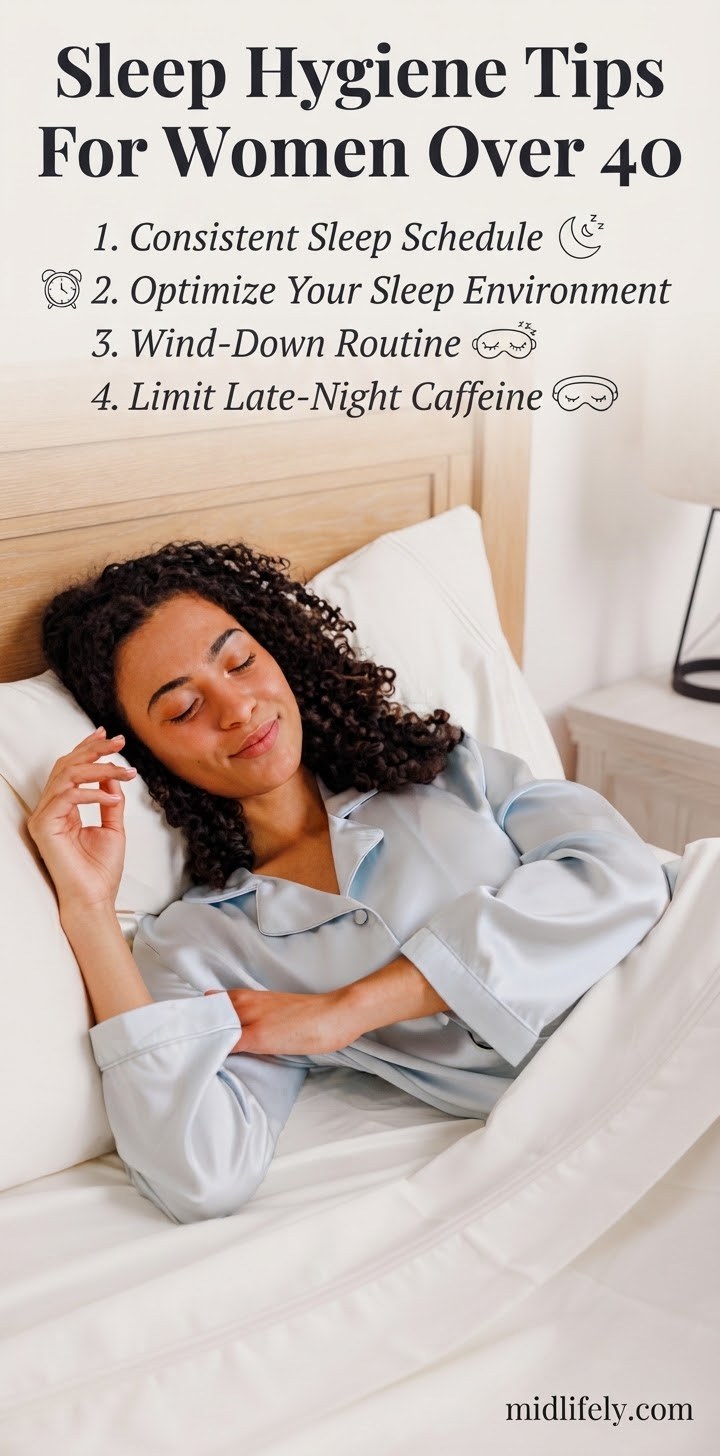
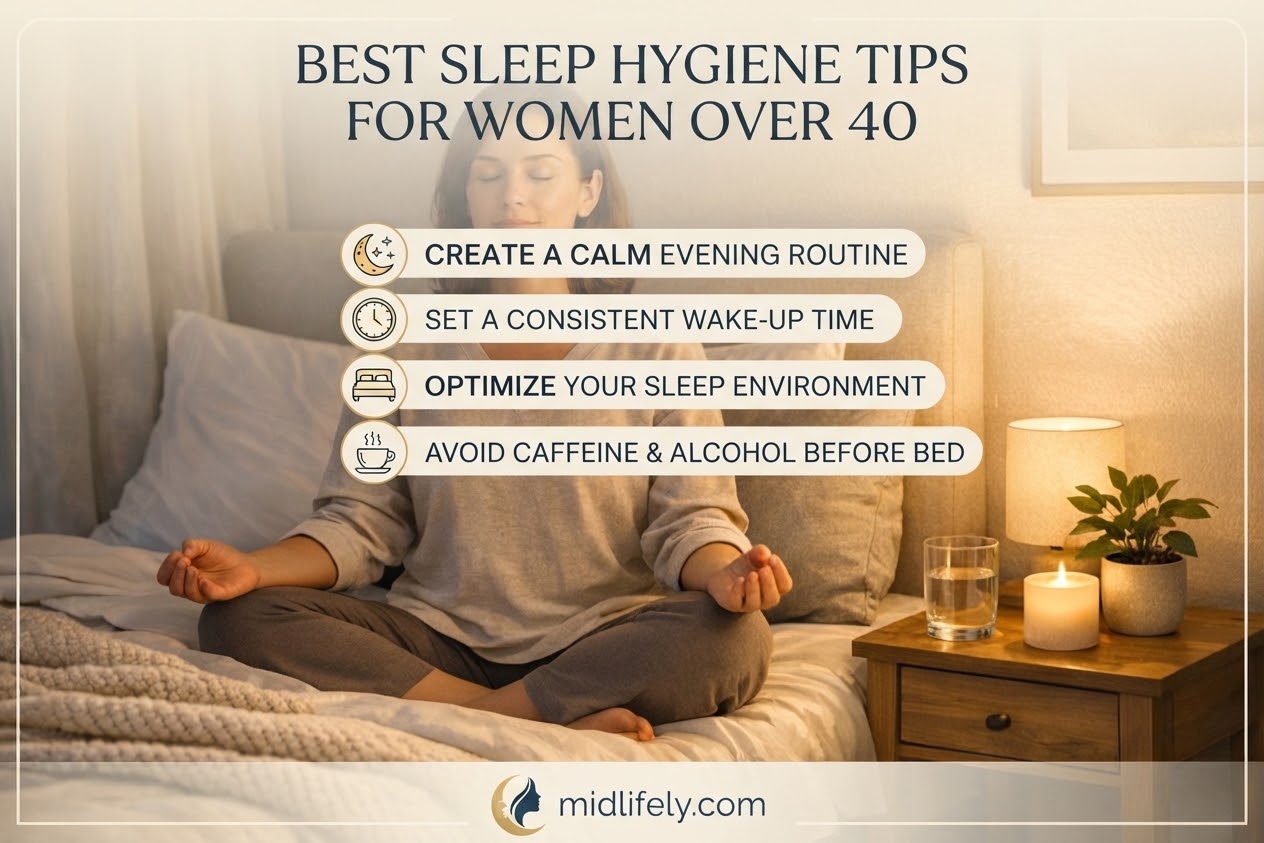





 Sleep & Insomnia Solutions13 Natural Ways to Get More Deep Sleep and Wake Up Feeling Rested
 Health & Wellness6 Simple Healthy Habits After 40 That Make Everyday Life Better
 Energy, Hormones & Stress ManagementMenopause und Nachtschweiß – 16 praktische Lösungen für ruhigere Nächte
 Energy, Hormones & Stress Management18 Natural Energy Boosters Without Caffeine That Fit Real Life