
 28.09.2026
Midlife has a funny way of making complicated advice feel even more complicated. I have found that the habits worth keeping are usually the ones that fit into an ordinary Tuesday, not the ones that require a complete life overhaul.
These daily habits after 40 focus on steady routines, practical choices, and small adjustments that can make everyday life easier. I am sharing what has helped me, along with general wellness information, not medical advice.
Start the Day with a Consistent Morning Routine

I stopped chasing elaborate morning rituals and focused on a simple morning rhythm. A glass of water, daylight, a little movement, and knowing my first task made more difference than a long checklist. Research-backed guidance often emphasizes realistic routines rather than one perfect formula.
The low-energy version is simple: open the curtains, drink something, and decide what matters today.
Prioritize Daily Movement and Exercise
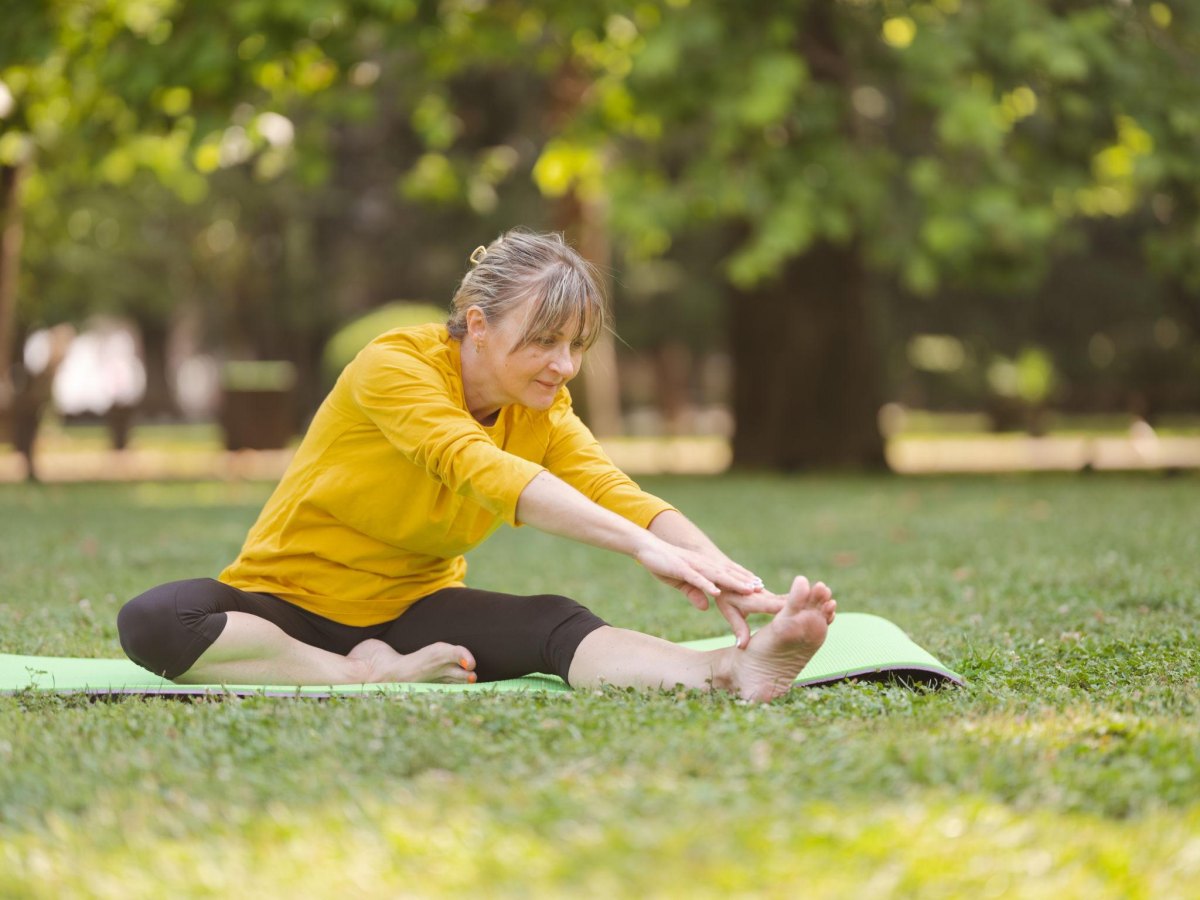
I no longer think movement has to mean a heroic workout. A walk, stretching, or a short exercise session can support everyday strength and mobility. Current guidance continues to emphasize regular physical activity for adults.
The habit that stayed was the one I could repeat, not the one that looked impressive on Monday.
Eat a Balanced Protein-Rich Breakfast

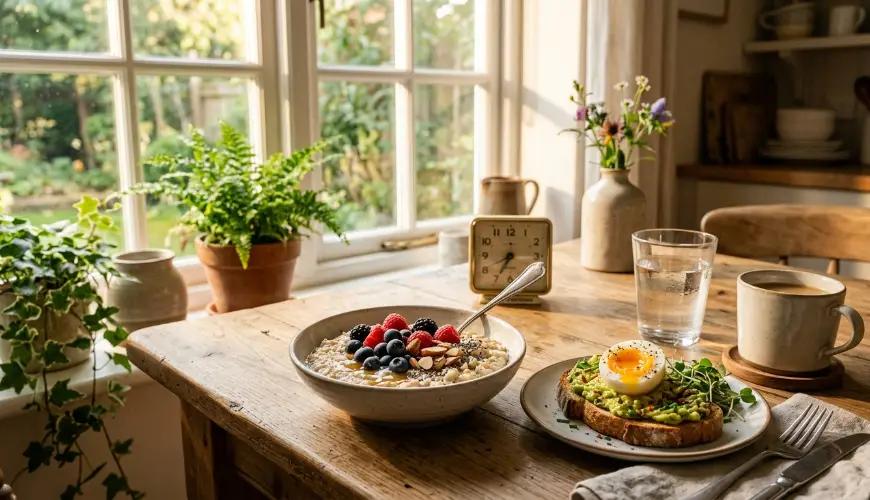
Breakfast became less about following a trend and more about creating a meal that actually carried me through the morning. Adding protein at breakfast can be a useful nutrition strategy, although individual needs vary.
I prefer simple options that do not create another cooking project.
Drink Enough Water Throughout the Day

I keep water visible because apparently my future self is not always reliable. A simple reminder helps me maintain consistent hydration habits without turning it into a complicated wellness challenge.
The goal is not perfection; it is noticing what helps me feel more comfortable during the day.
Protect Skin with a Simple Skincare Routine

My skincare shelf became much happier when I reduced it. A basic skincare routine with cleansing, moisturizing, and sun protection is easier to maintain than a crowded bathroom counter. Dermatology sources continue to emphasize sun protection and gentle care.
I like products that earn their place instead of demanding attention.
Get Quality Sleep Every Night

Sleep became one of those things I could not bully into submission. A calmer evening, a comfortable bedroom, and a regular schedule became more useful than constantly buying new solutions for better sleep habits.
If sleep problems are persistent or concerning, I would discuss them with a qualified healthcare professional rather than endlessly experimenting.
Practice Daily Stress Management
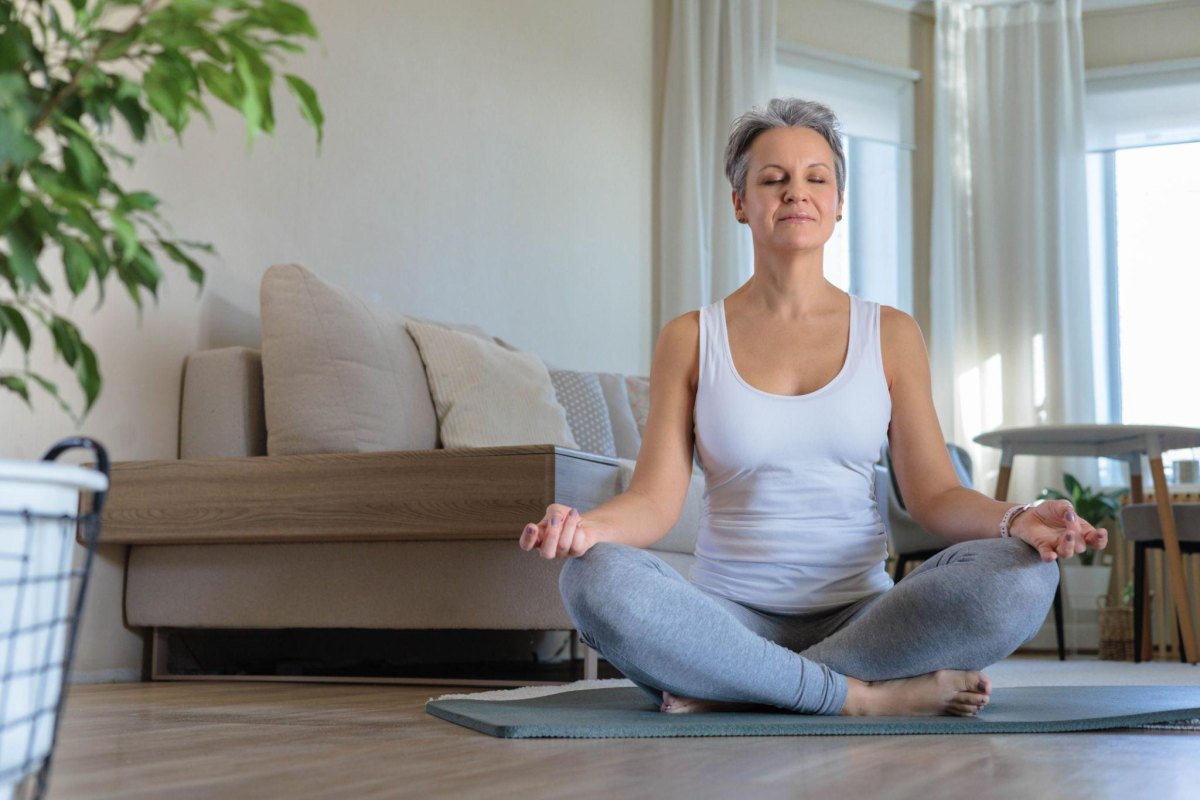
I used to think stress management required a large block of free time. Now I look for small pauses, because tiny resets are more realistic in a busy week.
A short walk, quiet coffee, or breathing exercise can be a useful personal experiment, not a magic solution.
Spend Time Outdoors for Fresh Air and Sunlight

Walking outside became my easiest mood shift. Time outdoors adds a natural transition between work, chores, and the rest of life, creating a simple outdoor habit I rarely regret.
I do not need a dramatic nature retreat; sometimes the dog walk is enough.
Maintain Strong Social Connections

Friendships in midlife often need more intention. Sending the text, suggesting the walk, and making the plan matters because social connection supports wellbeing.
I have learned that regular small contact often works better than waiting for a perfect evening together.
Read and Keep Learning New Skills

Learning something new reminds me that life is not finished changing just because I have a few more years behind me. A book, class, or curiosity project can become a daily learning habit.
The goal is enjoyment, not proving anything.
Plan Healthy Meals Ahead of Time

Meal planning works for me when it removes decisions, not when it creates another job. A few prepared ingredients make healthy meals easier on busy days.
I plan enough to help myself, not enough to require a spreadsheet.
Practice Strength Training Regularly
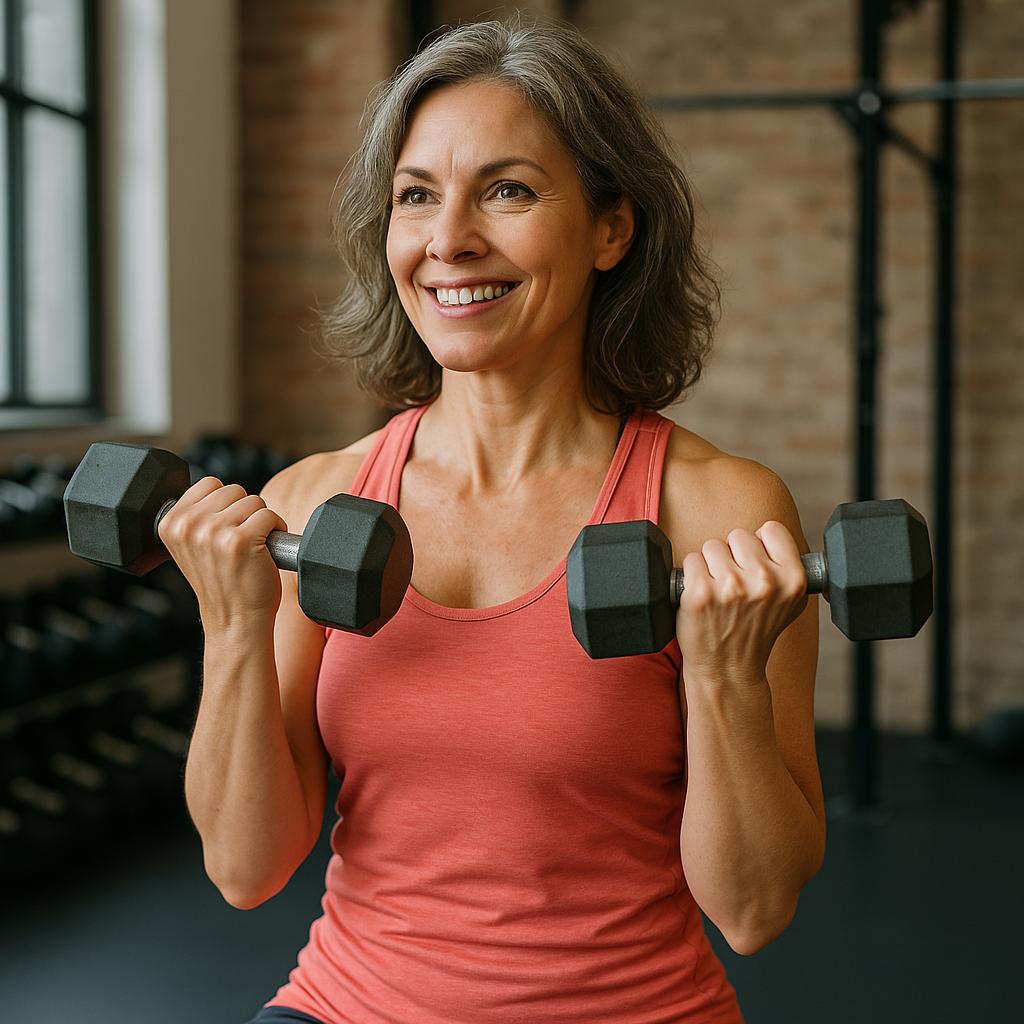
Strength training became less about changing my appearance and more about supporting functional strength. Research highlights the value of maintaining strength and mobility as adults age.
I prefer routines that fit my schedule and that I can recover from.
Take Time for Personal Hobbies

Hobbies are not wasted time. They create room for interest, creativity, and connection. Research reviews have linked hobbies with aspects of wellbeing, while also noting more research is needed.
I think a hobby should feel like a doorway, not another obligation.
Keep a Positive Mindset Journal

Journaling gives me a place to notice patterns instead of carrying every thought around in my head. Gratitude practices have shown small wellbeing benefits in research, though they are not a cure for difficult emotions.
A few honest lines are enough for a mindful journal habit.
Schedule Regular Health Checkups

I view checkups as maintenance rather than a sign that something is wrong. Keeping up with appropriate appointments helps me have informed conversations about my personal health needs.
Lifestyle habits support wellbeing, but they do not replace professional medical guidance.
Limit Digital Distractions

My phone can quietly steal an evening before I notice. Creating small boundaries around screens helps protect attention and downtime.
I do not aim for a perfect digital detox; I simply want my time to feel like mine.
Maintain Good Posture and Mobility

Mobility matters because daily life asks us to bend, lift, reach, and move comfortably. Gentle exercises that support body mobility can be easier to maintain than occasional intense efforts.
I focus on feeling capable rather than chasing perfection.
Create a Calm Evening Wind-Down Routine

My evenings improved when I stopped trying to optimize every minute. A quieter routine signals that the day is ending and creates space for rest.
Sometimes the best evening habit is simply doing less.
Set Daily Goals and Priorities

I stopped writing impossible lists. Choosing a few meaningful tasks creates realistic daily priorities and reduces the feeling of constantly falling behind.
A useful plan should support life, not become another source of pressure.
Practice Self-Care and Confidence Building
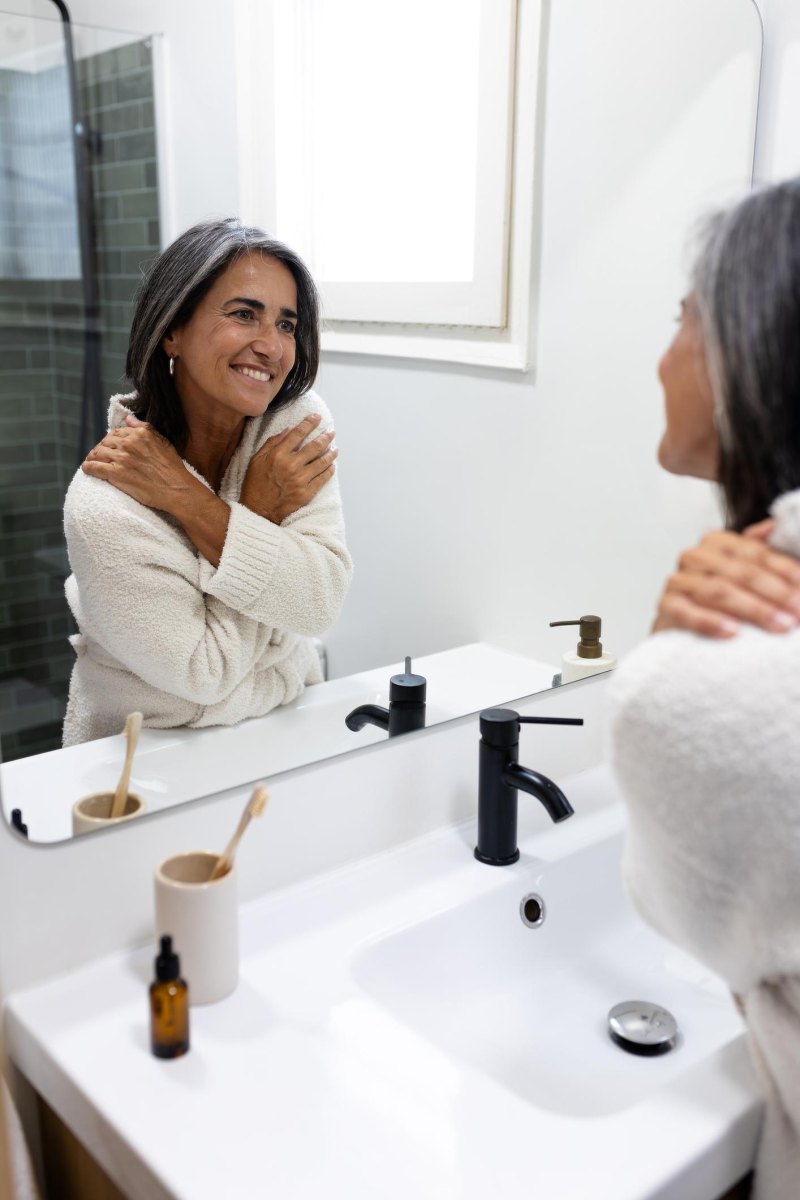
Self-care is often portrayed as a luxury purchase, but I find it is usually about small acts of respect toward myself. Comfortable clothes, rest, and keeping promises to myself build everyday confidence.
Midlife does not require becoming a new person. Sometimes it simply requires making life fit better.



 Sleep & Insomnia Solutions13 Natural Ways to Get More Deep Sleep and Wake Up Feeling Rested
 Health & Wellness6 Simple Healthy Habits After 40 That Make Everyday Life Better
 Energy, Hormones & Stress ManagementMenopause und Nachtschweiß – 16 praktische Lösungen für ruhigere Nächte
 Energy, Hormones & Stress Management18 Natural Energy Boosters Without Caffeine That Fit Real Life