
 11.09.2026
When people search for metabolism boosting foods after 40, they are often looking for a magic ingredient that will make their body behave like it did twenty years ago. I understand the temptation. I have opened enough wellness articles promising a “reset” to know how quickly those claims become exhausting. The more useful approach is usually much simpler: choosing foods that provide protein, fiber, healthy fats, and steady nourishment while fitting into an ordinary week.
Protein-Rich Foods That Support Metabolism After 40
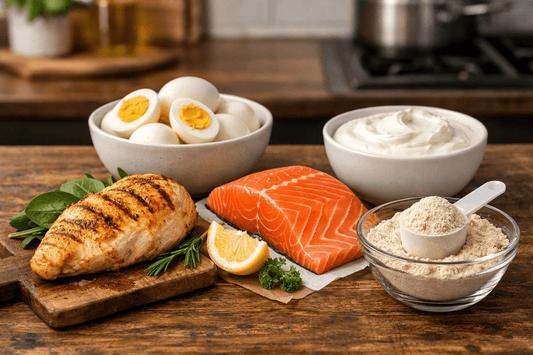
Protein is one of the first places I look when I am thinking about meals that actually keep me going through a busy afternoon. After 40, many of us are paying more attention to maintaining strength and feeling satisfied after meals, and protein-rich foods can be part of that bigger picture. Current dietary guidance emphasizes including a variety of protein foods such as seafood, eggs, beans, nuts, seeds, and lean meats as part of a balanced eating pattern.
My practical protein picks
- Greek yogurt for an easy breakfast base
- Eggs when I need something quick and reliable
- Salmon, chicken, beans, or lentils for simple dinners
- Nuts and seeds when I need a no-cooking option
I am less interested in turning every meal into a nutrition project. The low-effort version is simply adding a dependable protein source to meals I already make. A bowl of oatmeal becomes more filling with yogurt or nuts. A salad becomes more substantial with beans or chicken. Small changes tend to survive longer than ambitious overhauls.
Fiber-Filled Vegetables That Help Maintain a Healthy Metabolic Rate
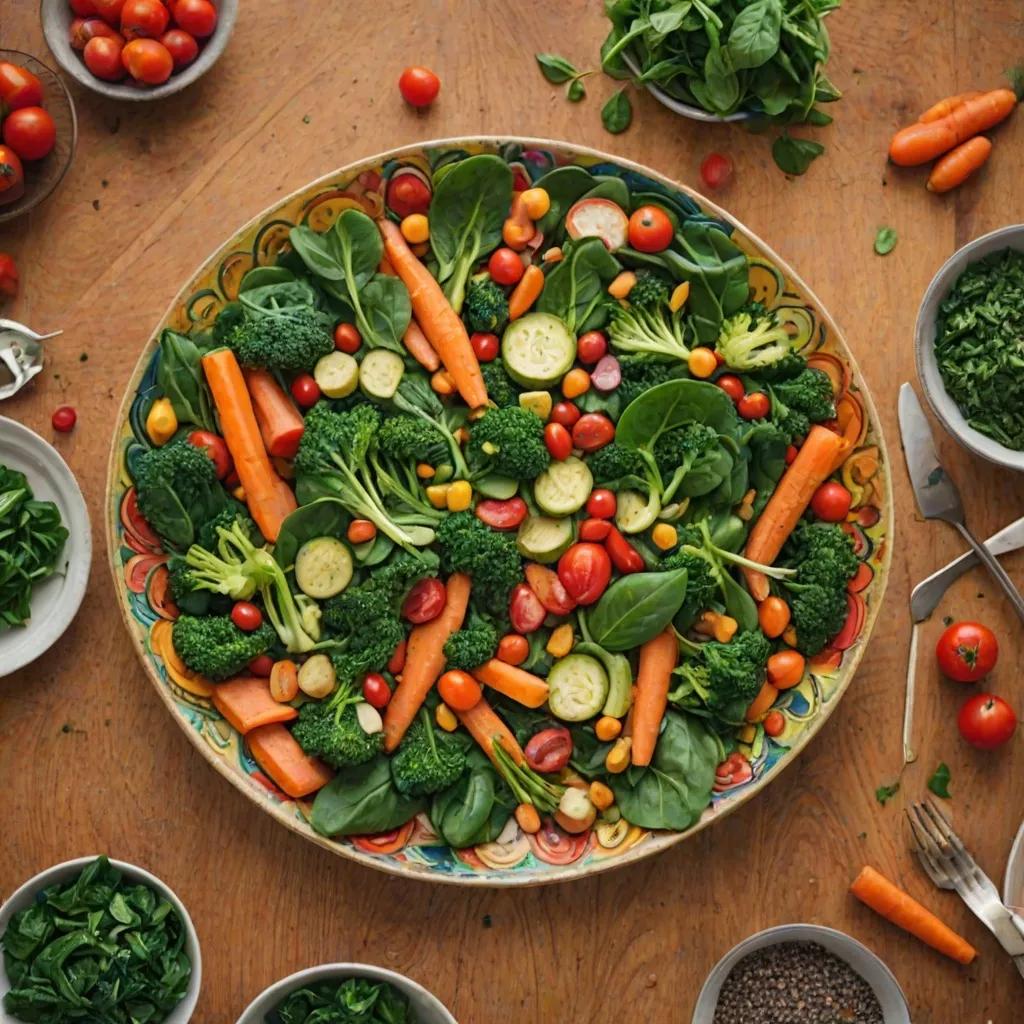
Vegetables are not glamorous, which may be exactly why they are easy to overlook. They do not come with dramatic before-and-after promises, but fiber-rich vegetables support a balanced eating pattern and can help meals feel more satisfying. Fiber is found naturally in foods including vegetables, fruits, legumes, nuts, seeds, and whole grains.
- Leafy greens: Easy additions to eggs, soups, wraps, and salads.
- Broccoli and cauliflower: Flexible vegetables that roast well and keep their texture.
- Beans and lentils: Budget-friendly options that add both fiber and plant protein.
- Peppers and carrots: Simple choices for snacks and quick meals.
My weekday shortcut
I keep frozen vegetables available. They are not a sign that I have failed at meal planning; they are a sign that I have met myself on a Wednesday evening when enthusiasm is limited.
Fat-Burning Healthy Fats: Avocado, Nuts, and Olive Oil
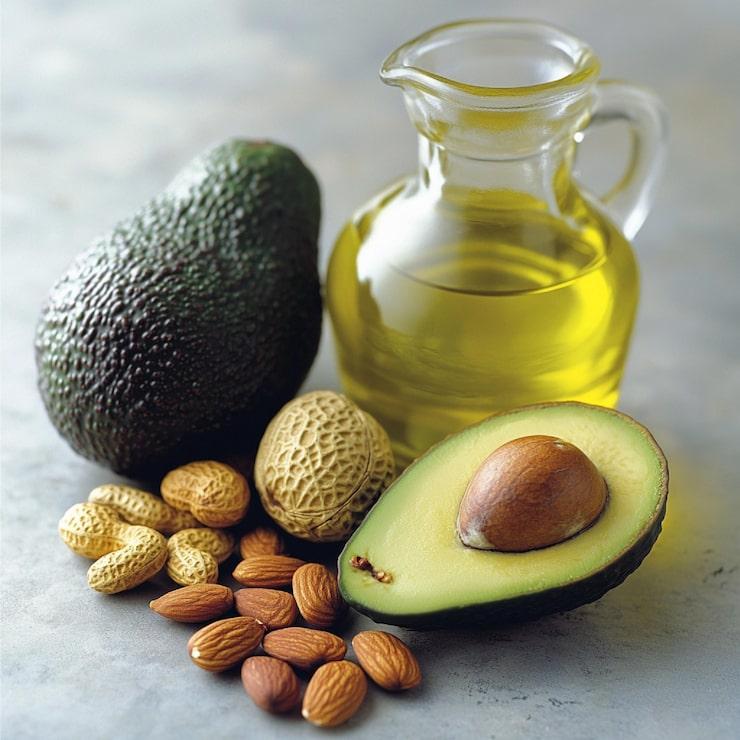
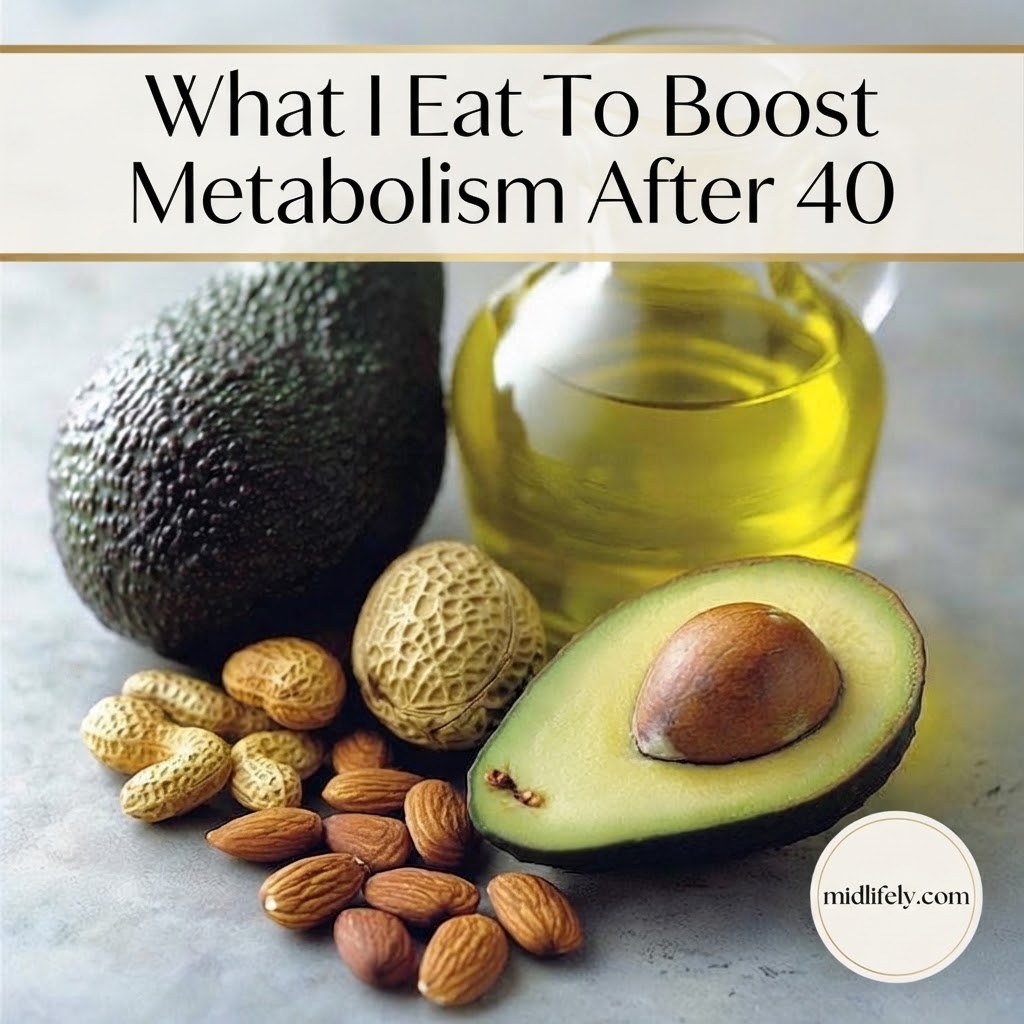
The phrase “fat-burning foods” gets used a lot online, but I prefer a more grounded view. Foods like avocado, nuts, and olive oil are not magic switches for metabolism. They are nutrient-rich foods that can add flavor, texture, and satisfying fats to meals.
Healthy fats are part of dietary patterns that include minimally processed foods. The goal is not to fear fat or chase it; it is to choose foods that make meals enjoyable enough to repeat.
Why I keep these foods around
- They make simple meals taste better.
- They pair well with vegetables and protein.
- They require very little preparation.
What I remember
- Healthy does not mean unlimited.
- Some options are more expensive.
- Portions still matter for everyday balance.
Spices and Herbs That May Support Metabolic Function
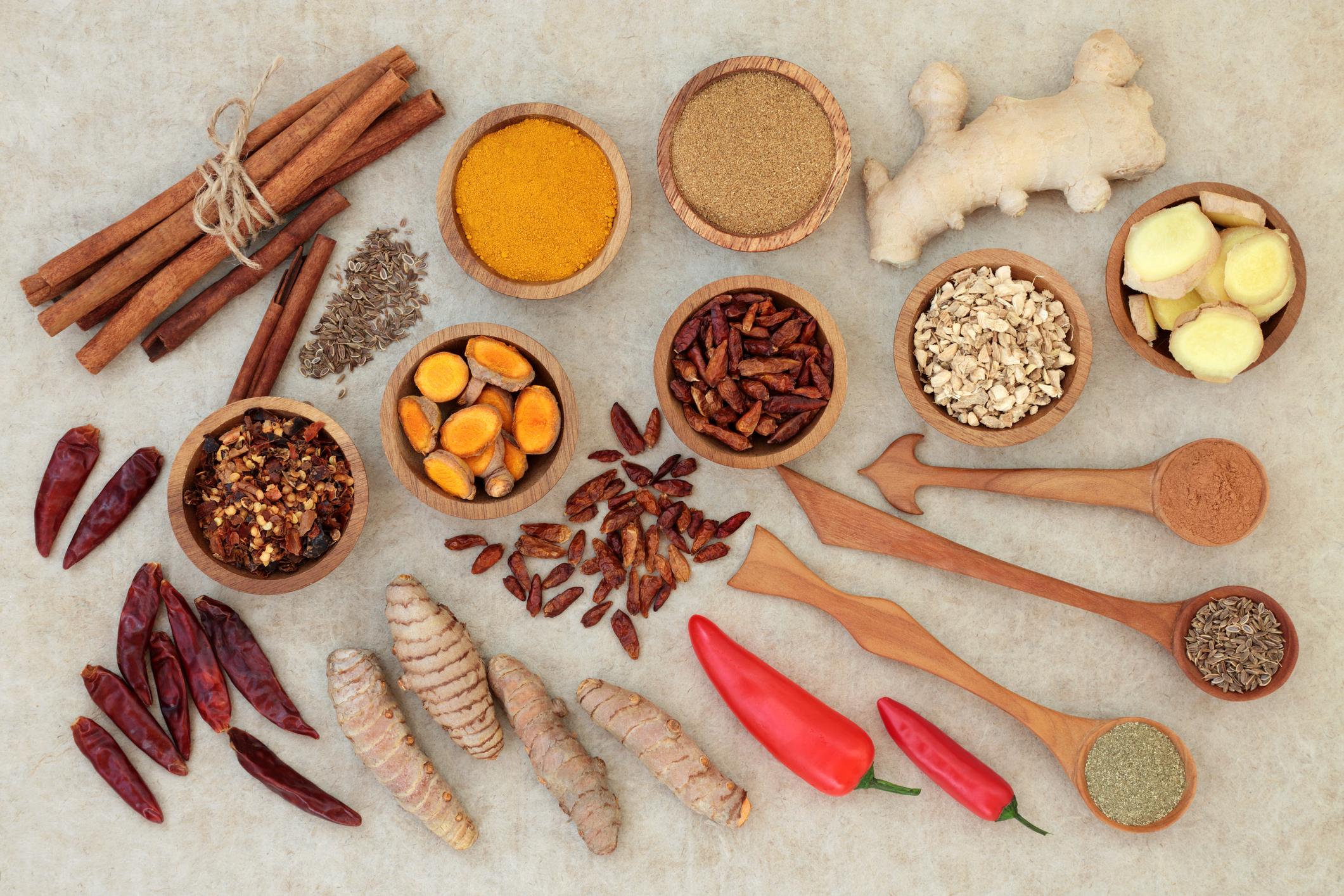
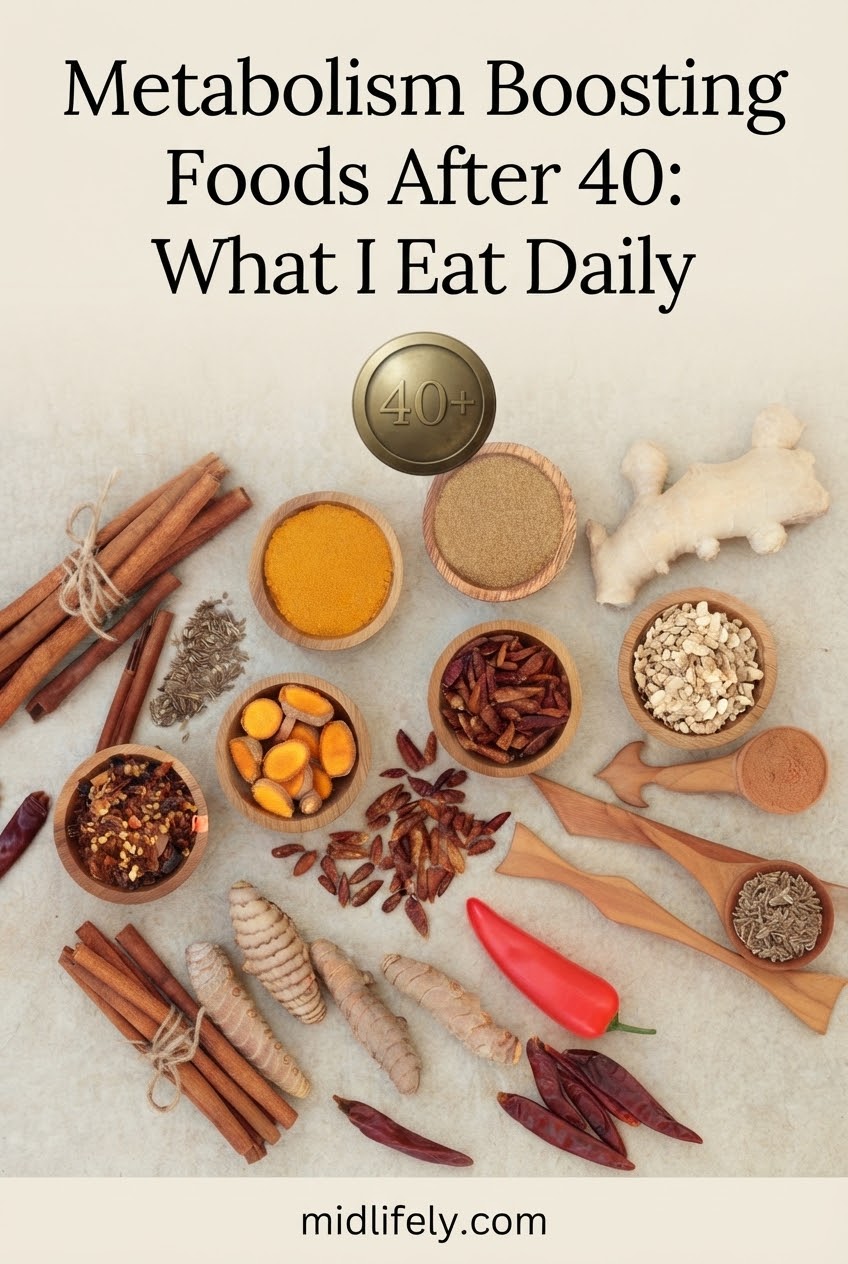
One of my favorite ways to make healthier meals feel less like a compromise is adding flavor. Spices and herbs such as ginger, turmeric, cinnamon, basil, rosemary, and thyme can make ordinary food much more appealing without requiring complicated recipes. Guidance from nutrition organizations often recommends using herbs and spices to build flavor while reducing reliance on heavily processed additions.
The spice drawer test
I once bought a collection of spices with the enthusiasm of someone starting a cooking show. Most of them sat untouched. Now I keep a smaller group I actually use: cinnamon for breakfast, ginger for sauces, and a few herbs for vegetables. The best system is the one you will repeat.
I think of spices as a pleasure upgrade, not a treatment. They help me enjoy the meals I already want to eat.
Green Tea and Other Metabolism-Friendly Beverages

Green tea often appears in conversations about metabolism, but I prefer to keep expectations realistic. A beverage can be part of a healthy routine, but it is not going to compensate for poor sleep, stress, or a diet that does not work for your life.
A simple beverage rule
Water remains the everyday foundation for hydration. If you enjoy green tea, unsweetened tea can be a pleasant addition rather than another health assignment to manage.
I keep tea around because I like the ritual. The warm mug, the pause between tasks, and the reminder to slow down are benefits I actually notice.
Whole Grains That Provide Long-Lasting Energy After 40
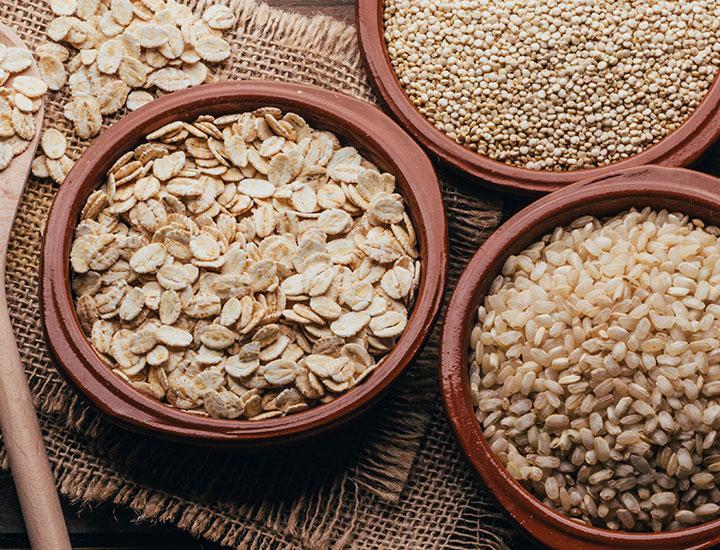
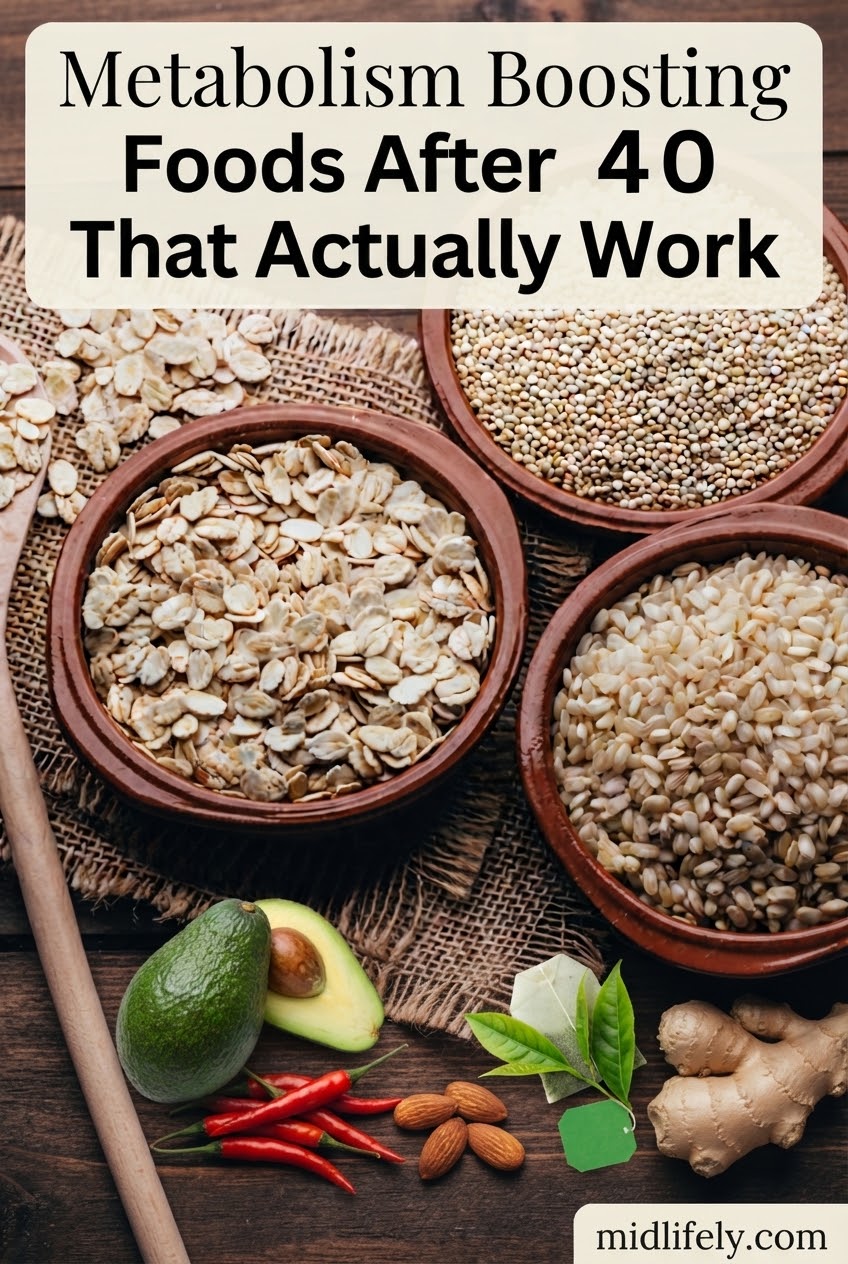
Somewhere along the way, carbohydrates became the villain in many nutrition conversations. I find that approach unnecessarily complicated. Whole grains such as oats, quinoa, brown rice, and whole-grain breads can be useful parts of balanced meals because they provide fiber and nutrients.
- Choose. Pick whole-grain versions of foods you already enjoy rather than replacing your entire kitchen.
- Combine. Pair grains with protein and vegetables for a meal that feels complete.
- Prepare. Cook extra portions when possible so tomorrow’s lunch requires less effort.
My favorite low-energy version is overnight oats. It takes a few minutes, then tomorrow’s breakfast is already handled.
Berries and Low-Sugar Fruits for Metabolic Health
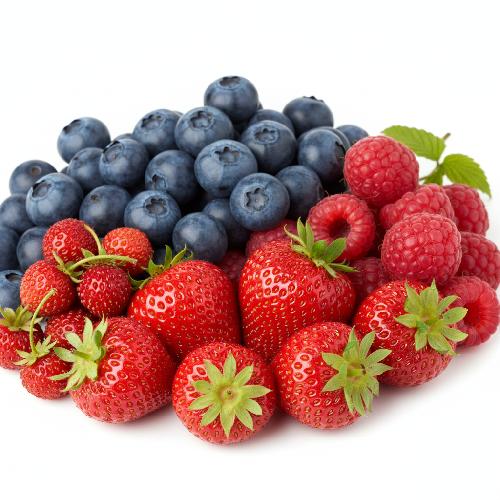
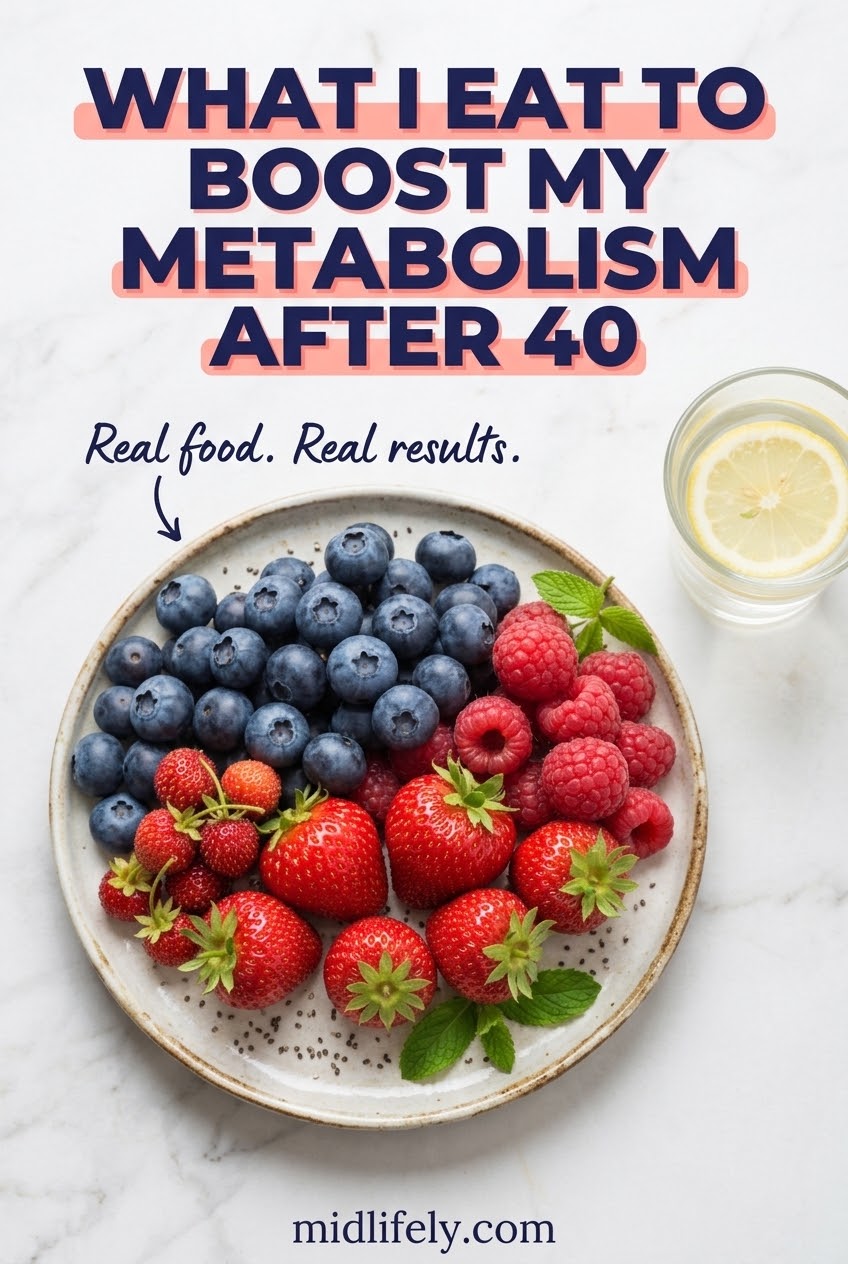
Fruit sometimes gets treated suspiciously in wellness spaces, which I find unfortunate. Whole fruits such as berries provide fiber, vitamins, and natural sweetness. They can be an easy way to make meals feel more enjoyable without turning eating into a punishment exercise.
- Add berries to yogurt or oatmeal.
- Keep washed fruit visible and easy to grab.
- Choose whole fruit more often than fruit-flavored snacks.
- Use frozen berries when fresh ones are expensive or out of season.
The foods I return to are usually the ones that require the least negotiation with myself. Berries pass that test.
Fermented Foods That Support Gut Health and Metabolism
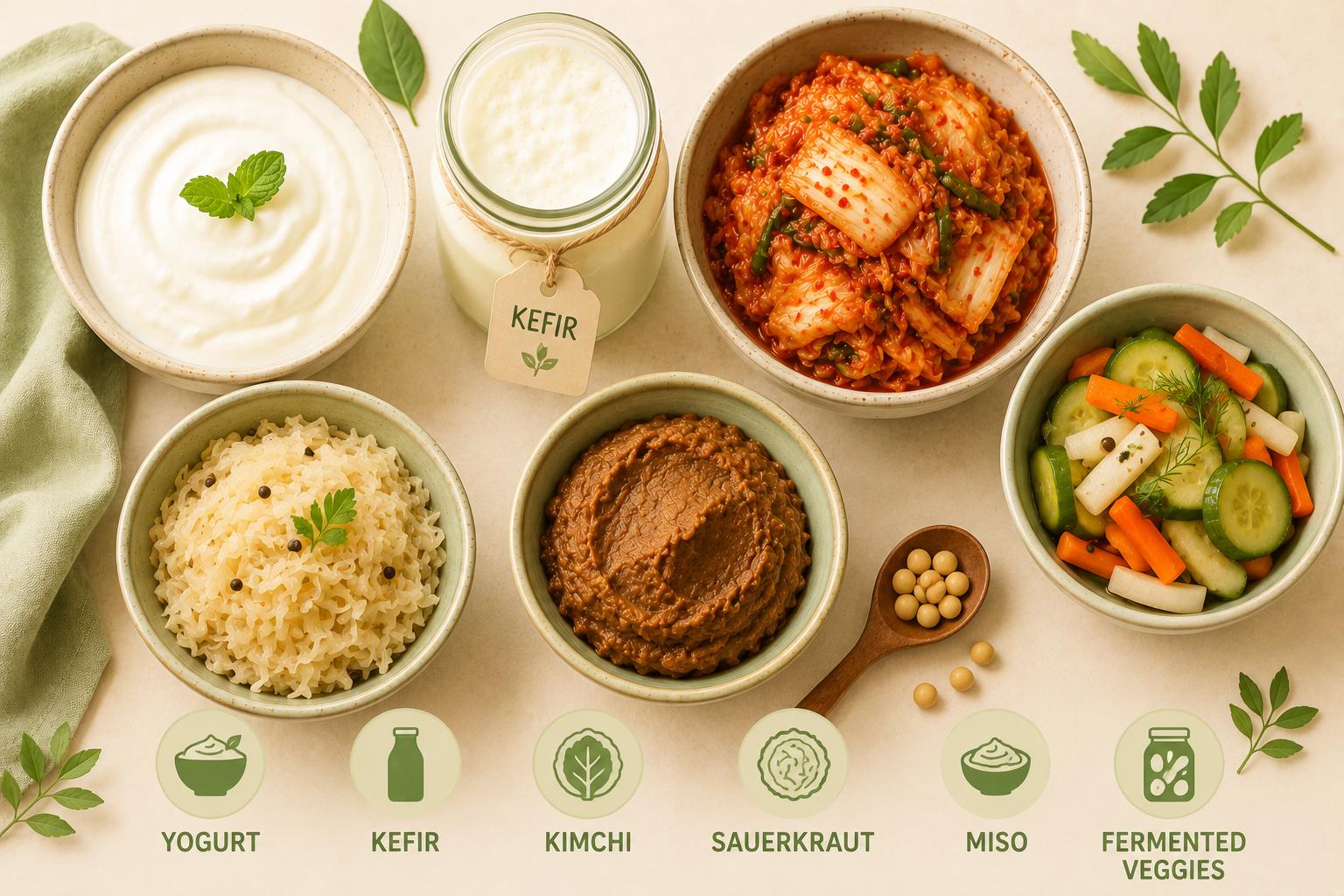
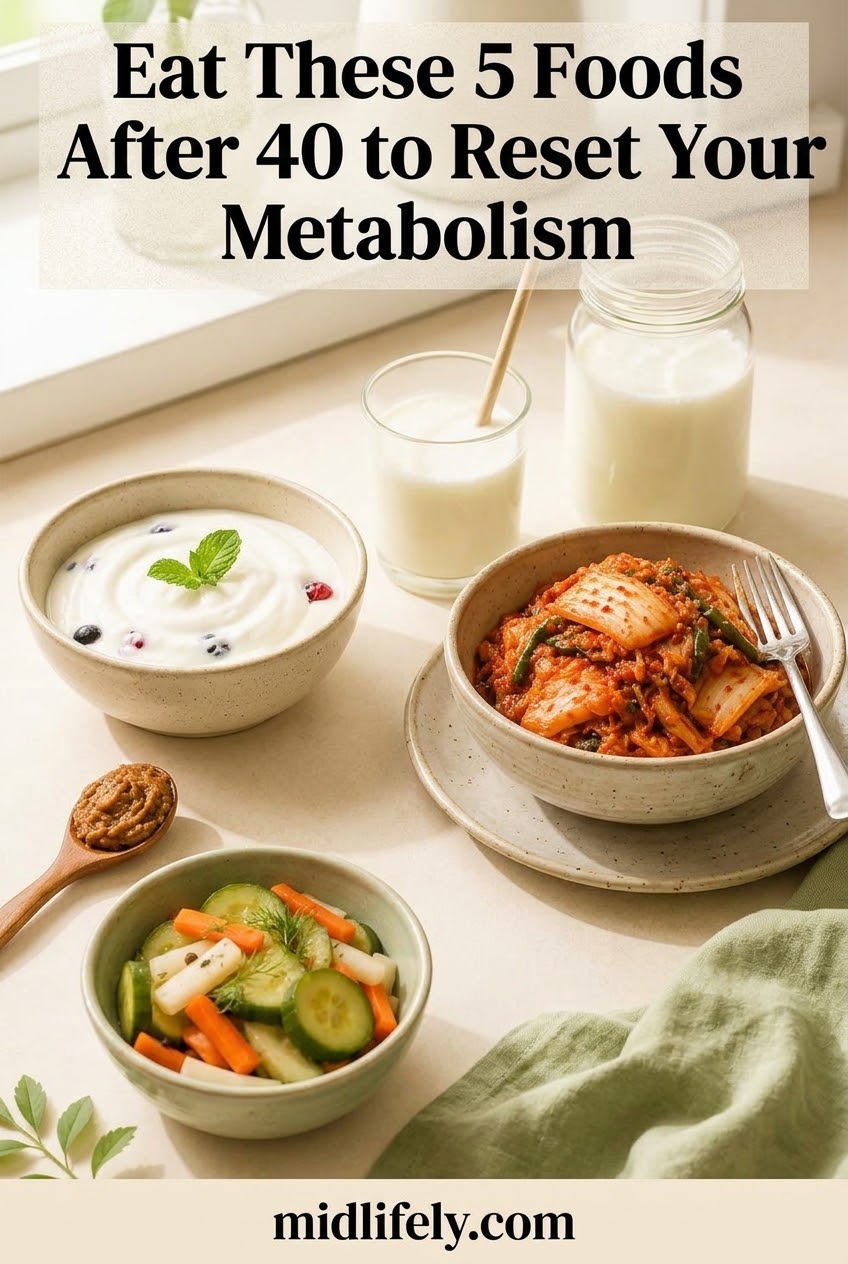
Fermented foods have become popular in recent years, especially when people talk about gut health. Foods like yogurt with live cultures, kefir, sauerkraut, and kimchi can add variety to meals. Research on the relationship between diet, the gut, and health continues to develop, so I think of these foods as interesting additions rather than miracle solutions.
8
simple food categories that commonly appear in balanced eating patterns: protein, vegetables, fruits, grains, dairy or alternatives, healthy fats, legumes, and nuts or seeds
My approach is uncomplicated: if I enjoy a food and it fits my budget and routine, it earns a place in my kitchen. If it requires a complicated system, expensive purchases, or constant tracking, I usually know myself well enough to predict how that story ends.
Questions I hear about metabolism and food after 40
Can foods really boost metabolism after 40?
Foods cannot dramatically transform metabolism on their own, but balanced meals with protein, fiber, and nutrient-rich ingredients can support overall health.
Should I avoid carbohydrates after 40?
Not necessarily. Whole grains, fruits, and vegetables can be valuable parts of a balanced eating pattern.
What is the easiest first change to make?
Start with one meal. Add a protein source, include a vegetable or fruit, and choose foods you will realistically keep eating.


More Pinterest Visuals



 Sleep & Insomnia Solutions13 Natural Ways to Get More Deep Sleep and Wake Up Feeling Rested
 Health & Wellness6 Simple Healthy Habits After 40 That Make Everyday Life Better
 Energy, Hormones & Stress ManagementMenopause und Nachtschweiß – 16 praktische Lösungen für ruhigere Nächte
 Energy, Hormones & Stress Management18 Natural Energy Boosters Without Caffeine That Fit Real Life