
 23.09.2026
Energy after 40 is not usually about finding one magical ingredient. I have learned that the foods I actually keep eating are the ones that fit into ordinary mornings, busy afternoons, and the occasional day when dinner feels like a major project.
This guide focuses on nutrient-rich foods that can support a balanced eating pattern. These foods are not a promise of endless energy, and persistent fatigue is something worth discussing with a qualified healthcare professional.
Salmon: Omega-3 Rich Energy Food for Women Over 40
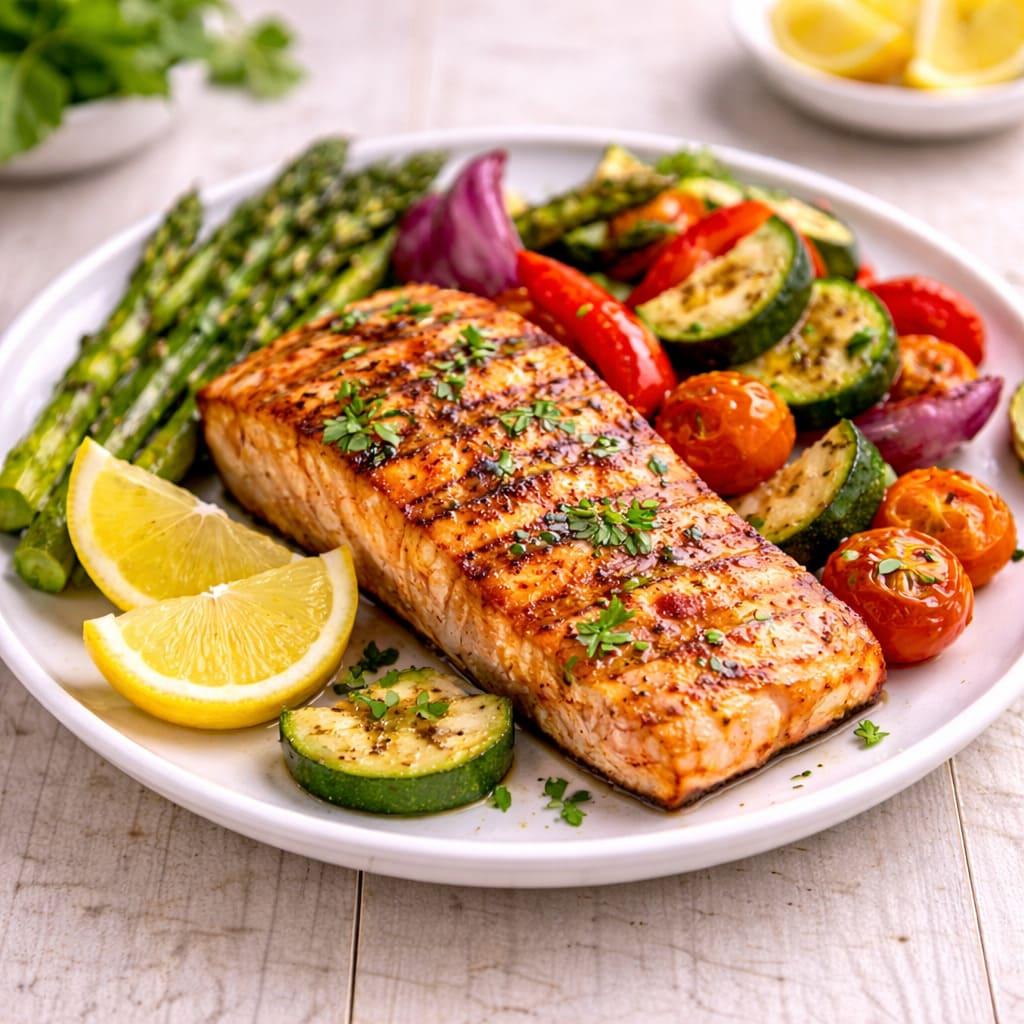
Salmon is one of those foods that feels worth the effort because it brings protein and omega-3 fats in one simple meal. Fatty fish such as salmon provide EPA and DHA omega-3s along with nutrients like vitamin B12 and vitamin D.
My low-energy version is a ready-cooked fillet added to a salad or grain bowl instead of creating a complicated recipe.
Greek Yogurt: Protein-Packed Fuel for Lasting Energy
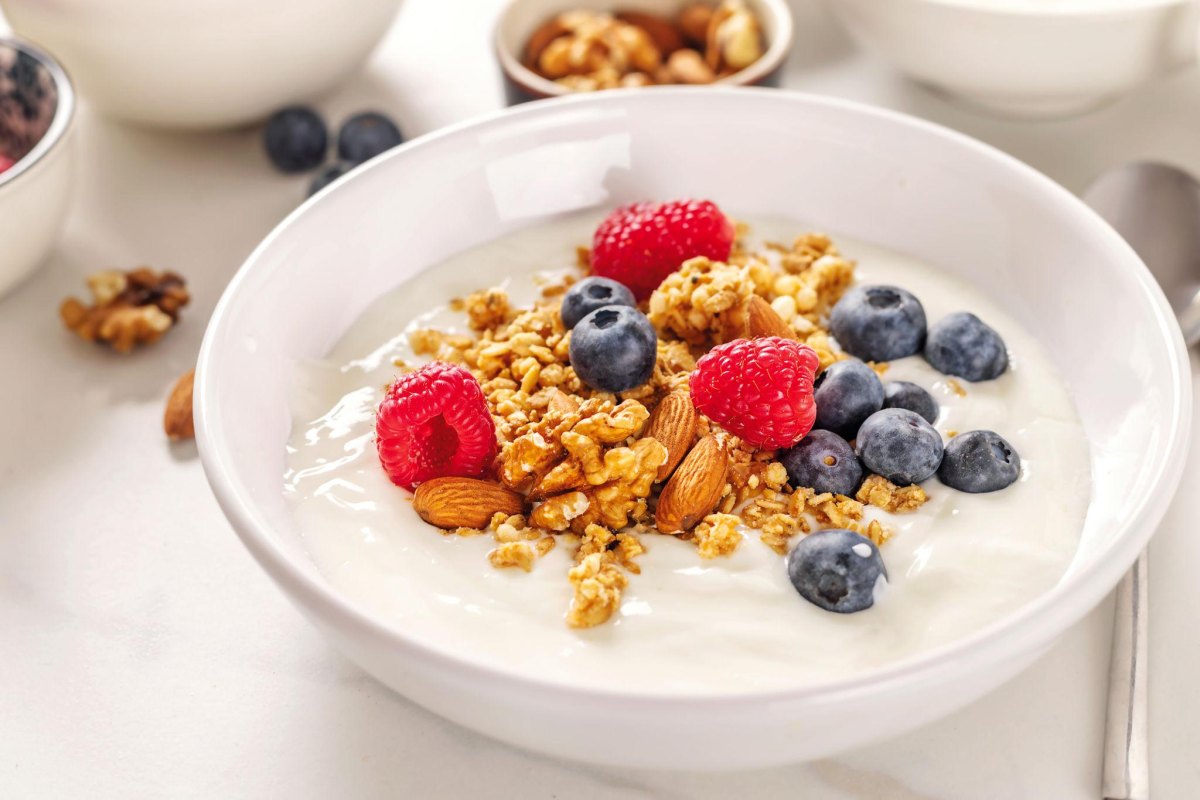
Greek yogurt is a reliable breakfast shortcut because it offers convenient protein without much preparation. Plain versions can provide protein, calcium, and sometimes live cultures, while labels help you compare added sugars.
I like adding berries and seeds when I want a breakfast that feels complete rather than just quick.
Eggs: A Nutrient-Dense Breakfast for Daily Vitality
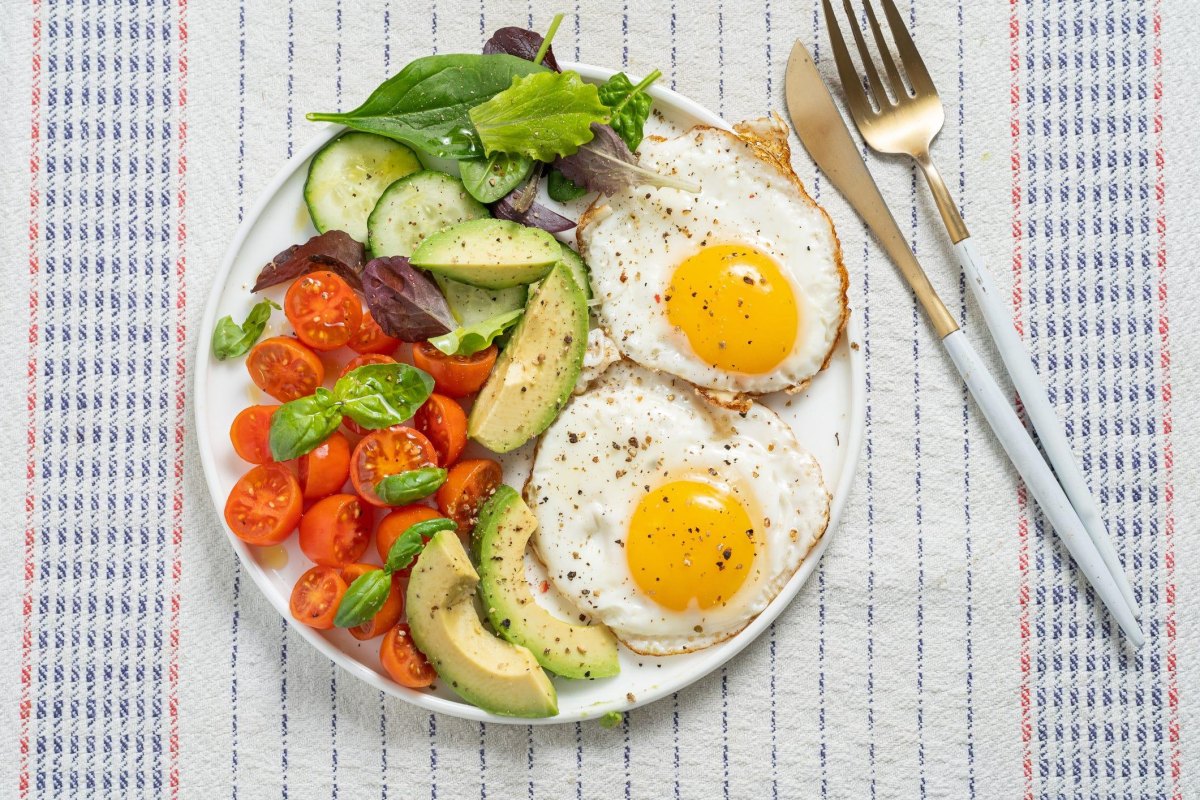
Eggs have stayed in my rotation because they are simple, affordable, and adaptable. They provide high-quality protein and nutrients such as choline that support overall nutrition.
A boiled egg beside toast or fruit is the kind of realistic breakfast I can manage on a rushed weekday.
Leafy Greens: Iron and Magnesium Sources for Natural Energy
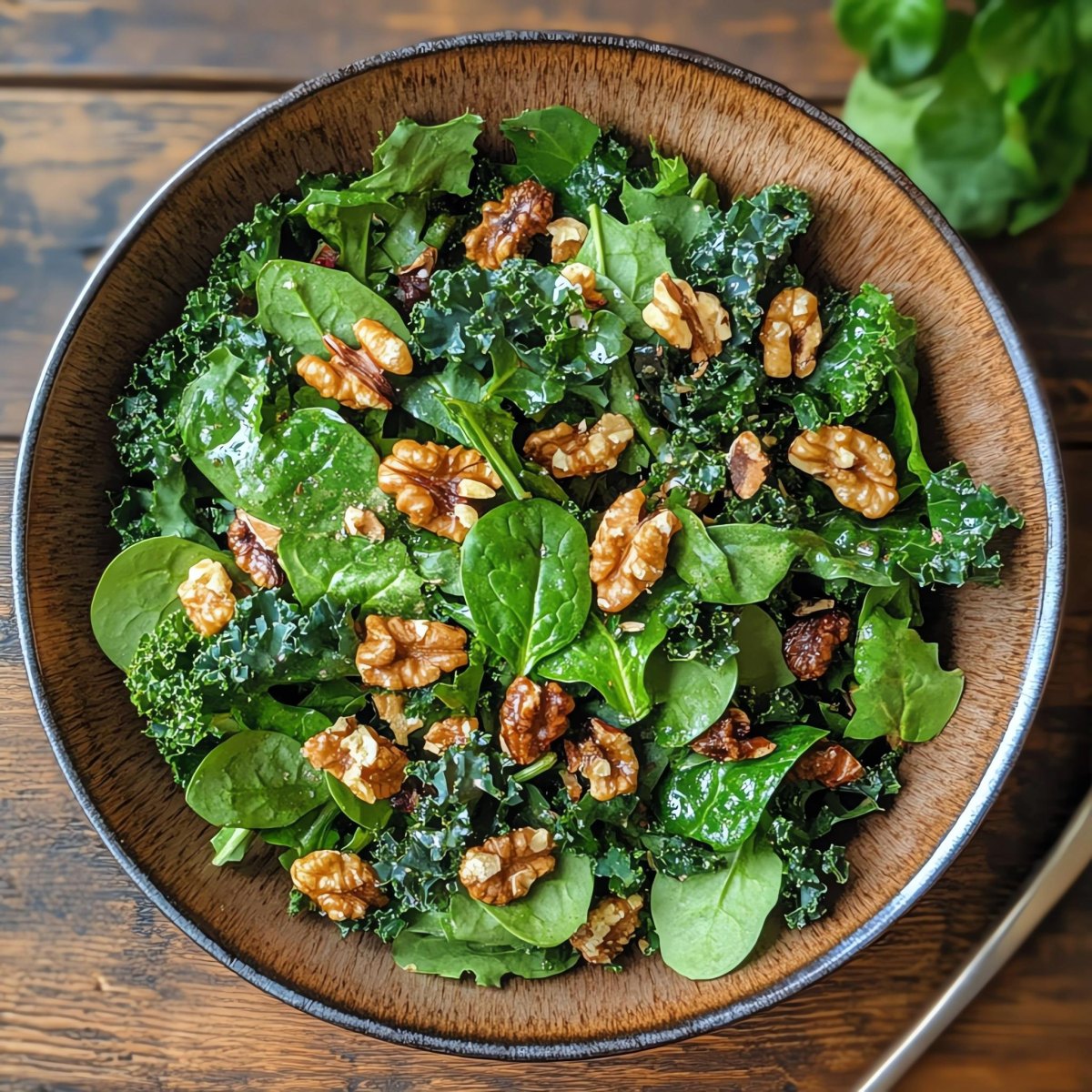
Spinach, kale, and other leafy greens add vitamins and minerals to meals without requiring a complete menu overhaul. I find they are easiest when tossed into soups, eggs, or smoothies.
They are helpful parts of a varied diet, although food alone is not a substitute for checking unexplained ongoing tiredness.
Oats: Slow-Release Carbohydrates for Steady Stamina
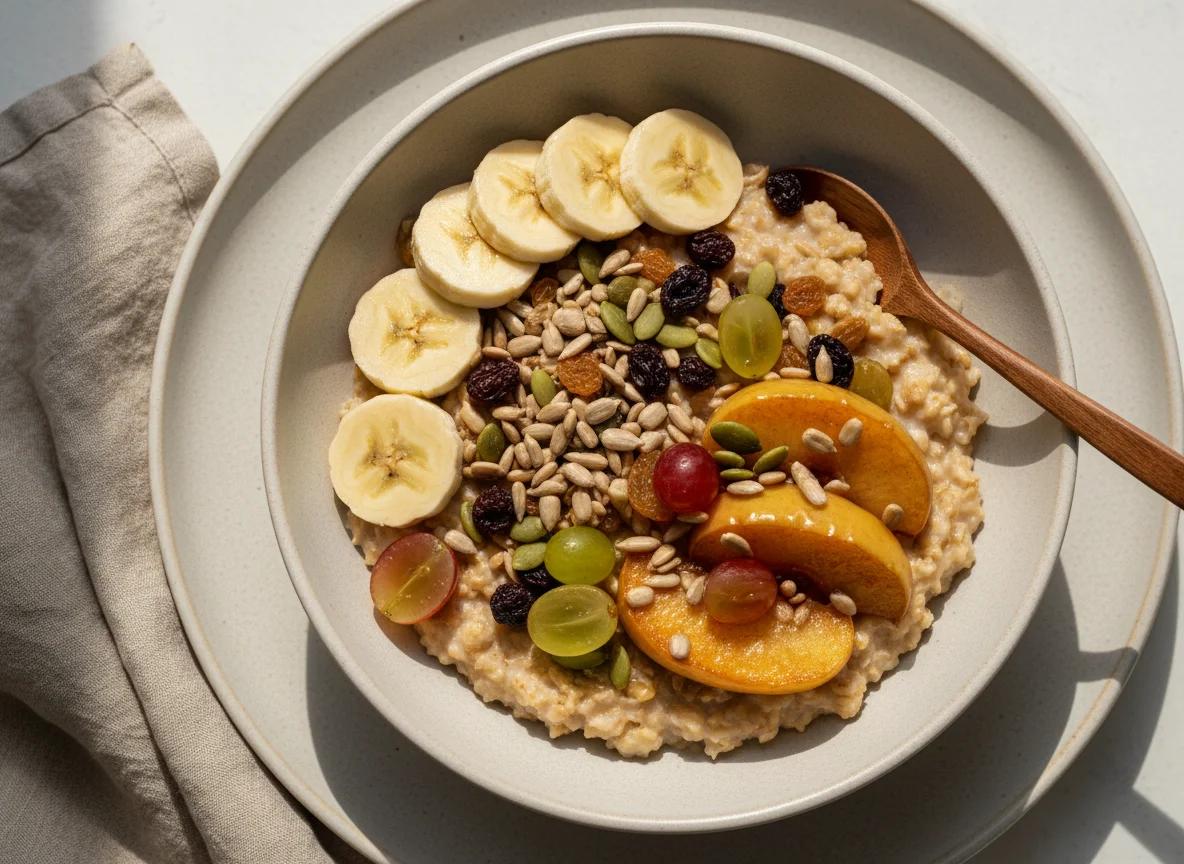
Oats are my dependable breakfast when I want something that keeps me going. Their soluble fiber, including beta-glucans, makes them a fiber-rich whole grain choice.
The easiest upgrade is adding nuts, seeds, or fruit rather than turning breakfast into a weekend cooking project.
Berries: Antioxidant-Rich Foods to Support Active Lifestyles
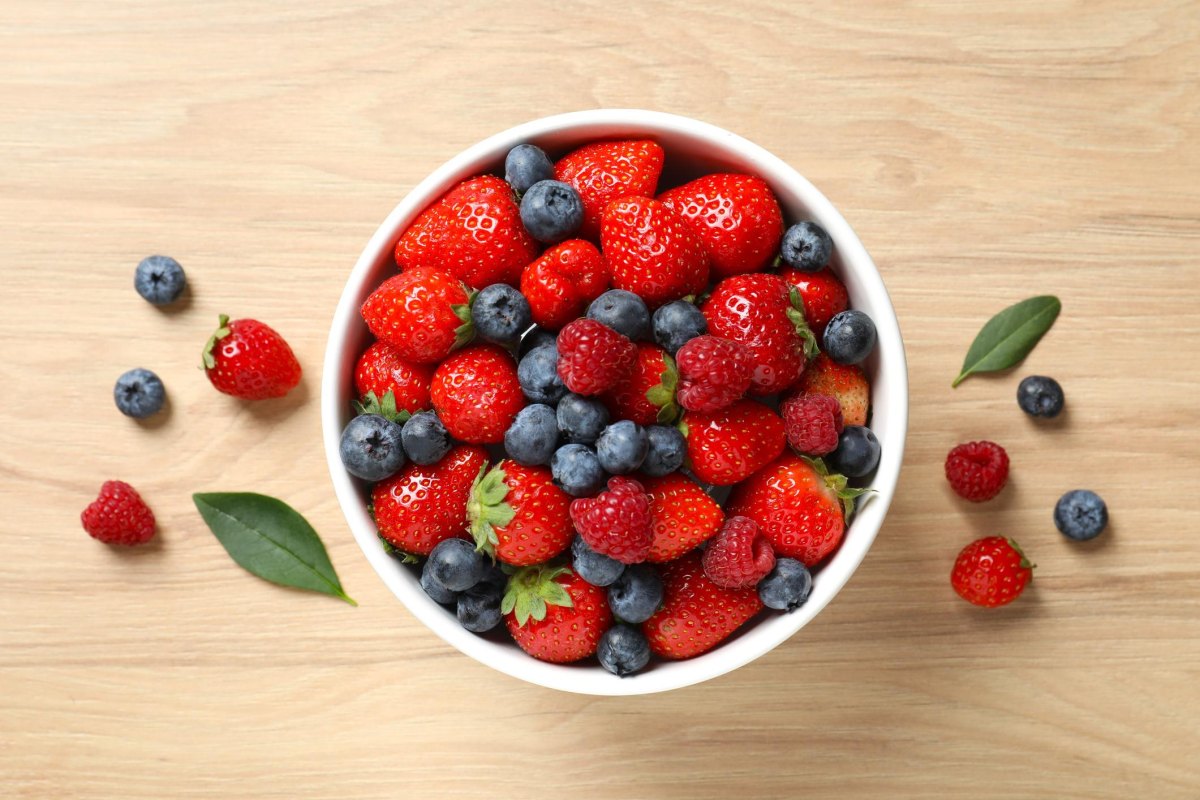
Berries are small, practical additions that brighten yogurt, oats, and snacks. They contain polyphenols and antioxidants, although nutrition is always about the whole pattern rather than one food.
Frozen berries are my favorite low-maintenance option because they reduce food waste.
Nuts and Seeds: Healthy Fats for Sustained Energy
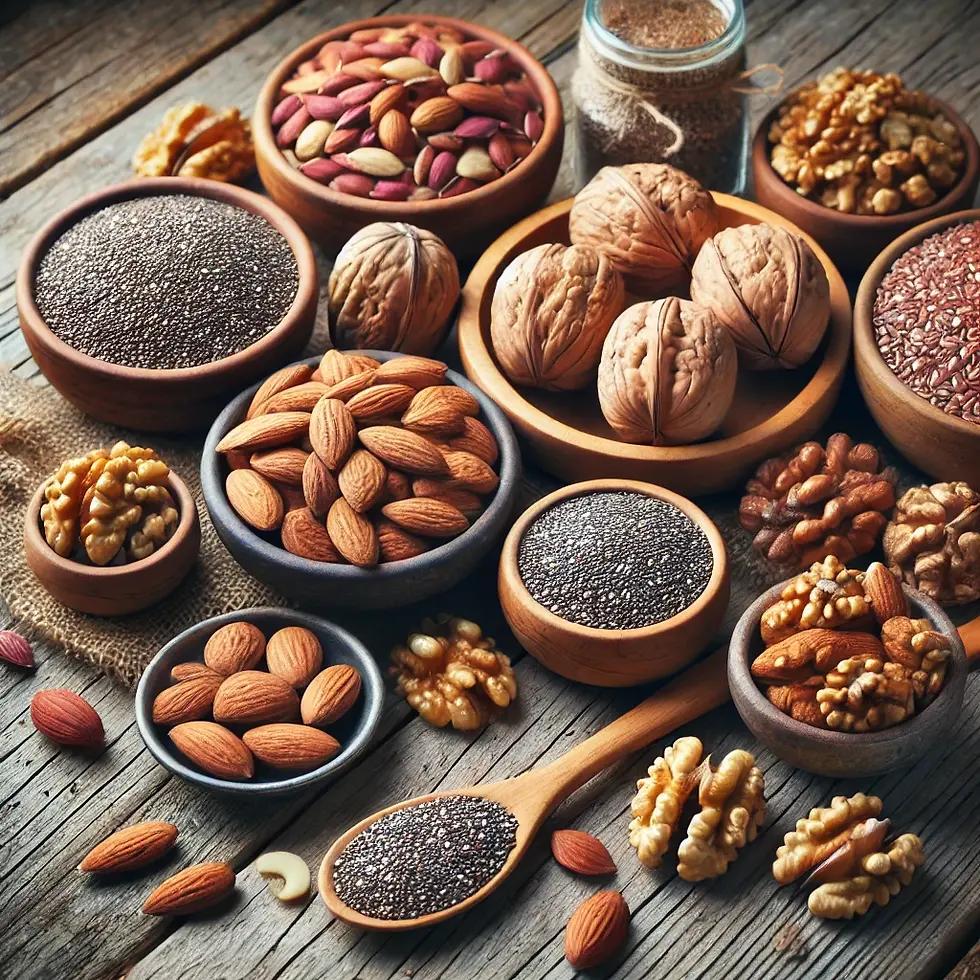
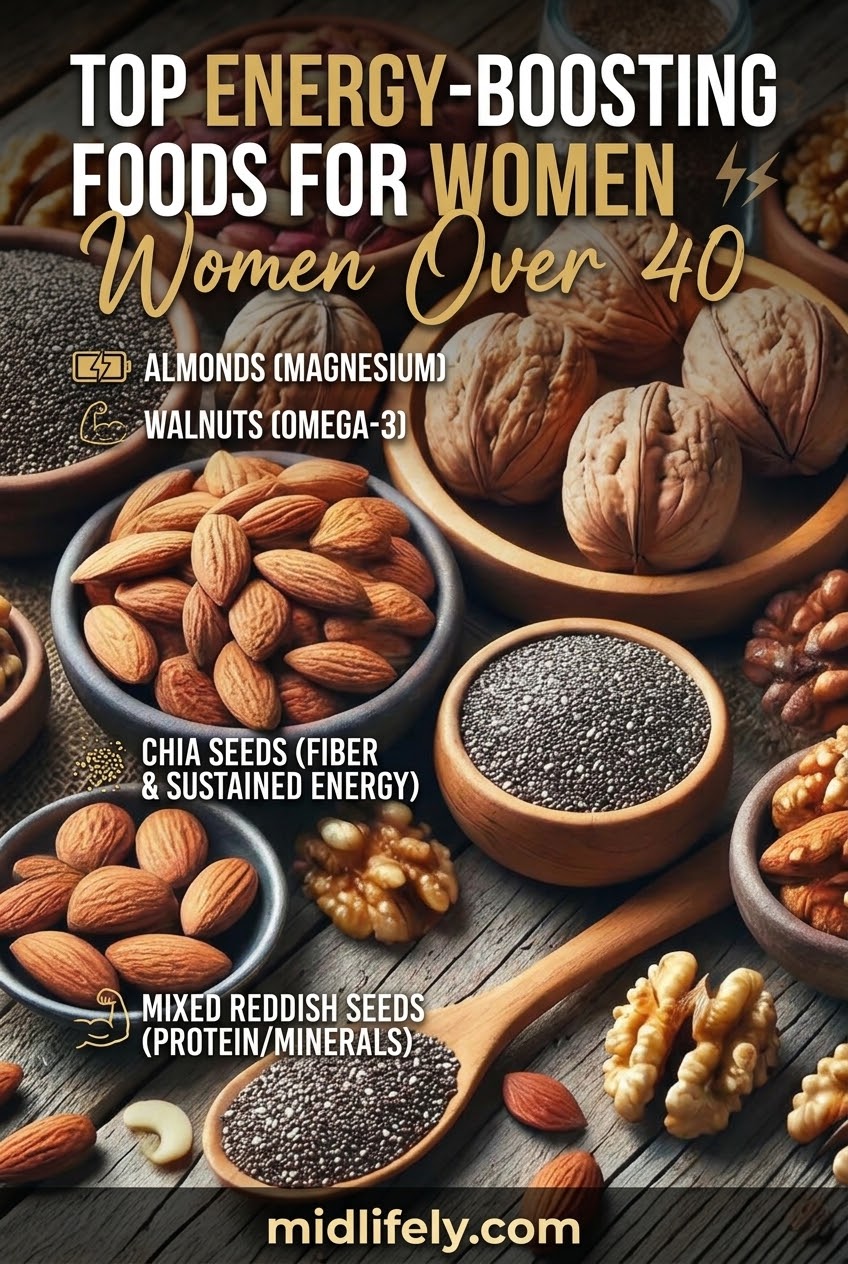
Nuts and seeds are useful when I need a snack that requires no cooking. They provide healthy fats, fiber, and protein, making them easy companions for fruit or yogurt.
The trick is keeping portions simple because even healthy foods can become another thing to overthink.
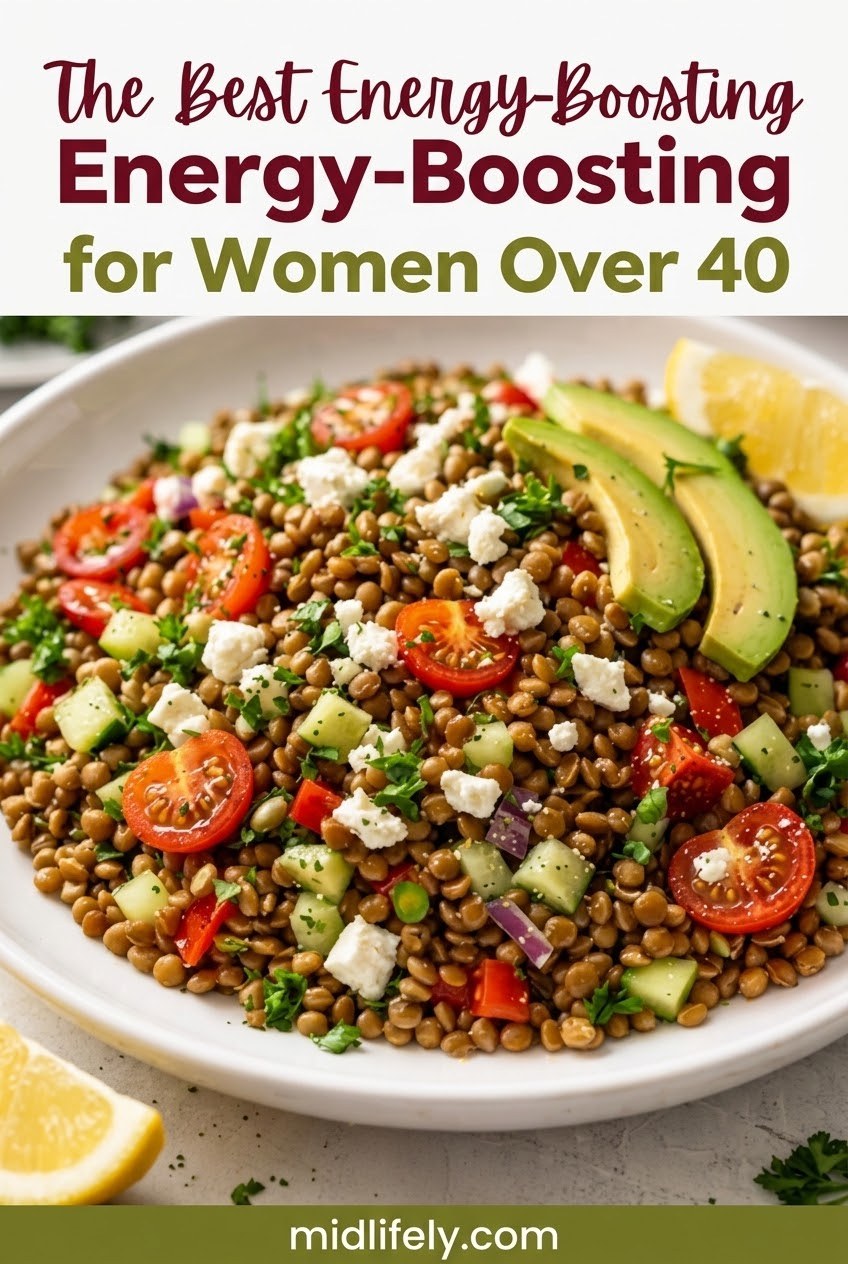
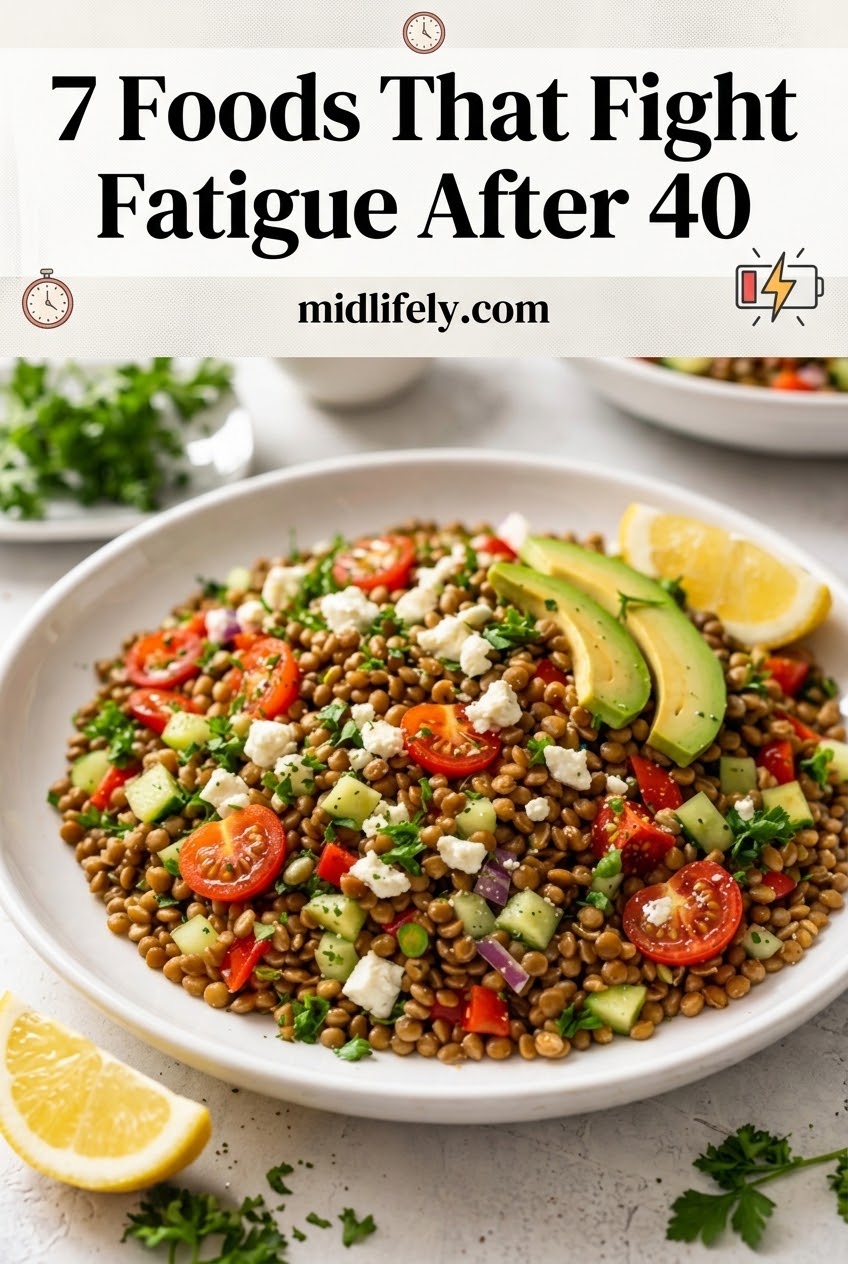
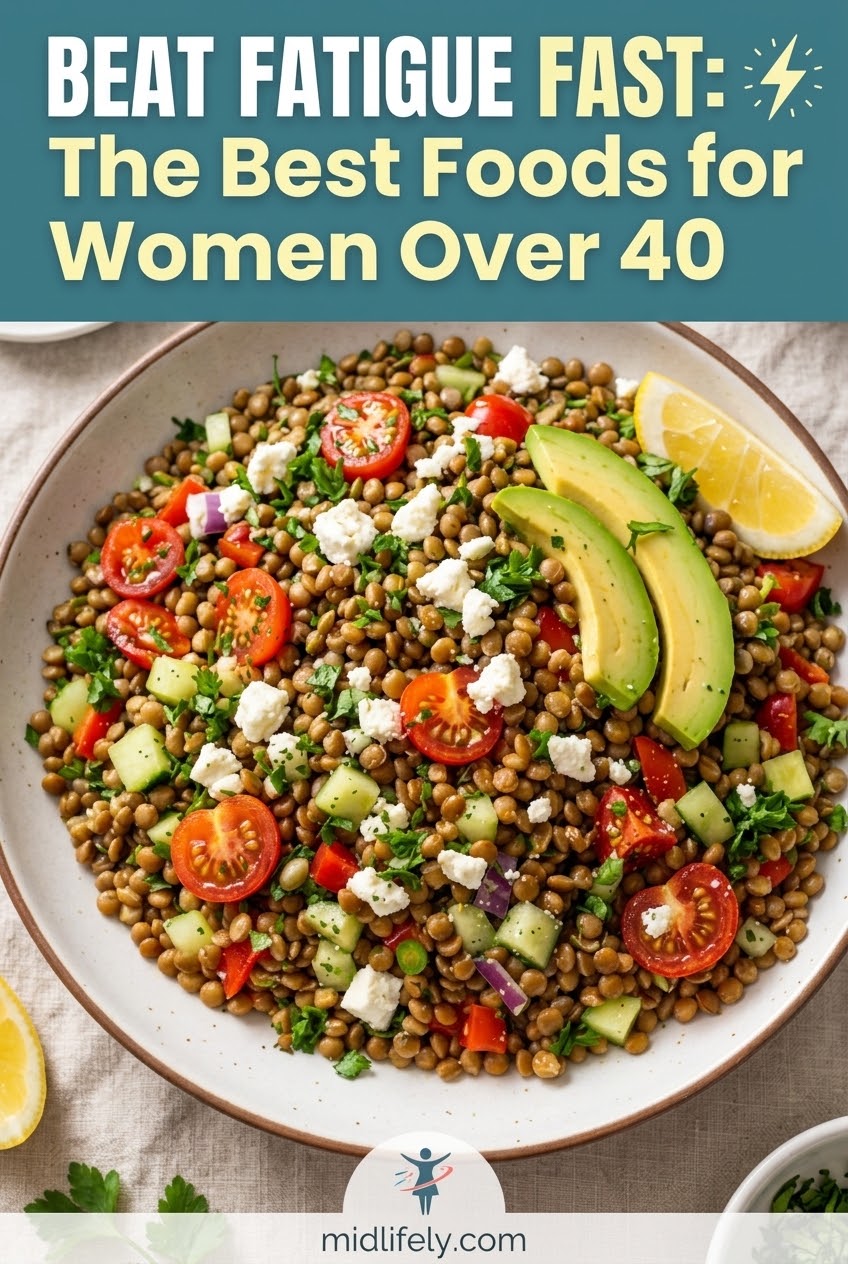
Lentils: Plant-Based Protein for Balanced Energy Levels
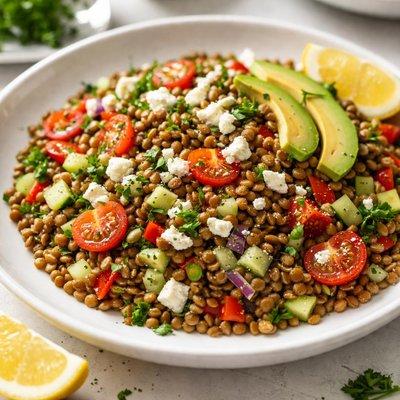
Lentils are a budget-friendly way to add plant protein and fiber to lunches and dinners. I appreciate foods that make leftovers easier, and lentil soup usually improves overnight.
They work well for anyone trying to add more plant-based meals without making every recipe complicated.
Quinoa: A Complete Protein Grain for Women’s Nutrition
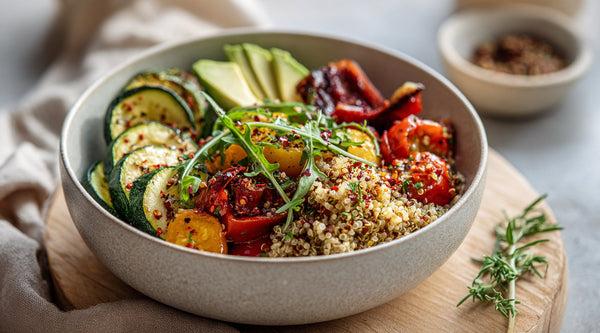
Quinoa is useful when I want a grain bowl that feels more filling. It provides protein and complex carbohydrates alongside minerals found in many whole foods.
I use it as a base with roasted vegetables because it removes some weekday meal decisions.
Avocado: Healthy Fats for Hormonal and Energy Support
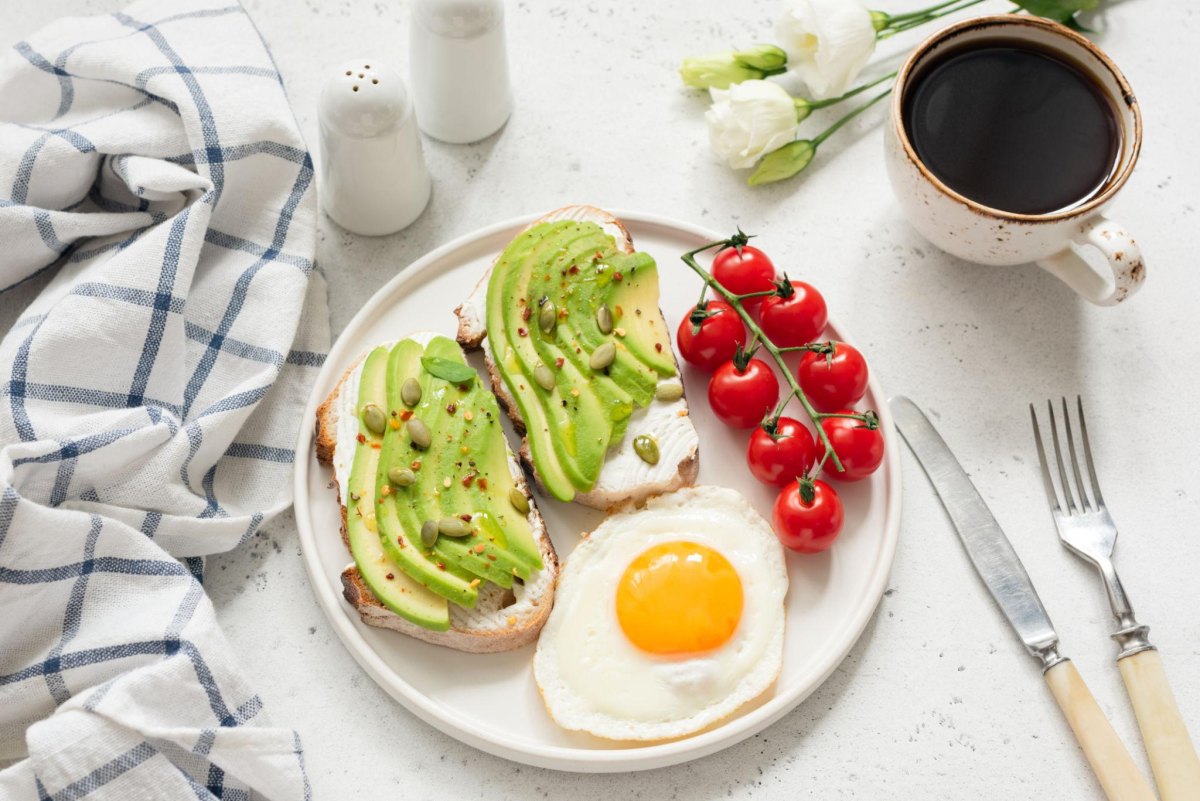
Avocado adds creaminess without needing elaborate sauces. Its monounsaturated fats and fiber make it a satisfying addition to meals.
For me, avocado toast works best when paired with protein instead of standing alone as breakfast.
Sweet Potatoes: Complex Carbs for Long-Lasting Fuel
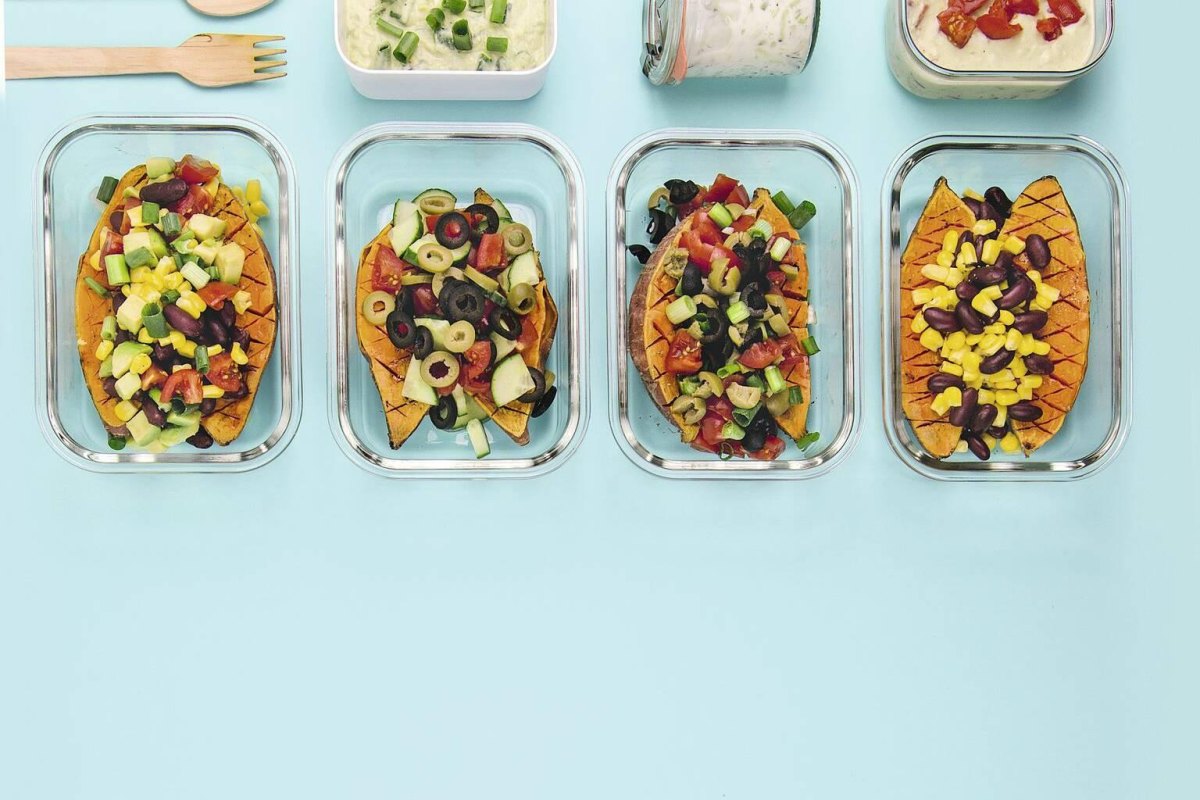
Sweet potatoes are an easy reminder that carbohydrates are not the enemy. They provide complex carbohydrates and fiber that can fit into balanced meals.
I roast a batch when I have energy and enjoy the leftovers when I do not.
Lean Chicken: High-Quality Protein for Strength and Energy

Chicken is a practical staple because it gives meals a reliable source of quality protein. I prefer simple preparations that can become salads, wraps, or dinner plates.
The best routine is usually the one that still works on a tired Wednesday.
Dark Chocolate: A Nutrient-Rich Treat for an Energy Boost
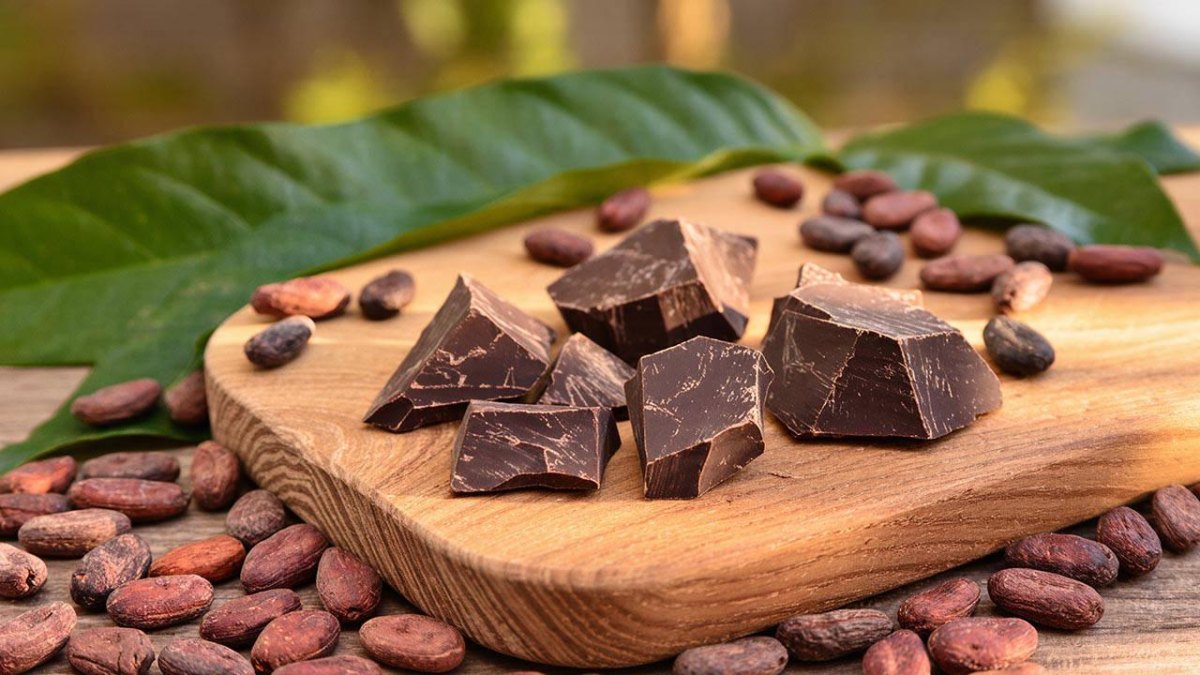
Dark chocolate is one of the foods I keep in the category of enjoyable extras. Cocoa contains plant compounds and minerals, but portion and personal preferences still matter.
A small piece with coffee can be a pleasant pause rather than another wellness task.
Green Tea: A Refreshing Drink for Focus and Alertness

Green tea can be a simple beverage swap when I want something different from coffee. It contains caffeine and plant compounds, though individual responses vary.
I think of it as a small routine, not a solution for ongoing low energy.
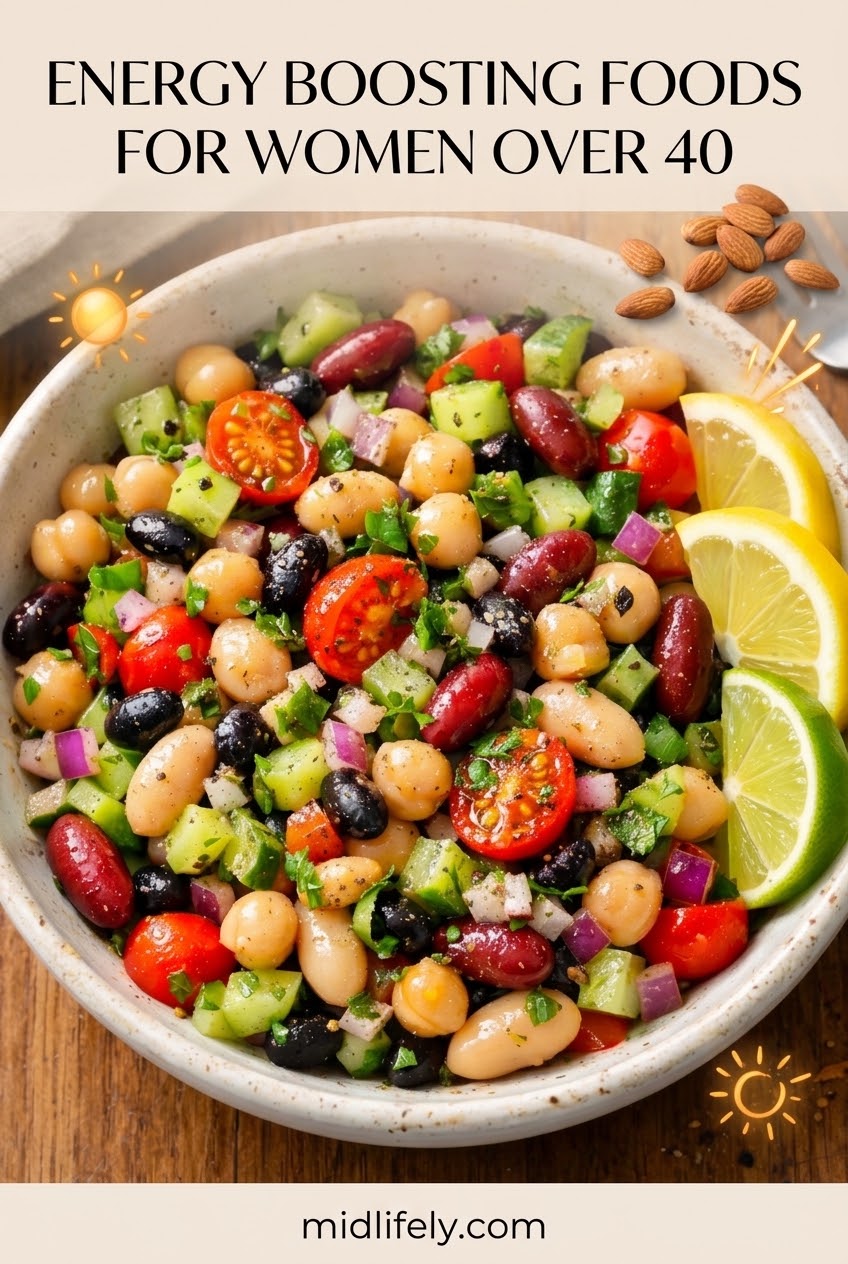
Beans: Fiber and Protein for Stable Daily Energy
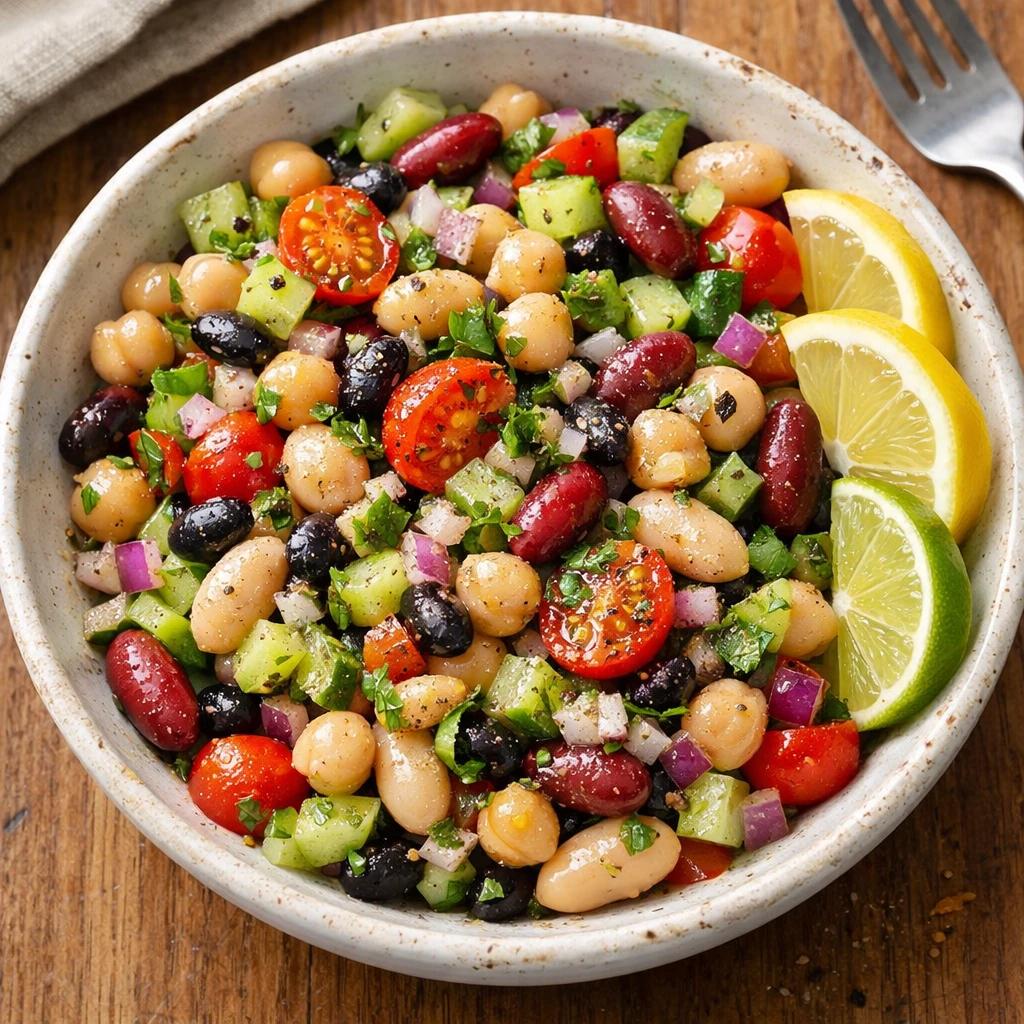
Beans are the kind of pantry food I appreciate because they are affordable and flexible. They offer fiber and plant protein for soups, salads, and quick meals.
A simple bean bowl with vegetables is often more realistic than a perfect meal plan I will abandon next week.


More Pinterest Visuals




 Sleep & Insomnia Solutions13 Natural Ways to Get More Deep Sleep and Wake Up Feeling Rested
 Health & Wellness6 Simple Healthy Habits After 40 That Make Everyday Life Better
 Energy, Hormones & Stress ManagementMenopause und Nachtschweiß – 16 praktische Lösungen für ruhigere Nächte
 Energy, Hormones & Stress Management18 Natural Energy Boosters Without Caffeine That Fit Real Life