
 20.09.2026
When people search for adrenal fatigue remedies, they are often looking for a way to make sense of feeling worn out, wired at night, or unlike themselves. I understand the appeal of a simple answer, but I have learned that midlife energy changes rarely come from one missing trick.
The term adrenal fatigue is not a recognized medical diagnosis, so I prefer to focus on the practical habits that support sleep, nourishment, stress management, and daily routines. These are not cures, but they are often the first places I look when my own schedule starts feeling heavier than it should.
What I focus on first
- Small routines that reduce daily strain
- Habits that are realistic on low-energy days
- Knowing when persistent symptoms need professional attention
Prioritizing Restful Sleep and Consistent Sleep Patterns

Sleep is usually where I start because a tired brain makes every other healthy choice feel like a complicated project. A steady sleep schedule, a calmer evening routine, and a bedroom that supports rest can be useful foundations. The CDC and sleep experts emphasize consistent sleep habits as part of healthy sleep routines.
I stopped chasing the perfect bedtime routine years ago. The version that actually survived was much smaller: dimmer lights, fewer late tasks, and accepting that some nights are simply imperfect.
- Keep wake times reasonably consistent
- Create a short wind-down period before bed
- Notice patterns without turning sleep into another job
Supporting Energy Levels With Balanced Nutrition

I am suspicious of any eating plan that requires a spreadsheet, twelve supplements, or a personality transplant. For steady energy, I look for balanced meals with a mix of nourishing foods rather than chasing quick fixes. General nutrition guidance supports including a variety of foods that provide essential nutrients.
The low-energy version is simple: add something filling to meals you already eat. A little protein, fiber, and a regular eating pattern may feel much more sustainable than starting an extreme reset on a Monday morning.
| Habit | Why it may help |
|---|---|
| Regular meals | Helps create a predictable daily rhythm |
| Varied whole foods | Provides a range of nutrients |
Managing Stress Through Relaxation Techniques

Stress is one of those things that sounds easy to fix until you are standing in the kitchen answering emails and looking for your glasses at the same time. Relaxation practices such as breathing exercises, meditation, and mindfulness may help some people manage stress, although they are not replacements for medical care.
My favorite approach is the smallest possible one: a few quiet minutes before moving on to the next thing. The goal is not to become a different person; it is to create a little mental breathing room.
A realistic stress habit
Try attaching relaxation to something you already do, like sitting in the car before walking inside or making tea in the afternoon.
Building a Gentle Exercise Routine
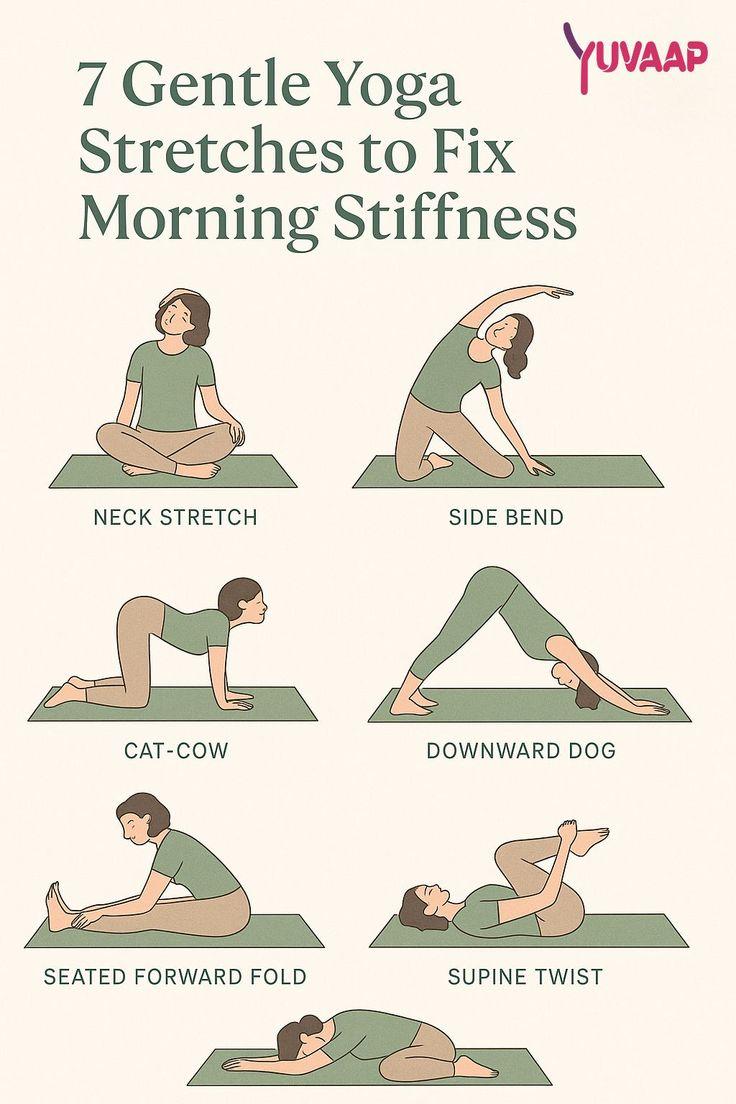
When energy is low, intense workouts can feel like one more demand. I have found that gentle movement often has a better chance of becoming a habit. Current physical activity guidance recommends regular movement and muscle-strengthening activities for adults. Consistent movement does not have to mean exhausting yourself.
The version I can maintain is usually a walk, stretching, or moving around between writing sessions. It is not dramatic, but it fits into an ordinary week.
What I like
- Low equipment needs
- Easy to adjust on busy days
What to remember
- More is not always better
- New symptoms deserve attention
Maintaining Hydration and Healthy Daily Habits

Hydration is not a glamorous wellness trend, which is probably why it is easy to ignore. Drinking enough fluids supports normal body functions, and simple habits like keeping water nearby can make the healthy choice the easy choice.
I like routines that remove decisions. A water bottle by my desk and a few predictable pauses during the day are much more useful than a complicated wellness checklist I will abandon by Thursday.
- Place. Keep water where you already spend time.
- Pair. Connect hydration with meals or breaks.
- Notice. Pay attention to habits without obsessing.
Reducing Caffeine and Supporting Stable Energy

I love coffee, so this is not a lecture from someone who has replaced mornings with a cheerful glass of something green. However, caffeine timing can matter, especially for people who notice sleep disruption. Managing caffeine is one possible sleep support habit worth experimenting with.
My approach is not “quit everything.” It is usually “move the habit slightly.” A later-afternoon coffee may become a morning coffee, or one cup may become a smaller cup.
A common mistake
Changing five energy habits at once makes it difficult to know what actually helped.
Consulting Healthcare Professionals for Personalized Support

Sometimes lifestyle changes are worth trying, but sometimes the kindest next step is asking for professional help. Ongoing or unexplained fatigue can have many possible causes, and a healthcare professional can help evaluate concerns that do not improve with routine changes.
I think of appointments as information gathering, not a sign that I have failed at taking care of myself. Bringing notes about sleep, energy patterns, and symptoms can make the conversation more useful.
- Track: Changes you notice and when they happen.
- Ask: Questions about symptoms that persist or worry you.
- Discuss: Any concerns with a qualified healthcare professional.


More Pinterest Visuals









 Sleep & Insomnia Solutions13 Natural Ways to Get More Deep Sleep and Wake Up Feeling Rested
 Health & Wellness6 Simple Healthy Habits After 40 That Make Everyday Life Better
 Energy, Hormones & Stress ManagementMenopause und Nachtschweiß – 16 praktische Lösungen für ruhigere Nächte
 Energy, Hormones & Stress Management18 Natural Energy Boosters Without Caffeine That Fit Real Life